Top 8 Caves around Augustdorf
Caves around Augustdorf are primarily found within the wider Teutoburg Forest region, offering a diverse natural landscape. This area is characterized by its geological formations, including grottoes and caves, nestled within limestone and sandstone. The region provides opportunities to explore unique natural features and historical sites. These formations contribute to the area's appeal for those interested in geology and natural history.
Best caves around Augustdorf
- The most popular caves is Rocky gorge at the Mordkopf, a gorge that features…
Last updated: May 17, 2026
Crucifixion Relief and Grotto at the Externsteine
Highlight • Monument
Translated by Google •
Tip by

Rocky gorge at the Mordkopf
Highlight • Gorge
Translated by Google •
Tip by

Sign up now to discover places like this
Get recommendations on the best single tracks, peaks, & plenty of other exciting outdoor places.
Sign up for free
Hohlstein Cave
Highlight • Cave
Translated by Google •
Tip by

Mordkuhle Cave
Highlight • Cave
Translated by Google •
Tip by

Cave Entrance in Teutoburg Forest Nature Park
Highlight • Cave
Translated by Google •
Tip by

Sign up for free to discover even more caves around Augustdorf.
Sign up for free
Already have an account?
Start today with a free account
Your next adventure awaits.
Login or Signup
Tips from the Community

The largest cave in Lippe is the Hohlsteinhöhle, which is 47 m high and 185 m long. A cave beetle that does not exist anywhere else in the world has also lived here since the last ice age. 👍
9
0

The Deposition from the Cross relief is one of the most important medieval works. It is carved into sandstone and, at 4.80 × 3.70 m, is the largest relief in the entire northwestern European region.
4
0

Tell me, do you perhaps know why it is called Mordkuhle?
0
0

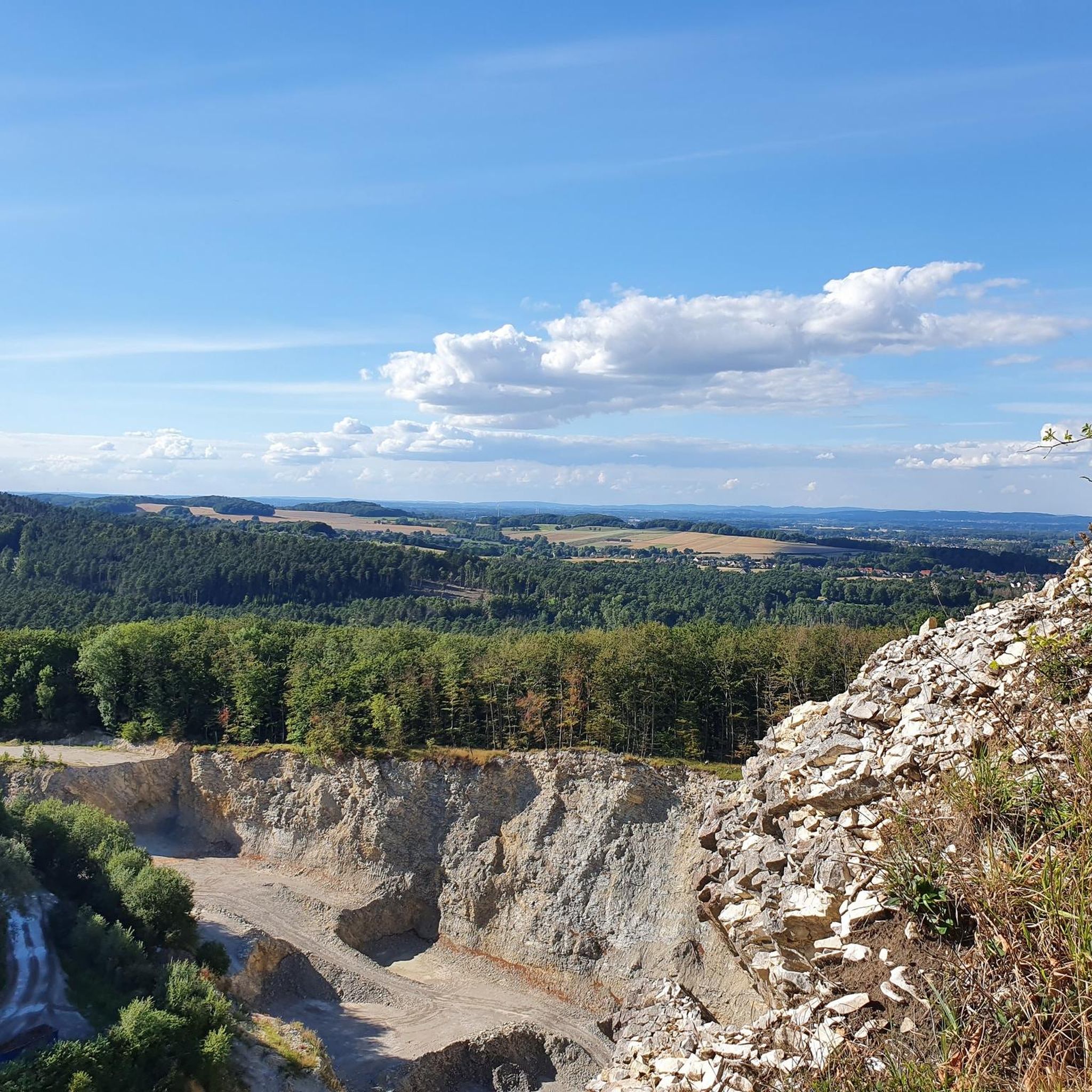
The largest cave in the district of Lippe, with up to 50m height (rock crevices)
1
0
The relief of the Descent from the Cross from 1150 is one of the most extraordinary works of art in the area. Given its age, it is well preserved.
11
0

"...At the first rock there are also artificial caves and a Descent from the Cross relief carved into the stone. At the second rock you reach a space-like platform via a curved bridge..." Find out more about our wonderful hike to the spectacular Externsteine at: https://www.netreisetagebuch.de/externsteine-wandern/
9
1

Very nice rock relief, carved into the sandstone, it shows the descent of Jesus Christ from the cross. As one of the most important medieval works, thousands of visitors and art historians from all over the world are drawn to the Externsteine every year. With dimensions of 4.80 by 3.70 meters, it is the largest in all of north-western Europe.
14
0

On the outer wall of the artificially created cavity, directly in front of the cupola grotto, the 5.5 meter high medieval relief of the Descent from the Cross is hammered into the Externsteine. Above the rectangular door is a cavity, a hollow shape reminiscent of the legs, body and wings of a bird. (https://de.wikipedia.org/wiki/Externsteine)
13
2
Frequently Asked Questions
What kind of natural features can I expect to see in the caves around Augustdorf?
The caves and grottoes around Augustdorf are primarily found within the wider Teutoburg Forest region. You'll encounter diverse geological formations, including chasms in limestone, sandstone rock formations, and crevices. These range from smaller natural openings to larger cave systems, often nestled within scenic gorges or forested areas.
Are there any caves around Augustdorf that are particularly significant for their history or art?
Yes, the Crucifixion Relief and Grotto at the Externsteine is a notable site. It features a unique 12th-century Crucifixion Relief carved into sandstone, considered a significant work of art in northwestern Europe. The Externsteine themselves are ancient sandstone formations with a rich cultural history, including use as a hermitage.
Are there any family-friendly caves or rock formations to explore near Augustdorf?
The Rocky gorge at the Mordkopf is a popular spot for both children and adults. It features a chasm in the limestone and unique rock formations that make for an exciting exploration. While not a true cave, its 'robber's cave' feel is a highlight in the Teutoburg Forest.
What is the geological makeup of the caves in the Augustdorf region?
The caves and grottoes in the Augustdorf area, particularly within the Teutoburg Forest, are primarily formed within Upper Cretaceous marl limestones and sandstone. This geological composition contributes to the unique rock formations and chasm structures found in the region.
Are there any caves in the Augustdorf region that are important for wildlife?
Yes, the Hohlstein Cave is the largest cave in the Lippe region and serves as a crucial wintering location for bats. Similarly, the Mordkuhle Cave is a small crevice where bats also overwinter. Due to their ecological importance, public access to these specific caves is often restricted.
What outdoor activities can I do near the caves around Augustdorf?
The region offers various outdoor activities. You can find numerous road cycling routes, such as the 'Climb to the Hermannsdenkmal' or 'View of Lippesee' loops. For mountain biking, trails like the 'Furlbach Valley Nature Reserve' or 'Donoper Pond – Hermannsdenkmal' are available. Running enthusiasts can explore routes like the 'Tütgemühle Old Mill' or 'Furlbach Valley Forest Trail'. You can find more details on these activities in the respective guides: Road Cycling Routes around Augustdorf, MTB Trails around Augustdorf, and Running Trails around Augustdorf.
Are there any caves near Augustdorf that are not open to the public?
Yes, the Hohlstein Cave, the largest cave in the Lippe region, is under strict protection and not open to the public. This is primarily because it's a vital wintering location for bats and home to a unique cave beetle. Similarly, the Bielstein Gorge's Hollow Stone Cave, while historically significant, also has restricted public access for conservation.
What should I know about accessing caves in the Teutoburg Forest Nature Park?
Some cave entrances, like the Cave Entrance in Teutoburg Forest Nature Park, can be a bit hidden, located below hiking paths. It's important to keep an eye out for them. Access to some natural caves may be restricted due to conservation efforts, especially those serving as bat habitats, so always respect signage and protected areas.
What do visitors enjoy most about the caves and rock formations around Augustdorf?
Visitors appreciate the unique natural beauty and geological features. Many find the rock formations and chasms, like those at the Rocky gorge at the Mordkopf, to be exciting and interesting to explore. The historical and artistic significance of sites like the Crucifixion Relief and Grotto at the Externsteine also draws many visitors.
Are there any legends or historical stories associated with the caves in this area?
Yes, the Mordkuhle Cave, for instance, owes its name to a legend that a band of robbers once lived there. While a murder has never been historically proven, such stories add to the mystique of these natural formations. Gertrud's Chamber, another rock formation in the wider Teutoburg Forest, is also noted for its historical and mythical significance, with tales of ancient sacrifices.
What is the best time to visit the caves and rock formations around Augustdorf?
The best time to visit depends on your interests. For general exploration and hiking around the formations, spring and autumn offer pleasant temperatures and beautiful scenery. If you're interested in seeing the landscape without dense foliage, late autumn or early winter might reveal more hidden entrances, though some caves may have restricted access during bat hibernation periods.
Most popular routes around Augustdorf
Most popular attractions around Augustdorf

Get inspired with the komoot mobile app


Explore more
Extend your search for the best caves by checking out these guides of the top ones around Augustdorf:
