Top 9 Castles around Schloß Holte-Stukenbrock
Best castles around Schloß Holte-Stukenbrock offer a glimpse into centuries of regional history and architecture. Located in the Teutoburg Forest region, the area features a mix of historical sites, from medieval ruins to baroque structures. The landscape provides a setting for exploring these historical landmarks.
Best castles around Schloß Holte-Stukenbrock
- The most popular castles is The Falkenburg, a castle ruin situated on a strategically favorable hilltop. Built from 1194, it once served as a seat of power in Lippe. …
Last updated: May 26, 2026
The Falkenburg
Highlight • Castle
Translated by Google •
Tip by

Holte Castle
Highlight • Castle
Translated by Google •
Tip by

Sign up now to discover places like this
Get recommendations on the best single tracks, peaks, & plenty of other exciting outdoor places.
Sign up for free
Ölbach in the Holter Forest
Highlight • River
Translated by Google •
Tip by

Hövelhof Hunting Lodge
Highlight • Historical Site
Translated by Google •
Tip by

Kohlstädt Castle Ruins
Highlight • Castle
Translated by Google •
Tip by

Sign up for free to discover even more castles around Schloß Holte-Stukenbrock.
Sign up for free
Already have an account?
Start today with a free account
Your next adventure awaits.
Login or Signup
Popular around Schloß Holte-Stukenbrock
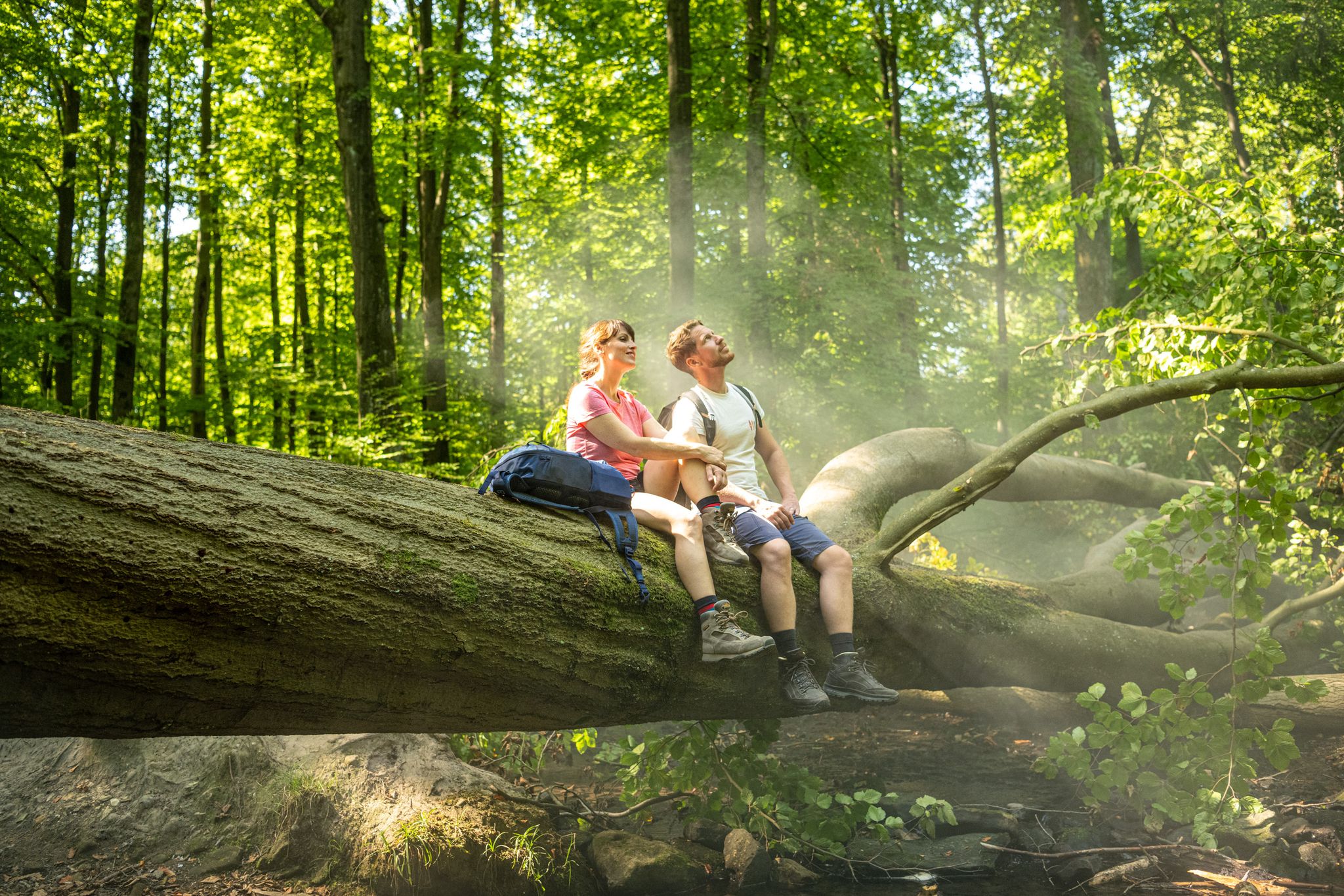
Discover pure nature – Germany’s Teutoburg Forest trails
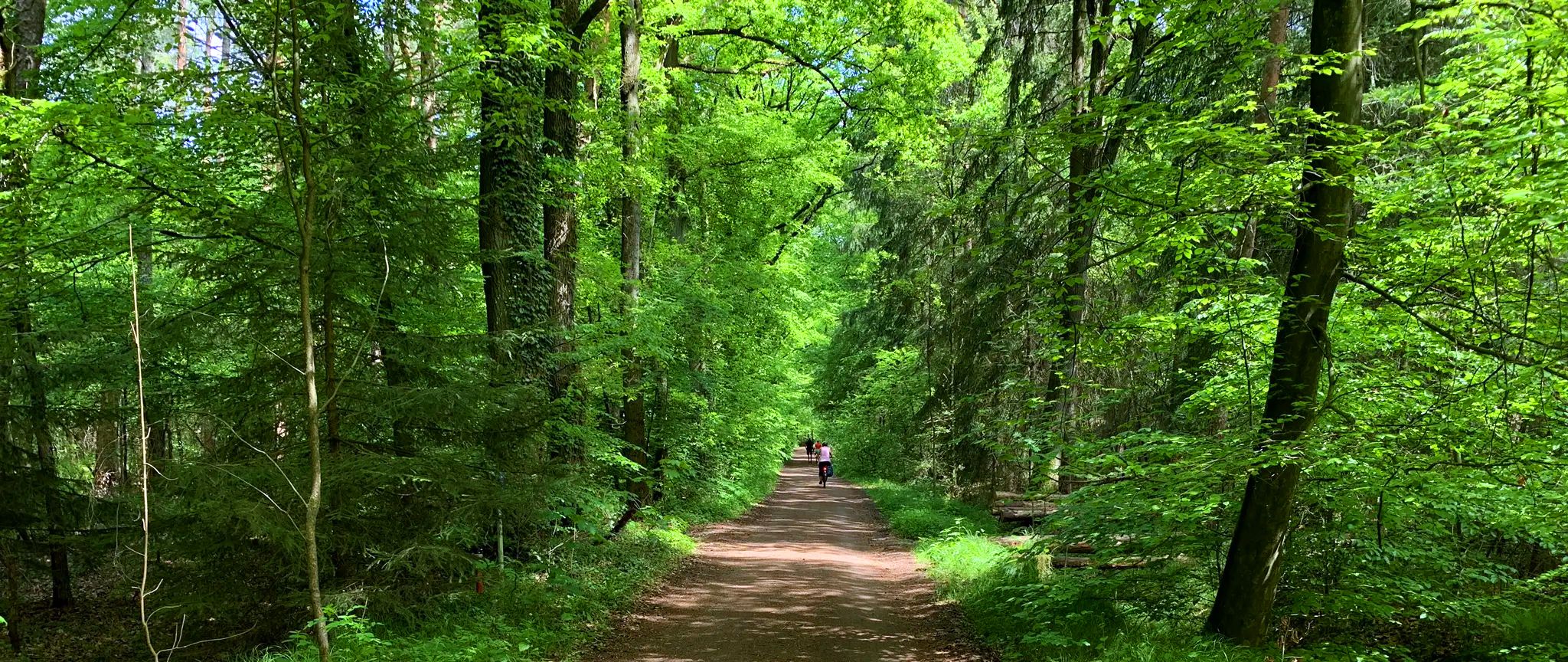
Cycling the BikeTrainTour Teuto-Senne from Osnabrück to Paderborn
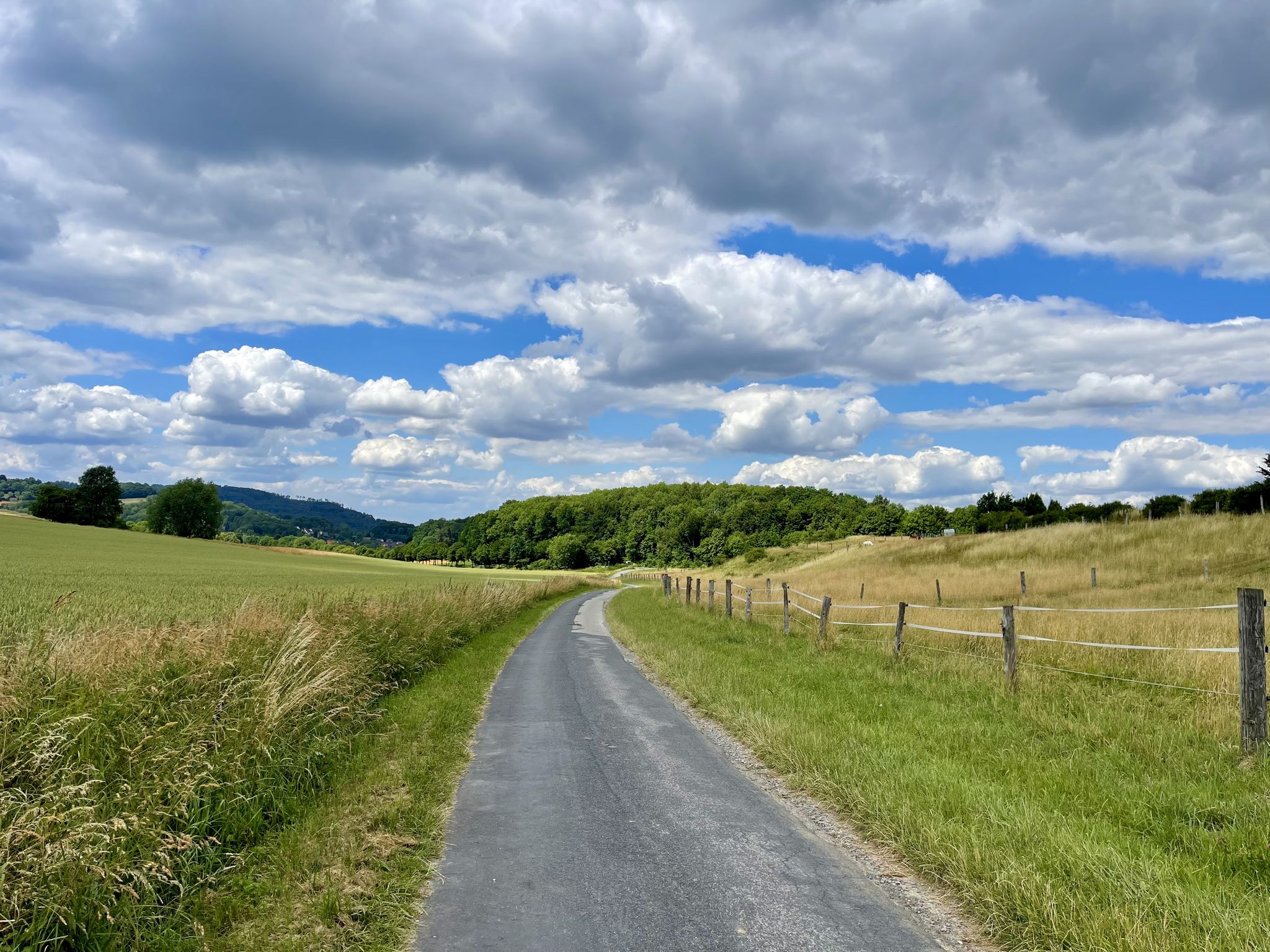
D-Route 3: European Route R1
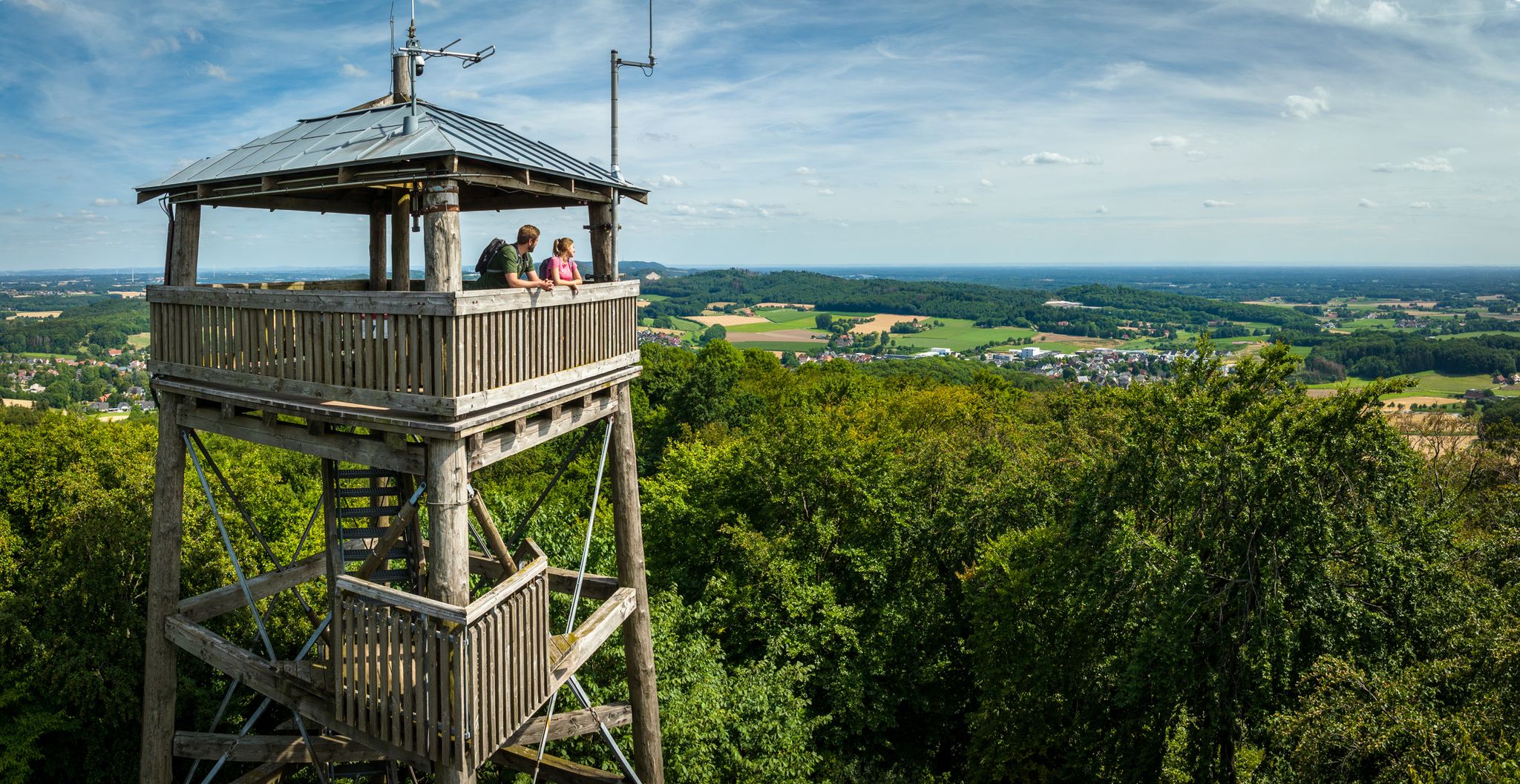
Grüne Wege statt Rote Ampeln – Aktive Auszeit im Teutoburger Wald
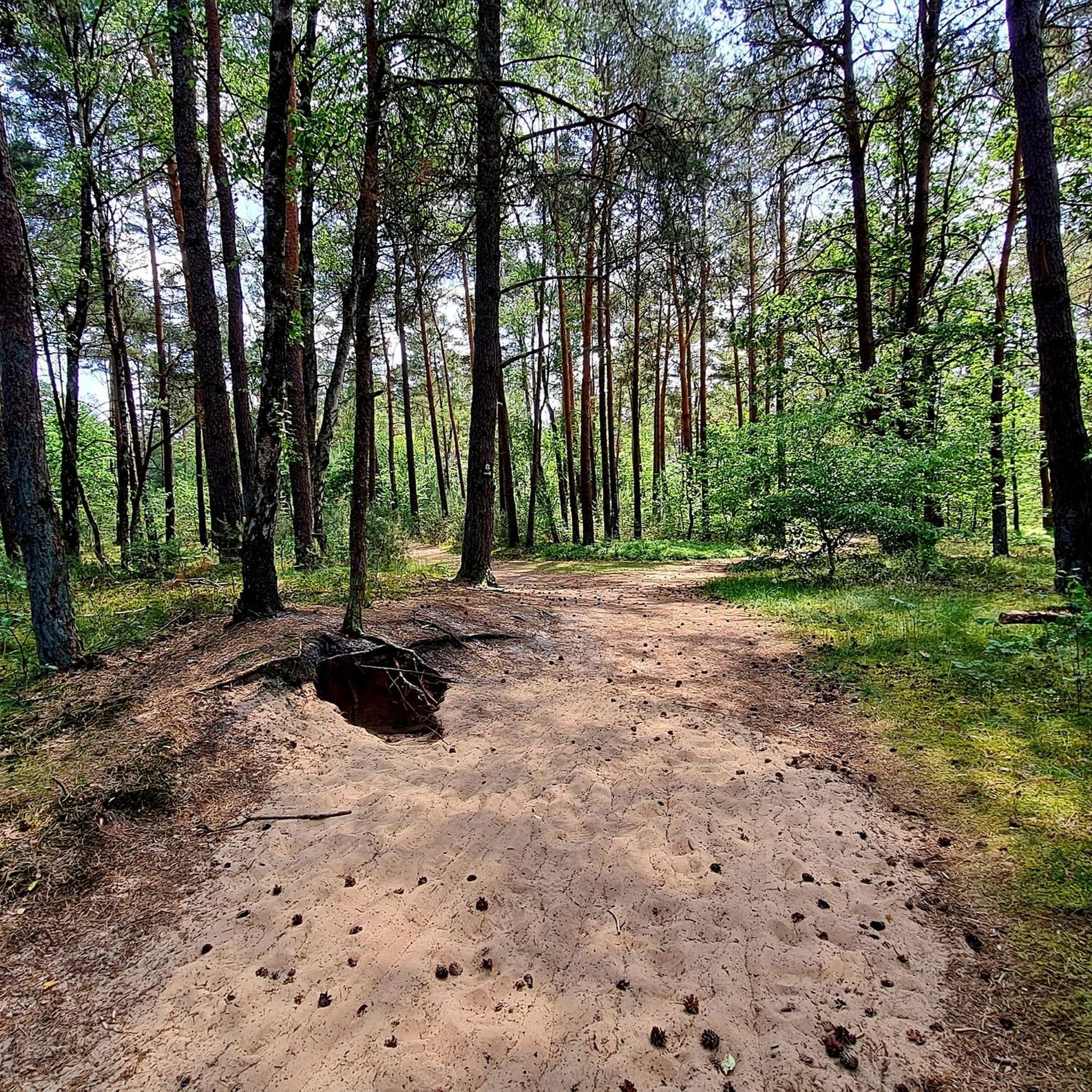
Hiking around Schloß Holte-Stukenbrock
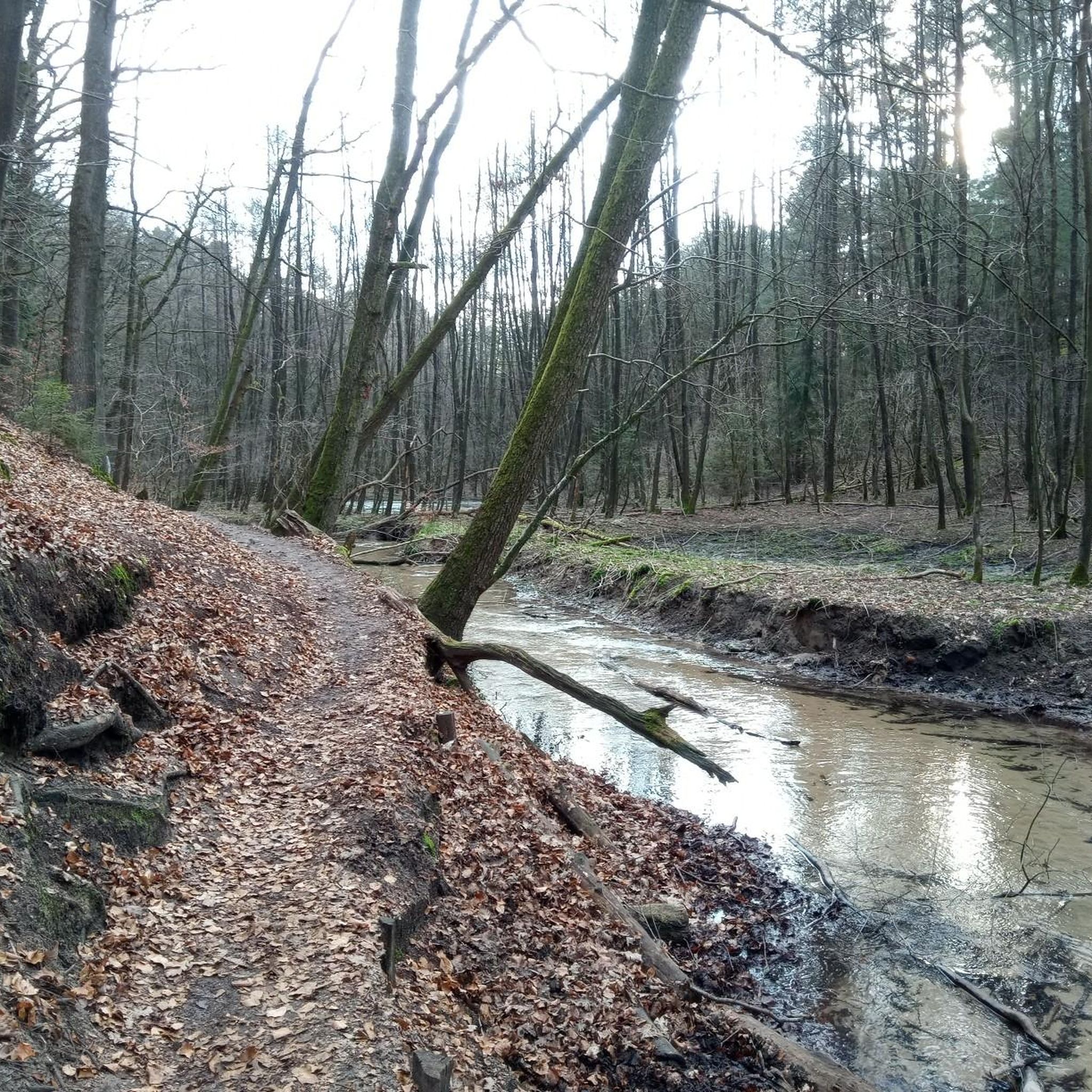
Cycling around Schloß Holte-Stukenbrock
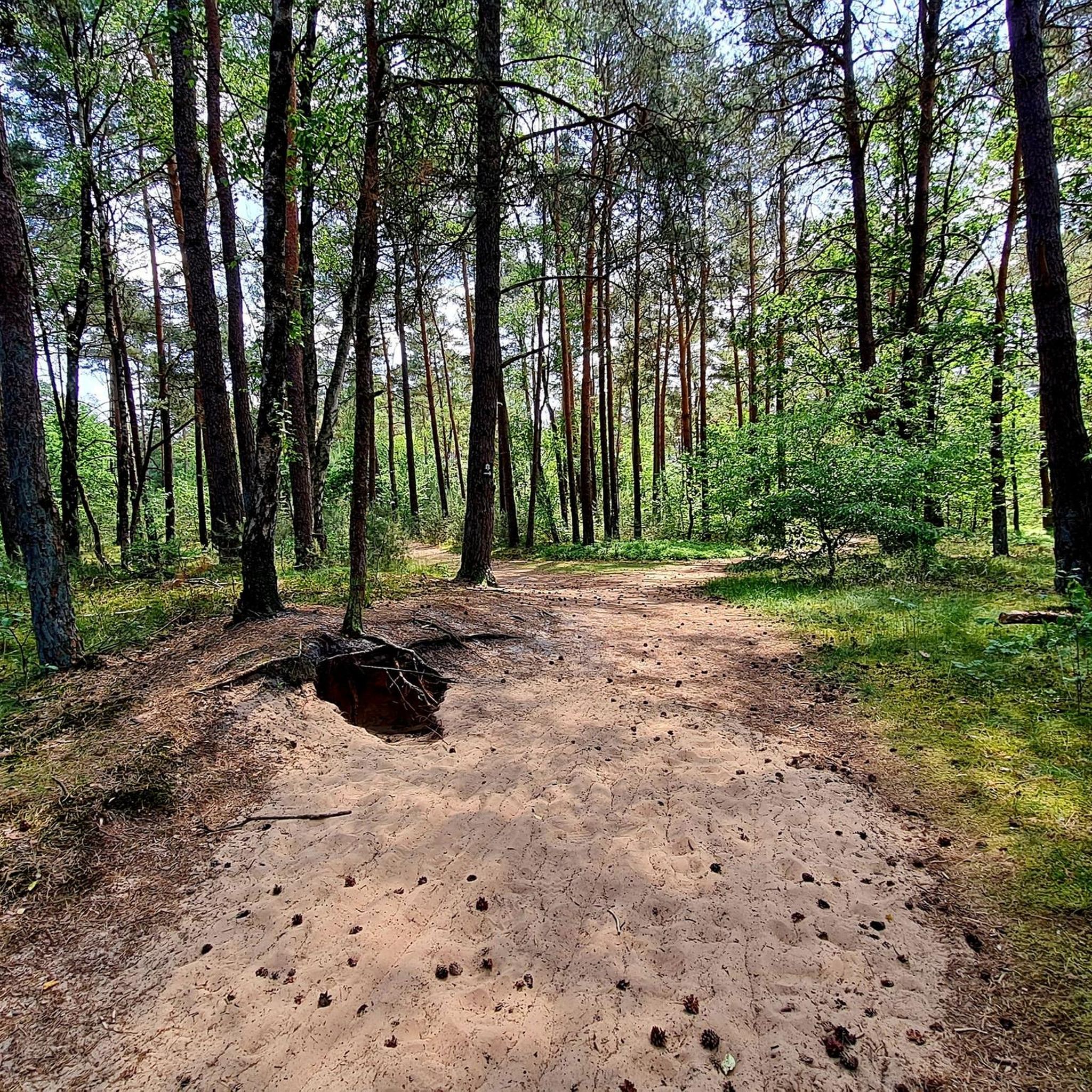
Road Cycling Routes around Schloß Holte-Stukenbrock
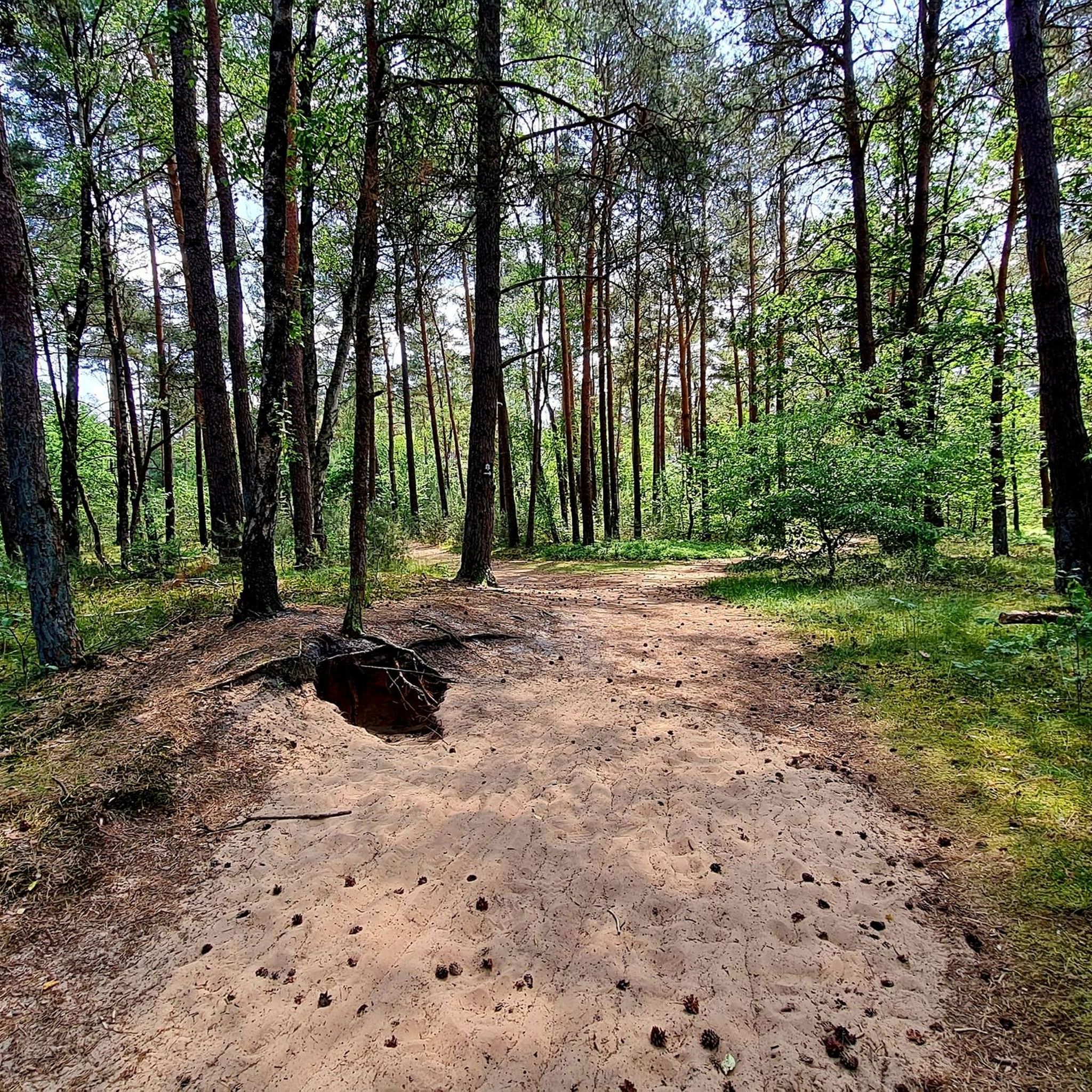
MTB Trails around Schloß Holte-Stukenbrock
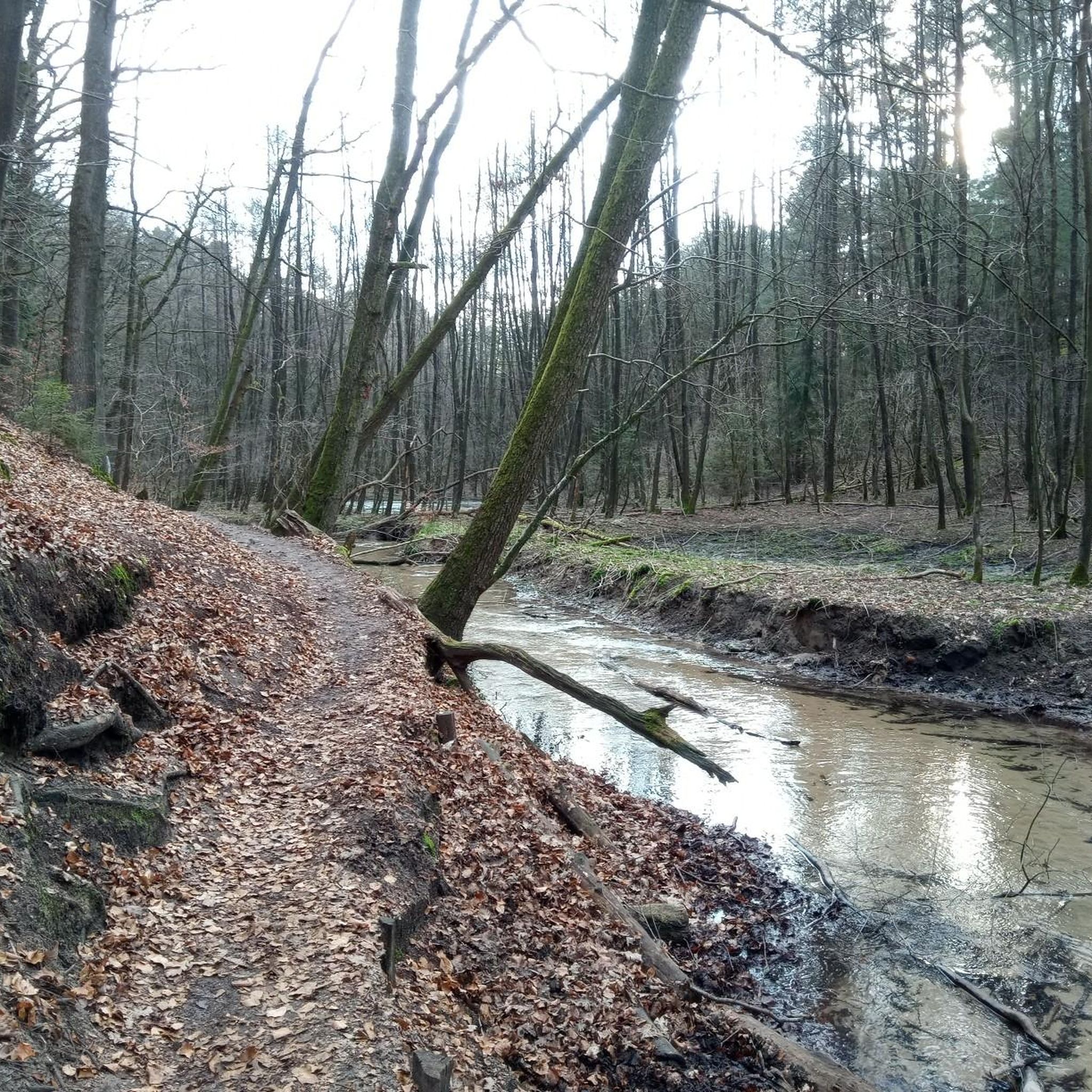
Running Trails around Schloß Holte-Stukenbrock
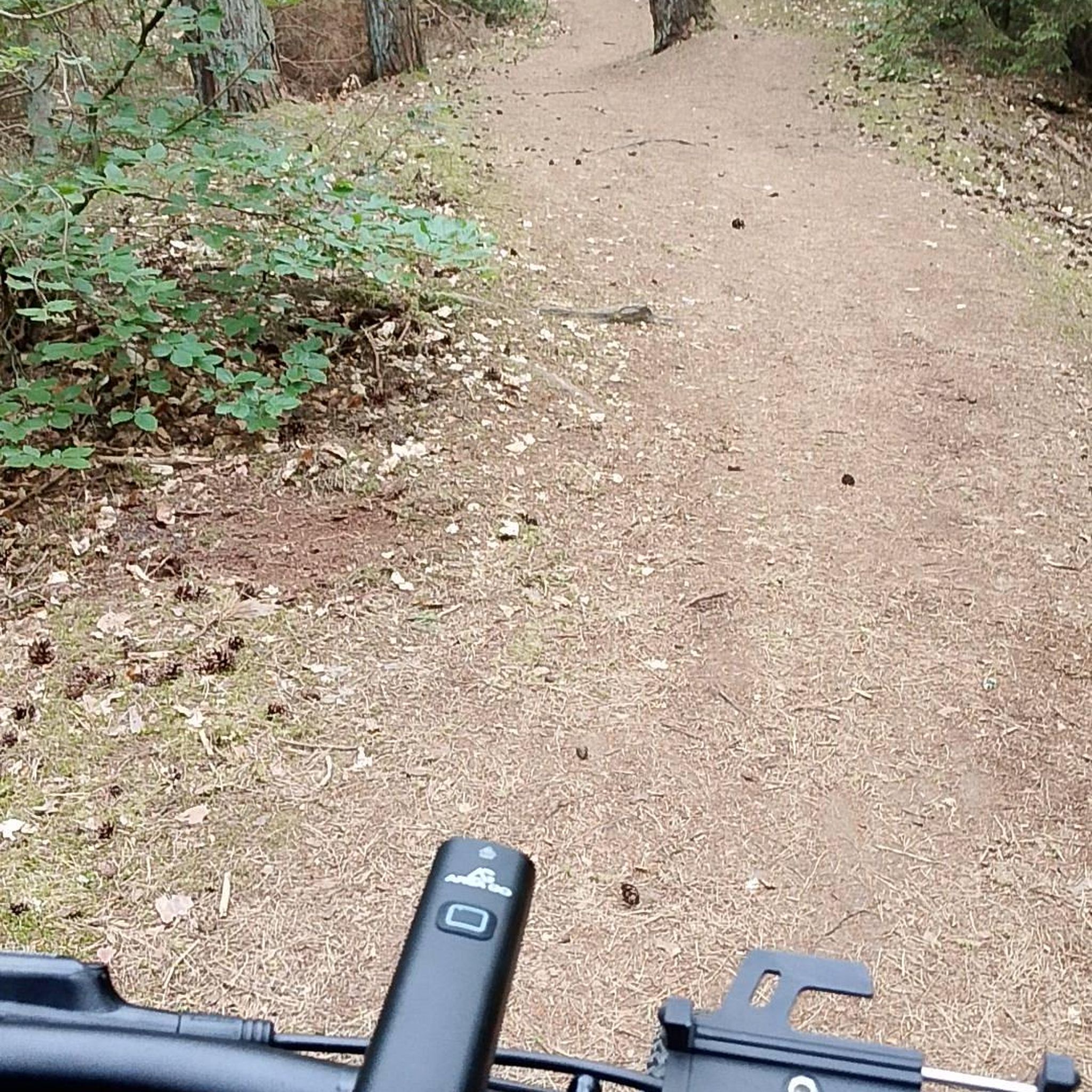
Gravel biking around Schloß Holte-Stukenbrock
Other adventures around Schloß Holte-Stukenbrock


Tips from the Community

The Ölbachtal is a 169-hectare nature reserve in the Senne region of North Rhine-Westphalia. 168 hectares of the area, managed under object ID LIP-002, lie within the municipal areas of Schloss Holte-Stukenbrock. Very good for hiking and cycling.
0
0

A ruin. You can look at it, but you can also walk past it.
2
0

The former hunting lodge of Prince-Bishop Dietrich Adolph von der Recke is a listed building and is now owned by the Catholic parish of St. Johannes Nepomuk. The historic half-timbered building is now a Hövelhof landmark and a popular photo backdrop. The castle gardens are a great place to linger. The Hövelhof Tourist Information and the Ems Cycle Path office are located in the adjacent building.
4
0

The Kohlstädt castle ruins, also known as the Kleine Herrenburg, are a historical monument that were probably built between the 11th and 12th centuries. It is located in the southern Teutoburg Forest, more precisely in the Lippe town of Kohlstädt in the municipality of Schwerte, near the banks of the Strothe stream. The ruin stands today as evidence of various uses over the centuries, including practical applications such as an iron smelter or a lime kiln, but also mythical interpretations such as a pagan church from pre-Christian times or a tower of the Veleda. In 1704, treasure diggers who searched the site for hidden treasures using special rituals were punished. Historically, the castle served as a customs and supply station that protected and controlled the pass over the Kleine Egge and the crossing point on Sennehellweg. The architectural remains of the castle show sturdy, almost 2.40 meter thick masonry with defensive slots that were typical of the time. The walls were built using a special technique called fake herringbone pattern. Remains of the square defensive tower, which led to the upper floors via a spiral staircase, are still visible today. In addition, the foundations of an outbuilding attached to the tower have been preserved. Kohlstädt Castle was built as an early medieval tower castle on an artificially raised hill. The approximately square residential tower originally had sides of around 12 meters and walls that were 2.40 meters thick. A large living area with a hearth was attached to the residential tower. The castle's function as a pass barrier over the Egge Mountains was taken over by the larger castles Horn and Falkenburg in the 14th century, after which the complex was abandoned. Today the ruin is not open to entry due to its dilapidation, but viewing from the outside is possible without restrictions and free of charge. The castle is located on Lippspringer Straße and is easily accessible for those interested via the B1 from Paderborn towards Detmold.
1
0

Shady bike path on the Ölbach, easy to drive.
2
0

The Holter Forest is always easy to navigate on the wide paths.
7
0

From here you have a great view of the Hermannsdenkmal
15
0

The section through the Holter Forest to the 1000-year-old oak is beautifully embedded in the nature. At the end there is a photo motif: the moated castle in the Holter Forest
9
0
Frequently Asked Questions
What are the main castles to explore around Schloß Holte-Stukenbrock?
The region offers a variety of historical sites. Key castles include The Falkenburg, a significant castle ruin, and Holte Castle, a picturesque baroque water castle. You can also discover the Kohlstädt Castle Ruins and the Hövelhof Hunting Lodge.
Can I visit the interior of Schloss Holte?
No, Holte Castle is privately owned and its buildings and park are not open to the public. However, its exterior, a beautiful 17th-century baroque water castle, can be viewed from afar, offering a picturesque sight, especially when reflected in the moat.
What makes The Falkenburg a significant historical site?
The Falkenburg is a castle ruin built from 1194 on a strategically favorable hilltop. It was once one of the largest medieval dynastic castles in Westphalia and served as a seat of power in Lippe. After extensive restoration, its impressive walls and layout are now more visible, revealing secrets that were hidden underground for centuries. Tours are often required for visiting.
Are there any castle ruins accessible for viewing?
Yes, the Kohlstädt Castle Ruins, also known as the "Little Herrenburg," are a historical monument likely built between the 11th and 12th centuries. While entry to the ruin itself is not possible due to its condition, viewing from the outside is unrestricted and free of charge. You can also explore the remnants of the Oesterholz Hunting Lodge, which was once a large complex with a moat.
What outdoor activities can I do near these castles?
The area around Schloß Holte-Stukenbrock offers various outdoor activities. You can find numerous MTB trails, running trails, and gravel biking routes. Many of these routes pass by or are close to the historical sites, allowing you to combine your visit with an active outdoor experience.
Are there family-friendly castles or historical sites in the area?
Yes, several sites are considered family-friendly. The Hövelhof Hunting Lodge, with its elaborately restored building and adjacent park, is a great place for families to linger. The Holte Castle, though not publicly accessible, offers a picturesque exterior view that can be enjoyed by all ages. The Kohlstädt Castle Ruins are also accessible for viewing from the outside, making for an interesting historical stop.
What do visitors enjoy most about the castles around Schloß Holte-Stukenbrock?
Visitors appreciate the rich history and architectural beauty of the castles. Many enjoy the picturesque settings, such as Holte Castle's reflection in its moat. The extensive restoration work at The Falkenburg has also been highly praised, allowing visitors to explore the impressive scale of the former fortress. The community has contributed over 3300 upvotes and 3900 photos, highlighting the visual appeal and historical significance of these sites.
Is there parking available at the castles?
For Kohlstädt Castle Ruins, it is located on Lippspringer Straße and is easily accessible, suggesting nearby parking options. For Holte Castle, as it is privately owned and not open to the public, there is no designated visitor parking. For other sites, it's advisable to check local signage or tourist information for specific parking facilities.
What is the best time of year to visit the castles in this region?
The castles and their surrounding landscapes are enjoyable throughout the year. Spring and autumn offer pleasant temperatures for exploring the outdoor ruins and parks, with vibrant foliage. Summer provides longer daylight hours, ideal for combining castle visits with hiking or cycling. Even in winter, the baroque water castle Holte Castle can be quite picturesque, especially if there's snow.
Are any of the castle trails or areas dog-friendly?
While specific dog-friendly policies for each castle's immediate grounds are not detailed, the surrounding natural areas and many hiking trails are generally welcoming to dogs. For example, the running trails and MTB trails near the castles are often suitable for walks with leashed dogs. Always ensure to follow local regulations regarding pets.
How can I reach the castles using public transport?
Information on public transport directly to each castle is limited. However, Schloß Holte-Stukenbrock itself has public transport connections. For sites like Schloss Holte, which is within the town, local buses might be an option. For more remote ruins like Kohlstädt Castle Ruins, which is on Lippspringer Straße, regional bus services might be available. It's recommended to check local bus schedules for the most up-to-date information.
Are there cafes or places to eat near the castles?
While specific cafes directly adjacent to every castle are not listed, the town of Schloß Holte-Stukenbrock and nearby villages offer various dining options. For instance, around the Hövelhof Hunting Lodge, there are a few cafés ideal for a short break. Exploring the local towns will provide choices for refreshments and meals.
Most popular routes around Schloß Holte-Stukenbrock
Most popular attractions around Schloß Holte-Stukenbrock

Get inspired with the komoot mobile app


Explore more
Looking for the best castles somewhere else? Discover other guides around Schloß Holte-Stukenbrock:
