The best road cycling routes around Cartaxo e Vale da Pinta e Vale da Pinta e Vale da Pinta
4.5
(15)
480
riders
22
rides
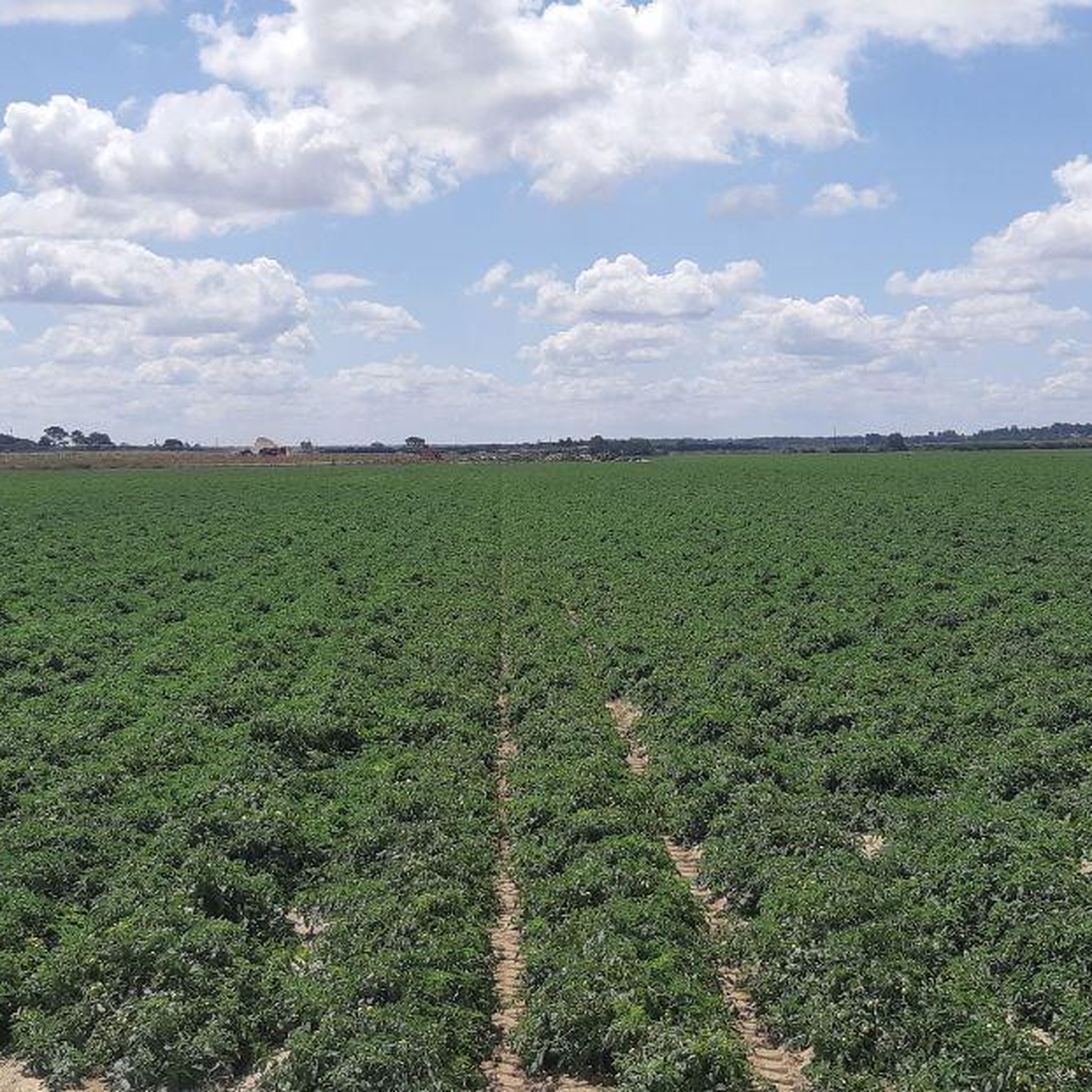
Road cycling routes around Cartaxo e Vale da Pinta e Vale da Pinta e Vale da Pinta traverse a landscape characterized by fertile plains, extensive vineyards, and gentle undulations. The region is bordered by the Tagus River, offering riverside paths and views. This area provides a blend of agricultural scenery and historical landmarks, suitable for varied road cycling experiences.
Best road cycling routes around Cartaxo e Vale da Pinta e Vale da Pinta e Vale da Pinta
- The most popular…
Last updated: July 8, 2026
30
riders
Easy road ride. Great for any fitness level. Mostly well-paved surfaces and easy to ride.
4.5
(2)
32
riders
49.3km
02:03
190m
190m
Moderate road ride. Good fitness required. Some segments of this route may be unpaved and difficult to ride.

Sign up for free
29
riders
78.9km
03:20
490m
490m
Moderate road ride. Good fitness required. Some segments of this route may be unpaved and difficult to ride.
4.5
(2)
24
riders
27.6km
01:08
130m
130m
Moderate road ride. Great for any fitness level. Some segments of this route may be unpaved and difficult to ride.
17
riders
111km
04:50
930m
930m
Hard road ride. Very good fitness required. Mostly well-paved surfaces and easy to ride.
Get access to more routes and recommendations from other explorers.
Sign up for free
Already have an account?
Our route recommendations are based on thousands of hikes, rides, and runs completed by other people on komoot.
Start today with a free account
Your next adventure awaits.
Login or Signup
Popular around Cartaxo e Vale da Pinta e Vale da Pinta e Vale da Pinta

Tips from the Community

Ride on the path dedicated for bikes. The road isn’t suitable for bikes, rough and slippery.
1
0

Watch out it can be slippery
1
0

publication of the royal charter of 26 July 1811, which, in order to mitigate the devastating effects of the French invasions, prescribed, among many other measures, the distribution of seeds to farmers in order to re-establish cereal production. The Real Celeiro was active for over sixty years, between 1812 and 1873, but, quoting Guilherme Henriques, “it died, like all good institutions, annihilated by abuses”. The City Council now holds the archive of the old Celeiro, which, although not very voluminous, nevertheless allows us to reconstruct almost the entire history of this important local institution of the 19th century. Commissioned to be rebuilt by the Municipality of Alenquer in 2002, it opened its doors as the Wine Museum and headquarters of the Lisbon Wine Route in 2006. Its interior was remodeled and its museology project renewed at the end of 2018, and it reopened its doors to visitors in February 2019. (Source: www.alenquer.pt)
10
0

Santarem has been Portuguese since 1147 and, with an old town center of almost 2 square kilometers, is one of the largest in the country. The city may be a little old, but it is definitely worth a visit.
24
1

The area of the springs, on the Ota River, was once a leisure area for the local population, including the local bathing area in the summer. This site remained natural for a long time after the EPAL was installed, but at a certain point, the intensification of agriculture with the use of chemical fertilizers and pesticides, intensive livestock farming, and urban sewage made the flow from upstream a polluting threat to EPAL's water intakes, and EPAL paved several dozen meters of the river course near the site where it is installed with reinforced concrete.
1
0
Operating since April 2006 in a 19th-century building, the Wine Museum exhibits, offers tastings and allows the purchase of the best wines from the region. Around 20 producers from the Lisbon Wine Routes Association are represented.
5
0
Museum established in 2006 and remodeled in 2018, where the stories of 40 wine producers from the municipality of Alenquer are represented. Occupying the space of the old public barn where the seeds of the region's farmers were stored, the institution seeks to provide visitors with an excellent experience in paying homage to wine. Source: www.freguesiaalenquer.pt
12
0
Building dates from the 1930s and has 63 decorative wall tiles with various themes such as grain harvest, livestock market or horse breeding. Still used for the weekly market.
24
2
Frequently Asked Questions
How many road cycling routes are available in Cartaxo e Vale da Pinta?
There are over 20 road cycling routes around Cartaxo e Vale da Pinta, offering a variety of experiences. These include 6 easy routes, 12 moderate routes, and 4 difficult routes, catering to different skill levels.
What kind of terrain can I expect on road cycling routes in this region?
The region offers diverse terrain, transitioning from fertile plains and extensive vineyards to gentle undulations. You'll find routes along the Tagus River, through agricultural landscapes, and past historical sites. This blend provides a dynamic and engaging cycling experience.
Are there road cycling routes suitable for beginners or families?
Yes, there are several routes suitable for beginners and families. The area features 6 easy road cycling routes, which typically involve less elevation gain and shorter distances, making them ideal for a relaxed ride. For example, the Valada and the river loop from Cartaxo is a moderate option that offers pleasant riverside scenery.
What notable landmarks or natural features can I see along the road cycling routes?
You can explore a rich array of landmarks and natural features. Highlights include the unique Ponte Rainha D. Amélia, an old railway bridge converted for road use, and the historic Roman Bridge of Muge. You might also pass by the impressive Pina Manique Palace or the charming Valada Village, known for its river beach and picnic spots.
Are there challenging road cycling routes for experienced cyclists?
Yes, for experienced cyclists seeking a challenge, there are 4 difficult routes available. These routes typically feature significant elevation changes and longer distances. An example is the Alenquer Wine Museum – Alenquer loop from Santana-Cartaxo, which covers over 111 km with substantial climbing.
What is the best time of year to go road cycling in Cartaxo e Vale da Pinta?
The region is popular for cycling during January and March, suggesting pleasant conditions outside the peak summer heat. Generally, spring and autumn offer mild temperatures and beautiful scenery, making them ideal for road cycling. Summer can be hot, while winter might bring cooler, wetter weather.
Can I find circular road cycling routes in the area?
Yes, many of the road cycling routes in Cartaxo e Vale da Pinta are designed as loops, allowing you to start and finish at the same point. Examples include the popular Ponte D. Luís I of Santarém – Ponte Rainha D. Amélia loop from Santana-Cartaxo and the Mata Nacional das Virtudes – Eucalipto loop from Cartaxo.
What are the road surfaces like on the cycling routes?
The road cycling routes primarily utilize paved surfaces, offering a smooth experience for road bikes. While the region is known for its agricultural plains and vineyards, the routes are selected to provide suitable conditions for road cyclists. However, as with any area, occasional variations in surface quality may occur.
Are there long-distance road cycling options available?
Yes, the region offers several long-distance road cycling routes. For instance, the Ota River – Alenquer Wine Museum loop from Cartaxo is nearly 79 km long, and the Alenquer Wine Museum – Alenquer loop from Santana-Cartaxo extends over 111 km, providing ample opportunity for longer rides.
Where can I park my car when starting a road cycling route?
Starting points for many routes are often in or near towns like Cartaxo and Santana-Cartaxo. These areas typically offer public parking facilities. For specific routes, checking the komoot tour details can often provide information on recommended starting points and potential parking options.
What do other road cyclists enjoy most about cycling in Cartaxo e Vale da Pinta?
The area is highly rated by the komoot community, with an average score of 4.0 stars from over 5 reviews. Cyclists often praise the varied terrain, which includes scenic vineyards, riverside paths, and gentle hills, as well as the opportunity to explore historical landmarks and the unique experience of crossing bridges like the Rainha D. Amélia.
Are there places to stop for refreshments or accommodation along the routes?
Given the region's agricultural focus and proximity to towns, you'll find opportunities for refreshments. Cartaxo is known as the 'Wine Capital' of Ribatejo, so expect local cafes and possibly wineries. Valada Village, with its river beach, also offers picnic spots and camping facilities. For accommodation, towns within the region provide various options.
Most popular routes around Cartaxo e Vale da Pinta e Vale da Pinta e Vale da Pinta
Most popular attractions around Cartaxo e Vale da Pinta e Vale da Pinta e Vale da Pinta

Get inspired with the komoot mobile app


Explore more
Browse the best Road cycling routes in other regions.
