The 11 Most Amazing Peaks around Birresborn
Best mountain peaks around Birresborn are found in Germany's Volcanic Eifel region, characterized by its unique geological formations and historical sites. This area features several notable peaks, including extinct volcanoes and basalt cones, offering diverse natural beauty. The landscape provides opportunities for hiking and exploring the region's volcanic past. Many peaks hold geological significance and historical relevance, making them appealing for outdoor enthusiasts.
Best mountain peaks around Birresborn
- The most popular mountain peaks is Freudenkoppe Castle Ruins, a castle…
Last updated: October 4, 2026
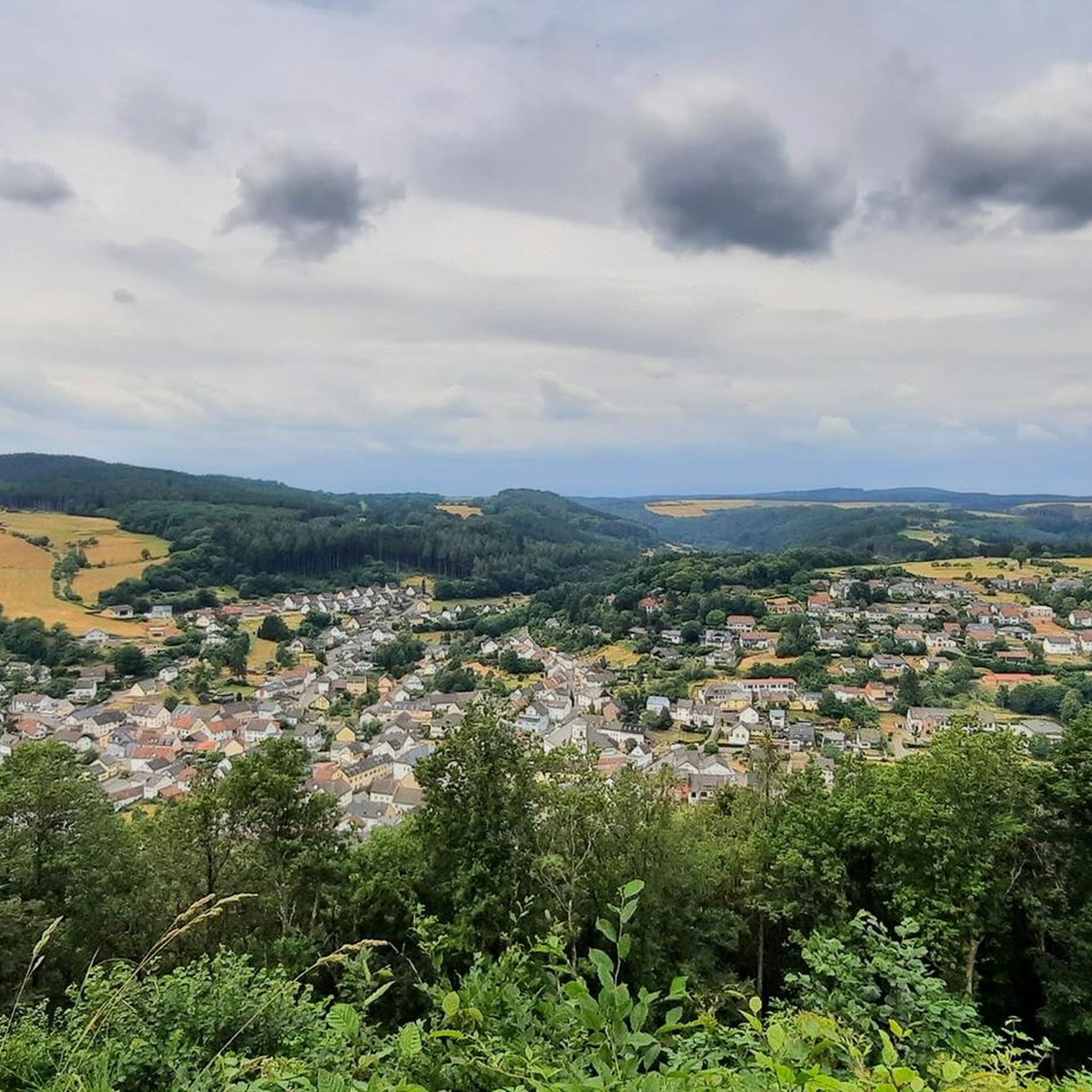
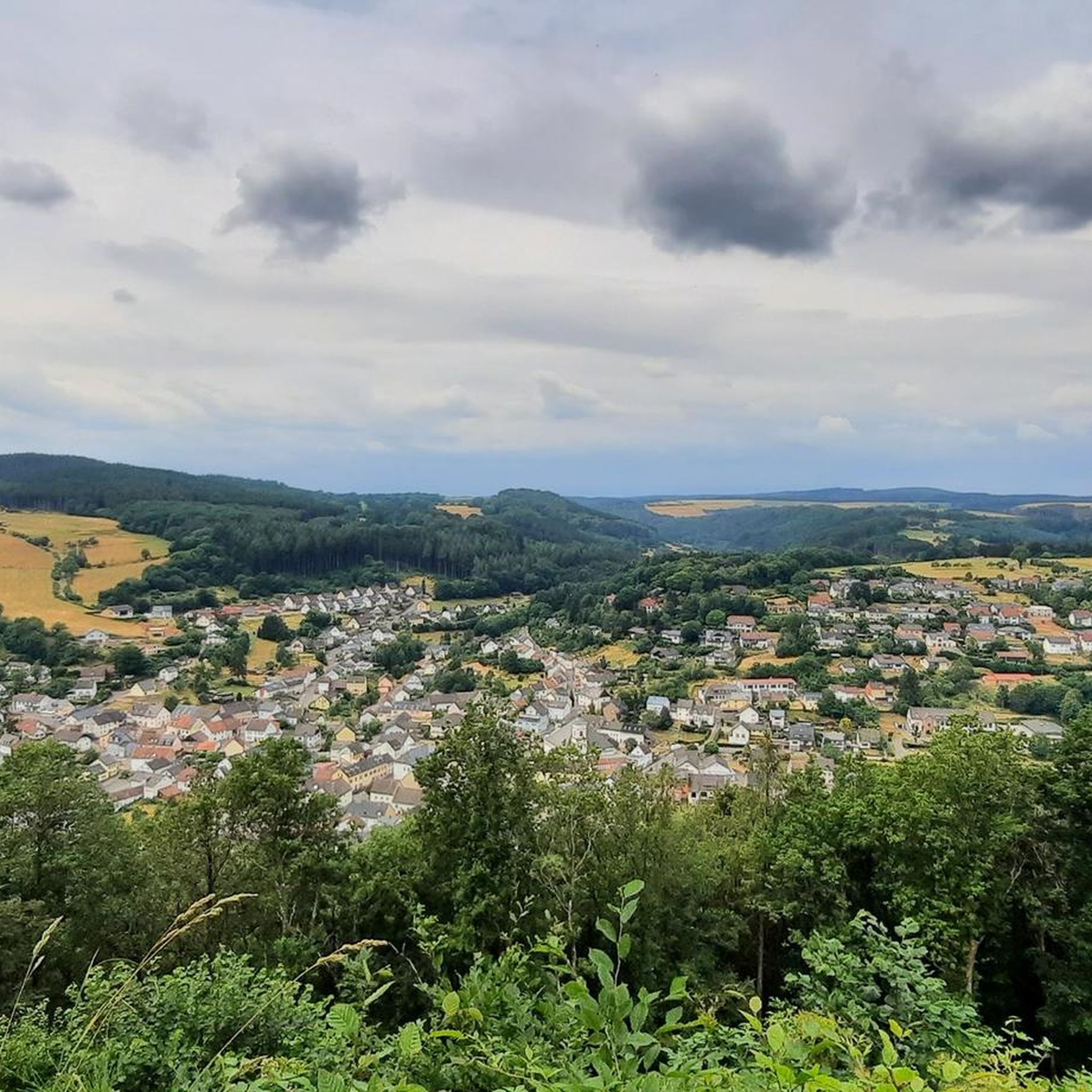
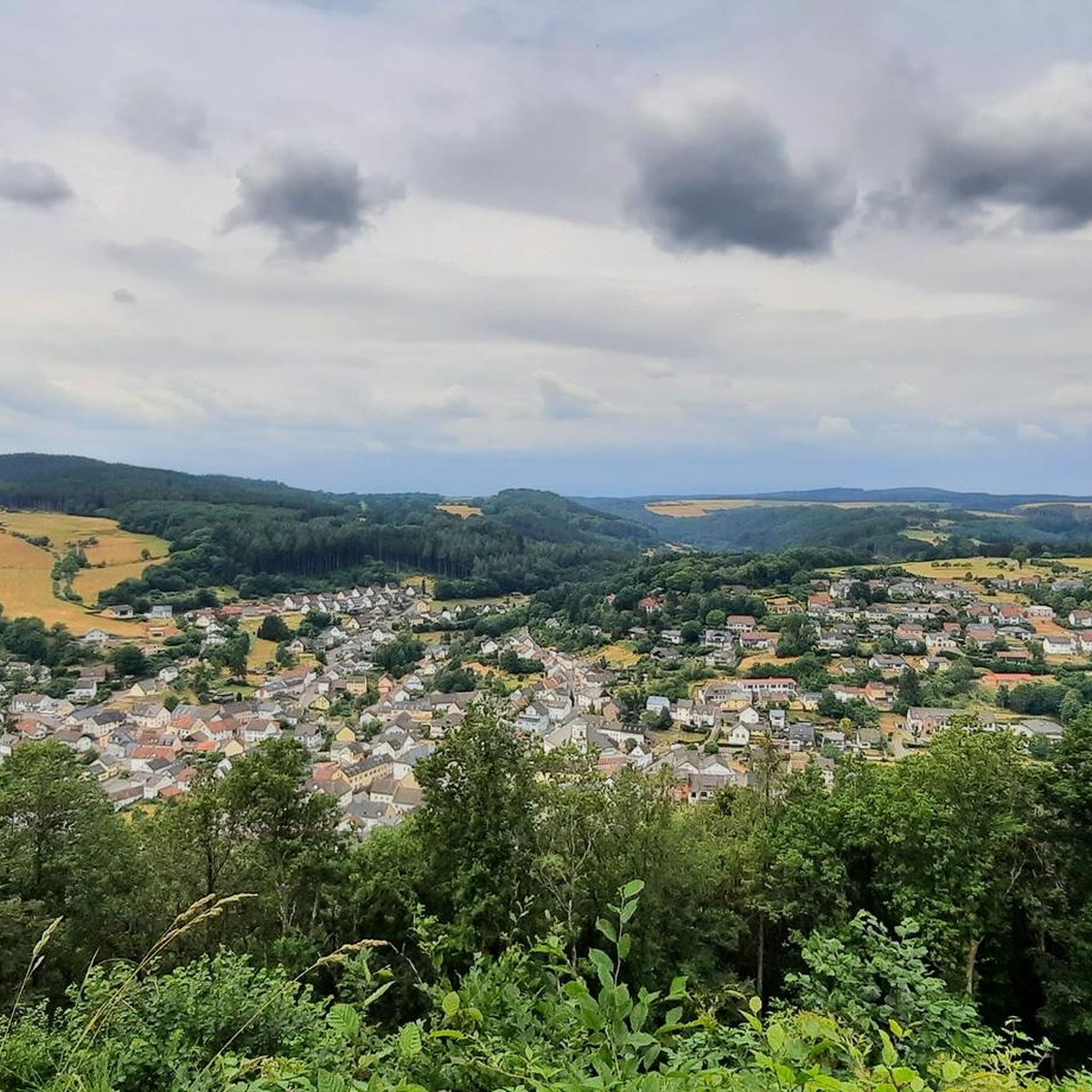
View of Gerolstein from the Munterley
Highlight • Viewpoint
Translated by Google •
Tip by

Millstone Cave at Nerother Kopf
Highlight • Cave
The millstone cave consists of lava boards and is an artificial cave in the Vulkaneifel, Rhineland-Palatinate. It was created by the production of …
Translated by Google •
Tip by

Sign up now to discover places like this
Get recommendations on the best single tracks, peaks, & plenty of other exciting outdoor places.
Freudenkoppe Castle Ruins
Highlight • Castle
Translated by Google •
Tip by
Dietzenley Observation Tower
Highlight • Viewpoint
Translated by Google •
Tip by

Ernstberg
Highlight • Volcano
Translated by Google •
Tip by

Sign up for free to discover even more peaks around Birresborn.
Already have an account?
Start today with a free account
Your next adventure awaits.

Tips from the Community

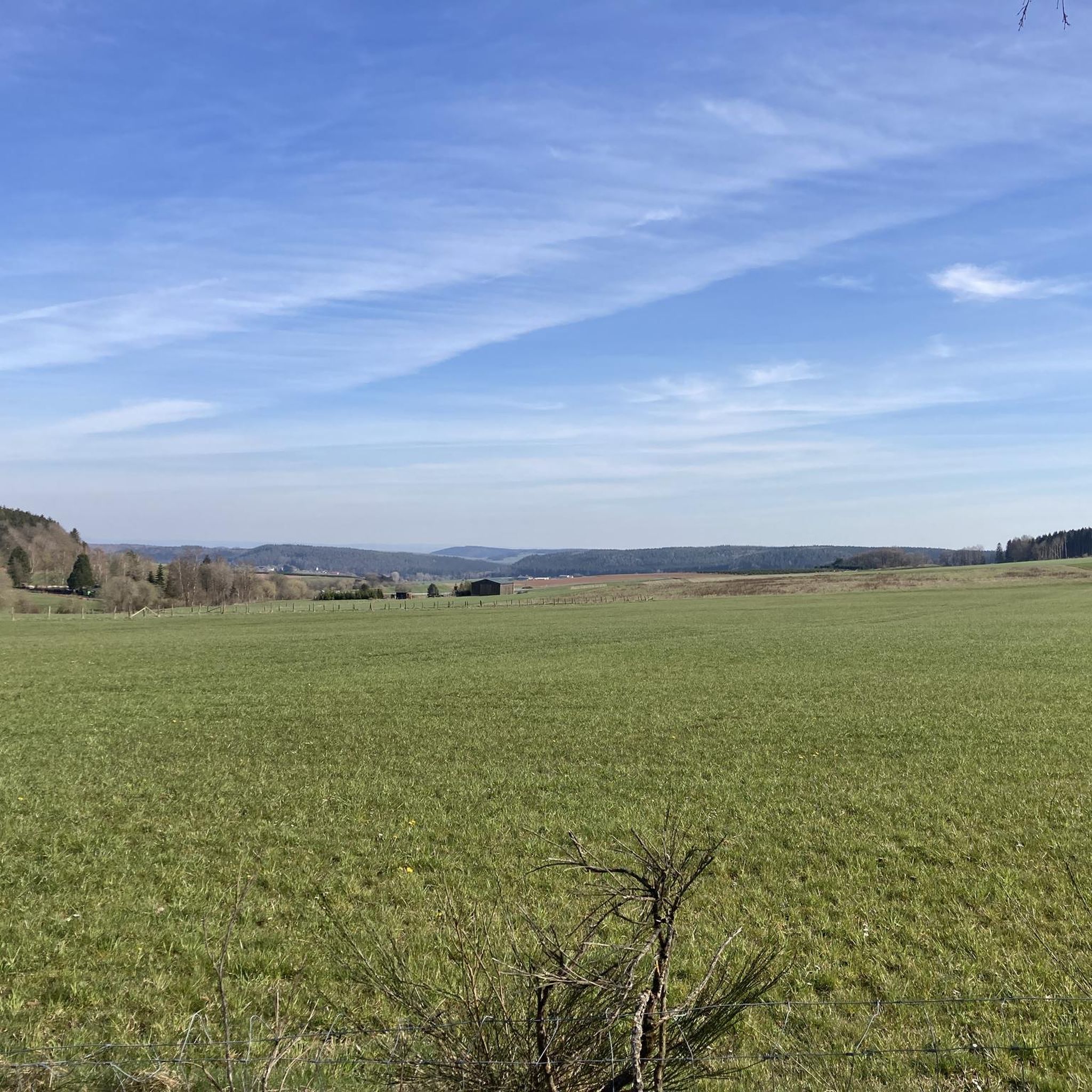
The 699 meter high Ernstberg is the highest elevation in the Eifel after the Hohe Acht. Since the summit is covered in forest, you unfortunately don't have a clear view of the surrounding landscape of the Volcanic Eifel from up here. About 500 meters away and about 60 meters lower is the Eifel-Blick Ernstberg, which offers us a wonderful panorama in clear weather.
3
1
The Ernstberg is an old Pleistocene stratovolcano with a distinctive ring-shaped arrangement of welding slag and basalt deposits. Its summit consists of welding slag, which builds up a crater wall that is open to the east. This is where the basalt masses flowed out, forming a semicircle on the eastern slope of the mountain; from the Middle Ages until around 1930, millstones were quarried at the foot of the mountain. Source: Wikipedia
4
0
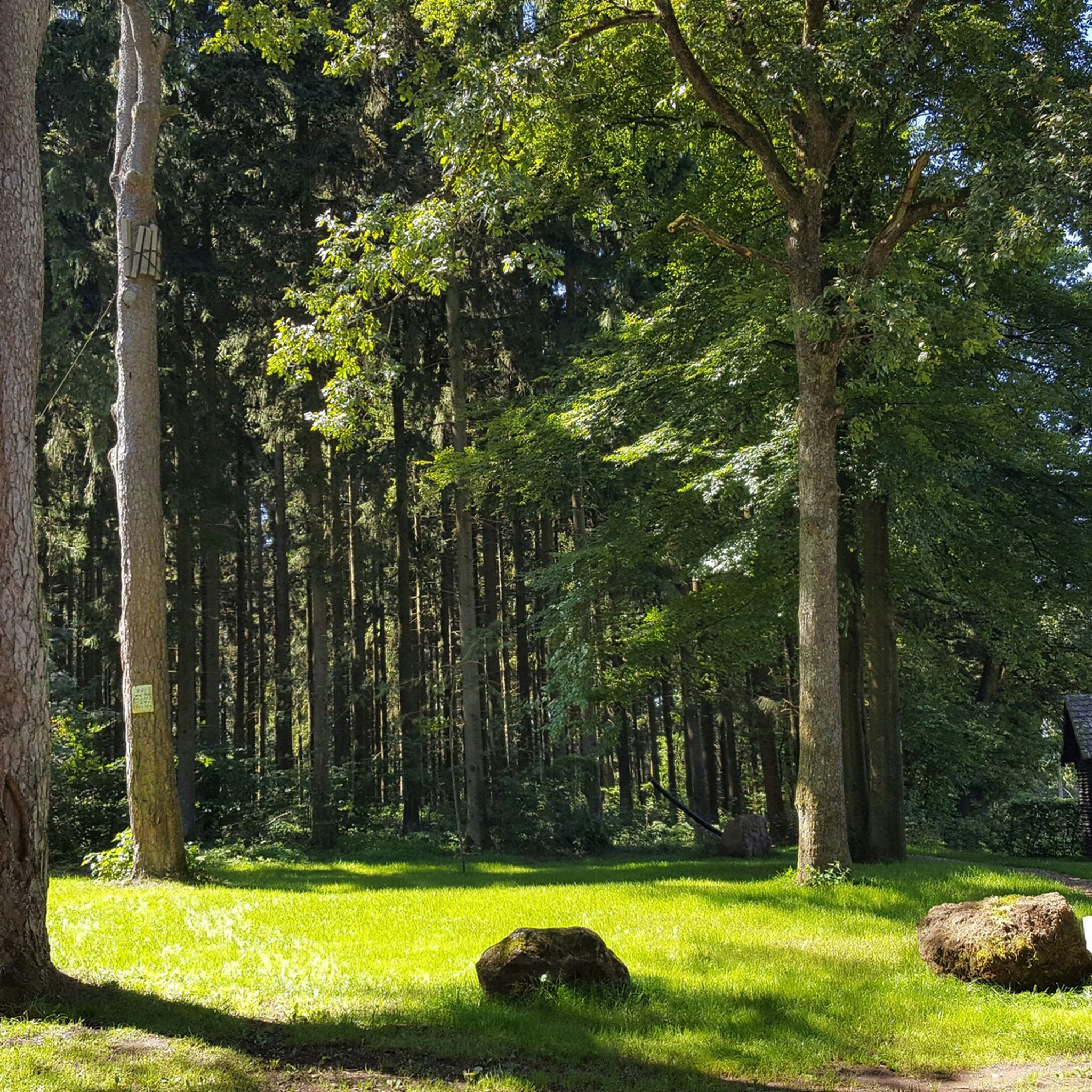
After the climb to the summit of the Ernstberg, the benches offer a well-deserved breather.
3
0

Strenuous climb to a lot of rocks in the forest, a beautiful piece of unspoilt nature.
2
0

The steep climb to the castle is quite difficult. A real calf biter! But once at the top you forget it all. Beautiful ruin and the cave is more than worth it.
5
0

For Ernstberg see https://de.m.wikipedia.org/wiki/Ernstberg
4
1

"With an area of approx. 102 hectares, the area around the Gerolsteiner Dolomites has been a nature reserve since 1990. + occurring animal species: bat + occurring plant species: juniper, orchids, character plants calcareous grassland, grove rush-beech forest, woodruff-beech forest, orchid-limestone-beech forest Around 380 million years ago there was a warm, subtropical shallow sea here, in which mighty reefs of stromatopores - relatives of sponges - and corals formed. After the dolomitization, sinking and folding of the rocks, the Devonian deposits were lifted out again. Today's Gerolsteiner Dolomites were formed, which rise steeply above the Kylltal north of the center of Gerolstein. The rocks "Hustley", "Munterley", "Drohende Ley", "Große Kanzel" and "Auberg" characterize the cityscape from afar and form the landmark of Gerolstein. The most famous summit of the Gerolsteiner Dolomites is the "Munterley" - with a height of 482 meters - and offers a breathtaking view over Gerolstein, the Kylltal and far into the Vulkaneifel. Stone Age people, who settled here 30,000 years ago, obviously enjoyed this view, as evidenced by stone tools and bones found at the nearby Buchenloch Cave. Visiting the Gerolsteiner Dolomites can be perfectly combined with hiking the Felsenpfad - the northern part of the "Gerolsteiner Dolomiten Acht". The almost eight-kilometer round tour offers many magical places and geological traces." https://www.eifel.info/a-gerolsteiner-dolomites
10
0

Very well preserved ruin. Exploring them with children is a very special experience. Especially nice in late spring when the trees all around are fresh green.
8
0
Frequently Asked Questions
What unique geological features can I explore around Birresborn's mountain peaks?
The region is rich in volcanic geology. You can find dense columnar basalt and porous basalt slag at Vulkan Kalem, remnants of ancient lava flows. The Birresborn Ice Caves, associated with Vulkan Kalem, are man-made chambers formed from millstone mining in volcanic rock, maintaining consistently cool temperatures. Additionally, the View of Gerolstein from the Munterley offers insights into Devonian reefs formed 380 million years ago, now dolomite rock.
Are there any historical sites on the mountain peaks near Birresborn?
Yes, the Nerother Kopf is home to significant historical sites. You can visit the Freudenkoppe Castle Ruins, a medieval hilltop castle built around 1340. Nearby, the Millstone Cave at Nerother Kopf is an artificial cave created from volcanic rock mining, where unfinished millstone blanks can still be seen. It also holds historical significance as the founding site of the 'Nerother Wandervogel' youth club.
What are the best viewpoints to enjoy the Eifel landscape from the mountain peaks?
For impressive panoramic views, head to the Dietzenley Observation Tower, which offers wide vistas extending to Gerolstein and Büscheich. Another excellent spot is the View of Gerolstein from the Munterley, providing a fantastic perspective over Gerolstein and the Kylltal. An XXL bench above the Birresborn Ice Caves also offers wonderful views of the surrounding Eifel landscape and Vulkan Kalem.
What kind of hiking trails can I find around Birresborn's mountain peaks?
The region offers a variety of hiking trails. The Nerother Kopf is integrated into the Eifelsteig, a long-distance hiking trail, and features numerous paths through dense beech forests. You can also find a known hiking route connecting Birresborn to Goldberg. For more options, explore the Running Trails around Birresborn guide, which includes routes like the 'Riesenbank Birresborn loop'.
Are there any family-friendly mountain peaks or activities in the area?
While specific 'family_friendly' categories for peaks are not always explicit, many of the natural areas and viewpoints can be enjoyed by families. The View of Gerolstein from the Munterley is listed as family-friendly. The Birresborn Ice Caves, when open to visitors (outside of bat hibernation season), offer a unique and educational experience, though sturdy shoes, a torch, and a helmet are advised.
What is the highest volcano in the Western Eifel near Birresborn?
The highest volcano in the Western Eifel is Ernstberg, standing at nearly 700 meters high. Although its summit is densely forested and offers no direct view, it features interesting rock formations and ancient beech forests, creating a primeval mood for hikers.
What outdoor activities, besides hiking, are available near the mountain peaks?
Beyond hiking, the area around Birresborn offers excellent opportunities for cycling. You can find various routes for mountain biking and gravel biking. Check out the MTB Trails around Birresborn guide for routes like the 'Dechentunnel (Kyll Cycle Path)' or the Gravel biking around Birresborn guide for challenging routes like 'View of Salm – View of Bertrada Castle loop'.
When is the best time to visit the Birresborn Ice Caves?
The Birresborn Ice Caves are a significant winter refuge for bats, so visitor access is restricted seasonally. They are typically closed from April 15 to October 15. The best time to visit is outside of these dates, during the open periods, to ensure you can explore them while respecting wildlife conservation.
Are there any other notable, less-known peaks in the Birresborn municipality?
Yes, besides the more prominent ones, the Birresborn municipality also includes loftier peaks such as Rödelkaul (592 m) and Daxberg (548 m). While specific tourist attractions are not detailed for these, their elevations suggest they contribute to the hilly landscape and offer further possibilities for general exploration and hiking.
What makes the Nerother Kopf a significant mountain peak?
The Nerother Kopf is significant for its dual appeal: it's an extinct volcano and one of the highest points in the area, offering natural beauty. Historically, it hosts the Freudenkoppe Castle Ruins and the Millstone Cave, making it a blend of geological wonder and historical relevance. It's also a popular hiking destination, integrated into the Eifelsteig.
What do visitors enjoy most about the mountain peaks around Birresborn?
Visitors particularly appreciate the combination of natural beauty, geological insights, and historical sites. The impressive views from spots like the Dietzenley Observation Tower, the unique experience of the Birresborn Ice Caves, and the historical depth of the Freudenkoppe Castle Ruins are frequently highlighted. The diverse hiking opportunities through volcanic landscapes and dense forests are also a major draw.
Most popular routes around Birresborn
Most popular attractions around Birresborn

Get inspired with the komoot mobile app


Explore more
See even more amazing summits around Birresborn with these guides:
