The best road cycling routes around Vale Da Pedra
4.4
(17)
546
riders
58
rides
Road cycling around Vale Da Pedra, located in the Santarém District of Portugal, offers routes through diverse landscapes. The region is characterized by flatlands, extensive agricultural fields, and vineyards, providing predominantly paved surfaces suitable for road cycling. The Tagus River Valley contributes to the scenery, with routes often passing near the river. Terrain elevation is generally low, with some routes featuring moderate climbs.
Best road cycling routes around Vale Da Pedra
- The most popular road cycling route is Ponte D.…
Last updated: June 28, 2026
30
riders
Easy road ride. Great for any fitness level. Mostly well-paved surfaces and easy to ride.
4.5
(2)
32
riders
49.3km
02:03
190m
190m
Moderate road ride. Good fitness required. Some segments of this route may be unpaved and difficult to ride.

Sign up for free
17
riders
111km
04:50
930m
930m
Hard road ride. Very good fitness required. Mostly well-paved surfaces and easy to ride.
14
riders
83.4km
03:44
790m
790m
Moderate road ride. Good fitness required. Mostly well-paved surfaces and easy to ride.
3.0
(1)
14
riders
Moderate road ride. Good fitness required. Mostly well-paved surfaces and easy to ride.
Get access to more routes and recommendations from other explorers.
Sign up for free
Already have an account?
Our route recommendations are based on thousands of hikes, rides, and runs completed by other people on komoot.
Start today with a free account
Your next adventure awaits.
Login or Signup
Popular around Vale Da Pedra


Tips from the Community

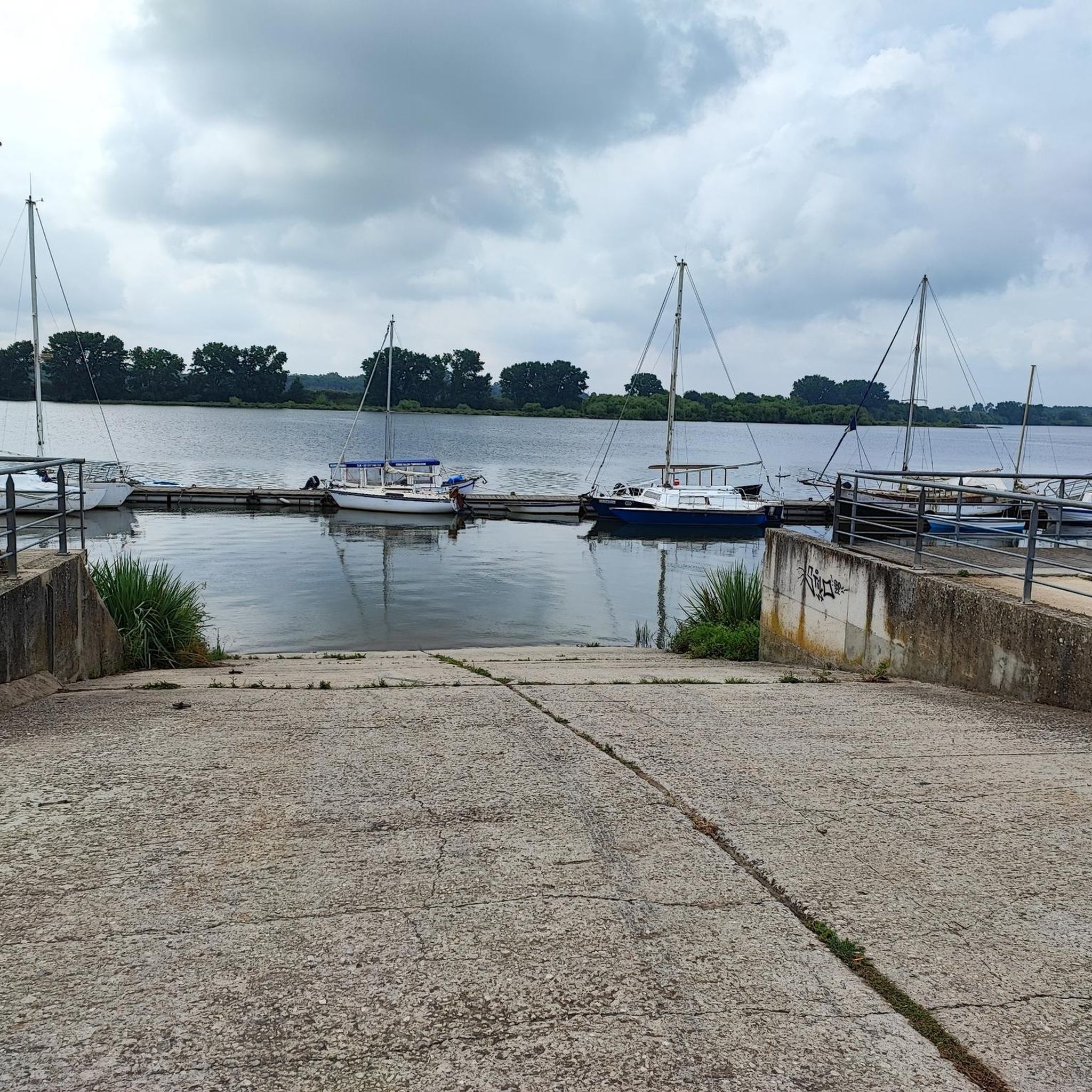
Ride on the path dedicated for bikes. The road isn’t suitable for bikes, rough and slippery.
1
0

Watch out it can be slippery
1
0

publication of the royal charter of 26 July 1811, which, in order to mitigate the devastating effects of the French invasions, prescribed, among many other measures, the distribution of seeds to farmers in order to re-establish cereal production. The Real Celeiro was active for over sixty years, between 1812 and 1873, but, quoting Guilherme Henriques, “it died, like all good institutions, annihilated by abuses”. The City Council now holds the archive of the old Celeiro, which, although not very voluminous, nevertheless allows us to reconstruct almost the entire history of this important local institution of the 19th century. Commissioned to be rebuilt by the Municipality of Alenquer in 2002, it opened its doors as the Wine Museum and headquarters of the Lisbon Wine Route in 2006. Its interior was remodeled and its museology project renewed at the end of 2018, and it reopened its doors to visitors in February 2019. (Source: www.alenquer.pt)
10
0

Santarem has been Portuguese since 1147 and, with an old town center of almost 2 square kilometers, is one of the largest in the country. The city may be a little old, but it is definitely worth a visit.
24
1

Founded in the year 970 of the Christian era (which is why it is currently considered an ancient town), during the reign of the Moorish king D. Ramiro III, it was first given the name of al-quniTrâ”, a diminutive of “al-qanTarâ”, or Alcântara, which means – the small bridge. Alcoentre received its first charter from D. Afonso Henriques in the city of Coimbra, in October 1174, and became the oldest administrative unit and local district in the municipality of Azambuja. Since Alcoentre was registered by the Crown, it remained “land of the king” (or land of the king) until D. Dinis. During this reign, it ceased to be land of the king, also known as Lavrador, and began a long journey as land of private manorial jurisdiction. This charter was reformulated by D. Manuel in Lisbon, on 26 September 1513.
3
0
Operating since April 2006 in a 19th-century building, the Wine Museum exhibits, offers tastings and allows the purchase of the best wines from the region. Around 20 producers from the Lisbon Wine Routes Association are represented.
5
0
Museum established in 2006 and remodeled in 2018, where the stories of 40 wine producers from the municipality of Alenquer are represented. Occupying the space of the old public barn where the seeds of the region's farmers were stored, the institution seeks to provide visitors with an excellent experience in paying homage to wine. Source: www.freguesiaalenquer.pt
12
0
Building dates from the 1930s and has 63 decorative wall tiles with various themes such as grain harvest, livestock market or horse breeding. Still used for the weekly market.
24
2
Frequently Asked Questions
How many road cycling routes are available around Vale da Pedra?
There are nearly 60 road cycling routes available around Vale da Pedra, offering a wide variety of options for cyclists. These include 14 easy routes, 37 moderate routes, and 8 more challenging options.
What kind of terrain can I expect when road cycling in Vale da Pedra?
The terrain in Vale da Pedra is characterized by flatlands, extensive agricultural fields, and vineyards, providing predominantly paved surfaces. While generally low in elevation, some routes feature moderate climbs, offering a diverse experience suitable for various skill levels.
Are there any scenic viewpoints or natural features to look out for on the routes?
Yes, many routes offer picturesque views. You can expect to cycle through the scenic Tagus River Valley, past vast agricultural fields, and vineyards. The historic Ponte Rainha D. Amélia bridge is a significant landmark offering superb views of the Tagus River, and the Valada Village near the Valada River Beach is another notable spot.
What are some popular road cycling routes that showcase the region's character?
For a route that highlights the region's agricultural beauty, consider the Mata Nacional das Virtudes – Eucalipto loop from Cartaxo, which traverses rural scenery and eucalyptus groves. If you're interested in the wine-producing heritage, the Alenquer Wine Museum – Alenquer loop from Santana-Cartaxo takes you through the heart of the Ribatejo's vineyards.
What is the best time of year for road cycling in Vale da Pedra?
The region generally offers good conditions for cycling for much of the year. Spring and autumn are often ideal, with pleasant temperatures and less extreme weather. Summers can be hot, especially in July and August, while winters are typically mild but can bring more rainfall.
Are there any family-friendly road cycling options in Vale da Pedra?
Yes, the predominantly flat terrain and paved surfaces make many routes suitable for families. With 14 easy routes available, you can find options that are less demanding and allow for a relaxed cycling experience through the agricultural landscapes and along the Tagus River.
Can I find circular road cycling routes starting from Vale da Pedra?
Many of the routes in the area are designed as loops, allowing you to start and finish in the same location. For example, the Ponte D. Luís I of Santarém – Ponte Rainha D. Amélia loop from Santana-Cartaxo is a popular moderate circular route that offers views of the Tagus River and historic bridges.
What kind of historical or cultural attractions can I explore near the cycling routes?
Beyond the cycling, you can explore several historical sites. The 18th-century Parish Church of Nossa Senhora da Conceição and the Chapel of São Sebastião reflect the region's heritage. The Ponte Rainha D. Amélia itself is a historic landmark, and the Roman Bridge of Muge is another ancient structure worth seeing.
What do other cyclists say about road cycling in Vale da Pedra?
The road cycling routes around Vale da Pedra are highly rated by the komoot community, with an average score of 4.4 stars from over 17 reviews. Cyclists often praise the diverse landscapes, the well-maintained paved surfaces, and the opportunity to explore the tranquil rural Portuguese setting.
Are there any routes that take me to nearby towns or cities?
Yes, some routes connect Vale da Pedra with nearby towns. For instance, the Cathedral of Santarém – Municipal Market of Santarém loop from Santana-Cartaxo offers a moderate ride towards Santarém, allowing you to experience the urban and historical aspects of the district capital.
Is it possible to combine cycling with other activities, such as water sports?
Absolutely. The proximity to the Tagus River means you can combine your cycling trip with water-based activities. The Valada Village, with its river beach, is a great spot for relaxation or to experience the Beira Tejo Boat in Valada, offering a different perspective of the river.
Are there any longer, more challenging road cycling routes for experienced riders?
Yes, for experienced riders seeking a greater challenge, there are 8 difficult routes available. An example is the Alenquer Wine Museum – Alenquer loop from Santana-Cartaxo, which is over 111 km long and features more significant elevation gains, typically taking nearly 5 hours to complete.
Most popular routes around Vale Da Pedra
Most popular attractions around Vale Da Pedra

Get inspired with the komoot mobile app


Explore more
Browse the best Road cycling routes in other regions.
