Attractions and Places To See around Ulme - Top 20
Attractions and places to see around Ulme include a variety of historical sites, scenic trails, and architectural landmarks. The region is characterized by its proximity to the Tagus River, offering numerous viewpoints and riverside paths. Visitors can explore ancient bridges, historical settlements, and routes popular for cycling and walking. This area provides a blend of cultural heritage and natural landscapes for exploration.
Best attractions and places to see around Ulme
- The most popular attractions is Ponte João Joaquim Isidro dos Reis, a bridge that offers views of the Tejo River. This structure is accessible to cyclists and provides a scenic crossing.
- Another must-see spot is Tagus Panoramic Trail, a trail that runs along the right bank of the Tagus, between Vila Nova da Barquinha and Foz do Zêzere. This route features walkways, bridges, and viewpoints, offering panoramic views over the Tagus River.
- Visitors also love Roman Bridge of Reguengo do Alviela, an old abandoned bridge, likely of medieval origin with a Roman base. It crosses the Ribeira do Alviela and is situated in a rural area.
- Ulme is known for its historical sites, bridges, and popular trails and routes near Ulme. The area offers a variety of attractions to see and explore, from literary birthplaces to riverside settlements.
- The attractions around Ulme are appreciated by the komoot community, with 16 upvotes and 13 photos shared by visitors.
Last updated: July 1, 2026
Tagus Panoramic Trail
Highlight (Segment) • Trail
This riverside route, much used by mountain bike lovers in the region, has been considerably improved with the construction of walkways, bridges and viewpoints that allow you to enjoy magnificent panoramic views over the Tagus River.
This route is part of the Great Route of the Tagus (GR12), which in turn is part of the great European Route E7, an ambitious pedestrian route still under construction, which aims to connect Lisbon to the Black Sea, in Romania.
Translated by Google •
Tip by

Ponte João Joaquim Isidro dos Reis
Highlight • Bridge
Translated by Google •
Tip by

Sign up now to discover places like this
Get recommendations on the best single tracks, peaks, & plenty of other exciting outdoor places.
Sign up for free
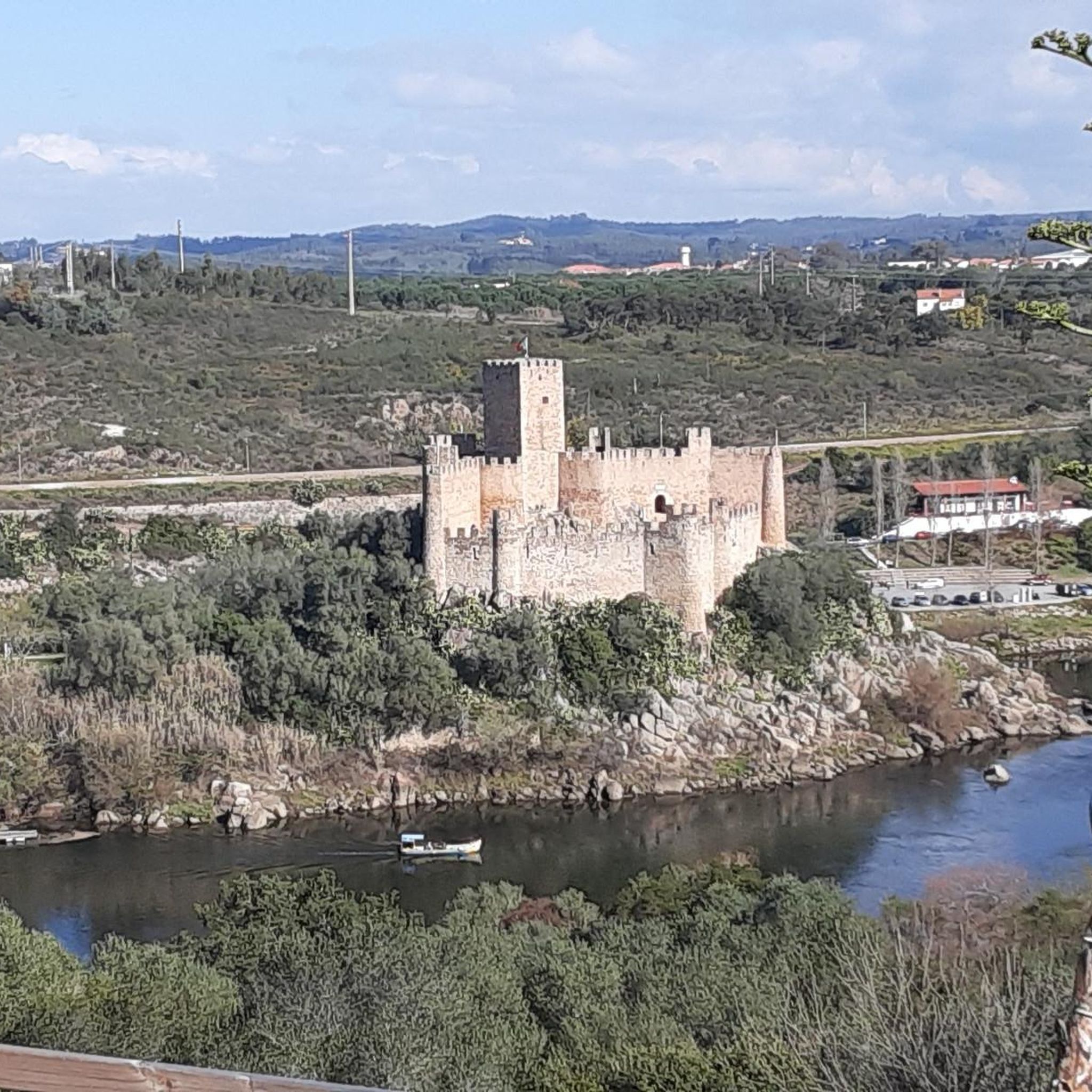
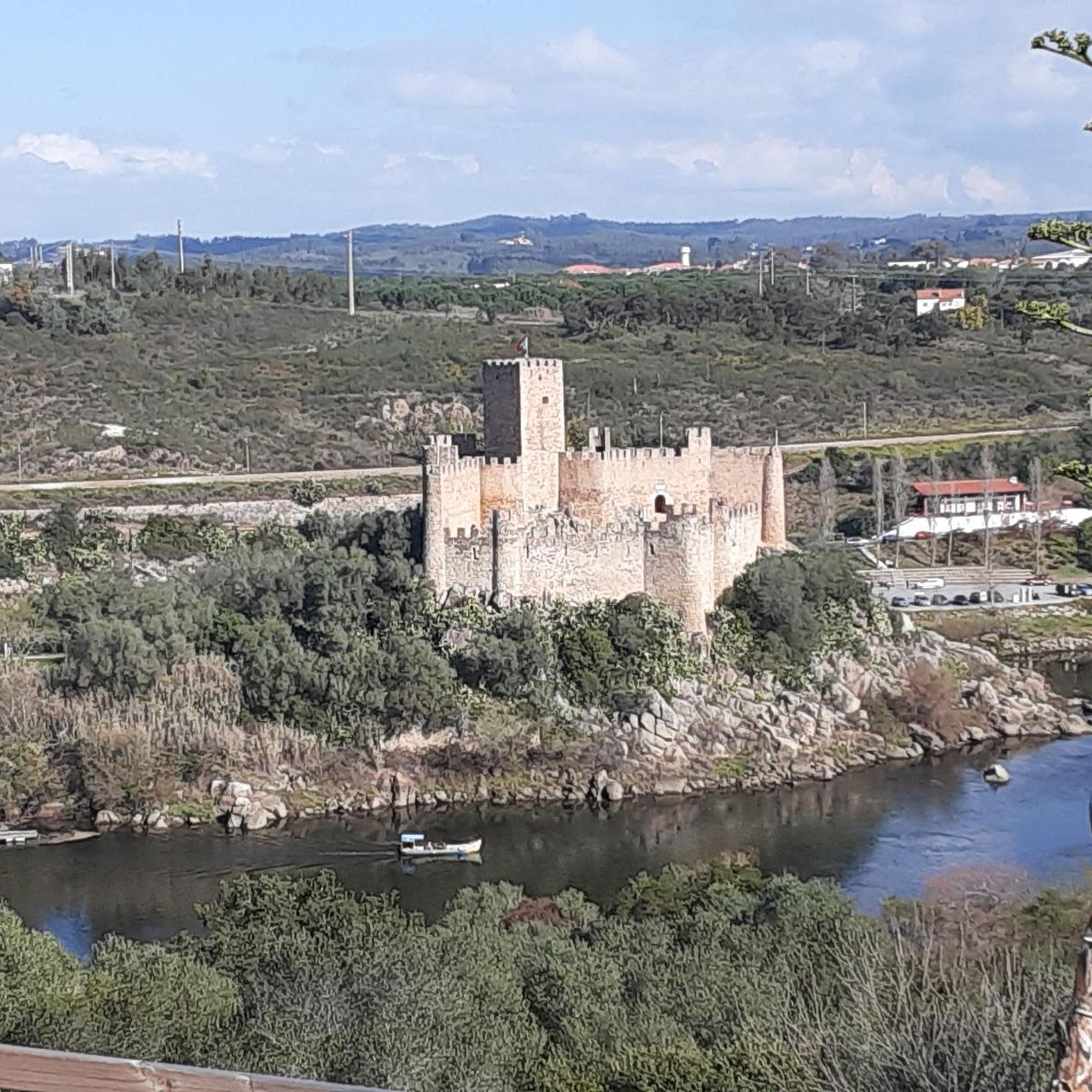
Almourol Castle
Highlight • Castle
Translated by Google •
Tip by

The house of Jose Saramago
Highlight • Historical Site
Translated by Google •
Tip by
Roman Bridge of Reguengo do Alviela
Highlight • Bridge
The current road passes in front of the bridge.
Translated by Google •
Tip by
Sign up for free to discover even more attractions around Ulme.
Sign up for free
Already have an account?
Start today with a free account
Your next adventure awaits.
Login or Signup


Tips from the Community

The house where José Saramago was born is located in the village of Azinhaga, in the municipality of Golegã, district of Santarém, Portugal. The Azinhaga House Location: The house is located on Rua da Igreja, in Azinhaga, a typical village in Ribatejo, known for its landscape of fertile fields and its proximity to the Tagus River. Foundation: Currently, the childhood home houses the José Saramago Foundation Delegation in Azinhaga, a space of memory that recreates the environment of the writer's childhood and houses a library and an auditorium. Visits: The place is open to visitors who wish to learn about the roots of the only Nobel Prize winner in Literature in the Portuguese language. The Lanzarote House Although he was born in Azinhaga, the writer's most emblematic residence is "The House" in Tías, on the island of Lanzarote, Spain. It was there that he lived for much of his adult life, and where his vast personal library is located; today it functions as the José Saramago House-Museum and is open to the public.
2
0
The Roman Bridge of Reguengo (or Reguengo Bridge) is an ancient bridge, probably of medieval origin with a Roman base, located between the towns of Vale de Figueira and Pombalinho, in the district of Santarém, Portugal. It crosses the Ribeira do Alviela, a tributary of the Tagus River. About the Bridge Location: The bridge is situated in a rural area and access to it is via a road that passes in front of the site. State of conservation: The bridge is described as an old and abandoned structure, and some visitors have noted a lack of signage or historical indications at the site. Access: The site is frequented by fishermen, and visitors should be discreet and careful, as the area is not ideal for carelessness, especially with children. Current use: The bridge is not used for regular road traffic, as a new bridge was built further downstream (downstream means towards the mouth of the river, further down) for the current road. Location Approximate address: Between Vale de Figueira and Pombalinho, Santarém, Portugal. GPS: 39°27'36.2" N 8°51'25.9" W (approximate coordinates for the area).
1
0

Hydration, helmet and gloves
1
0


It is an old abandoned bridge located between Vale de Figueira e Pombalinhon The current road passes in front of the bridge.
17
0

There is a cafe in front of the castle with snacks. Below are the timetables for the boats to visit the castle.
1
0
The Castle is only accessible to visit by boat
1
0
Frequently Asked Questions
What are the most notable historical sites to visit around Ulme?
Ulme is rich in history, offering several significant sites. You can visit The house of Jose Saramago in Azinhaga, the birthplace of the Nobel Prize-winning writer, which now serves as a foundation delegation. Another historical point of interest is the Roman Bridge of Reguengo do Alviela, an ancient structure with a likely medieval origin and Roman base, crossing the Ribeira do Alviela.
Are there any scenic trails or viewpoints near Ulme?
Absolutely. The Tagus Panoramic Trail offers magnificent views along the right bank of the Tagus River, featuring walkways, bridges, and dedicated viewpoints. This trail is part of the Great Route of the Tagus (GR12) and the ambitious European Route E7. Additionally, Ponte João Joaquim Isidro dos Reis provides a splendid view of the Tejo River and is accessible to cyclists.
What kind of outdoor activities can I do around Ulme?
The area around Ulme is excellent for various outdoor activities. You can explore numerous trails for cycling, mountain biking, and running. For cycling enthusiasts, there are routes like the "Estou no trabalho" cafe – Gravosfera loop or the José Saramago Statue – Carlos Relvas House-Studio loop. Mountain bikers can enjoy trails such as the Birds of prey, storks – Beautiful trails loop. Runners have options like the Running loop from Golegã or Azinhaga. You can find more details and routes on the Cycling around Ulme, MTB Trails around Ulme, and Running Trails around Ulme guide pages.
Are there family-friendly attractions in the Ulme area?
Yes, the region offers attractions suitable for families. The birthplace of Nobel laureate José Saramago, The house of Jose Saramago, is considered family-friendly. Additionally, the village of Pombalinho, land of floods, offers a unique insight into local life and resilience against the Tagus River's floods, which can be an interesting educational experience for older children.
What is unique about the village of Pombalinho?
Pombalinho, land of floods, is a riverside village on the Tagus known for being frequently affected by the river's overflows. Its location on the right bank of the Tagus and near the Alviela stream means that during rainy winters, the streets can transform into navigable rivers. Markers in the village indicate historical flood levels, and there's a plaque commemorating the help received from Dutch and French volunteers after the great floods of 1979.
Can I cycle to any of the attractions?
Yes, cycling is a popular way to explore the area. The Ponte João Joaquim Isidro dos Reis is specifically noted as being accessible to cyclists and offers a magnificent view of the Tejo River. The Tagus Panoramic Trail is also much used by mountain bike lovers and has been improved with walkways and bridges suitable for cycling.
What do visitors enjoy most about the attractions around Ulme?
Visitors particularly appreciate the blend of cultural heritage and natural landscapes. The scenic views of the Tagus River from trails and bridges, the historical significance of sites like the Roman Bridge, and the unique story of Jose Saramago's birthplace are often highlighted. The komoot community has shared 13 photos and given 16 upvotes, indicating a positive visitor experience.
Where can I find information about the Tagus River in relation to Ulme?
The Tagus River is a central feature of the Ulme region. You can experience it directly on the Tagus Panoramic Trail, which runs along its right bank and offers numerous viewpoints. The Ponte João Joaquim Isidro dos Reis also provides excellent views of the Tejo (Tagus) River. The village of Pombalinho, land of floods, offers a unique perspective on how local life interacts with the river's natural cycles.
Are there any ancient bridges to explore in the Ulme area?
Yes, the Roman Bridge of Reguengo do Alviela is an old, abandoned bridge, likely of medieval origin with a Roman base, that crosses the Ribeira do Alviela. It's situated in a rural area and offers a glimpse into the region's historical infrastructure.
What is the significance of Jose Saramago's house in Azinhaga?
The house of Jose Saramago in Azinhaga is the birthplace of the famous writer, who was awarded the Nobel Prize in Literature. It now functions as the José Saramago Foundation Delegation in Azinhaga, serving as a space of memory that recreates the environment of the writer's childhood and houses a library and an auditorium. It is open to visitors interested in learning about the roots of the only Nobel Prize winner in Literature in the Portuguese language.
What kind of terrain can I expect on trails around Ulme?
The trails around Ulme, particularly those along the Tagus River like the Tagus Panoramic Trail, often feature a mix of riverside paths, walkways, and bridges. The region is characterized by its proximity to the Tagus River, suggesting relatively flat to gently rolling terrain in many areas, especially near the riverbanks. Some routes, like the cycling and MTB trails, may include more varied terrain, with difficulties ranging from easy to moderate and difficult, as indicated in the nearby routes data.
Most popular routes around Ulme

Get inspired with the komoot mobile app


Explore more
Still not found the Highlight you’re looking for? See guides of the top attractions in other regions:
