Attractions and Places To See around Cercal - Top 20
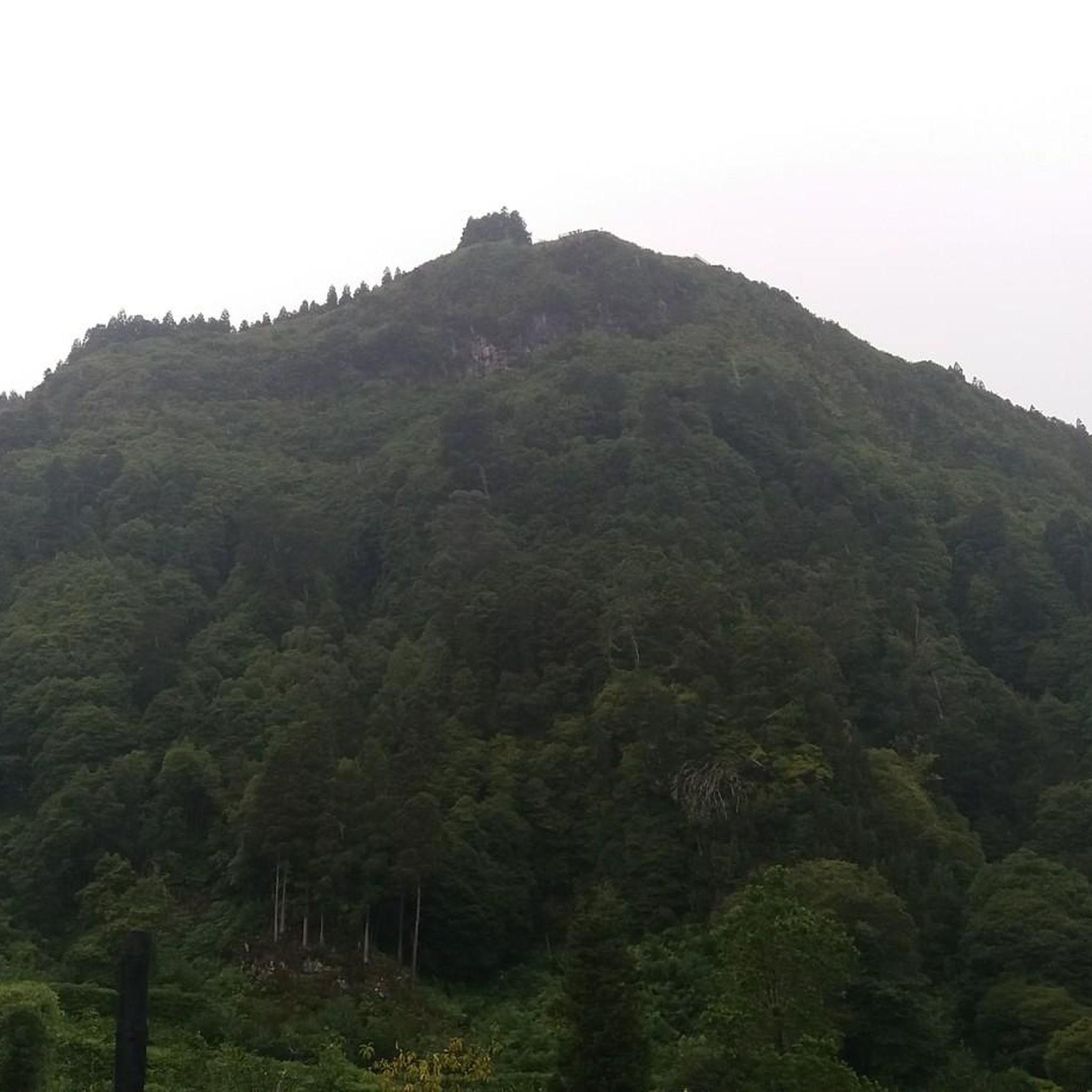
Attractions and places to see around Cercal offer a blend of natural beauty and cultural experiences in the municipality of Santiago do Cacém, Portugal. The region features the Serra do Cercal mountain range, part of the Southwest Alentejo and Vicentine Coast Natural Park, providing panoramic views and opportunities for outdoor activities. While Cercal itself is not on the coast, it provides access to the beaches of the Costa Vicentina, known for their rugged beauty and Atlantic waters. The area also holds historical significance with sites like the Cercal do Alentejo Parish Church and abandoned mines.
Best attractions and places to see around Cercal
- The most popular attractions is Basilica of the Most Holy Trinity (Fátima), a religious building that was inaugurated in 2007 and has 8633 seats. It is a Roman Catholic church and a minor basilica located in the Sanctuary of Fátima.
- Another must-see spot is Sanctuary of Fátima, a religious building and one of the most important Marian shrines in the world. Visitors can expect to see the Basilica of Our Lady of the Rosary, the Chapel of the Apparitions, and the modern Basilica of the Holy Trinity.
- Visitors also love Chapel of the Apparitions (Capelinha das Aparições), a religious building marking the exact spot where three shepherds reported receiving apparitions of the Blessed Virgin Mary in Fátima. This intimate space is frequently visited by pilgrims for prayer.
- Cercal is known for its natural landscapes, historical sites, and cultural points of interest. The area offers a variety of attractions to see and explore, from mountain ranges to coastal areas and historical landmarks.
- The attractions around Cercal are appreciated by the komoot community, with more than 60 upvotes and over 120 photos shared by visitors.
Last updated: July 1, 2026
Basilica of the Most Holy Trinity (Fátima)
Highlight • Religious Site
Translated by Google •
Tip by

Sanctuary of Fátima
Highlight • Religious Site
Translated by Google •
Tip by
Sign up now to discover places like this
Get recommendations on the best single tracks, peaks, & plenty of other exciting outdoor places.
Sign up for free
Chapel of the Apparitions (Capelinha das Aparições)
Highlight • Religious Site
Translated by Google •
Tip by
Monument to the Sacred Heart of Jesus
Highlight • Monument
Translated by Google •
Tip by
Chapel of the Apparitions (Capela das Aparições), Fátima
Highlight • Religious Site
Translated by Google •
Tip by
Sign up for free to discover even more attractions around Cercal.
Sign up for free
Already have an account?
Start today with a free account
Your next adventure awaits.
Login or Signup

Tips from the Community

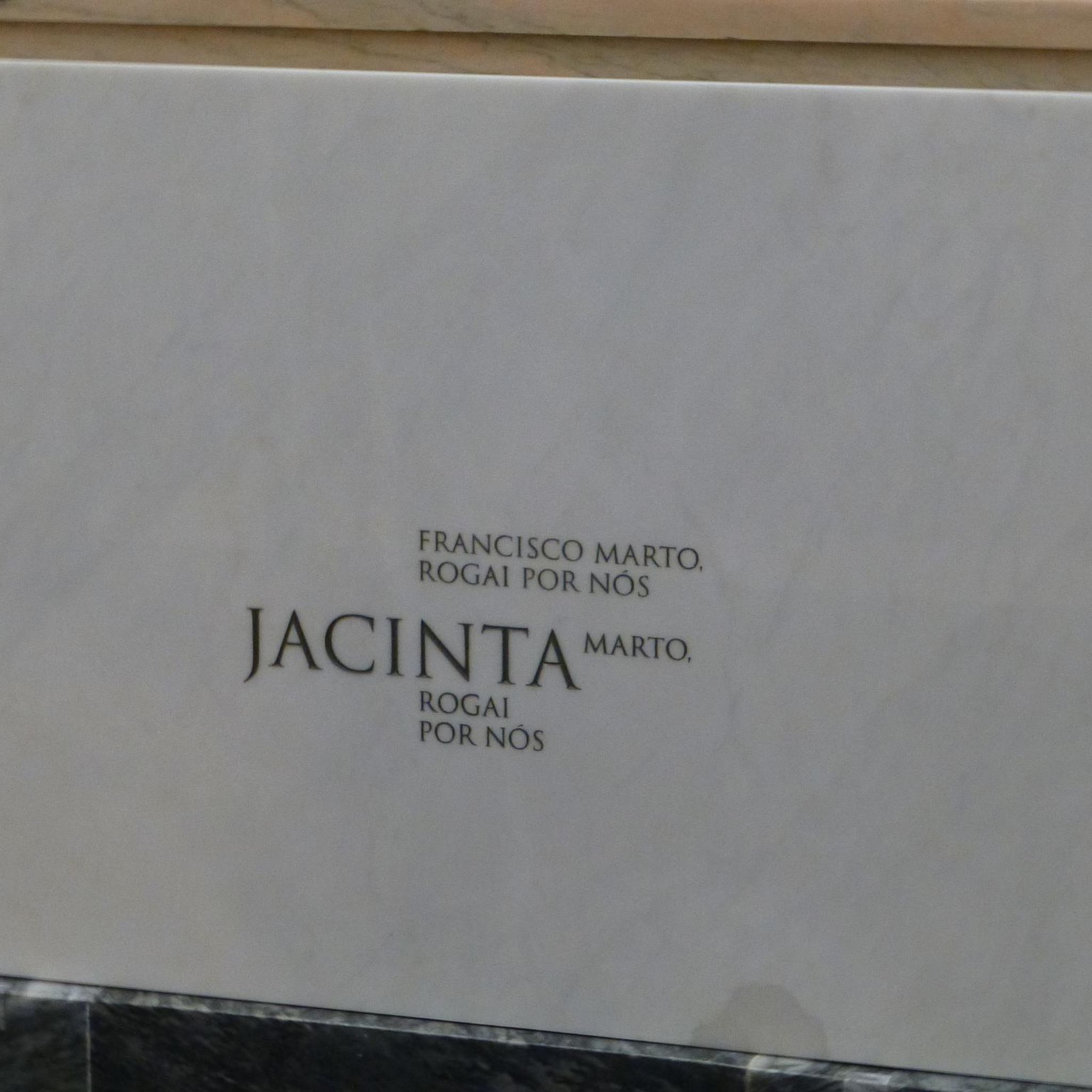
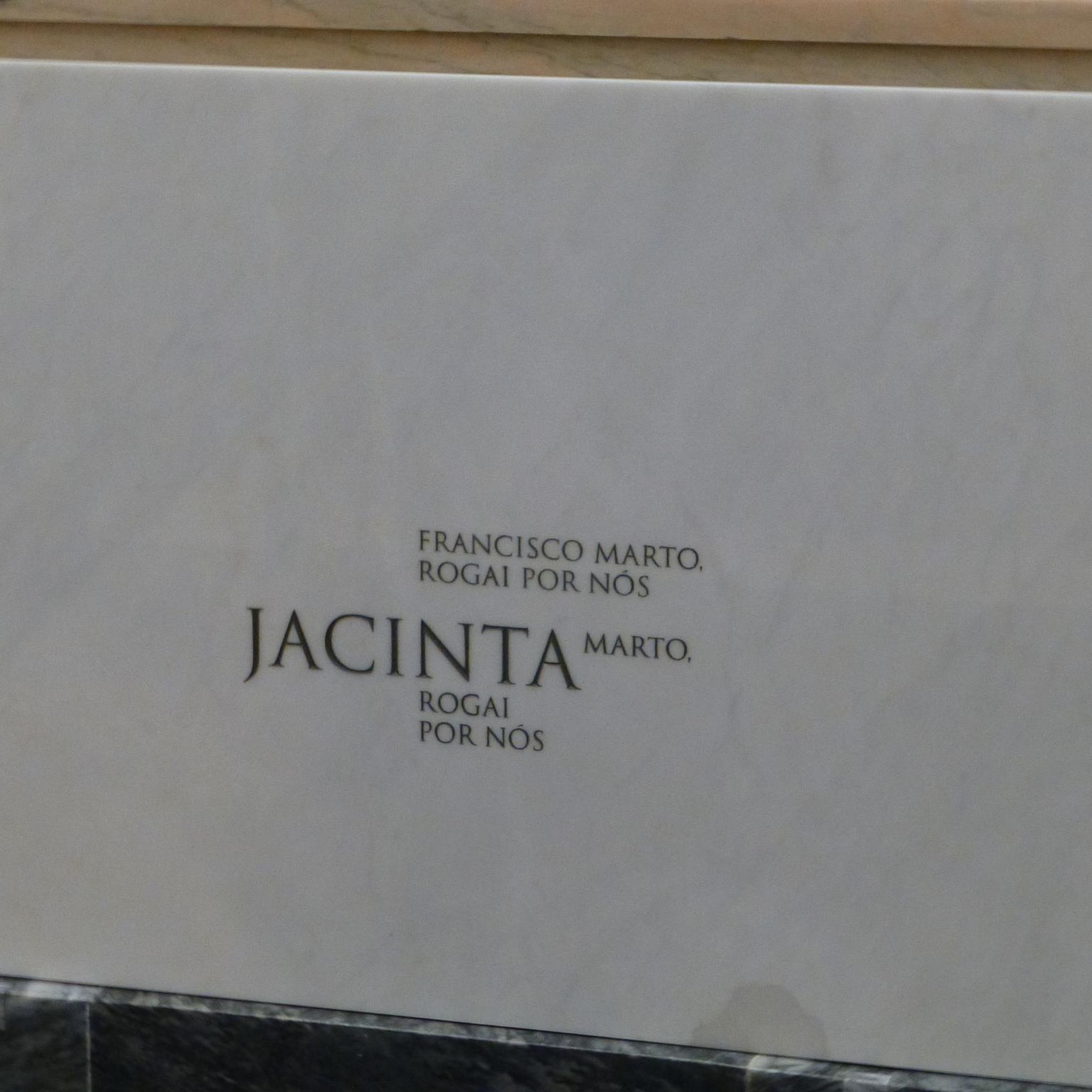
The Sanctuary of Fatima, in central Portugal, is one of the most important pilgrimage sites in the world. Basilica of Our Lady of the Rosary Neo-Baroque style, with a 65-meter tower crowned by a large cross. It houses the tombs of the three shepherd children: Lucia, Francisco, and Jacinta. Chapel of the Apparitions Marks the exact spot where the Virgin Mary appeared in 1917. An intimate space, frequently visited by pilgrims to pray and light candles. Basilica of the Holy Trinity Inaugurated in 2007, with modern architecture and a capacity for more than 8,000 people. It contrasts with the classical style of the Basilica of the Rosary. Sanctuary Esplanade Large square where Masses and processions are held, especially on May 13 and October 13.
7
0

Great, if you are in the area, you should definitely pay a visit
1
1

The chapel was built in 1919 in response to a request from Our Lady of the Rosary: I want a chapel to be built here in my honour. A little bigger than a niche, the chapel was born from the volunteer work of Maria dos Santos Carreira, a woman from the people who had been coming to Cova da Iria since 13 June 1917. However, before the chapel was built, there was a wooden arch built over the holm oak of the apparitions. Maria dos Santos Carreira began by clearing the undergrowth around the holm oak and decorating it with flowers and devotional ribbons. Then, with the help of her husband, she built a wall around the holm oak and erected a wooden arch. When this arch was destroyed in October 1917 and taken to Santarém (to be displayed there in a parody of a procession), the people were already leaving alms next to the holm oak. It was Maria dos Santos Carreira who carefully stored these alms. The first were 30 réis and a few pieces of fruit. But she soon had a cloth bag full of coins. The fate of the alms left in Fátima was so important that Father Manuel Nunes Formigão included it in the interrogation he conducted with Lúcia: “What did Our Lady say should be done with the money that the people deposit in Cova da Iria, near the holm oak tree?” Father Formigão asked Lúcia, who, in her response, said that these were the orders the Lady gave her: “She said that part of the money would be used for the cult and festival of Our Lady of the Rosary and the rest would be used to help build a new chapel.”
4
1
The High Cross is a monument erected on 29 August 2007 at the Sanctuary of Fátima, designed by the artist Robert Schad and measuring 34 metres in height. It was built to replace the old High Cross, which was 27 metres high and erected to mark the end of the Holy Year of 1950/1951, and which was located at the back of the prayer area, where the Basilica of the Holy Trinity is now located. It was donated to the National Sanctuary of Christ the King, in Almada.[1] It was built by the Portuguese company 'Mecanidraulica (Maia) and transported in 4 parts to Fátima. The oxidation of the corten steel, the material in which it was built, gives it an appearance that changes colour, becoming redder in dry weather and darker in the rain. A living Cross, with its own personality, just like Fátima
4
0
During this International Anniversary Pilgrimage in May 2022, the 5th anniversary of the canonization of Francisco and Jacinta Marto will be celebrated, who on May 13, 2017 became the youngest non-martyr saints of the Church. The canonization took place in Cova da Iria, during the celebrations of the Centenary of the Apparitions, presided over by Pope Francis, after a miracle attributed to Francisco and Jacinta was approved, validated by the Vatican on March 23, 2017 and announced on April 20, at the end of the Ordinary Public Consistory to vote on some Causes of Canonization, in what would be the last stage of a process that lasted 65 years. At 10:26 am on May 13, 2017, the Holy Father declared the sanctity of Francisco and Jacinta Marto at the altar of the Prayer Area, in a canonization rite that took place at the beginning of the Mass and after the formal request of the then bishop of Leiria-Fátima, D. António Marto, accompanied by the Postulator of the Cause of Canonization of Francisco and Jacinta, a moment that is remembered on the eve of the Sanctuary of Fátima.
4
1
The Sanctuary of Fátima is one of the most important pilgrimage sites in the Catholic world. It is located in the city of Fátima, Portugal, and is the place where the Virgin Mary is said to have appeared to three children in 1917. These children were Lúcia dos Santos, aged 10, and her cousins Francisco Marto, aged 9, and Jacinta Marto, aged 7.
5
1
The Chapel of the Apparitions is a small chapel located in Cova da Iria that was built in the 1920s to mark the exact spot where three little shepherds reported receiving the famous apparitions of the Blessed Virgin Mary in Fátima, Portugal.
9
0
Image of Our Lady of Aparecida, who appeared to fishermen Domingos Garcia, Felipe Pedroso and João Alves in October 1717. Queen and Patroness of Brazil and venerated by the Catholic Church The title, always evoked in the Litany of Loreto, is related to the dogma of the Immaculate Conception. In fact, on December 8th the Catholic Church celebrates the solemnity of Our Lady of the Immaculate Conception. This date commemorates December 8th, 1854, on which Pope Pius IX proclaimed the dogma of the Immaculate Conception, but the feast already had a long tradition. This devotion has a deep connection with Portugal and consequently with Brazil, since on December 8th, 1147, Portugal consecrated its country to the Immaculate Conception. Venerated in the Catholic Church, Our Lady of Aparecida is represented with black skin by a small terracotta image
1
0
Frequently Asked Questions
What natural features can I explore around Cercal do Alentejo?
The region offers diverse natural beauty. You can explore the Serra do Cercal mountain range, which is part of the Southwest Alentejo and Vicentine Coast Natural Park, providing panoramic views and cork oak forests. Additionally, the stunning beaches of the Costa Vicentina, such as Malhão Beach, Engardaceira Beach, and Pessegueiro Island Beach, are just a short drive away. For a freshwater option, the Barragem de Campilhas reservoir is available for swimming and relaxation.
Are there historical sites or cultural landmarks to visit near Cercal do Alentejo?
Yes, the area is rich in history. You can visit the 17th-century Cercal do Alentejo Parish Church with its striking interior. For ancient history, the well-preserved Miróbriga Ruins near Santiago do Cacém offer a glimpse into Roman times, including a bathhouse. The historical forts of Fort Santo Alberto on Pessegueiro Island and Fort of Nossa Senhora da Queimada near Pessegueiro Beach, built to protect against piracy, are also notable national monuments.
What kind of outdoor activities can I do near Cercal do Alentejo?
Cercal do Alentejo is an excellent base for outdoor activities. The Serra do Cercal is ideal for walking and cycling. You can find various road cycling routes, general cycling tours, and running trails in the surrounding area. The nearby Costa Vicentina beaches are popular for surfing and coastal walks.
Are there any family-friendly attractions around Cercal do Alentejo?
While the provided highlights are primarily religious, the natural surroundings offer plenty for families. The beaches of the Costa Vicentina are great for family outings, and the Jardim do Largo Augusto Fuschino in Cercal do Alentejo provides a lovely green space for a stroll. Exploring the abandoned Old Cercal Mines can also be an intriguing adventure for older children.
Where can I find scenic viewpoints or panoramic views in the Cercal region?
The Serra do Cercal mountain range is the primary location for scenic viewpoints. Its highest point, the 372-meter peak of Santo Isidro, offers panoramic views of both the coastal and interior Alentejo landscapes, featuring cork oak forests and green fields.
What are some unique or 'hidden gem' attractions in the area?
For a unique experience, consider visiting the Old Cercal Mines. These abandoned iron and manganese mines, with vestiges of Roman operations, offer a mysterious journey into the region's industrial past. The galleries are now home to colonies of bats, adding to their intrigue.
What is the best time to visit Cercal do Alentejo for outdoor activities and sightseeing?
The region generally enjoys pleasant weather for outdoor activities. Spring (April-May) and early autumn (September-October) are often ideal, offering comfortable temperatures for hiking, cycling, and exploring the natural and historical sites without the intense heat of summer or the cooler, wetter conditions of winter. The beaches are best enjoyed during the warmer summer months.
Are there any religious sites of significance near Cercal do Alentejo?
While Cercal do Alentejo has its own 17th-century Parish Church, the guide data prominently features the renowned religious sites of Fátima, though it is a significant distance from Cercal. These include the Basilica of the Most Holy Trinity, the Sanctuary of Fátima, and the Chapel of the Apparitions, which marks the spot where three shepherds reported receiving apparitions of the Blessed Virgin Mary.
What do visitors enjoy most about the attractions around Cercal?
Visitors appreciate the blend of natural landscapes, historical sites, and cultural points of interest. The area's appeal lies in its diverse offerings, from mountain ranges to coastal areas and historical landmarks. The komoot community has shown appreciation with over 60 upvotes and more than 120 photos shared, highlighting the region's scenic beauty and engaging attractions.
Can I find places for wild swimming near Cercal do Alentejo?
Yes, the Barragem de Campilhas is a nearby reservoir where visitors can swim and relax. Additionally, the numerous beaches along the Costa Vicentina, such as Malhão Beach, offer refreshing Atlantic waters for swimming, though these are ocean beaches rather than traditional 'wild swimming' spots.
What is Vila Nova de Milfontes and is it worth visiting from Cercal?
Vila Nova de Milfontes is an attractive resort town located a short drive southwest of Cercal, at the mouth of the River Mira. It's known for its white houses, small alleys, and lively atmosphere. It's popular with surfers and hikers and features landmarks like the Fort of São Clemente and the Church of Nossa Senhora da Graça, making it a worthwhile day trip for a change of scenery and coastal charm.

Get inspired with the komoot mobile app


Explore more
Still not found the Highlight you’re looking for? See guides of the top attractions in other regions:
