Attractions and Places To See around Arrouquelas - Top 20
Best attractions and places to see around Arrouquelas, Portugal, include a variety of historical sites, natural monuments, and unique man-made structures. This region offers over 20 points of interest for exploration. The landscape features both historical architecture and natural areas, providing diverse options for visitors.
Best attractions and places to see around Arrouquelas
- The most popular attractions is Pina Manique Palace, a man-made monument that was part of an ambitious, unfinished architectural project from the 18th century. This historical…
Last updated: August 25, 2026
Pina Manique Palace
Highlight • Monument
Translated by Google •
Tip by

Rio Maior Salt Pans
Highlight • Monument
Translated by Google •
Tip by

Sign up now to discover places like this
Get recommendations on the best single tracks, peaks, & plenty of other exciting outdoor places.
Sign up for free
Paúl de Manique do Intendente.
Highlight • Lake
Translated by Google •
Tip by
Ponte da Ermida
Highlight • Bridge
Translated by Google •
Tip by
Pragança Village
Highlight • Settlement
Translated by Google •
Tip by
Sign up for free to discover even more attractions around Arrouquelas.
Sign up for free
Already have an account?
Start today with a free account
Your next adventure awaits.
Login or Signup
Tips from the Community

Salt is extracted from compartments – pits – made of cement or stone, of varying sizes and shallow depths, to which salt water is taken from a well through irrigation channels. Currently, the water is raised by means of a motor and distributed according to a system that is jointly accepted and respected (not always) by all the owners. The sewers, threshing floors and wooden houses for storing salt complete the set of what is called the Salt Mines of Rio Maior. According to technicians, a large and deep rock salt mine, crossed by an underground current that feeds a well, makes the water extracted from it salty, seven times saltier than that of the sea. The salt is obtained from its exposure to the sun and wind and the consequent evaporation of the water, deposited at the bottom of the pits, which is then placed in pyramid-shaped piles to dry until it is collected. The process is rudimentary and similar to that used in the salt mines on the seashore. The only difference is the picturesque valley that surrounds them, the well, the unique style of the sailors (as the men who work in the salt mines are known), the wooden houses and the country air that can be breathed.
3
0
The palace was built by the superintendent Diogo Inácio de Pina Manique (1733-1805), who held several positions during the time of the Marquis of Pombal. His connection to the town, which came to be called Manique do Intendente and was initially called Alcoentrinho, and which belonged to the Order of Christ, dates back to the time of his uncle, who established a manor in favor of his nephew in 1773. Thus began a very ambitious project, which envisaged the creation of a town with a rationalist architectural design and which included, in addition to the palace (whose construction remained unfinished), the Town Hall, the pillory, the Palace of Justice and the church. This plan did not go ahead due to Pina Manique's removal from the position of superintendent and his premature death.
4
0
The origins of the Ermida Bridge possibly date back to the end of the 15th century. A Royal Road passed through here, which was intended to connect the river port of Vila Nova da Rainha and Caldas da Rainha. It was the route of the royal and court routes since D. João II, and was also frequently used by D. João V and D. Carlos. All that remains of this 15th century Royal Road is the emblematic Ermida Bridge, a work of art structured and built in dressed stone and its sumptuous Romanesque arch, or round arch. Due to its total lack of conservation and because it has to support loads (heavy agricultural machinery) for which it was not designed, it is currently at risk of collapse, and its passage is even closed.
1
0

It is surrounded by beautiful and abundant trees and is a bridge with a Romanesque arch. There are several theories regarding its construction; some argue that it was built during the reign of D. João II, in order to facilitate the King's movement when he went to meet Queen D. Leonor for a swim in Caldas, while others claim that it was built in the 19th century due to a technical issue, namely its width. Interestingly, this bridge supports two enormous pine trees on the upper part of the road.
0
0
“Paul Natura”, Manique do Intendente https://www.youtube.com/watch?v=9nKhlLvOrJw
3
0
Paúl de Manique do Intendente is an area of around 97,000 square meters that constitutes a very rich natural heritage of great importance in terms of biodiversity, namely in terms of avifauna, already recognized at national level. It is an ecosystem composed of more than 180 species, where you can find 5 "simply unique" species such as the striped tortoise, the common caiman, the otter, the black stork and the reed. The municipality has been focusing on promoting this space, having recently advanced with the installation of an infrastructure for the observation of the fauna and flora of Pául, which aims to promote knowledge, protection and preservation of this unique and so rich ecosystem for the Municipality of Azambuja and for the entire region.
5
0
very pleasant landscape, it is recommended
1
0
The origin of Ponte da Ermida possibly dates back to the end of the 15th century. A Royal Road passed through here, which intended to make the connection between the river port of Vila Nova da Rainha, and Caldas da Rainha. It was the route of the royal itineraries and the Court since D. João II, and was also frequently used by D. João V and D. Carlos. From this 15th-century Royal Road, all that remains is the emblematic Ponte da Ermida, a structured work of art built in dressed stone and its sumptuous Romanesque arch, or round arch. Due to the total lack of conservation and having to support loads (heavy agricultural machinery) for which it was not designed, it is currently at risk of collapsing, and its passage is even prohibited.
5
1
Frequently Asked Questions
What historical sites can I visit around Arrouquelas?
The region offers several historical sites. You can explore the unfinished 18th-century architectural project of Pina Manique Palace. Another significant site is the Rio Maior Salt Pans, Europe's only fully operational inland salt pans, with a history dating back to at least 1177. Additionally, the Ponte da Ermida, a 15th-century Romanesque bridge, is a historical landmark, though its passage is currently prohibited due to its condition.
Where can I experience nature and scenic views near Arrouquelas?
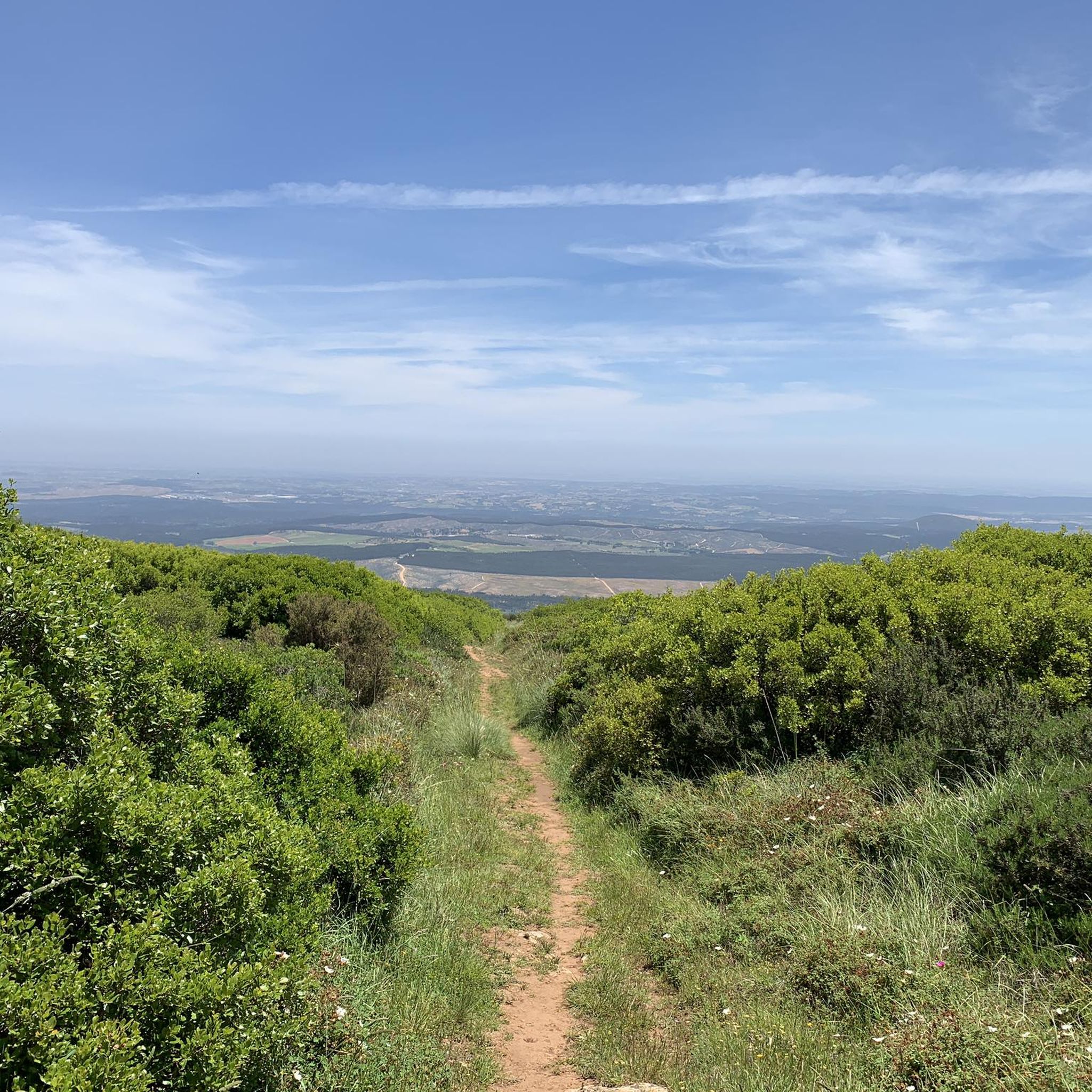
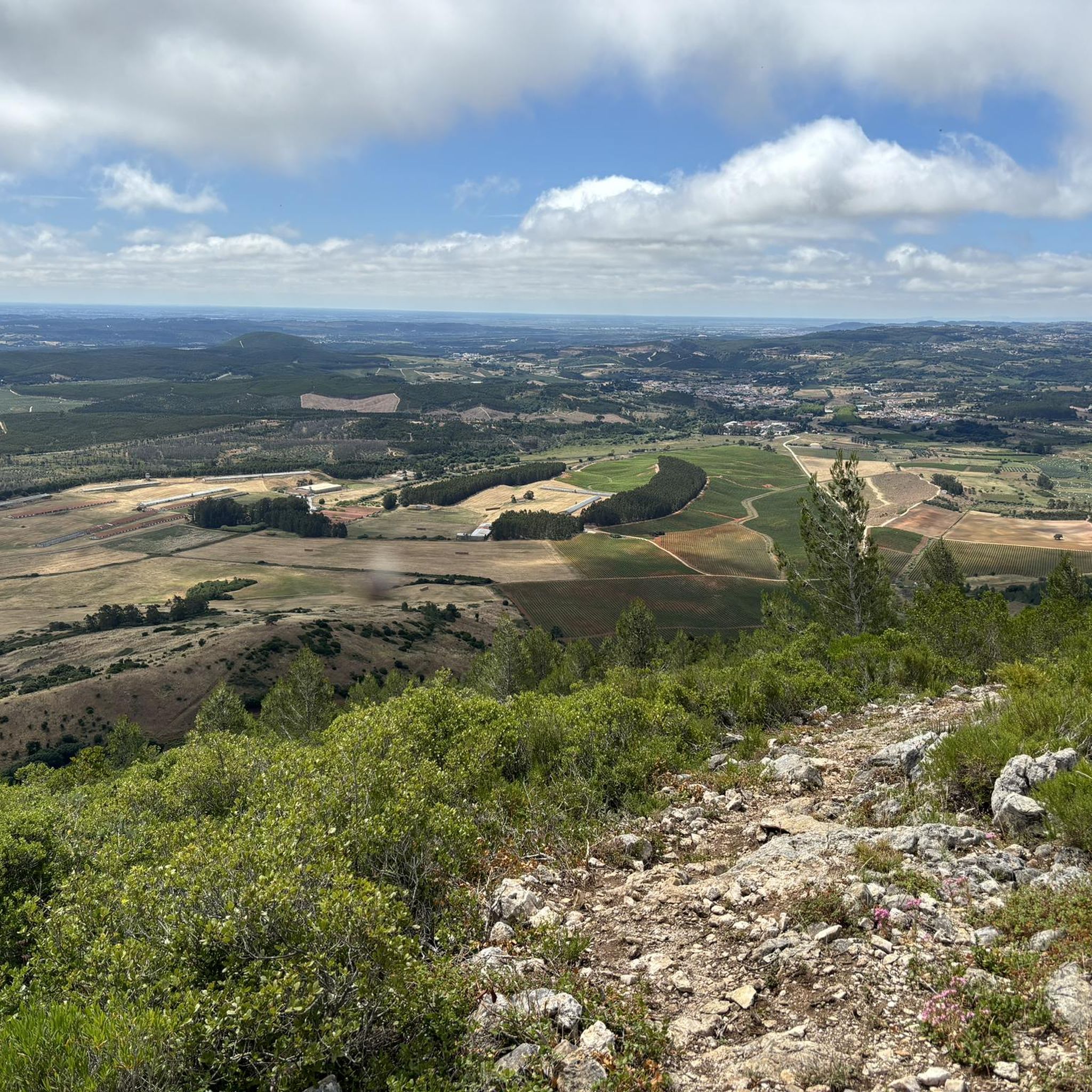
For nature and scenic views, visit Paúl de Manique do Intendente, a natural area recognized for its rich biodiversity, including over 180 species, and equipped with observation infrastructure. You can also head to the Serra de Montejunto Watchtower, which offers a beautiful panorama of the region north of the Serra and is accessible via a pastoral trail.
Are there family-friendly attractions in the Arrouquelas area?
Yes, there are family-friendly options. The Rio Maior Salt Pans are considered family-friendly, offering a unique historical and natural experience. Paúl de Manique do Intendente, with its fauna and flora observation space, is also suitable for families interested in nature.
What outdoor activities are available near Arrouquelas attractions?
The area around Arrouquelas is great for outdoor activities. You can find various routes for mountain biking, cycling, and running. For detailed routes, explore the MTB Trails around Arrouquelas, Cycling around Arrouquelas, and Running Trails around Arrouquelas guides.
Are there good cycling routes around Arrouquelas?
Yes, there are several cycling routes available. You can find challenging routes like the 'Pilgrim's Retreat – Alcanede Castle loop' or moderate ones such as the 'Salinas de Rio Maior – Salinas Rio Major loop'. More options are detailed in the Cycling around Arrouquelas guide.
Can I find running trails near these attractions?
Absolutely. There are various running trails, including moderate loops like the 'Statue of the Winner – Salinas Rio Major loop' (7.8 km) or the 'Parque do Rio – Statue of the Winner loop' (11.4 km). For a comprehensive list, check the Running Trails around Arrouquelas guide.
What is unique about the Rio Maior Salt Pans?
The Rio Maior Salt Pans are unique as they are the only fully operational inland salt pans in Europe. They are located in a valley at the foot of the Serra dos Candeeiros, within the Serras de Aire e Candeeiros Natural Park, extracting salt from a deep rock salt mine fed by an underground current.
What kind of wildlife can I see at Paúl de Manique do Intendente?
Paúl de Manique do Intendente is a significant area for biodiversity, home to over 180 species. Notably, you might spot unique species such as the striped tortoise, common caiman, otter, black stork, and various reeds. There's also an observation infrastructure to help visitors appreciate the fauna and flora.
Is there a good viewpoint to see the region around Arrouquelas?
Yes, the Serra de Montejunto Watchtower offers an excellent panoramic view of the region north of the Serra. It's a forest watch station accessible via a pastoral trail from a picnic park.
What is the story behind Pina Manique Palace?
The Pina Manique Palace was part of an ambitious, but unfinished, 18th-century architectural project initiated by Diogo Inácio de Pina Manique. His vision included creating a rationalist architectural town with a palace, Town Hall, pillory, Palace of Justice, and church, but the plan was halted due to his removal from office and untimely death.
Are there any challenging routes for mountain biking near Arrouquelas?
While many MTB routes are moderate, the area offers diverse terrain. You can find various mountain biking trails, including loops like 'Pina Manique Palace – Paúl de Manique do Intendente loop' (27.5 km) or 'Old Public Fountain of Cercal – Rio Maior Salt Pans loop' (54.6 km). Check the MTB Trails around Arrouquelas guide for more options.
Most popular routes around Arrouquelas
Most popular attractions around Arrouquelas

Get inspired with the komoot mobile app


Explore more
Still not found the Highlight you’re looking for? See guides of the top attractions in other regions:
