The best cycling routes around Asseiceira
4.8
(4)
56
riders
15
rides
Touring cycling routes around Asseiceira, located in the Santarém District of Portugal, traverse diverse landscapes. The region features a mix of quiet roads, dedicated cycleways, and unpaved paths, offering varied terrain for cyclists. Notable natural features include the Serra dos Candeeiros Wind Farm, situated at approximately 487 meters altitude, and the unique Rio Maior Salt Pans, surrounded by vineyards and farmland. The area also encompasses the rich natural heritage of Paúl de Manique do Intendente, known for its biodiversity.
Best…
Last updated: June 24, 2026
4.5
(2)
21
riders
58.9km
04:26
780m
780m
Hard bike ride. Very good fitness required. You may need to push your bike for some segments of this route.
7
riders
Hard bike ride. Very good fitness required. Mostly paved surfaces. Suitable for all skill levels.

Sign up for free
5.0
(2)
6
riders
43.1km
02:50
460m
460m
Hard bike ride. Very good fitness required. Mostly paved surfaces. Suitable for all skill levels.
4
riders
38.8km
02:29
440m
440m
Moderate bike ride. Good fitness required. Mostly paved surfaces. Suitable for all skill levels.
2
riders
22.7km
01:32
280m
280m
Moderate bike ride. Good fitness required. Mostly paved surfaces. Suitable for all skill levels.
Get access to more routes and recommendations from other explorers.
Sign up for free
Already have an account?
Our route recommendations are based on thousands of hikes, rides, and runs completed by other people on komoot.
Start today with a free account
Your next adventure awaits.
Login or Signup
Tips from the Community

Salt is extracted from shallow, concrete or stone pans of varying sizes, where saltwater drawn from a well is conveyed through ditches. Currently, the water is pumped by a motor and distributed according to a system that is generally accepted and respected (not always) by all the owners. Drainpipes, threshing floors, and wooden salt storage houses complete the complex known as the Rio Maior Salt Pans. According to technicians, a large and deep rock salt mine, traversed by an underground stream that feeds a well, makes the extracted water salty, seven times saltier than seawater. The salt is obtained from its exposure to the sun and wind, and the resulting evaporation of the water. This salt is deposited at the bottom of the pans, which are then piled up in pyramid-shaped heaps to dry until harvest. The process is rudimentary and similar to that used in seaside salt mines. The only difference is the picturesque valley that surrounds them, the well, the unique style of the sailors (as the men who work in the salt mines are known), the wooden houses and the country air that you breathe.
0
0
Salt is extracted from compartments – pits – made of cement or stone, of varying sizes and shallow depths, to which salt water is taken from a well through irrigation channels. Currently, the water is raised by means of a motor and distributed according to a system that is jointly accepted and respected (not always) by all the owners. The sewers, threshing floors and wooden houses for storing salt complete the set of what is called the Salt Mines of Rio Maior. According to technicians, a large and deep rock salt mine, crossed by an underground current that feeds a well, makes the water extracted from it salty, seven times saltier than that of the sea. The salt is obtained from its exposure to the sun and wind and the consequent evaporation of the water, deposited at the bottom of the pits, which is then placed in pyramid-shaped piles to dry until it is collected. The process is rudimentary and similar to that used in the salt mines on the seashore. The only difference is the picturesque valley that surrounds them, the well, the unique style of the sailors (as the men who work in the salt mines are known), the wooden houses and the country air that can be breathed.
3
0

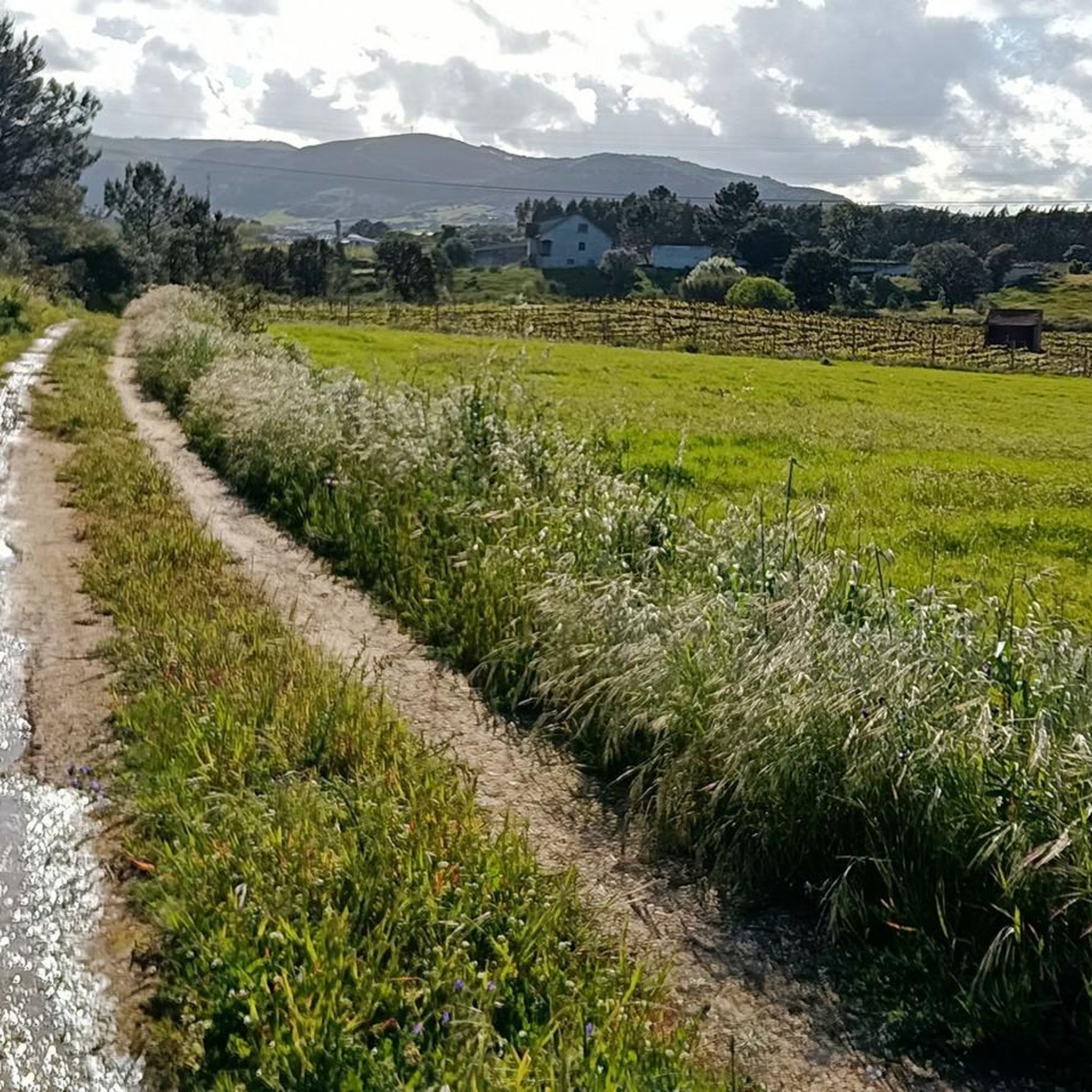
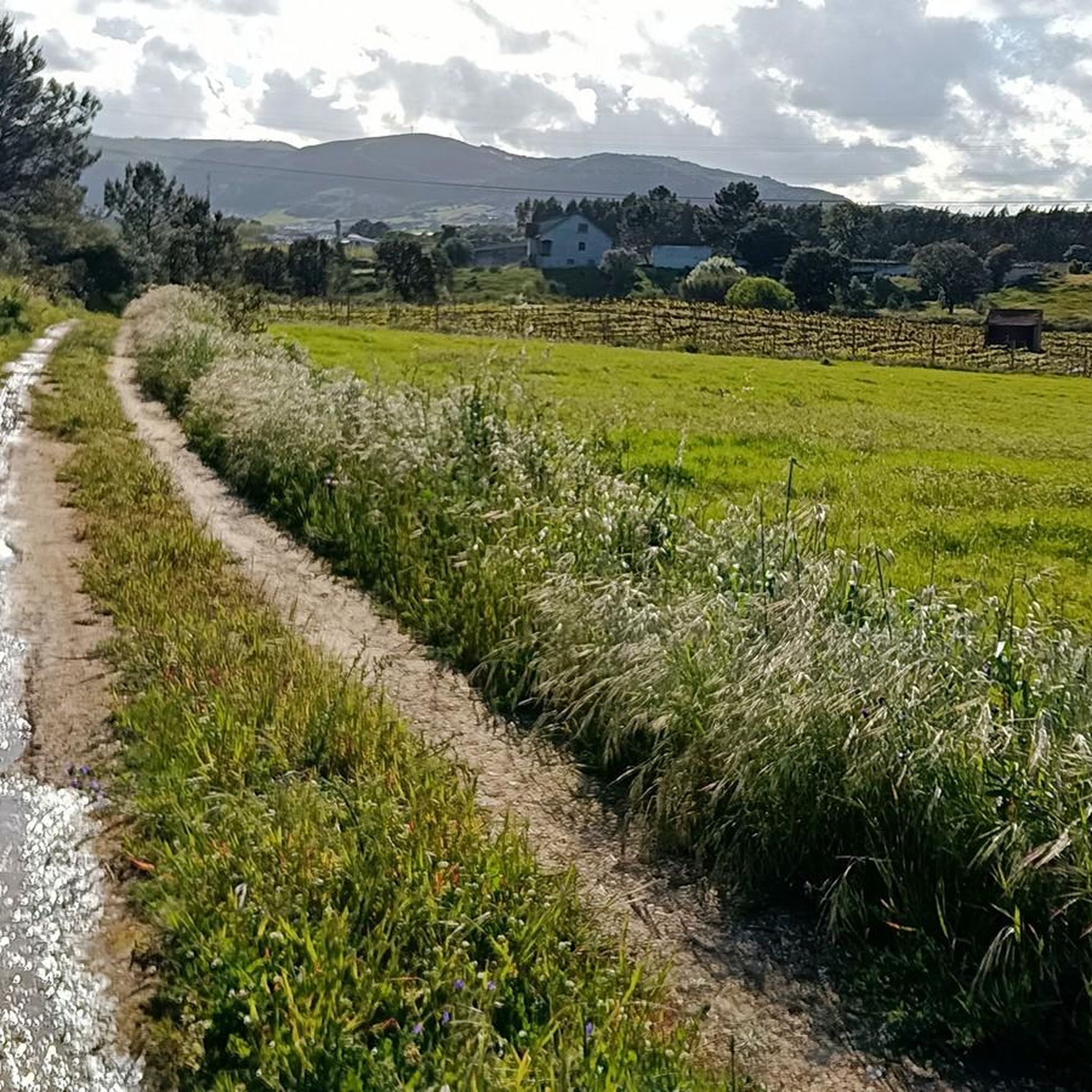
Turn boldly here and cross the sign area.
0
0

top to roll
1
0
old railway
0
0
The Óbidos Lagoon is the largest coastal lagoon system on the Portuguese coast. It has a total area of approximately 6.9 km2 and an average depth of two metres, with elevations ranging from half a metre to five metres. It extends upstream essentially through two channels, to the west by the Braço do Bom Sucesso, and to the east by the Braço da Barrosa. It shares a land border with the municipality of Caldas da Rainha to the north (parishes of Foz do Arelho and Nadadouro) and with the municipality of Óbidos to the south (parishes of Vau and Santa Maria). To the south is the Poça do Vau and to the west it is connected to the Poça das Ferrarias. It has a maximum length of 6 km and a width that varies between 1 and 1.5 km, with a preferential NW-SW orientation.
0
0

It is best to visit in the winter months, when you have air in the narrow streets
1
0

Just three kilometres from Rio Maior, on the southern tip of the Serra dos Candeeiros, lie the only inland salt pans in Portugal, and the only ones still active in the whole of Europe. Surrounded by vineyards and cultivated fields, they are a true wonder of nature, as the sea is 30 kilometres away. Their history dates back to at least 1177, but it is said that rock salt has been mined since prehistoric times. The water, seven times saltier than that of the ocean, emerges from a well after passing through an underground deposit, leaving behind the pure vestige of an ancient sea.
1
0
Frequently Asked Questions
What types of terrain can I expect on touring cycling routes around Asseiceira?
Asseiceira offers a diverse cycling experience with a mix of quiet roads, dedicated cycleways, and unpaved paths. You'll encounter varied terrain, from smooth stretches to gravel sections, providing options for different preferences and skill levels.
Are there any circular touring cycling routes in Asseiceira?
Yes, many touring cycling routes in Asseiceira are designed as loops. For example, the Óbidos Lagoon – Lagoa de Óbidos Gravel Trail loop from A dos Francos offers a challenging 58.9 km ride with gravel paths and lagoon views. Another option is the moderate Salinas de Rio Maior – Salinas Rio Major loop from Rio Maior, which is 22.6 km and takes you past the unique Rio Maior Salt Pans.
What natural features can I explore while touring cycling in Asseiceira?
The region is rich in natural wonders. You can cycle through the unique landscape of the Serra dos Candeeiros Wind Farm, which features a dirt road traversing its length and offers impressive views. The Paúl de Manique do Intendente is a significant natural heritage site known for its biodiversity, especially its avifauna. Don't miss the Bocas Gorge or the Fontainhas Cave for more natural exploration.
Are there any historical or cultural landmarks accessible by touring bike?
Absolutely. The region around Asseiceira is steeped in history. The Pilgrim's Retreat – Alcanede Castle loop from Estacionamento do Parque das Bocas de Rio Maior connects various historical sites with varied rural terrain. Just a short distance away, you can visit the UNESCO World Heritage-listed Templar Castle and Convent of the Knights of Christ in Tomar, a major cultural highlight.
What is the best time of year for touring cycling in Asseiceira?
While specific weather conditions can vary, the region generally offers pleasant conditions for cycling during spring and autumn. These seasons typically provide milder temperatures, which are ideal for longer rides and exploring the diverse landscapes without the intense heat of summer.
Are there any routes that pass by the Rio Maior Salt Pans?
Yes, the unique Rio Maior Salt Pans are a highlight of the region. The Salinas de Rio Maior – Salinas Rio Major loop from Rio Maior is a moderate 22.6 km route that specifically takes you past this natural wonder, surrounded by vineyards and farmland. You can also visit the Salinas Tourist Office for more information.
What are some challenging touring cycling routes in the area?
For experienced touring cyclists seeking a challenge, Asseiceira offers several difficult routes. The Óbidos Lagoon – Lagoa de Óbidos Gravel Trail loop from A dos Francos is a demanding 58.9 km ride with significant elevation. Another difficult option is the 77.1 km Pilgrim's Retreat – Alcanede Castle loop from Estacionamento do Parque das Bocas de Rio Maior, which features varied rural terrain and historical sites.
Are there any moderate touring cycling routes suitable for a less intense ride?
Yes, there are several moderate routes available. The View of Serra de Todo-o-Mundo – Figueirós Church loop from Rio Maior is a moderate 38.6 km route offering scenic views. Another moderate option is the Salinas de Rio Maior – Salinas Rio Major loop from Rio Maior, which is 22.6 km and takes you through interesting landscapes.
What do other touring cyclists say about the routes in Asseiceira?
The touring cycling routes in Asseiceira are highly regarded by the komoot community, with an average score of 5.0 stars. Cyclists often praise the varied terrain, which includes quiet roads and dedicated cycleways, and the unique natural features like the Rio Maior Salt Pans and the Serra dos Candeeiros Wind Farm.
How many touring cycling routes are available around Asseiceira?
There are over 15 touring cycling routes available around Asseiceira, offering a range of experiences from moderate to difficult. This variety ensures there's something for different skill levels and preferences.
Can I find routes that offer views of the surrounding landscape?
Many routes in Asseiceira provide excellent viewpoints. For instance, the Pina Manique Palace – View of Alcoentre loop from Rio Maior leads through rural landscapes and offers views towards Alcoentre. The Serra dos Candeeiros Wind Farm also provides impressive surrounding landscapes from its elevated position.
Most popular routes around Asseiceira
Most popular attractions around Asseiceira

Get inspired with the komoot mobile app


Explore more
Browse the best Cycling routes in other regions.
