The best road cycling routes around Marmeleira
4.5
(6)
178
riders
18
rides
Road cycling routes around Marmeleira traverse a landscape characterized by gentle river valleys, agricultural plains, and rolling hills. The region offers varied terrain suitable for road bikes, with routes often following the contours of the land and passing through rural settings. Elevations are generally moderate, providing a mix of flat sections and gradual climbs. This area is defined by its open spaces and the presence of features like the Salinas Rio Major.
Best road cycling routes around Marmeleira
- The most…
Last updated: May 28, 2026
27
riders
Moderate road ride. Good fitness required. Mostly well-paved surfaces and easy to ride.
17
riders
55.1km
02:23
500m
500m
Moderate road ride. Good fitness required. Mostly well-paved surfaces and easy to ride.

Sign up for free
4.5
(2)
11
riders
35.8km
01:31
260m
260m
Easy road ride. Great for any fitness level. Mostly well-paved surfaces and easy to ride.
5.0
(1)
9
riders
44.4km
01:56
300m
300m
Moderate road ride. Good fitness required. Some segments of this route may be unpaved and difficult to ride.
7
riders
36.1km
01:45
440m
440m
Moderate road ride. Good fitness required. Mostly well-paved surfaces and easy to ride.
Get access to more routes and recommendations from other explorers.
Sign up for free
Already have an account?
Our route recommendations are based on thousands of hikes, rides, and runs completed by other people on komoot.
Start today with a free account
Your next adventure awaits.
Login or Signup
Popular around Marmeleira
Tips from the Community

Val'Doce is a pastry shop of the same name located in the district of Santarém. Specifically, it is located in the town of Vale de Figueira. Information about Val'Doce Address: R. Dr. Vitor Semedo 8 B, 2000-741 Vale de Figueira, Portugal, in the district of Santarém. Specialties: Known for its varied pastries, hamburgers, and daily specials, such as soup. Opening Hours: Monday, Wednesday, Thursday: 7:00–22:30. Friday, Saturday: 7:00–00:00. Sunday: 8:00–22:30. Tuesday: Closed. Amenities: It has an outdoor seating area, is wheelchair accessible, and accepts credit cards.
1
0

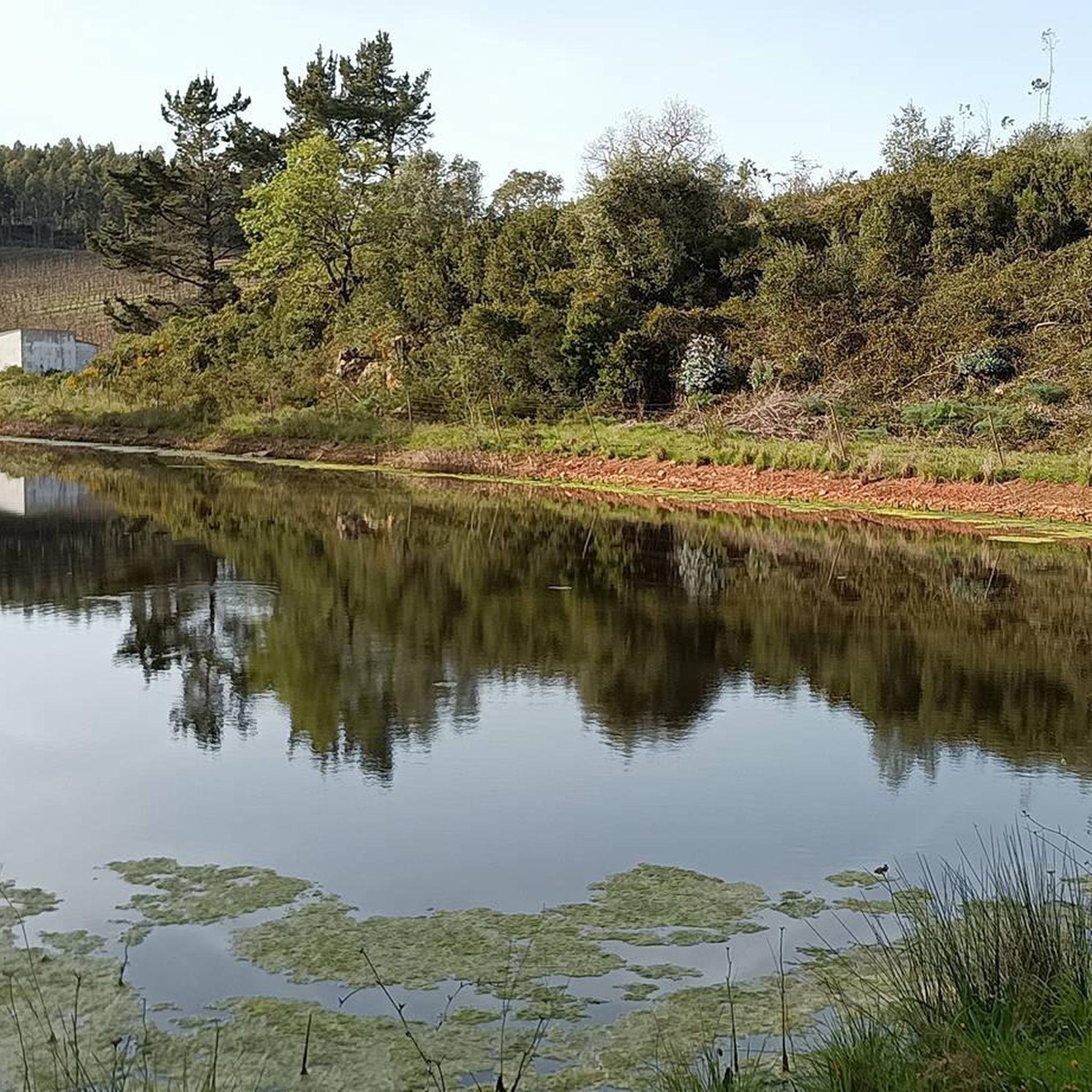
Salt is extracted from shallow, concrete or stone pans of varying sizes, where saltwater drawn from a well is conveyed through ditches. Currently, the water is pumped by a motor and distributed according to a system that is generally accepted and respected (not always) by all the owners. Drainpipes, threshing floors, and wooden salt storage houses complete the complex known as the Rio Maior Salt Pans. According to technicians, a large and deep rock salt mine, traversed by an underground stream that feeds a well, makes the extracted water salty, seven times saltier than seawater. The salt is obtained from its exposure to the sun and wind, and the resulting evaporation of the water. This salt is deposited at the bottom of the pans, which are then piled up in pyramid-shaped heaps to dry until harvest. The process is rudimentary and similar to that used in seaside salt mines. The only difference is the picturesque valley that surrounds them, the well, the unique style of the sailors (as the men who work in the salt mines are known), the wooden houses and the country air that you breathe.
0
0


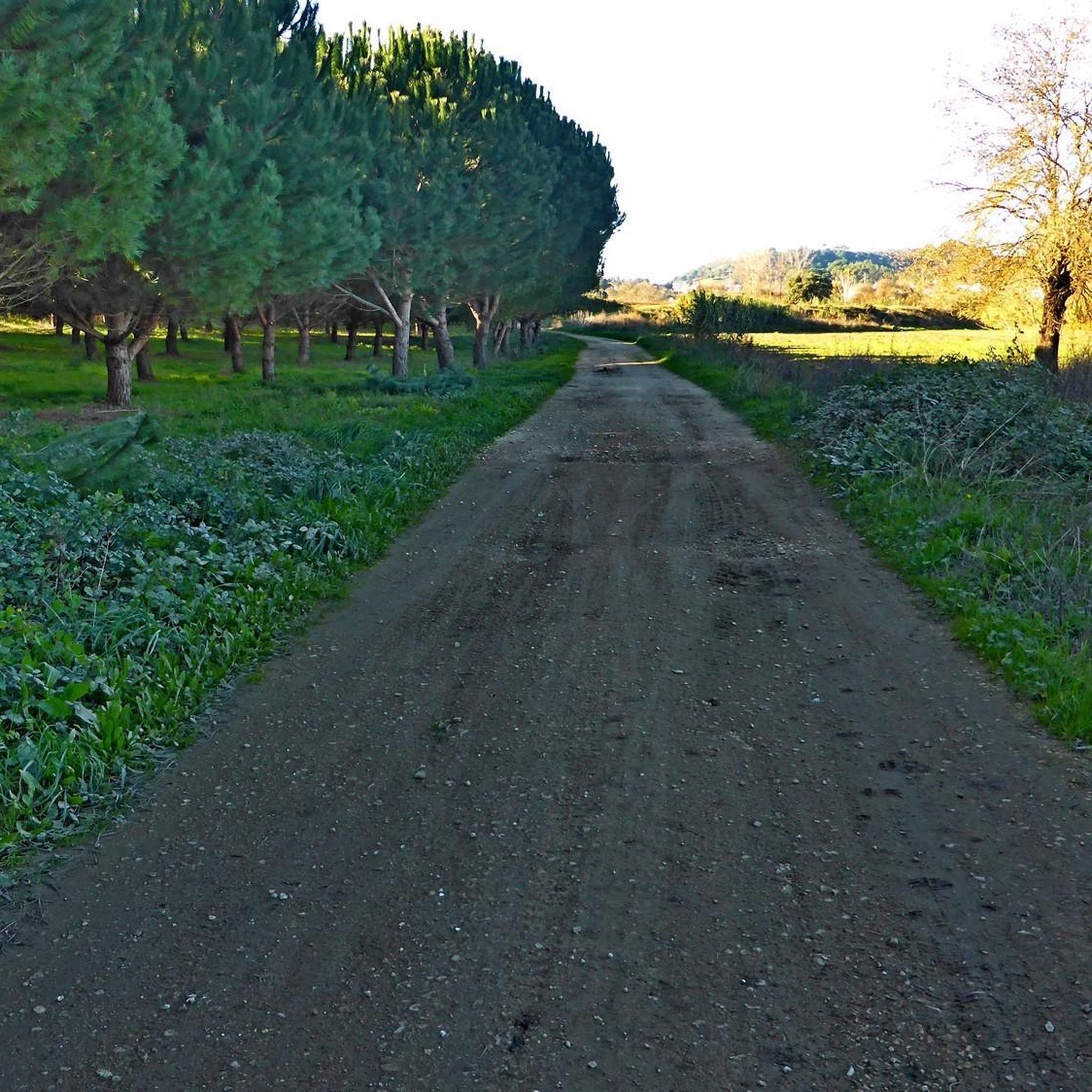
It's easier to ride a bike outside of rush hour.
0
0

In Fonte da Bica, the old school and the fountain that gives it its name mark the landscape. As you cross the village, you will be greeted by views of the salt pans and the typhonic valley, carved over millennia by the erosion of the salt deposited there since the Jurassic period.
1
0
Just three kilometres from Rio Maior, on the southern tip of the Serra dos Candeeiros, lie the only inland salt pans in Portugal, and the only ones still active in the whole of Europe. Surrounded by vineyards and cultivated fields, they are a true wonder of nature, as the sea is 30 kilometres away. Their history dates back to at least 1177, but it is said that rock salt has been mined since prehistoric times. The water, seven times saltier than that of the ocean, emerges from a well after passing through an underground deposit, leaving behind the pure vestige of an ancient sea.
1
0
The Rio Maior Salt Pans are located about 3 km from the city centre and are nestled in a valley at the foot of the Serra dos Candeeiros, in the heart of the Serras de Aire e Candeeiros Natural Park. Classified as a Property of Public Interest since December 1997, these are the only inland salt pans in Portugal, and the only ones in full operation in Europe. The first reference to their existence dates back to 1177, but it is thought that the use of rock salt was already being made in prehistoric times.
2
0
Frequently Asked Questions
How many road cycling routes are available around Marmeleira?
There are 19 road cycling routes around Marmeleira documented on komoot, offering a variety of experiences across the region's river valleys, agricultural plains, and rolling hills.
Are there easy road cycling routes suitable for beginners in Marmeleira?
Yes, Marmeleira offers 3 easy road cycling routes. A great option for beginners is the Valdoce – Restaurante O Torgal loop from Romeira e Várzea, which is 22.2 miles (35.8 km) long and leads through a pleasant valley.
Are there any challenging road cycling routes in Marmeleira?
While the region is characterized by moderate elevations, there is 1 difficult road cycling route available for those seeking a greater challenge. The terrain generally offers a mix of flat sections and gradual climbs.
What kind of terrain can I expect on road cycling routes in Marmeleira?
Road cycling routes around Marmeleira traverse a landscape characterized by gentle river valleys, agricultural plains, and rolling hills. Elevations are generally moderate, providing a mix of flat sections and gradual climbs, with routes often following the contours of the land and passing through rural settings.
Are there any circular road cycling routes in Marmeleira?
Yes, many routes in Marmeleira are designed as loops. For example, the popular Salinas Rio Major – Salinas de Rio Maior loop from Romeira e Várzea is a 45.6 miles (73.5 km) route exploring the area around the salt pans and river. Another option is the Salinas Rio Major – Salinas de Rio Maior loop from Quintas, a 34.3 miles (55.1 km) path offering views of agricultural landscapes.
What can I see along the road cycling routes in Marmeleira?
Along the routes, you can explore various points of interest. Consider visiting the historic Pina Manique Palace, the serene Paúl de Manique do Intendente, or the ancient Assentiz Roman Bridge. The region also features the Royal Monastery of St. Mary of Almoster and the Roman Bridge of Almoster.
What do other road cyclists enjoy most about road cycling in Marmeleira?
The road cycling routes in Marmeleira are highly rated by the komoot community, with an average score of 4.5 stars. Reviewers often praise the varied terrain, which includes river valleys and rolling hills, and the opportunity to explore rural settings like the Salinas Rio Major.
Are there any road cycling routes that pass through Valada?
Yes, the Valada and the river loop from Vila Nova de São Pedro is a moderate 44.4 km route that takes you through Valada and along the river, offering scenic views.
What is the best season for road biking in Marmeleira?
Given the agricultural plains and open spaces, spring and autumn generally offer the most pleasant conditions for road cycling in Marmeleira, with milder temperatures and less intense sun than the peak summer months.
Are there less crowded road cycling routes available in Marmeleira?
While popular routes like those around Salinas Rio Major attract many cyclists, exploring some of the lesser-known loops, such as the Roadbike loop from Malaqueijo, might offer a quieter experience. This route is 36.1 km long and features moderate difficulty.
Is Marmeleira suitable for family-friendly road cycling?
Marmeleira offers 3 easy routes that could be suitable for families, depending on their experience level. These routes typically feature moderate elevations and pass through rural settings, providing a pleasant environment for a family ride. Always check the specific route details for distance and elevation to ensure it matches your family's capabilities.
Most popular routes around Marmeleira
Most popular attractions around Marmeleira

Get inspired with the komoot mobile app


Explore more
Browse the best Road cycling routes in other regions.
