The best walks and hikes around Outeiro Da Cortiçada
4.7
(9)
32
hikers
7
hikes
Hiking around Outeiro Da Cortiçada offers access to the Serras de Aire e Candeeiros Natural Park, characterized by a distinctive karstic landscape. This terrain features limestone ridges, dolines, and an intricate underground network. The region also includes unique features like the Rio Maior Salt Pans, the only inland salt pans in Portugal.
Best hiking trails around Outeiro Da Cortiçada
- The most popular hiking route is Old Water Mill – Abandoned Mill loop from Rio Maior, a 4.8 miles (7.8…
Last updated: May 11, 2026
4.0
(3)
7
hikers
7.81km
02:11
150m
150m
Moderate hike. Good fitness required. Easily-accessible paths. Suitable for all skill levels.
5.0
(1)
5
hikers
Moderate hike. Good fitness required. Easily-accessible paths. Suitable for all skill levels.

Sign up for free
3
hikers
5.04km
01:20
50m
50m
Easy hike. Great for any fitness level. Easily-accessible paths. Suitable for all skill levels.
4.5
(2)
2
hikers
6.57km
01:47
90m
90m
Easy hike. Great for any fitness level. Easily-accessible paths. Suitable for all skill levels.
3
hikers
12.5km
03:24
170m
170m
Moderate hike. Good fitness required. Easily-accessible paths. Suitable for all skill levels.
Get access to more routes and recommendations from other explorers.
Sign up for free
Already have an account?
Our route recommendations are based on thousands of hikes, rides, and runs completed by other people on komoot.
Start today with a free account
Your next adventure awaits.
Login or Signup
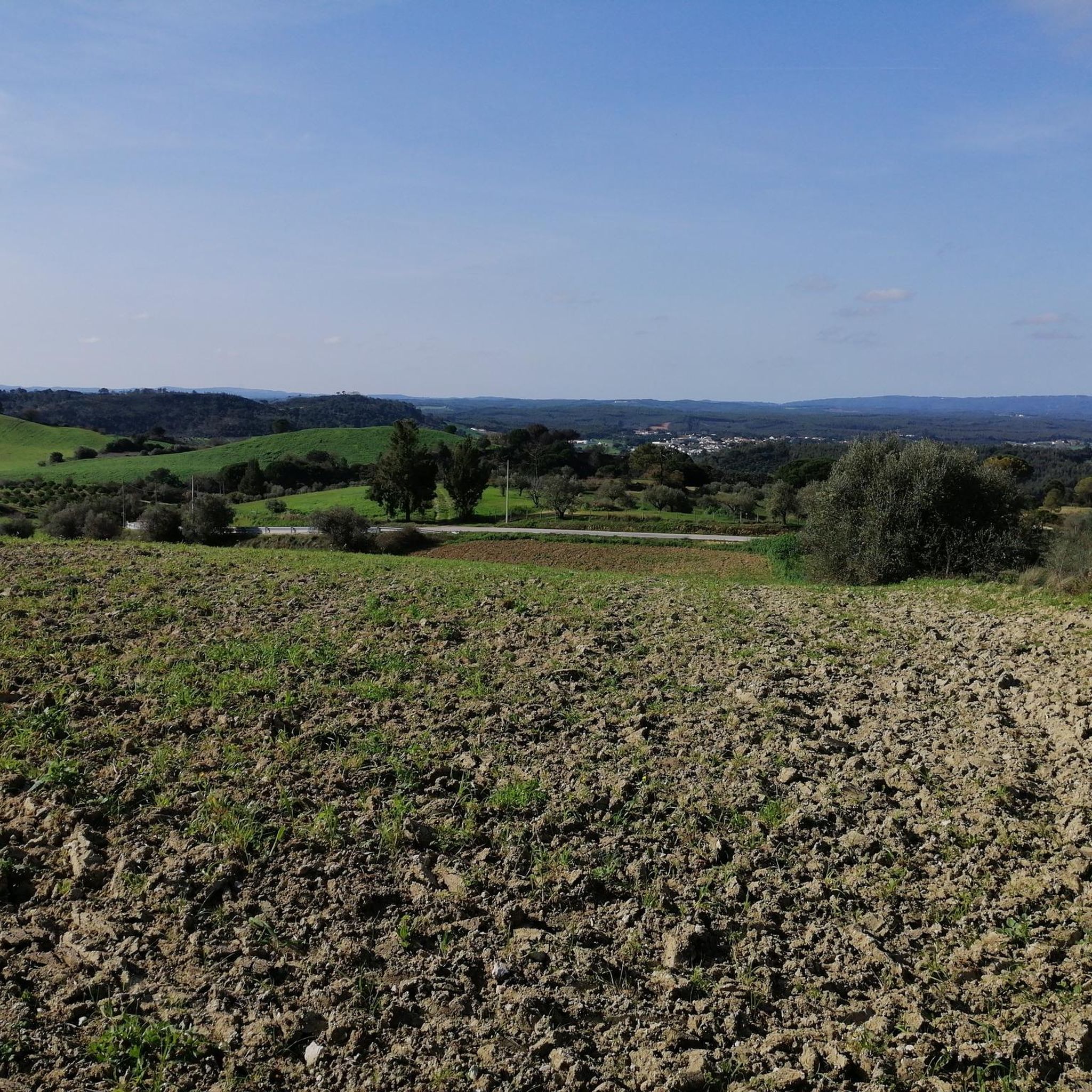
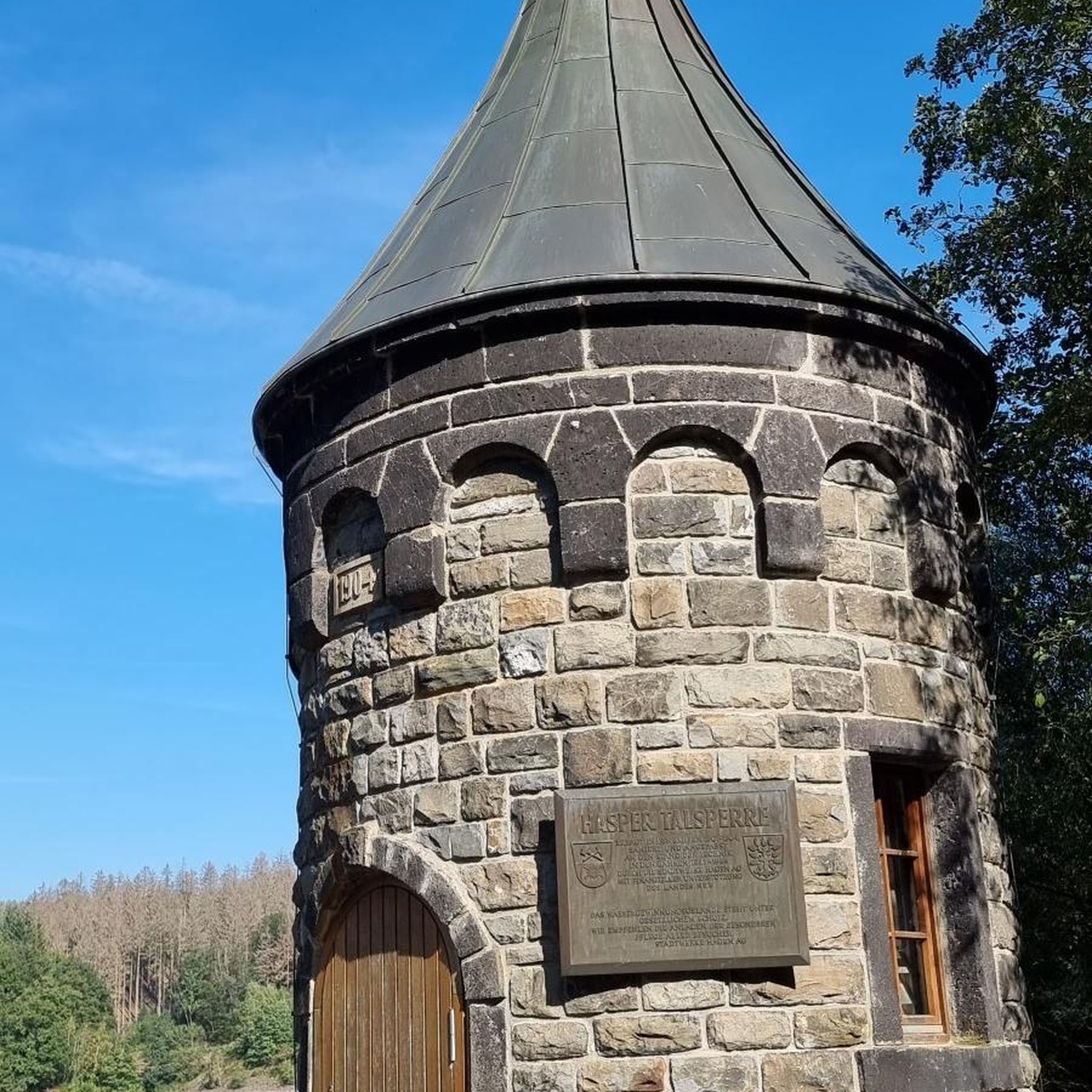
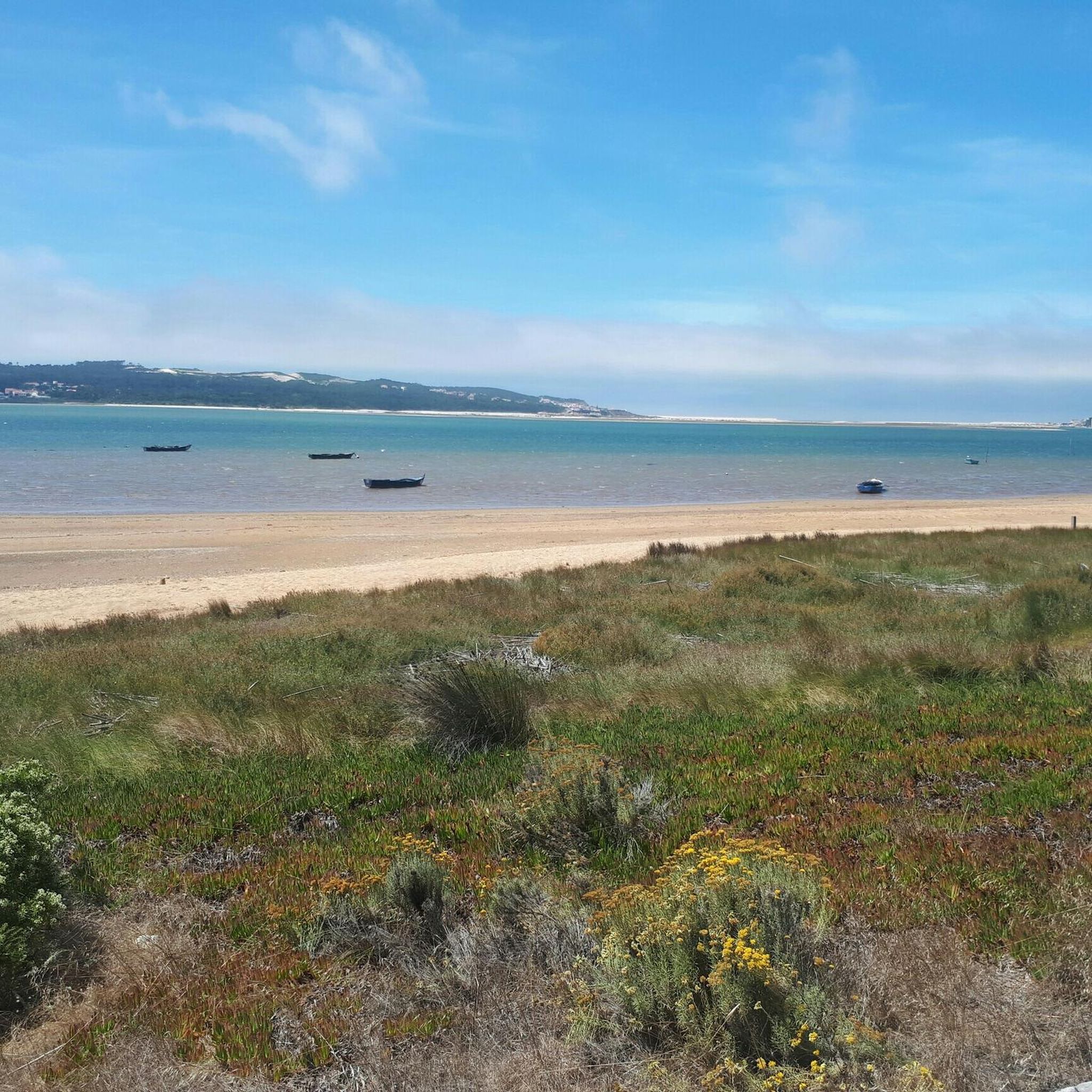
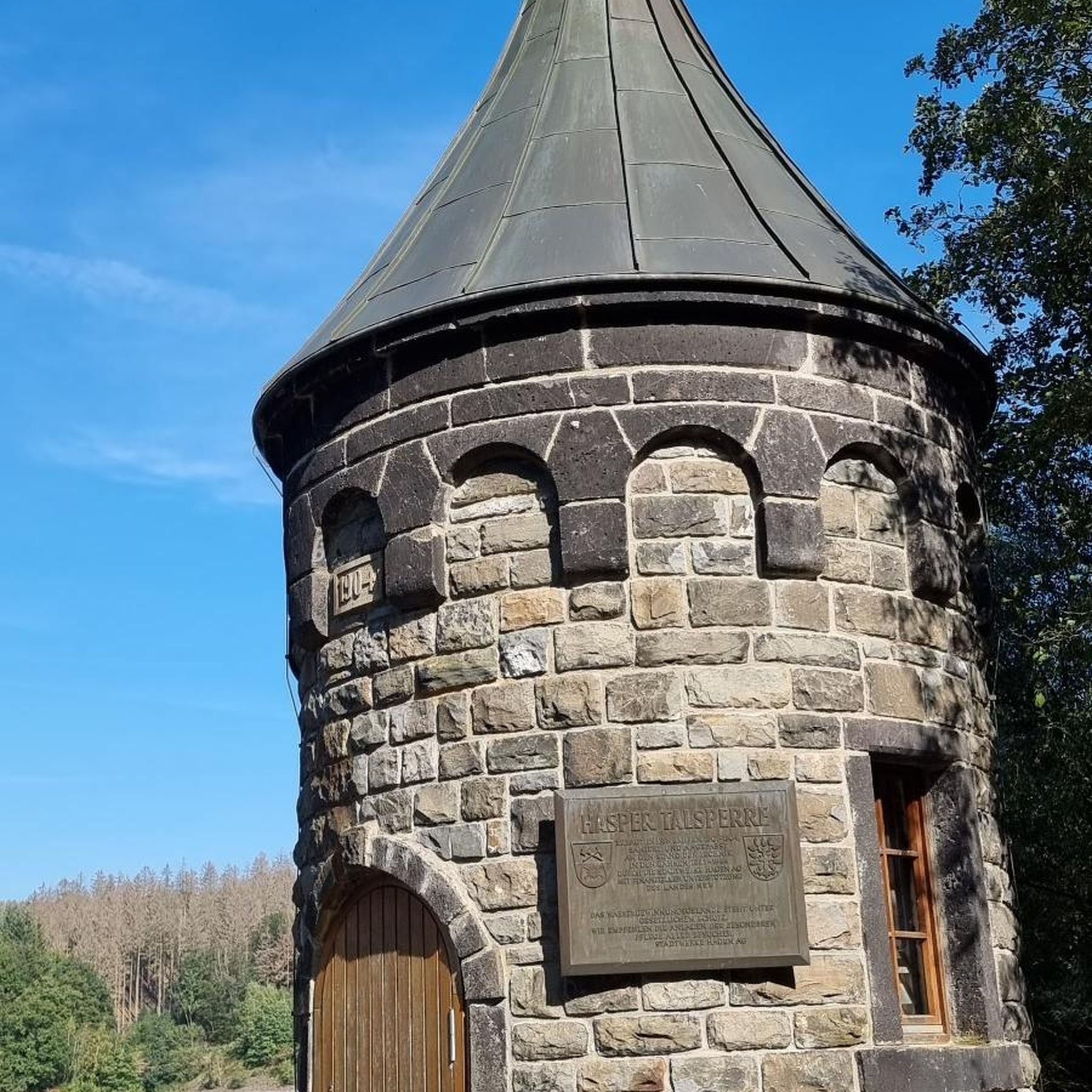
Tips from the Community

Salt is extracted from shallow, concrete or stone pans of varying sizes, where saltwater drawn from a well is conveyed through ditches. Currently, the water is pumped by a motor and distributed according to a system that is generally accepted and respected (not always) by all the owners. Drainpipes, threshing floors, and wooden salt storage houses complete the complex known as the Rio Maior Salt Pans. According to technicians, a large and deep rock salt mine, traversed by an underground stream that feeds a well, makes the extracted water salty, seven times saltier than seawater. The salt is obtained from its exposure to the sun and wind, and the resulting evaporation of the water. This salt is deposited at the bottom of the pans, which are then piled up in pyramid-shaped heaps to dry until harvest. The process is rudimentary and similar to that used in seaside salt mines. The only difference is the picturesque valley that surrounds them, the well, the unique style of the sailors (as the men who work in the salt mines are known), the wooden houses and the country air that you breathe.
0
0

Just three kilometres from Rio Maior, on the southern tip of the Serra dos Candeeiros, lie the only inland salt pans in Portugal, and the only ones still active in the whole of Europe. Surrounded by vineyards and cultivated fields, they are a true wonder of nature, as the sea is 30 kilometres away. Their history dates back to at least 1177, but it is said that rock salt has been mined since prehistoric times. The water, seven times saltier than that of the ocean, emerges from a well after passing through an underground deposit, leaving behind the pure vestige of an ancient sea.
1
0
The Rio Maior Salt Pans are located about 3 km from the city centre and are nestled in a valley at the foot of the Serra dos Candeeiros, in the heart of the Serras de Aire e Candeeiros Natural Park. Classified as a Property of Public Interest since December 1997, these are the only inland salt pans in Portugal, and the only ones in full operation in Europe. The first reference to their existence dates back to 1177, but it is thought that the use of rock salt was already being made in prehistoric times.
2
0

The Rio Maior Salt Pans are located about 3 km from the city center and nestled in a valley at the foot of the Serra dos Candeeiros, in the heart of the Serras de Aire e Candeeiros Natural Park. Classified as a Property of Public Interest since December 1997, these are the only inland salt pans in Portugal, and the only ones fully operational in Europe. The first reference to their existence dates back to 1177, but it is thought that rock salt mining has been practiced since prehistoric times. Surrounded by vineyards and farmland, they are considered a natural wonder, as the ocean is 30 km away. The salt is a vestige of the sea's presence in ancient times. The water, about seven times saltier than seawater, comes from a well after passing through a rock salt deposit. Visit the Salinas Tourist Office for information, maps, and guided tours. How to Get There: Latitude +39° 21' 52.57, Longitude -8° 56' 40.62
0
0

Frequently Asked Questions
How many hiking trails are available around Outeiro Da Cortiçada?
There are 7 hiking routes available around Outeiro Da Cortiçada, offering a mix of easy and moderate trails suitable for various fitness levels. These routes explore the unique karstic landscape and historical sites of the region.
What kind of landscape can I expect to see while hiking in Outeiro Da Cortiçada?
The region around Outeiro Da Cortiçada is characterized by a distinctive karstic landscape, featuring dramatic limestone ridges, dolines, and an intricate underground network of caves. You'll also encounter the 'puzzle of grey stone walls' (chousos) and 'maroiços' (piles of stones) that are unique to the Serras de Aire e Candeeiros Natural Park.
Are there any family-friendly hiking options in Outeiro Da Cortiçada?
Yes, there are several easy routes suitable for families. For instance, the Parque do Rio – Roman Villa loop from Rio Maior is an easy 5.0 km trail that takes about 1 hour 20 minutes, leading through local parks and historical sites. Another easy option is the Cabeça Gorda loop from Casais de Maria Delfina, which is 6.6 km long.
What are some notable natural attractions or landmarks to see on a hike?
A must-see attraction is the Rio Maior Salt Pans, the only inland salt pans in Portugal, where you can witness traditional salt extraction methods. The region is also part of the Serras de Aire e Candeeiros Natural Park, known for its impressive cave systems like Mira de Aire Caves and the Natural Monument of Dinosaur Footprints, which features one of the world's largest collections of sauropod dinosaur tracks.
Are there any circular hiking routes available?
Yes, many of the routes around Outeiro Da Cortiçada are circular. Examples include the Old Water Mill – Abandoned Mill loop from Rio Maior, a moderate 7.8 km trail, and the Cineteatro de Rio Maior – Salinas de Rio Maior loop from Rio Maior, which is 8.3 km and offers views of the salt pans.
What do other hikers say about the trails in Outeiro Da Cortiçada?
The hiking routes in Outeiro Da Cortiçada are highly rated by the komoot community, with an average score of 4.7 stars from around 9 reviews. Hikers often praise the unique karstic landscapes, the historical significance of sites like the Rio Maior Salt Pans, and the well-maintained paths that offer a blend of nature and cultural exploration.
Are there any longer or more challenging hikes for experienced trekkers?
While most routes are easy to moderate, the Salinas Rio Major – Salinas de Rio Maior loop from Rio Maior is a moderate 12.5 km trail that offers a longer experience, taking you through the area's distinctive scenery and past the salt pans. For those seeking even longer distances, the GR30 - Grande Rota das Serras de Aire e Candeeiros is a long-distance trail covering approximately 100 kilometers within the natural park, though specific segments may need to be planned.
Can I find historical sites or ancient structures along the trails?
Absolutely. The region is rich in history. Besides the ancient Rio Maior Salt Pans, you can explore sites like the Assentiz Roman Bridge or the Royal Monastery of St. Mary of Almoster. The Parque do Rio – Roman Villa loop from Rio Maior specifically highlights historical sites.
What is the best time of year to go hiking in Outeiro Da Cortiçada?
The region's Mediterranean climate generally makes spring and autumn ideal for hiking, with milder temperatures and lush landscapes. Summers can be hot, especially in the karstic terrain, so early mornings or late afternoons are recommended if hiking during this season. Winters are generally mild, but some trails might be damp.
Are there any unique geological features to observe?
Yes, the area is renowned for its unique geology. The entire region is part of a significant karstic landscape, featuring limestone ridges, dolines, and an extensive underground cave network. A notable geological wonder is the Fórnea Walking Trail, which showcases a 250m-high amphitheater with a 500m diameter, offering impressive views of diverse vegetation and rock formations.
Are there options for parking near the trailheads?
Many of the hiking routes around Outeiro Da Cortiçada, particularly those starting from towns like Rio Maior, typically offer accessible parking options. It's advisable to check the specific tour details on komoot for information regarding parking facilities at individual trailheads.
What kind of wildlife might I encounter?
The Serras de Aire e Candeeiros Natural Park provides a habitat for diverse fauna. While hiking, you might spot various bird species, including eagles, and smaller mammals like foxes. The unique ecosystem supports a range of biodiversity adapted to the karstic environment.
Most popular attractions around Outeiro Da Cortiçada

Get inspired with the komoot mobile app


Explore more
Browse the best Hikes in other regions.
