Attractions and Places To See around Santarém (Marvila) - Top 20
Best attractions and places to see around Santarém (Marvila) include a mix of historical landmarks and scenic viewpoints. Santarém, often called the "Gothic Capital" of Portugal, is situated overlooking the Tagus River, providing a strategic location with panoramic views. The area features remnants of its Moorish past and significant religious architecture, reflecting centuries of history. Visitors can explore a variety of cultural sites and enjoy the natural landscape of the Tagus valley.
Best attractions and places to see around Santarém…
Last updated: July 2, 2026
Roman Bridge of Muge
Highlight • Bridge
The Roman presence in the parish of Muge is clearly evident in the …
Translated by Google •
Tip by

Ponte D. Luís I of Santarém
Highlight • Bridge
It was inaugurated on September 17, 1881 …
Translated by Google •
Tip by

Sign up now to discover places like this
Get recommendations on the best single tracks, peaks, & plenty of other exciting outdoor places.
Sign up for free
Cathedral of Santarém
Highlight • Religious Site
Translated by Google •
Tip by

Ponte Rainha D. Amélia
Highlight • Bridge
Translated by Google •
Tip by
Hoopoe Mural by Bordalo II, Rua 1º de Novembro, Santarém
Highlight • Monument
Translated by Google •
Tip by
Sign up for free to discover even more attractions around Santarém (Marvila).
Sign up for free
Already have an account?
Start today with a free account
Your next adventure awaits.
Login or Signup

Tips from the Community

Built during the Roman period, it is an important vestige of that people's presence in the municipality. The Roman presence in the parish of Muge is clearly evident in the area of Porto de Sabugueiro. The most striking vestiges of this historical period are found here. Porto de Sabugueiro, due to its proximity to the Tagus River, was an important river port during the Roman period. Excavations and published studies define this location as an important Roman village, with ceramic production, due to the existence of a ceramic kiln found here in the 1960s. Approximately 400 meters from this location is the Roman Bridge, which crosses the Muge stream. The construction techniques used, especially in the larger arch, undoubtedly indicate a Roman origin; however, the two smaller arches, due to their typology, are attributable to the Middle Ages. This bridge was one of the main crossing points connecting Muge to the interior of the country (Alentejo) and to the city of Santarém. It possesses undeniable historical value, forming part of the memory and heritage identity of the municipality of Salvaterra de Magos. (Source: www.salvaterrademagos.pt)
16
0

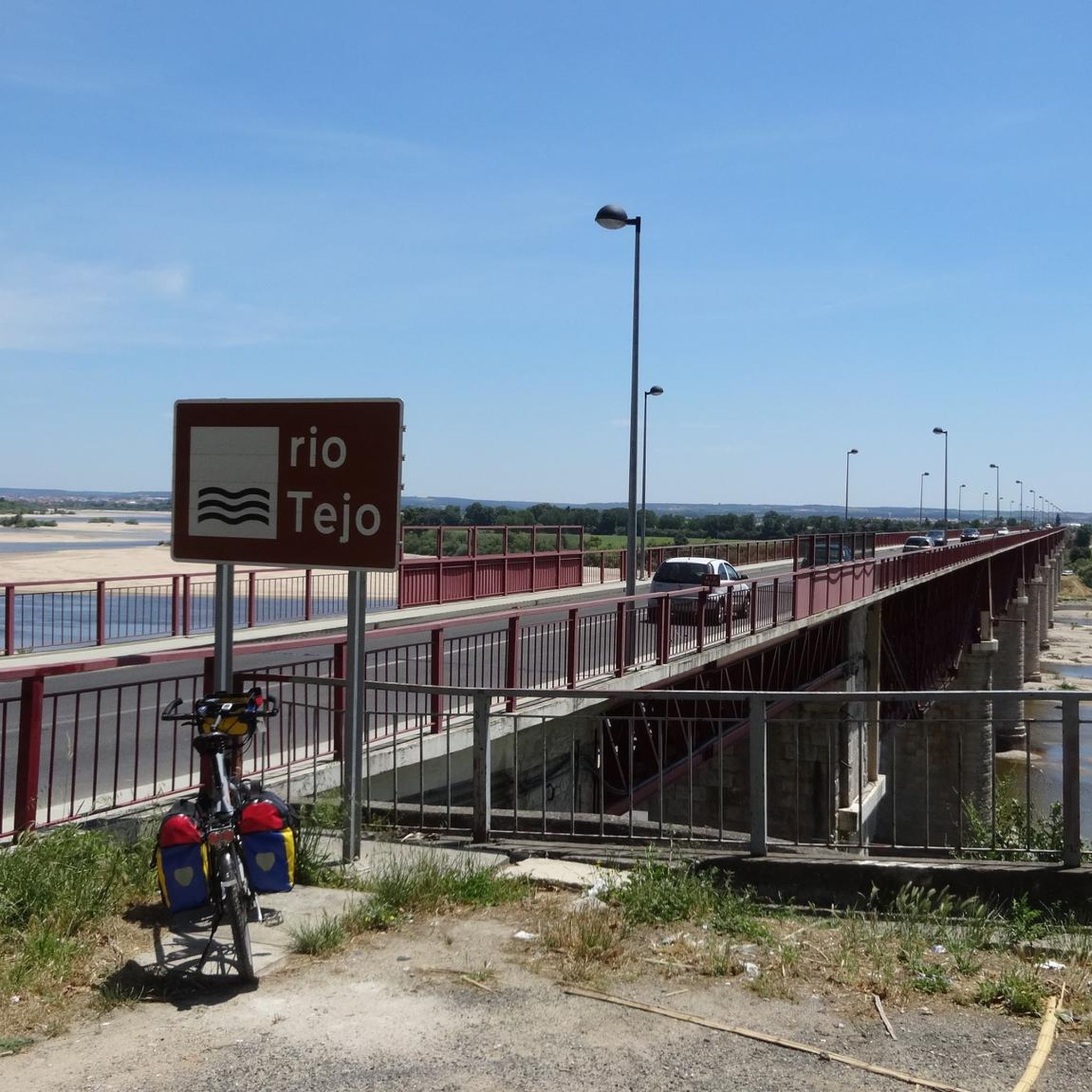
Ride on the path dedicated for bikes. The road isn’t suitable for bikes, rough and slippery.
1
0

Watch out it can be slippery
1
0

The city has a certain charm, but it has faded for many years... As if the city had its heyday in the 1980s. Unfortunately, many shops are empty and the houses are falling into disrepair. Here and there, restoration and new construction is taking place, after all, it has remained Portuguese since 1147 AD. What is still very well preserved is the market hall with its typical ceramic tiles.
10
2
I can only agree with Marian, it is really beautiful and impressive, and the location is well chosen. Along with the bee in Lisbon and the rabbit in Porto, this is another work of art made from rubbish.
23
2

Worth seeing cathedral on the main square of the city of Santarem. Headquarters of the diocese of Santarém. The gilded wood carvings in the side altars are beautiful.
2
9

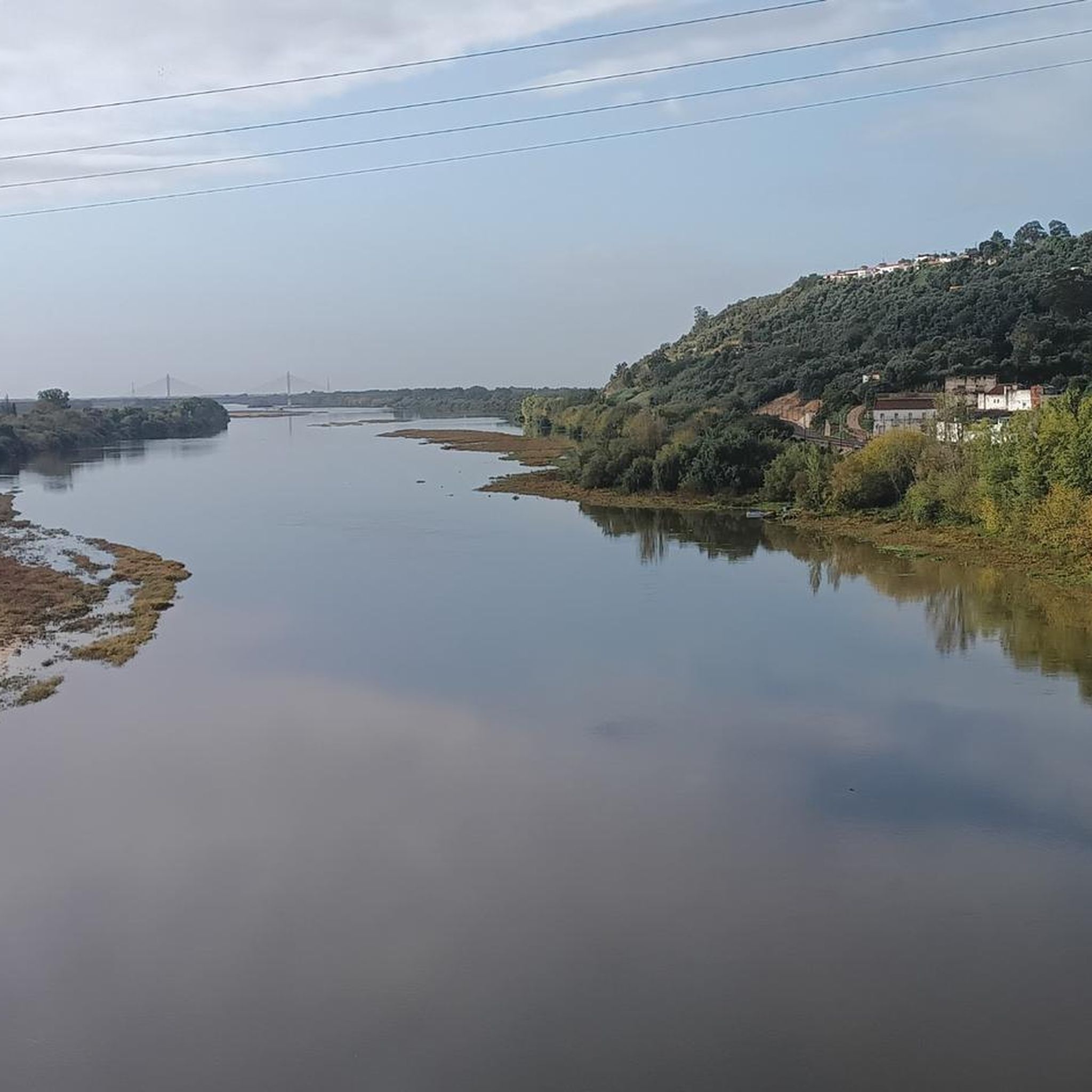
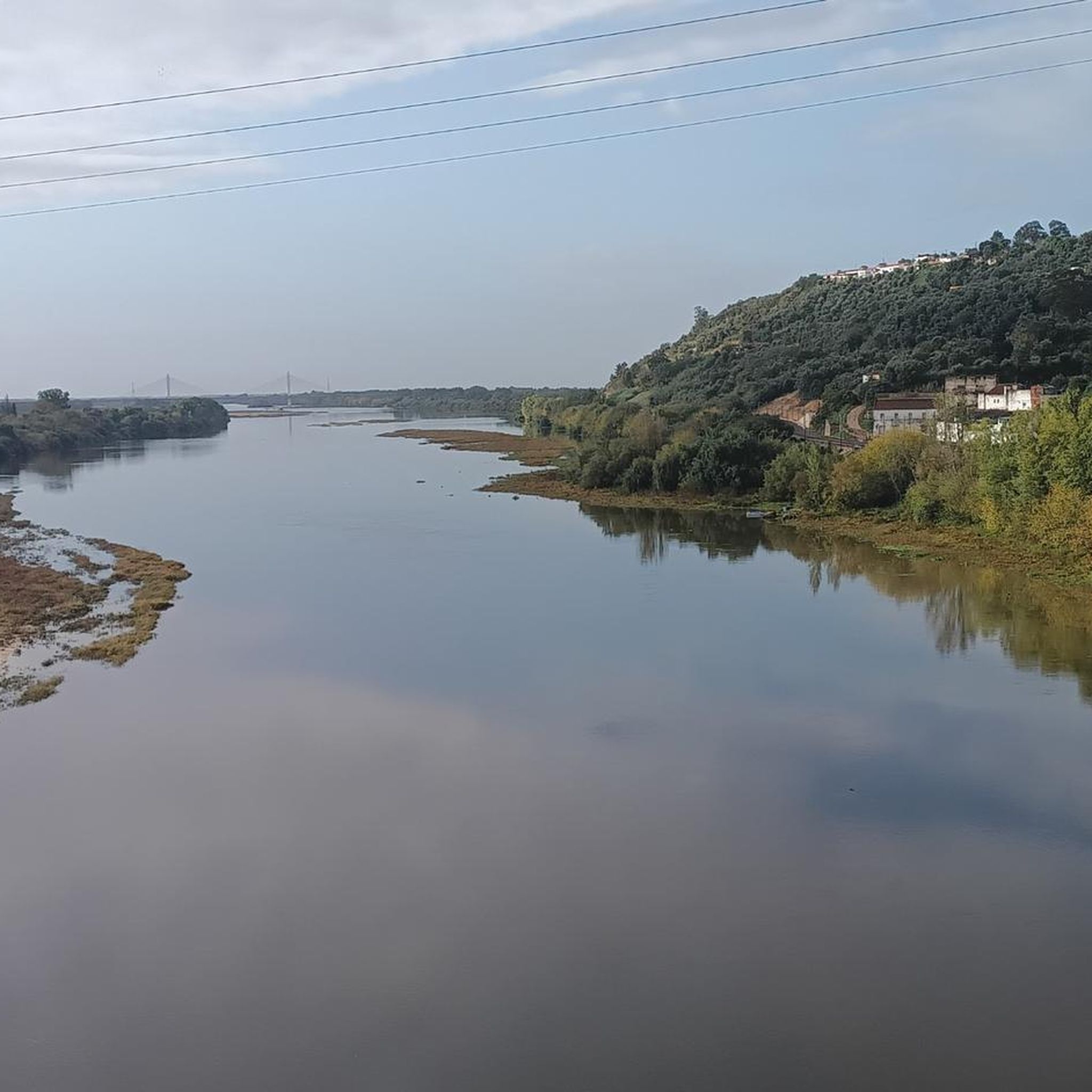
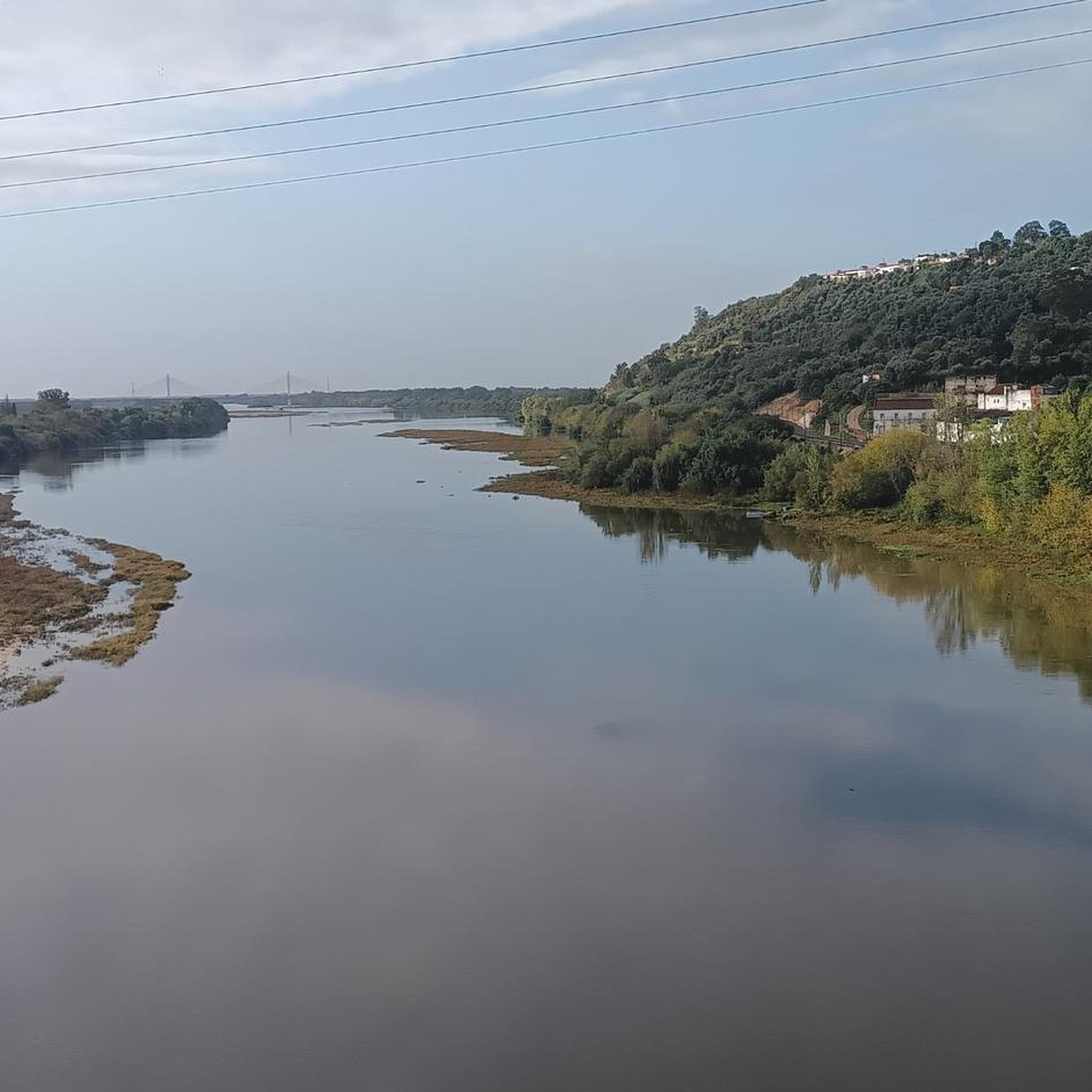
The Rainha D. Amélia Bridge, also known as Ponte D. Amélia, is an old railway bridge inaugurated on January 14, 1904. It was later converted to road use, with alternating circulation in both directions. The bridge allows pedestrians or bicycles to cross it via two narrow side roads. Crossing it is always a strong emotion.
6
0
Roman bridge, renovated in medieval times, which crosses the Muge stream, with a pebble deck and guardrails opened through slits, resting on 3 unequal arches, with a perfect turn. From the construction apparatus used, especially the larger arch, it is undoubtedly Roman in origin, however the other two smaller arches, due to their typology, are attributable to the Middle Ages. This Bridge was once one of the main crossing points, which connected Muge, both to the interior of the country (Alentejo) and to the city of Santarém.
8
0
Frequently Asked Questions
What historical sites can I explore in Santarém (Marvila)?
Santarém, often called the "Gothic Capital," offers a rich history. You can visit the Cathedral of Santarém, originally a Jesuit College, or the Igreja de Santa Maria de Marvila, known for its 17th-century azulejo panels. Other significant sites include the Torre das Cabaças, a former fortification now housing a museum, the Igreja da Graça, and the Convento de São Francisco.
Where can I find the best panoramic views of Santarém and the Tagus River?
For breathtaking panoramic views, head to the Portas do Sol Garden and Viewpoint. This iconic spot, built on the site of the former Moorish castle, offers expansive vistas of the city, the Tagus River, and the surrounding countryside. Another excellent viewpoint is the Miradouro de São Bento, providing enchanting panoramas of the Tagus Valley.
Are there any unique museums in Santarém (Marvila)?
Yes, Santarém (Marvila) features several unique museums. The Torre das Cabaças houses a museum dedicated to the interpretation of Time by Man. The Museu Diocesano, located within the cathedral complex, showcases religious artwork from the 1200s to the present. Additionally, the Museu Municipal de Santarém, housed in the former Church of São João de Alporão, holds valuable collections of archaeology and local sculpture.
What natural attractions are near Santarém (Marvila)?
While Santarém (Marvila) itself is known for its urban historical sites, the wider region offers natural beauty. The city overlooks the Tagus River, providing scenic views from various points. Nearby, you can explore the Serra de Aire e Candeeiros Natural Park, known for its limestone cliffs and caves, or visit the unique inland salt pans of Salinas de Rio Maior.
What cycling routes are available around Santarém (Marvila)?
The area around Santarém (Marvila) offers various cycling opportunities. For road cycling, you can find routes like the 'Marechal Carmona Bridge – Ponte D. Luís I of Santarém loop' or the 'Ponte D. Luís I of Santarém – Golegã loop'. For general cycling, consider the 'Pilgrims' Swing – Valada Village loop'. You can find more details and routes on the Cycling around Santarém (Marvila) guide.
Are there mountain biking trails near Santarém (Marvila)?
Yes, mountain biking enthusiasts will find trails around Santarém (Marvila). Options include the 'Start of EPAL Road loop from São Salvador' or the 'Queen Dona Amélia Bridge – Beira Tejo Boat in Valada loop'. These routes offer a mix of terrain for different skill levels. Explore more trails on the MTB Trails around Santarém (Marvila) guide.
What is the Hoopoe Mural by Bordalo II?
The Hoopoe Mural by Bordalo II is a striking piece of street art located on Rua 1º de Novembro in the historic center. Inaugurated in 2022, this six-meter-tall figure is uniquely crafted from recycled rubbish by the artist Bordalo II, known for his works that highlight environmental issues. It's a very unique and impressive sight.
Are there any family-friendly attractions in Santarém (Marvila)?
Many of Santarém's historical sites can be engaging for families. The Cathedral of Santarém is listed as family-friendly. Exploring the Portas do Sol Garden and Viewpoint offers open space and scenic views for all ages. The Mercado Municipal, with its impressive azulejo panels depicting local history, can also be an interesting visit for families.
What do visitors enjoy most about the attractions in Santarém (Marvila)?
Visitors particularly appreciate the historical significance and the panoramic views. Highlights like the Ponte Rainha D. Amélia are praised for superb views of the Tagus. The Roman Bridge of Muge is valued for its historical context and construction techniques. The city's charm, despite some areas showing age, and the well-preserved market hall with its ceramic tiles are also frequently mentioned.
Can I see traditional Portuguese azulejos in Santarém (Marvila)?
Absolutely. The Igreja de Santa Maria de Marvila is particularly renowned for its impressive azulejo panels from the 17th century, covering its interior walls. It's considered a genuine school of azulejo art, showcasing different variations. Additionally, the Mercado Municipal, dating to 1928, features 63 glazed tile panels depicting the history of agriculture and trade in the region.
What is the significance of the bridges around Santarém (Marvila)?
The bridges around Santarém (Marvila) are significant historical and architectural landmarks. The Ponte Rainha D. Amélia offers superb views of the Tagus. The Roman Bridge of Muge showcases ancient Roman and medieval construction. The Ponte D. Luís I of Santarém, inaugurated in 1881, was once one of the largest iron bridges globally and is a notable example of iron architecture.
Is Santarém (Marvila) accessible for visitors with wheelchairs?
While many historic areas can present challenges, some attractions offer better accessibility. The Hoopoe Mural by Bordalo II is listed as wheelchair accessible. It's advisable to check specific venues or contact them directly for detailed accessibility information before your visit.
Most popular routes around Santarém (Marvila)

Get inspired with the komoot mobile app


Explore more
Still not found the Highlight you’re looking for? See guides of the top attractions in other regions:
