The best walks and hikes around Alviobeira
4.4
(134)
586
hikers
17
hikes
Hiking around Alviobeira offers a diverse landscape characterized by natural forests, historical waterways, and riverine environments. The region features varied terrain, including paths through areas like the Seven Hills National Forest and routes alongside ancient structures such as the Aqueduto do Convento de Cristo. Hikers can explore trails that connect natural scenery with historic sites near Tomar, often encountering diverse vegetation and wildlife. The presence of river beaches also provides picturesque starting or ending points for routes.
Best hiking trails…
Last updated: May 11, 2026
4.6
(10)
63
hikers
5.44km
01:29
80m
80m
Easy hike. Great for any fitness level. Easily-accessible paths. Suitable for all skill levels.
4.7
(10)
24
hikers
9.03km
02:28
140m
140m
Moderate hike. Good fitness required. Easily-accessible paths. Suitable for all skill levels.

Sign up for free
3.2
(6)
16
hikers
10.9km
02:54
110m
110m
Moderate hike. Good fitness required. Easily-accessible paths. Suitable for all skill levels.
4.2
(10)
23
hikers
4.75km
01:22
120m
120m
Easy hike. Great for any fitness level. Easily-accessible paths. Suitable for all skill levels.
3.4
(7)
19
hikers
6.24km
01:44
110m
110m
Easy hike. Great for any fitness level. Easily-accessible paths. Suitable for all skill levels.
Get access to more routes and recommendations from other explorers.
Sign up for free
Already have an account?
Our route recommendations are based on thousands of hikes, rides, and runs completed by other people on komoot.
Start today with a free account
Your next adventure awaits.
Login or Signup

Tips from the Community


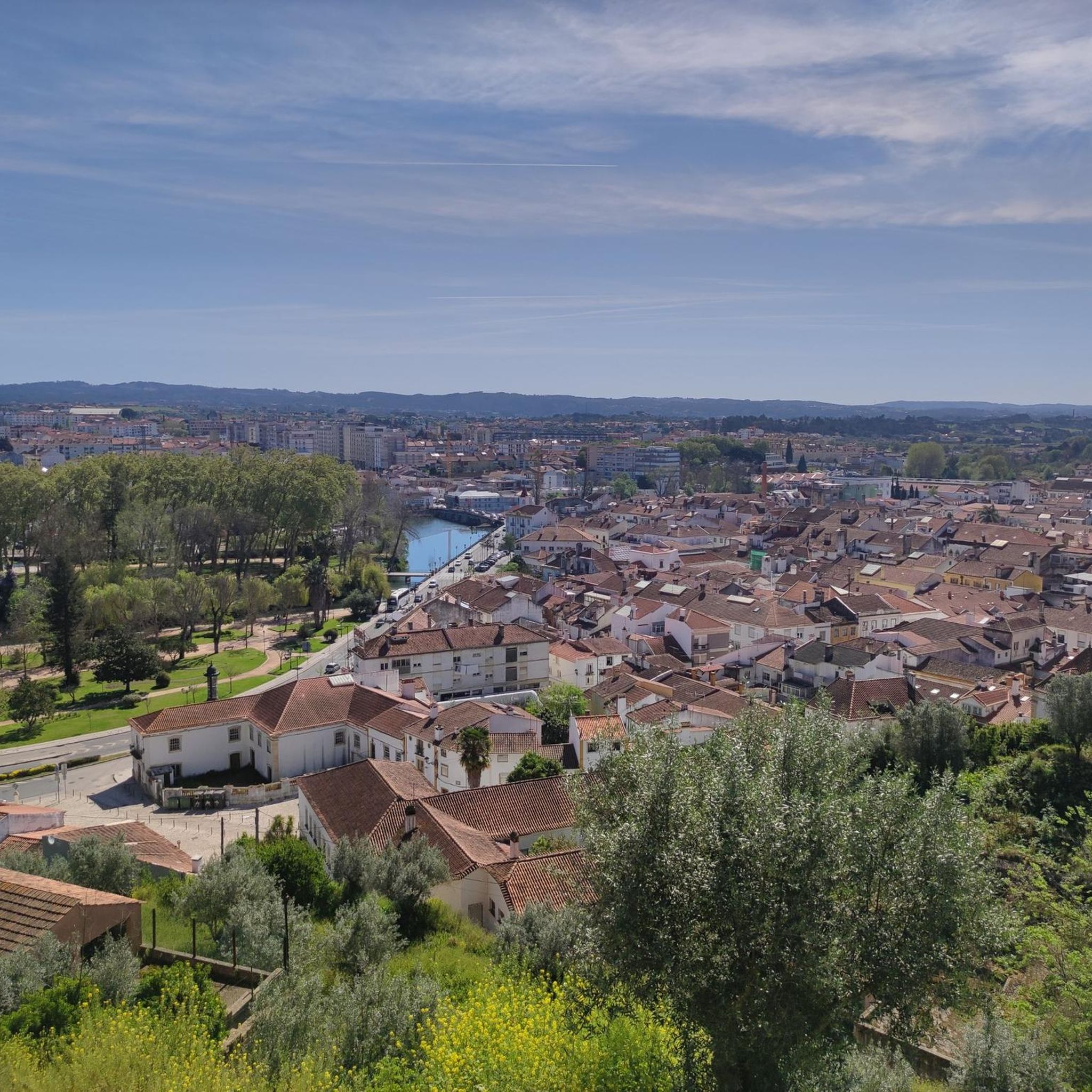
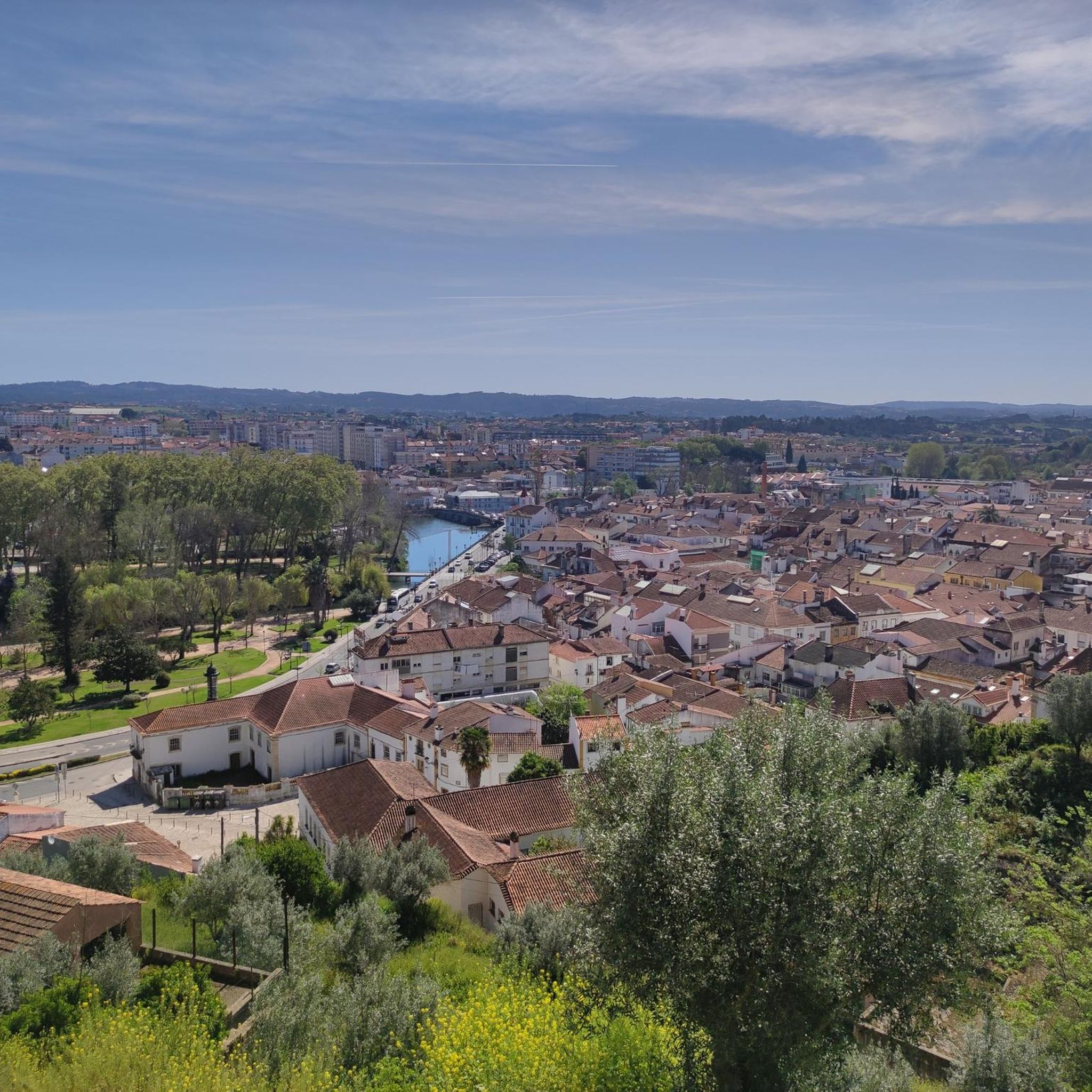
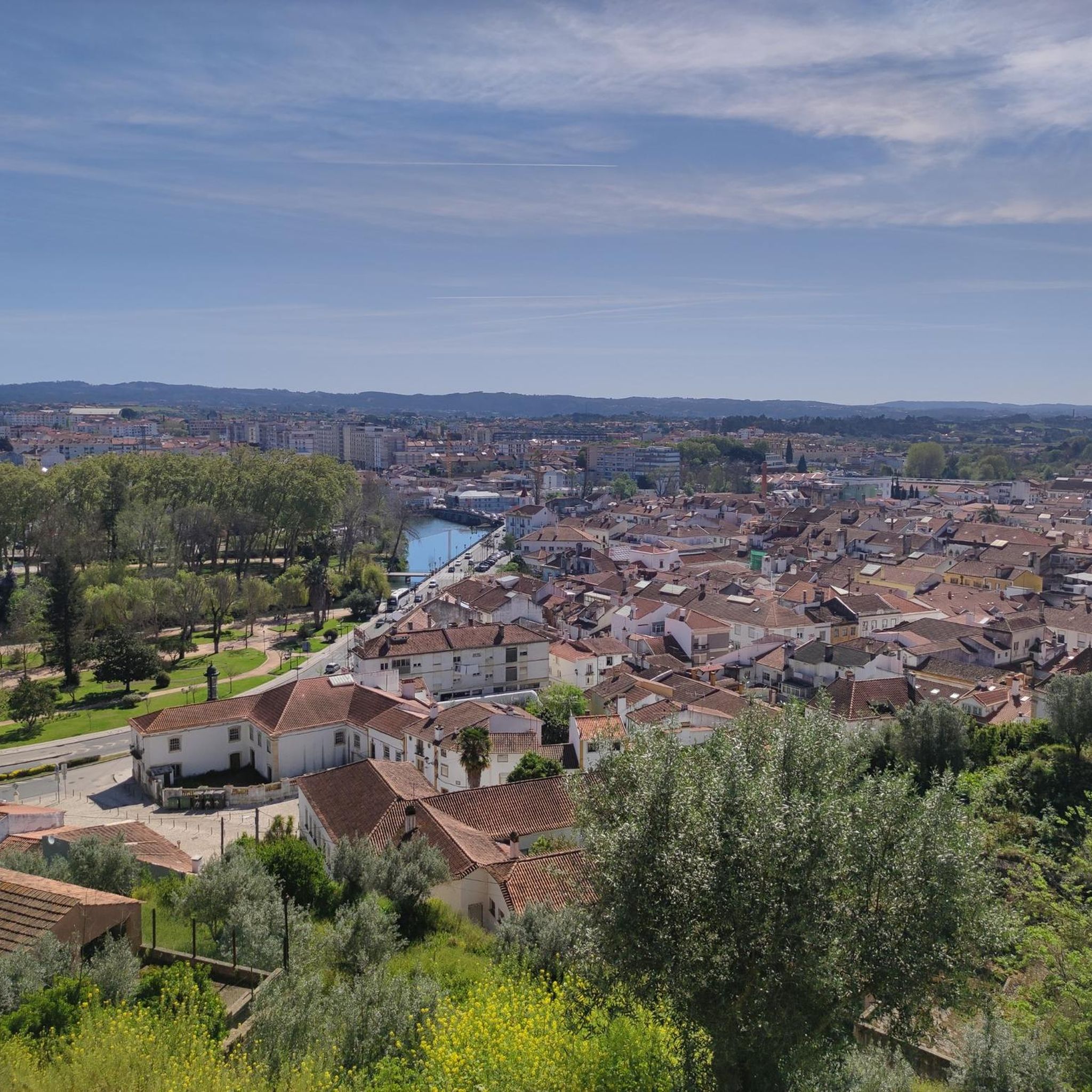
The Praça da República and the Igreja Matriz de São João Baptista are the historical and cultural heart of Tomar, a city deeply linked to the history of the Knights Templar in Portugal. This square is the nerve center of Tomar, surrounded by historic buildings and offering a charming atmosphere.
6
2

Originally located within the walled enclosure of Tomar Castle, its construction dates back to its origins (c. 1160) and is closely linked to the beginnings of the Kingdom of Portugal and the Order of the Templars (later the Order of Christ). The Charola was the private oratory of the knights within the fortress. Completed in 1190, the entrance to the Charola originally faced east. The Charola is not only a place of worship and meditation, but also a symbol of the ideals and beliefs of the Templar Order. It commemorates the Templars' connection to the Christian faith and their mission to protect the Holy Land. The Charola also symbolizes the unity and strength of the Order. As an octagonal space, it represents the eight Templar virtues: courage, honor, mercy, integrity, humility, sincerity, fraternity, and faith. These values are the foundation of their actions and our decisions. It was significantly remodeled in the 16th century. A major breakthrough in the west added it during the reign of D. Manuel I as the main chapel of the attached Munuelist church. Further details can be found here: https://pt.wikipedia.org/wiki/Charola_do_Convento_de_Cristo A virtual tour is available here: https://mpembed.com/show/?m=fBGNBFFcNDc
1
0
Detailed plans of the complex, including the identification of the individual parts and monasteries, can be found here: https://campanha.cmjornal.pt/portugal-monumental/ https://de.wikipedia.org/wiki/Convento_de_Cristo#/media/Datei:TomarChurchPlanCC3-pt.jpg https://blogger.googleusercontent.com/img/b/R29vZ2xl/AVvXsEjONUon4tGroEfnLT311dfFBPy 7gkSdMIt7aDFXuB2X61MqnwjBYUVJwZs3nELeNox-cEindezimgkuppLnXY6-XxrO-2WJQ_62jz9Qme64FlLgng2leHtQJZ3iuys8kl6z1fh1M1Ns6SOV/s1600/05Tomar.jpg https://de.wikipedia.org/wiki/Convento_de_Cristo#/media/File:TomarChurchPlanCC3-pt.jpg
1
0
The Church of Saint John the Baptist (Portuguese: Igreja de São João Baptista) was built between the 15th and 16th centuries by King Manuel I in the Manueline style. As its name suggests, the church is dedicated to Saint John the Baptist. The church features many interesting artistic details, such as the flamboyant Gothic portal, the Manueline tower with a 16th-century clock, the decorated capitals of the interior columns of the nave, and several panels painted in the 1530s by one of Portugal's most important Renaissance artists, Gregório Lopes.
2
2
The Mouchão Park is a beautiful garden in the heart of Tomar. This green oasis is surrounded by the Nabão River, creating several areas connected by a bridge and a small dam. The park offers magnificent views of some of the city's most important landmarks. In addition to a charming replica of a waterwheel, the shady and cool park also boasts an excellent restaurant in a prime location, O Mouchão.
2
1
A model of a hydraulic water wheel, once used to irrigate fields or supply water to mills. The wheel was built in 1976 and has been rebuilt and renovated several times. It is located in the Parque do Mouchão.
2
0
Frequently Asked Questions
How many hiking trails are available around Alviobeira?
There are 17 hiking trails around Alviobeira, offering a diverse range of experiences. These include 9 easy routes and 8 moderate routes, ensuring options for various fitness levels.
What kind of natural scenery can I expect on hikes in Alviobeira?
Alviobeira's hiking trails wind through a rich tapestry of natural scenery. You'll encounter dense woodlands, serene riverine environments, and paths that skirt historic waterways. The region is known for its diverse vegetation and opportunities to spot local wildlife, particularly within areas like the Seven Hills National Forest.
Are there any family-friendly hiking options in Alviobeira?
Yes, Alviobeira offers several easy routes suitable for families. For instance, the Mouchão Park – Mouchão Hydraulic Wheel loop from Tomar is an easy 5.4 km trail that explores a park setting. Another gentle option is the Pond and Picnic Spot loop from Camping Pelinos, which is 4.7 km and perfect for a relaxed outing.
What historical landmarks can I see while hiking near Alviobeira?
The region is rich in history. Many trails offer views or direct access to significant landmarks. You can explore the surroundings of the UNESCO World Heritage site, the Convent of Christ and Castle of Tomar. Another notable historical feature is the Aqueduto dos Pegões, an impressive ancient aqueduct that hikers can walk alongside.
Are there any circular walks available in Alviobeira?
Yes, many of the trails in Alviobeira are designed as loops, providing convenient circular walks. Examples include the easy Mouchão Park – Mouchão Hydraulic Wheel loop from Tomar and the moderate Sobreirinho River Beach – Roman Bridge of Fervença loop from Pedreira.
What do other hikers say about the trails in Alviobeira?
The trails in Alviobeira are highly regarded by the komoot community, holding an average rating of 4.4 out of 5 stars from over 120 reviews. Hikers frequently praise the diverse scenery, the blend of natural beauty with historical sites, and the well-maintained paths that cater to various skill levels.
Are there any river beaches or water features along the hiking routes?
Yes, the region features picturesque river beaches that can serve as scenic points along your hike. The Sobreirinho River Beach – Roman Bridge of Fervença loop from Pedreira specifically connects a river beach with an ancient bridge, offering beautiful waterside views.
What is the best time of year to go hiking in Alviobeira?
While specific seasonal data isn't provided, regions with diverse vegetation and riverine environments like Alviobeira are generally pleasant for hiking in spring and autumn when temperatures are milder and the landscape is vibrant. Summer can be warm, making early morning or late afternoon hikes preferable, especially near water features.
Are there any trails that offer views of Tomar Castle?
Yes, some trails, particularly those within the Seven Hills National Forest, offer excellent views of the historic Tomar Castle. This allows hikers to combine natural exploration with glimpses of the region's iconic medieval architecture.
What is the difficulty level of the trails in Alviobeira?
The trails around Alviobeira cater to a range of abilities. You'll find a good mix of easy and moderate routes. There are 9 easy trails, perfect for casual walkers or families, and 8 moderate trails for those seeking a bit more challenge. There are no difficult trails listed in this area.
Can I find trails that combine natural forests with historical structures?
Absolutely. Alviobeira is known for its unique blend of natural and historical elements. Many routes traverse natural forests while also passing by ancient structures like the Aqueduto do Convento de Cristo, offering a rich cultural and natural experience. The Narrow Forest Trail – Ponte de Peniche loop from Tomar is an example of a route that takes you through dense woodlands.
Most popular attractions around Alviobeira

Get inspired with the komoot mobile app


Explore more
Browse the best Hikes in other regions.
