The best walks and hikes around Casais
4.4
(148)
636
hikers
31
hikes
Hiking around Casais offers a variety of trails through diverse landscapes. The region features riverine environments, including river beaches and hydraulic structures, alongside forested areas and open parklands. Gentle elevation changes are common, making many routes accessible for various fitness levels. The terrain is generally characterized by natural paths and some historical elements like Roman bridges.
Best hiking trails around Casais
- The most popular hiking route is Mouchão Park – Mouchão Hydraulic Wheel loop from Tomar, a 3.4 miles…
Last updated: June 24, 2026
4.6
(10)
63
hikers
5.44km
01:29
80m
80m
Easy hike. Great for any fitness level. Easily-accessible paths. Suitable for all skill levels.
4.7
(10)
24
hikers
9.03km
02:28
140m
140m
Moderate hike. Good fitness required. Easily-accessible paths. Suitable for all skill levels.

Sign up for free
3.7
(7)
20
hikers
10.1km
02:42
110m
110m
Moderate hike. Good fitness required. Easily-accessible paths. Suitable for all skill levels.
4.2
(10)
23
hikers
4.75km
01:22
120m
120m
Easy hike. Great for any fitness level. Easily-accessible paths. Suitable for all skill levels.
4.3
(4)
11
hikers
4.80km
01:16
50m
50m
Easy hike. Great for any fitness level. Easily-accessible paths. Suitable for all skill levels.
Get access to more routes and recommendations from other explorers.
Sign up for free
Already have an account?
Our route recommendations are based on thousands of hikes, rides, and runs completed by other people on komoot.
Start today with a free account
Your next adventure awaits.
Login or Signup
Tips from the Community


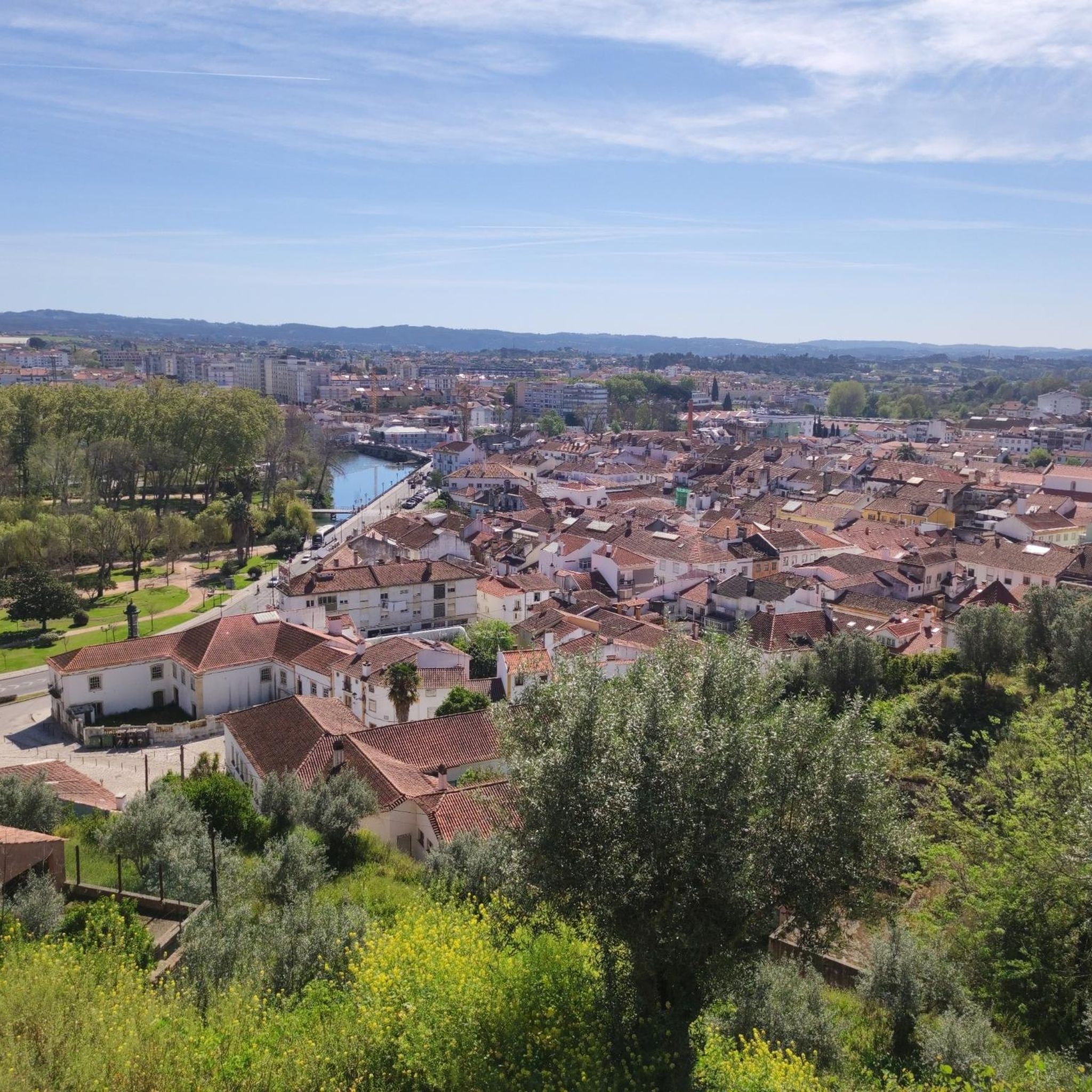
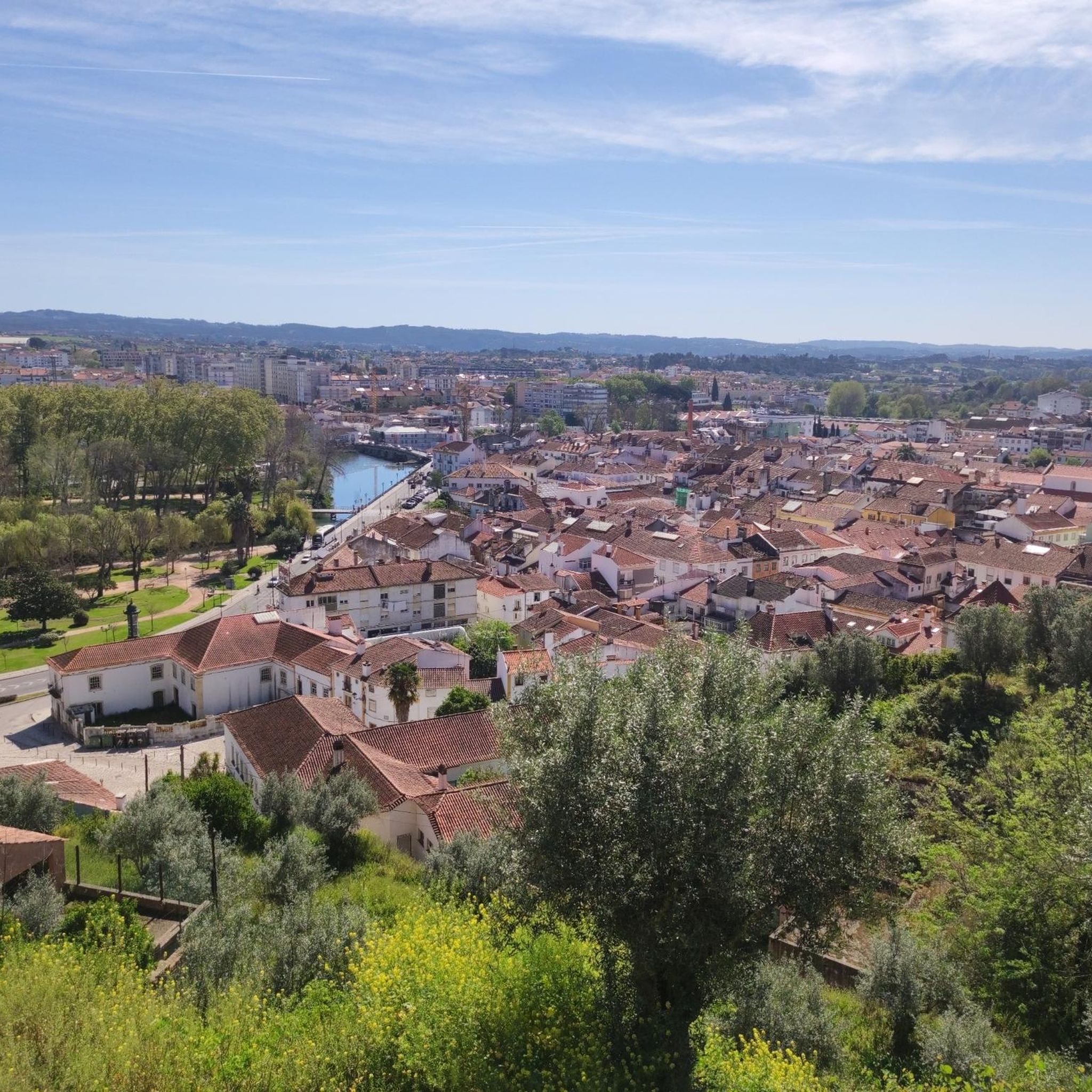
The Praça da República and the Igreja Matriz de São João Baptista are the historical and cultural heart of Tomar, a city deeply linked to the history of the Knights Templar in Portugal. This square is the nerve center of Tomar, surrounded by historic buildings and offering a charming atmosphere.
6
2

Originally located within the walled enclosure of Tomar Castle, its construction dates back to its origins (c. 1160) and is closely linked to the beginnings of the Kingdom of Portugal and the Order of the Templars (later the Order of Christ). The Charola was the private oratory of the knights within the fortress. Completed in 1190, the entrance to the Charola originally faced east. The Charola is not only a place of worship and meditation, but also a symbol of the ideals and beliefs of the Templar Order. It commemorates the Templars' connection to the Christian faith and their mission to protect the Holy Land. The Charola also symbolizes the unity and strength of the Order. As an octagonal space, it represents the eight Templar virtues: courage, honor, mercy, integrity, humility, sincerity, fraternity, and faith. These values are the foundation of their actions and our decisions. It was significantly remodeled in the 16th century. A major breakthrough in the west added it during the reign of D. Manuel I as the main chapel of the attached Munuelist church. Further details can be found here: https://pt.wikipedia.org/wiki/Charola_do_Convento_de_Cristo A virtual tour is available here: https://mpembed.com/show/?m=fBGNBFFcNDc
1
0
Detailed plans of the complex, including the identification of the individual parts and monasteries, can be found here: https://campanha.cmjornal.pt/portugal-monumental/ https://de.wikipedia.org/wiki/Convento_de_Cristo#/media/Datei:TomarChurchPlanCC3-pt.jpg https://blogger.googleusercontent.com/img/b/R29vZ2xl/AVvXsEjONUon4tGroEfnLT311dfFBPy 7gkSdMIt7aDFXuB2X61MqnwjBYUVJwZs3nELeNox-cEindezimgkuppLnXY6-XxrO-2WJQ_62jz9Qme64FlLgng2leHtQJZ3iuys8kl6z1fh1M1Ns6SOV/s1600/05Tomar.jpg https://de.wikipedia.org/wiki/Convento_de_Cristo#/media/File:TomarChurchPlanCC3-pt.jpg
1
0
The Church of Saint John the Baptist (Portuguese: Igreja de São João Baptista) was built between the 15th and 16th centuries by King Manuel I in the Manueline style. As its name suggests, the church is dedicated to Saint John the Baptist. The church features many interesting artistic details, such as the flamboyant Gothic portal, the Manueline tower with a 16th-century clock, the decorated capitals of the interior columns of the nave, and several panels painted in the 1530s by one of Portugal's most important Renaissance artists, Gregório Lopes.
2
2
A rather old arched road and pedestrian bridge connecting the two banks of the Nabão River in the city of Tomar. It is said that the Romans first crossed the Nabão River on this site. It was rebuilt in the 16th century and widened in the 19th century, with the stone railings removed and replaced with metal ones. It was completely redesigned in the first half of the 20th century, with the railings renewed and widened, and the piers and buttresses stabilized. It makes a stunning photo opportunity, especially at dusk and from the nearby parks.
1
0
A hidden gem tucked away behind the waters of the Rio Nabão, adorned with beautiful azulejos tiles. The Santa Iria Monastery originated as a retreat for pious women in the heart of Tomar, on the banks of the Nabão River. In 1467, Dona Mécia Queiroz, the widow of Pero Vaz de Almeida, the estate manager, acquired the Santa Iria property from Prince Henry the Navigator and commissioned the construction of a house and chapel where she and her daughters could retreat. In 1523, at the request of one of the founder's daughters, the retreat was placed under the patronage of Saint Clare. In 1536, the chapel and retreat house were rebuilt and enlarged at the expense of Pedro Moniz da Silva, commander of the Knights Templar. This magnificent Renaissance-style structure, inspired by the Coimbra Renaissance school, dates from this period. The Church of Santa Iria has a rectangular floor plan and consists of the nave, the chancel, the sacristy, and the adjacent Chapel of the Valleys. The interior comprises a single nave with a coffered ceiling adorned with painted ornaments, and the walls are lined with diamond-shaped carpet tiles. On the Epistle side is the Chapel of the Valleys, commissioned in the mid-16th century by D. Miguel do Vale and originally dedicated to the Lord Jesus.
1
0
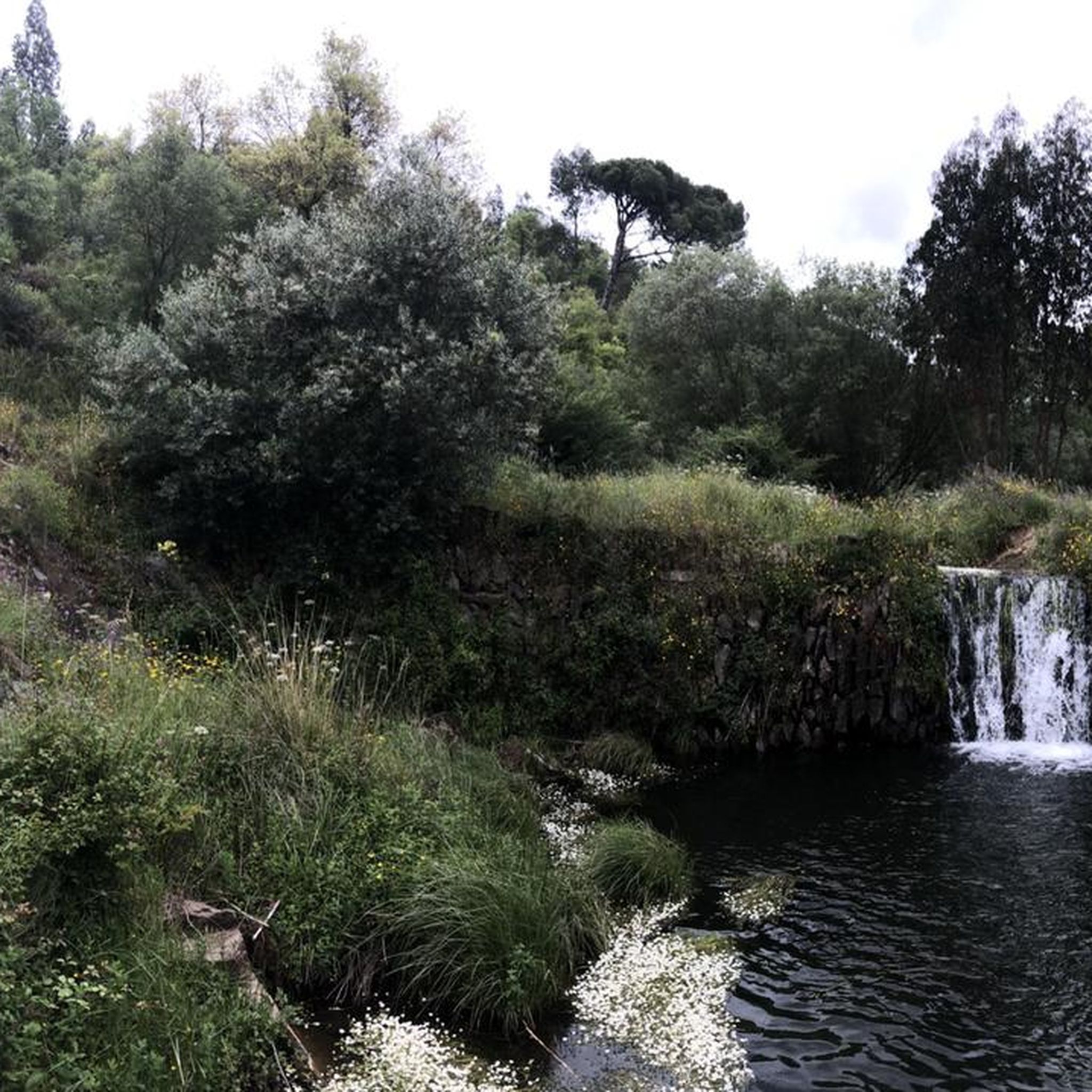
The Mouchão Park is a beautiful garden in the heart of Tomar. This green oasis is surrounded by the Nabão River, creating several areas connected by a bridge and a small dam. The park offers magnificent views of some of the city's most important landmarks. In addition to a charming replica of a waterwheel, the shady and cool park also boasts an excellent restaurant in a prime location, O Mouchão.
2
1
Frequently Asked Questions
How many hiking trails are available in Casais?
Casais offers a diverse network of over 30 hiking trails, catering to various preferences and fitness levels. These routes explore the region's riverine environments, forests, and historical sites.
Are there easy hiking trails suitable for beginners or families in Casais?
Yes, Casais is well-suited for beginners and families, with 17 easy trails. Many routes feature gentle elevation changes and accessible terrain. An excellent option is the Pond and Picnic Spot loop from Camping Pelinos, which is 4.7 km long and takes about 1 hour 22 minutes to complete.
Can I find circular hiking routes in Casais?
Absolutely. Many of the trails in Casais are designed as circular routes, allowing you to start and end at the same point without retracing your steps. For example, the Sobreirinho River Beach – Roman Bridge of Fervença loop from Pedreira offers a scenic 9 km circular walk.
What kind of natural features or landmarks can I expect to see on hikes in Casais?
Hiking in Casais often leads you through riverine environments, past river beaches, and alongside historical hydraulic structures. You can also explore forested areas and open parklands. Notable landmarks include the Convent of Christ and Castle of Tomar and the impressive Aqueduto dos Pegões.
Are there any trails that feature river beaches or opportunities for wild swimming?
Yes, the region's riverine character means several trails pass by river beaches. The Sobreirinho River Beach – Roman Bridge of Fervença loop from Pedreira specifically highlights a river beach, offering a chance to enjoy the water during your hike.
What do other hikers enjoy most about the trails in Casais?
The trails in Casais are highly rated by the komoot community, with an average score of 4.4 stars from over 130 reviews. Hikers frequently praise the diverse landscapes, including river paths and forest trails, as well as the historical elements like Roman bridges and other ancient structures.
Is it possible to reach hiking trails in Casais using public transport?
While some trails might be accessible via public transport to nearby towns like Tomar, many trailheads in Casais are best reached by car. It's advisable to check local bus schedules or consider ride-sharing options for specific starting points.
Are there specific trails recommended for dog owners?
Most trails in Casais are generally dog-friendly, especially those through natural forested areas and along river paths. Always ensure your dog is on a leash, and be mindful of local regulations, especially near protected areas or agricultural land. The Hiking loop from Quinta de Santo André is a good option for a pleasant walk with your canine companion.
What is the best time of year to go hiking in Casais?
The best time to hike in Casais is typically during spring (March to May) and autumn (September to November) when the weather is mild and comfortable. Summers can be hot, making early morning or late afternoon hikes preferable. Winters are generally mild, but some paths might be muddy after rain.
Are there any trails that offer good viewpoints or scenic overlooks?
While Casais is characterized by gentle elevation changes, many routes offer picturesque views of the river valleys and surrounding natural landscapes. Trails that pass through higher ground or along riverbanks often provide lovely scenic overlooks. The Narrow Forest Trail – Ponte de Peniche loop from Tomar offers varied scenery through dense forest paths.
What should I wear or bring for a hike in Casais?
For hiking in Casais, comfortable walking shoes or light hiking boots are recommended, as paths can be natural and uneven. Dress in layers to adapt to changing temperatures, and bring water, especially during warmer months. Sun protection (hat, sunscreen) is also advisable, along with a small backpack for essentials.
Are there any cafes or facilities near the hiking trails in Casais?
While some trails might be close to towns like Tomar, which offer cafes and restaurants, many routes traverse natural areas where facilities are limited. It's always a good idea to pack snacks and drinks. You can find amenities near highlights like Mouchão Park in Tomar.
Most popular routes around Casais
Most popular attractions around Casais

Get inspired with the komoot mobile app


Explore more
Browse the best Hikes in other regions.
