Top 20 Lakes around Sülzetal
Best lakes around Sülzetal are primarily found in the surrounding region, as the municipality itself is known for its unique natural features rather than large recreational lakes. Sülzetal, located in Saxony-Anhalt, Germany, is notable for the Salzstellen bei Sülldorf, an important inland salt marsh. This area showcases specialized plant life and diverse insect populations, offering a distinct natural landscape. While traditional recreational lakes are limited within Sülzetal, the nearby areas provide various water bodies for activities.
Best lakes around Sülzetal
…Last updated: October 11, 2026
Prester Lake
Highlight • Lake
Translated by Google •
Tip by

Adolf-Mittag Lake
Highlight • Lake
Translated by Google •
Tip by

Sign up now to discover places like this
Get recommendations on the best single tracks, peaks, & plenty of other exciting outdoor places.
Löderburger See
Highlight • Lake
Translated by Google •
Tip by

Salbker See
Highlight • Lake
Translated by Google •
Tip by
Rothehorn Park
Highlight • Forest
Translated by Google •
Tip by

Sign up for free to discover even more lakes around Sülzetal.
Already have an account?
Start today with a free account
Your next adventure awaits.
Tips from the Community

A fantastic stretch of route! Beautiful scenery and excellent cycling infrastructure. Highly recommended!
1
0


The WBF is a great organization there. You'll always get help there if you have problems with your bike or just want to take a break. E-bike charging station, restroom facilities, shelter, and drinking water.
0
0

The lake is almost always used for angling, as fishing rights are legally granted to every body of surface water. Since this is accompanied by a duty of care in most German federal states, the aim is to maintain a near-natural fish population in gravel pits used for fishing through stocking[4]. Some lakes have beaches or are also set up for other types of water sports, particularly boating, water skiing, or windsurfing. Large parking areas, lifeguards, and restaurants are also set up for these uses. Some gravel pits are accessible by public transport. In some cases, the gravel pit is subsequently used for nature conservation, such as the two gravel pits in the Aitrach gravel pit nature reserve.
0
0
Where mining has cut into the groundwater level, groundwater-fed quarry ponds are created. Less frequently, quarry ponds are deliberately created, primarily as local recreation areas. The mining pits are usually landscaped in accordance with legally required renaturation.
0
0
In common parlance, all water-filled remnants of a wet excavation are called "quarry lakes." In technical terms, it has been suggested that bodies of water with a size of less than three hectares and a water depth of less than four meters be called "gravel ponds," as they do not meet the limnological definition of a lake.[2] However, this has not been adopted.
0
0
A gravel pit (also known as a quarry lake, gravel pit, or gravel pond in Austria) is an artificial, usually relatively small lake created by dredging sand and gravel deposits (gravel mining), usually by wet mining. It is often flowed through by groundwater.
0
0

It's also easily accessible via the Buckau ferry. Mostly asphalt or water-bound surfaces are suitable for everyone.
1
1
Frequently Asked Questions
What makes the lakes around Sülzetal unique?
Sülzetal is primarily known for the Salzstellen bei Sülldorf, a rare inland salt marsh with a unique ecosystem. While traditional recreational lakes are limited within the municipality, the surrounding area offers a mix of natural ponds, artificially created lakes, and former gravel pit lakes, each with distinct features for nature observation and recreation.
Are there opportunities for swimming or water sports near Sülzetal?
Yes, for swimming and water sports, you can visit Löderburger See. This lake offers opportunities for swimming, water skiing, and camping, providing various leisure activities for all ages.
Where can I enjoy a leisurely walk or boat ride on a lake?
For leisurely walks and boat rides, Adolf-Mittag Lake is an excellent choice. It features promenade paths around the lake, and visitors can rent rowing and pedal boats. There are also two restaurants available for breaks.
Are there any lakes suitable for fishing or special events like dragon boat races?
Yes, Salbker See is a popular venue for dragon boat races and is also favored by anglers. Another spot for angling is Ottersleber Pond, which is designed like a park and serves as angling waters today.
What kind of nature observation can I do at the Salzstellen bei Sülldorf?
The Salzstellen bei Sülldorf nature reserve offers a fascinating opportunity to observe a unique inland salt marsh ecosystem. You can see specialized plant life, known as halophytes, and a diverse population of halobiontic, halophilic, and halotolerant insects. A nature trail with information boards guides visitors through this exceptional landscape.
Are there family-friendly lakes or activities for children?
Several lakes in the area are family-friendly. Löderburger See offers camping and various leisure activities. Adolf-Mittag Lake has boat rentals and promenade paths. Salbker See and Ottersleber Pond also provide pleasant, park-like environments for families.
What are the best times to visit the Salzstellen bei Sülldorf nature reserve?
The best time to visit the Salzstellen bei Sülldorf nature reserve for observing its unique flora is during late summer, particularly in August and September. This is when species like glasswort and sea aster bloom, transforming the landscape with vibrant red and violet hues.
Can I find cycling routes near the lakes in Sülzetal?
Yes, there are several cycling routes available. You can explore options like the 'Tree-Lined Country Cycle Path – Salt Sites at Sülldorf Nature Trail' or the 'Mäuseturm on the Elbe – Elbe Cycle Path near Buckau'. For more details on cycling routes, visit the Cycling around Sülzetal guide.
Are there hiking or running trails available around the lakes?
While Sülzetal is not known for extensive hiking around large lakes, you can find running trails in the vicinity. For example, there's a 'Salzstellen bei Sülldorf loop from Osterweddingen'. For more running options, check the Running Trails around Sülzetal guide.
What facilities are available at the lakes around Sülzetal?
Facilities vary by lake. Löderburger See offers camping and water skiing. Adolf-Mittag Lake has boat rentals and two restaurants. Salbker See provides an e-bike charging station, restrooms, and shelter.
What is Prester Lake known for?
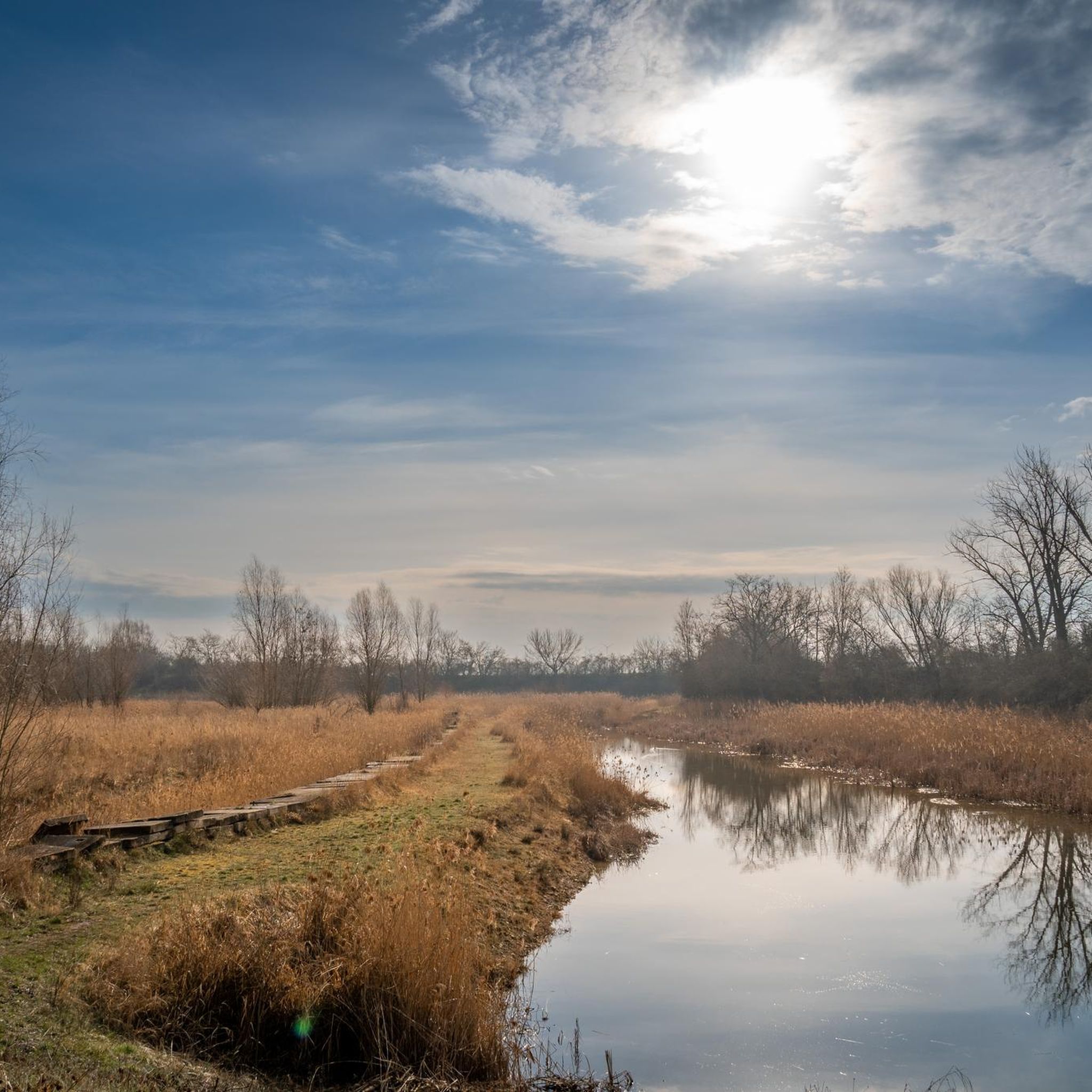
Prester Lake is considered an ecological gem on the edge of the dike, offering beautiful views and pleasant areas for walks. It's a smaller, natural lake appreciated for its tranquil environment.
Is there a nature trail at the Salzstellen bei Sülldorf?
Yes, the Salzstellen bei Sülldorf features a dedicated nature trail. It is equipped with information boards that provide insights into this exceptional landscape and its ecological significance, making it an educational experience for visitors.
What kind of plant life can be observed at the Salzstellen bei Sülldorf?
The Salzstellen bei Sülldorf is home to halophytes, which are plants specifically adapted to saline conditions. During late summer, you can observe species like glasswort (Kurzähren-Queller) and sea aster (Strand-Aster) blooming, creating a vibrant display of red and violet hues.
Most popular routes around Sülzetal
Most popular attractions around Sülzetal

Get inspired with the komoot mobile app


Explore more
Still not found your perfect lake around Sülzetal? Check out the guides of these regions to see even more beautiful places.
