Attractions and Places To See around Moita - Top 20
Best attractions and places to see around Moita include a blend of historical, cultural, and natural sites. Located on the south bank of the Tagus River, Moita offers an authentic Portuguese experience. The region features picturesque riverfronts, historical landmarks, and urban green spaces. Visitors can explore a variety of points of interest, from ancient mills to natural reserves.
Best attractions and places to see around Moita
- The most popular attractions is Windmills of Serra do Louro, a man-made monument…
Last updated: August 11, 2026
Windmills of Serra do Louro
Highlight (Segment) • Monument
Tip by

Castle of Palmela
Highlight • Castle
en.m.wikipedia.org/wiki/Castle_of_Palmela
Translated by Google •
Tip by

Sign up now to discover places like this
Get recommendations on the best single tracks, peaks, & plenty of other exciting outdoor places.
Sign up for free
Singletrack Along the Old Railway
Highlight (Segment) • Trail
Translated by Google •
Tip by

Salinas do Samouco
Highlight • Natural
Between 1930 and 1970, cod were dried there.
Cod is a fish caught in cold northern waters such as Newfoundland.
Portugal in the 1920s imported all the cod consumed. In the 1920s, Portugal experienced hunger.
Translated by Google •
Tip by

Moinhos por Baixo Trail
Highlight (Segment) • Trail
Translated by Google •
Tip by

Sign up for free to discover even more attractions around Moita.
Sign up for free
Already have an account?
Start today with a free account
Your next adventure awaits.
Login or Signup
Tips from the Community

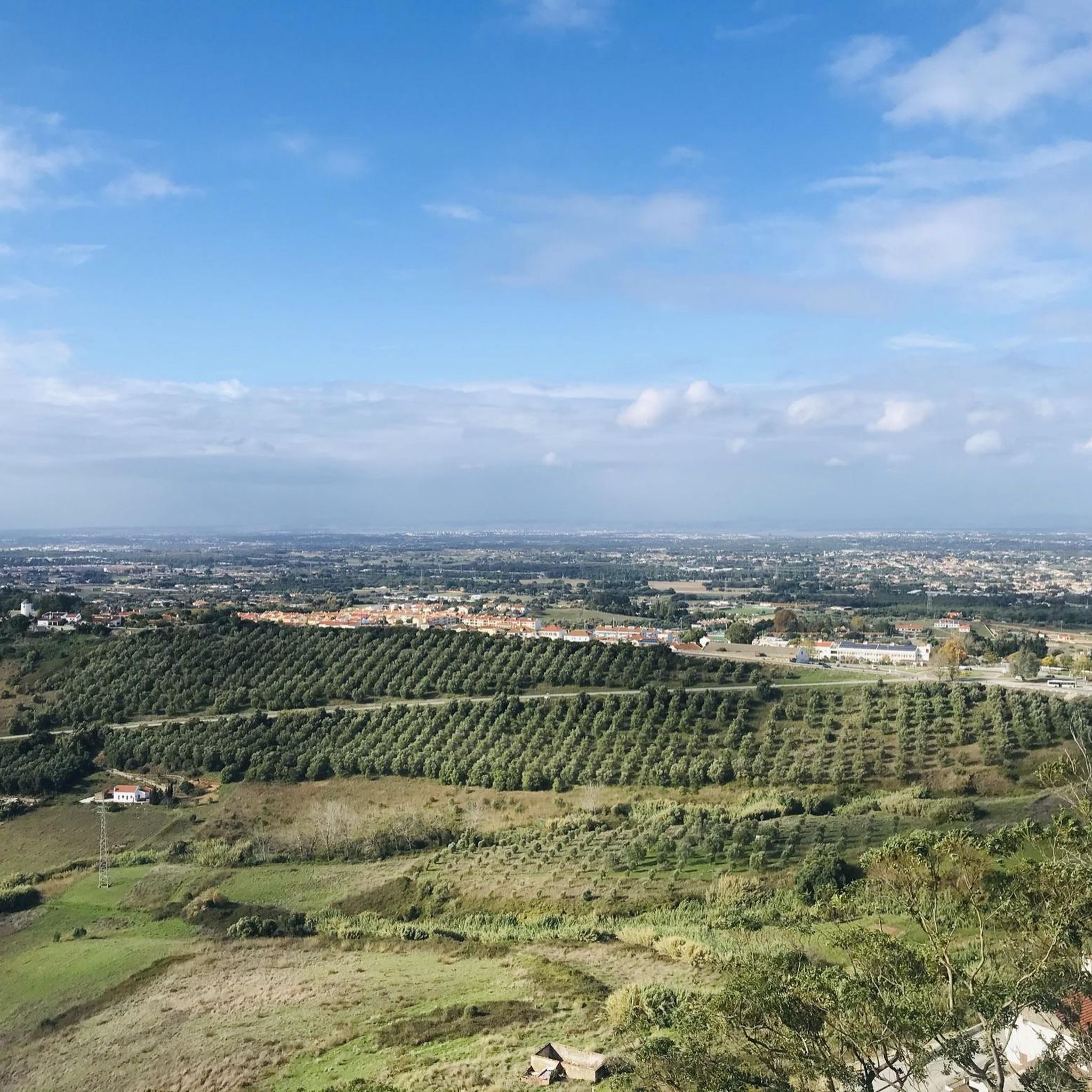
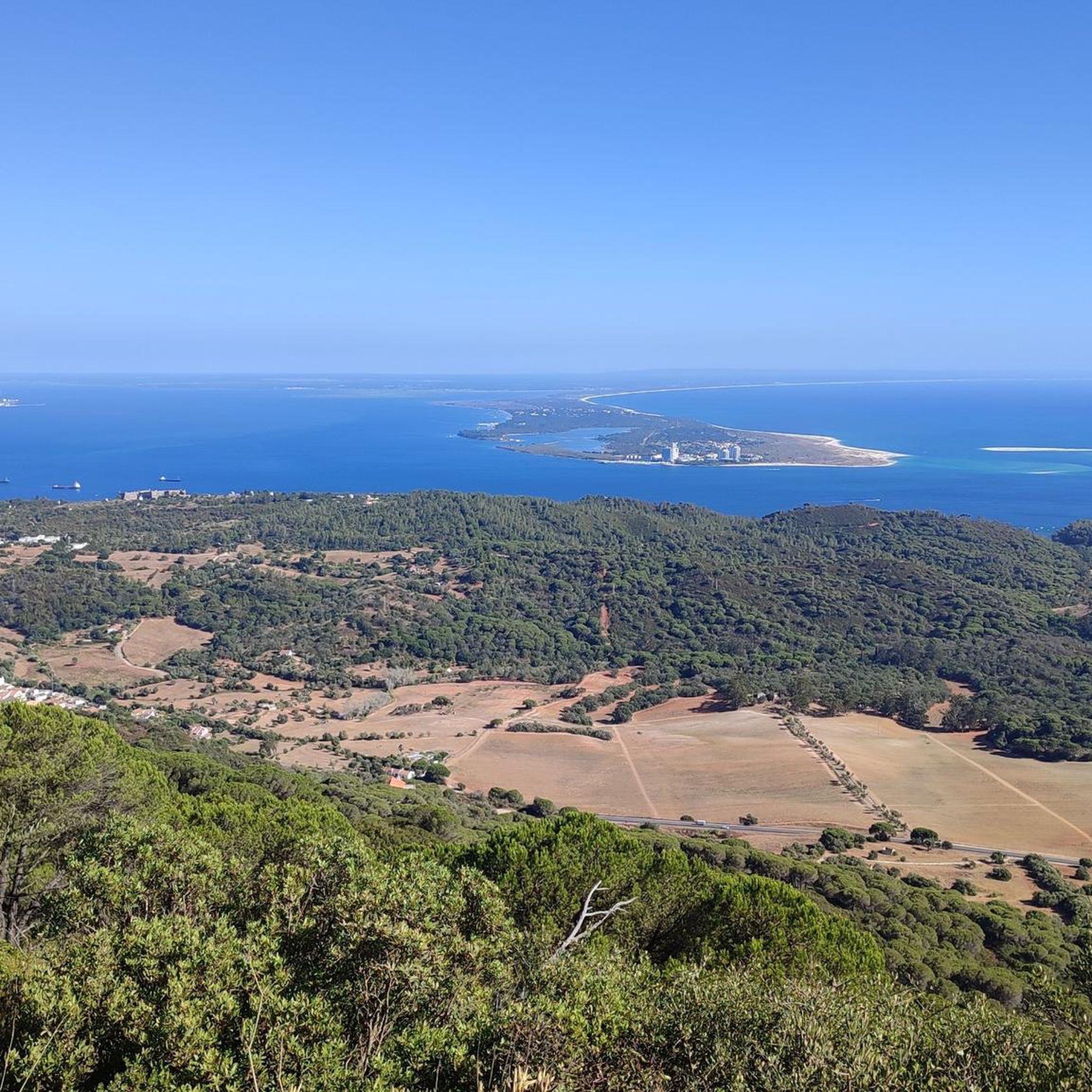
Trail with unexpected landscapes and then the landscape opens up, and suddenly Palmela Castle in the distance and the Sado estuary opening up on the horizon line.
0
0
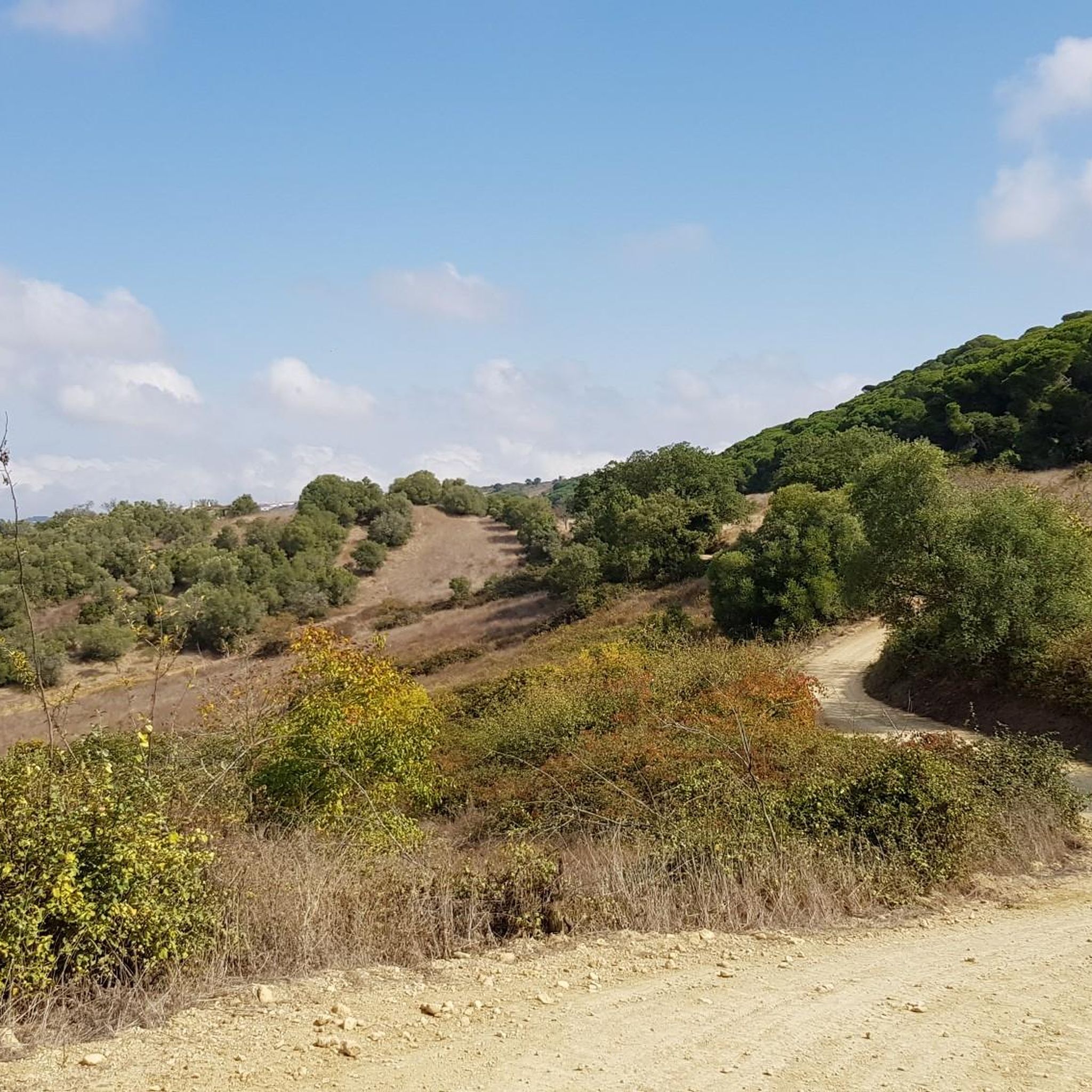
Sequence of slightly more technical trails and connecting paths that cross an industrial, port, and abandoned landscape. Here the scenery is rougher: uneven ground, less obvious passages, areas near old industrial structures, including the area of the old cranes in the port of Coina. It is a segment where gravel requires greater terrain reading. It is an "underground", authentic stretch, giving the sensation of crossing a forgotten shore, of degraded areas and marks of an industrial past still visible.
0
0

These mills are located in high areas and were used to grind cereals into flour to make bread. 👍🇵🇹
0
0

In wartime situations, it controlled the space between Lisbon and the South, between the Tagus and Sado rivers. During the Islamic period and the Christian offensive in the 12th and 13th centuries, this geostrategic position was compatible with other fortified sites—Coina, Sesimbra, and the Sado riverbank. In the surrounding area—with good conditions for grazing and a large area of agricultural land—some rural communities settled during the Islamic period, such as the village of Alto da Queimada (Serra do Louro). Inside the wall, the ruins of the Church of Santa Maria do Castelo welcome visitors: Palmela's first parish church, probably from the 12th century (founded by King Afonso Henriques?), subject to interventions mainly in the 16th and 17th centuries and severely damaged by the 1755 earthquake. The walls, the pentagonal Keep—a 16th-century construction—are part of the original structure. The castle dates back to the 14th century, where the Bishop of Évora, D. Garcia de Meneses, was imprisoned in the waterless cistern for conspiring against King John II. The bishop died there from poisoning in 1484. The parade ground and barracks are worth visiting. As it stands, the castle is the result of several construction campaigns—repairs, reconstructions, and expansions—up until the 18th century. Archaeological work has identified some sections of the wall from the Islamic period, and other construction phases are recognized, likely dating from the post-reconquest period and, later, from the reign of King John I. The bastion system that surrounds the first line of fortification was commissioned by King Pedro II. In the house of the Prior-Major of the Order, or the military commander of the fortress—after the abolition of the orders (in 1834)—the explorer of African lands, Hermenegildo Carlos de Brito Capelo, son of the fortress's governor, was born on February 4, 1841. Palmela Castle was classified as a National Monument by Decree-Law of June 16, 1910. Parking outside the walls is recommended.
7
0
These were the "mills" of old, moved by the wind, heavy granite millstones, transformed wheat seeds into flour from which delicious bread was made, which "satisfied" the hunger of those who had little to eat.
1
0

At the top of the Serra do Louro stand the windmills which, in the not so distant past, were an important industry for processing cereals. The force of the wind hits the open sails, turning an axle, which in turn transmits the rotation to a limestone stone that rotates on another fixed one. These stones, called "millstones", receive the cereal grains between them, transforming them into flour.
6
0

A few steps from Palmela, I recommend a visit to the Quinta do Piloto winery. From the terrace, with a bottle of red wine in the shade of walnut trees, you have a wonderful view of Lisbon. A stop after the hike is recommended...
6
0
Frequently Asked Questions
What historical sites can I explore in Moita?
Moita offers a rich history to discover. You can visit the Windmills of Serra do Louro, which provide insight into historical cereal processing. The town's historic center features the 8th-century Altar of Nossa Senhora da Piedade and the Paços do Concelho (old Town Hall). Don't miss the 16th-century Chapel of São Sebastião, the 15th-century Alhos Vedros Tide Mill, or the 13th-century Church of São Lourenço in Alhos Vedros. The Castle of Palmela, a significant historical fortress with Moorish influences, is also nearby.
Are there any natural attractions or outdoor spaces in Moita?
Yes, Moita boasts several natural attractions. The Rosário River Beach is a popular spot with a kilometer of sand, picnic areas, and views of Lisbon. The Municipal Park, designed by architect Gonçalo Ribeiro Telles, is a large urban green area perfect for strolls and outdoor activities. You can also explore Salinas do Samouco, a natural area historically significant for cod drying, offering unique views.
What cultural experiences does Moita offer?
Moita is known for its vibrant cultural traditions. The town has a strong bullfighting tradition, celebrated during local festivals at the Bullring. The Sarilhos Pequenos Naval Shipyard preserves traditional boat-building techniques. Significant local events include the Celebrations of Nossa Senhora da Boa Viagem and the Feast of Nossa Senhora do Rosário, showcasing the region's heritage.
What kind of outdoor activities can I do around Moita?
The area around Moita is excellent for various outdoor activities. You can find numerous routes for hiking, mountain biking, and cycling. For hiking, explore trails like the 'Alcaria of Alto da Queimada – Portuguese oak loop' or 'Cai de Costas Trail – Descent of the Cows loop'. Mountain biking enthusiasts can try routes such as 'View of Palmela Castle – Fio Dental Trail loop'. Cyclists can enjoy routes like 'Praia do Rosário – View of Pátio do Rosário loop'. You can find more details on these and other routes in the dedicated guides for hiking, MTB, and cycling around Moita.
Are there any family-friendly attractions in Moita?
Yes, Moita offers options for families. The Municipal Park is ideal for picnics and outdoor activities with children. The Rosário River Beach provides a safe and enjoyable environment for families during summer, with sandy areas and facilities. Salinas do Samouco is also considered family-friendly, offering an educational and scenic outing.
What are some unique viewpoints or scenic spots in Moita?
For scenic views, the Chapel of São Sebastião offers beautiful panoramas of the Tagus River and the surrounding region. The Castle of Palmela provides magnificent vistas, including the 25th of April Bridge. The Rosário River Beach also offers underrated views of Lisbon from the south bank. Additionally, the Windmills of Serra do Louro offer interesting views along their trail.
What is the Moita Quay (Cais da Moita) and what can I do there?
The Moita Quay (Cais da Moita) is a picturesque central point in the town, featuring colorful boats on the Tagus River. It's a lovely spot for a stroll and to enjoy the riverfront atmosphere. Tourist trips aboard the 'O Boa Viagem' sailboat also depart from here, offering a unique perspective of the river.
Can I see any industrial heritage in Moita?
Yes, Moita has interesting industrial heritage. The Cranes of the Deactivated Coina Port are a notable man-made structure providing a glimpse into the region's industrial past with their distinctive yellow cranes. The Alhos Vedros Tide Mill, originally used for grinding cereals, now functions as a cultural and museum center, showcasing historical industry.
What is the best time to visit Moita?
Moita is enjoyable throughout the year, but the summer months are particularly popular for the Rosário River Beach and local festivals. Spring and autumn offer pleasant weather for exploring historical sites and engaging in outdoor activities like hiking and cycling, avoiding the peak summer heat.
Are there any challenging trails for experienced hikers or mountain bikers?
Yes, for those seeking a challenge, the area around Moita has more difficult routes. For mountain biking, the Fio Dental Trail is known to be challenging. Hiking options include the 'Descent of the Cows – Chapel of São Luís da Serra loop from Palmela', which is rated as difficult. You can find more challenging routes in the respective hiking and MTB guides.
What do visitors enjoy most about the attractions around Moita?
Visitors frequently appreciate the blend of historical significance and natural beauty. The Windmills of Serra do Louro are praised for their interesting views and historical context, despite past forest fires. The Salinas do Samouco are loved for their great views and connection to Portugal's past. The overall authentic Portuguese experience, away from the capital's bustle, is also a highlight for many.
Most popular attractions around Moita

Get inspired with the komoot mobile app


Explore more
Still not found the Highlight you’re looking for? See guides of the top attractions in other regions:
