The best road cycling routes around Afonsoeiro
4.4
(44)
1,400
riders
66
rides
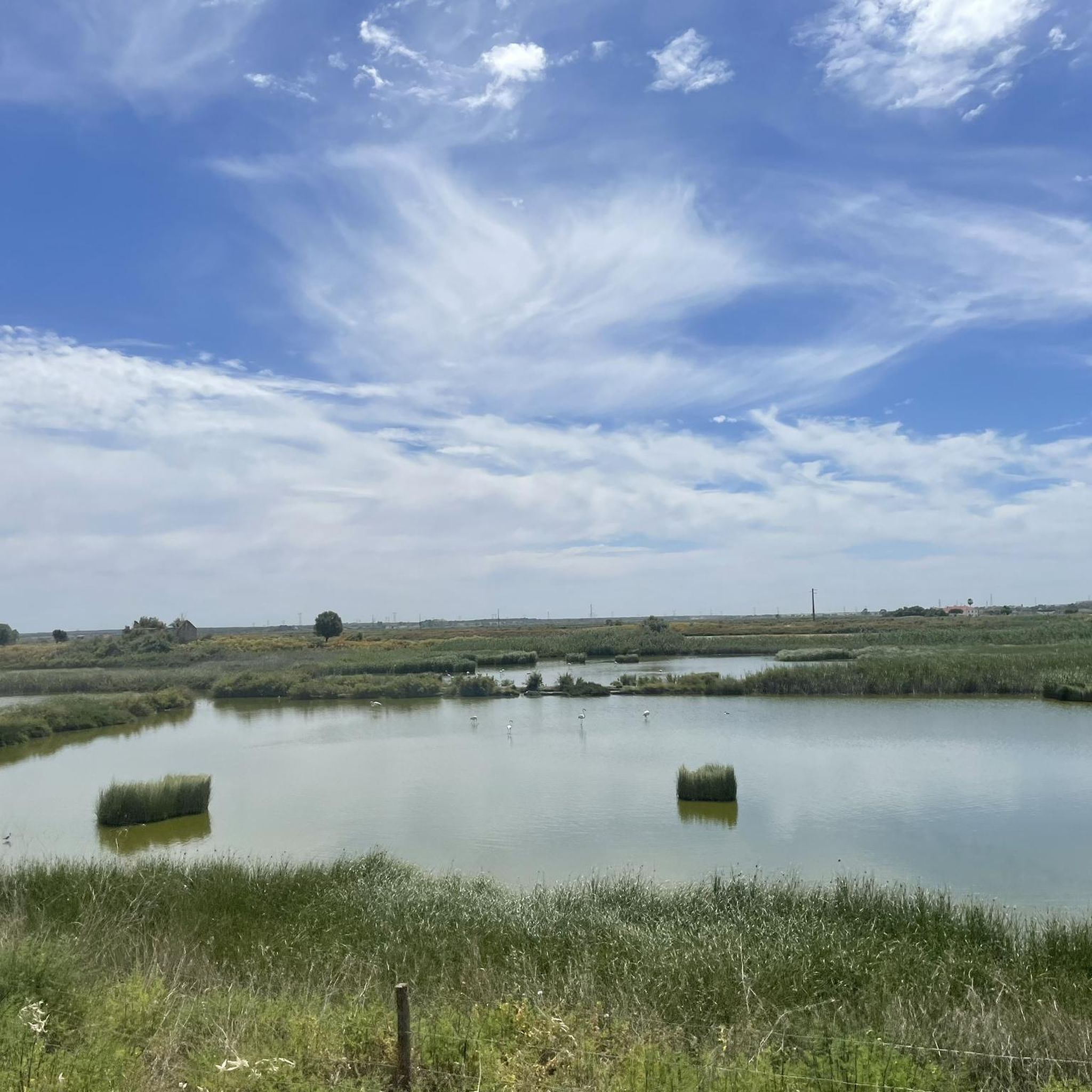
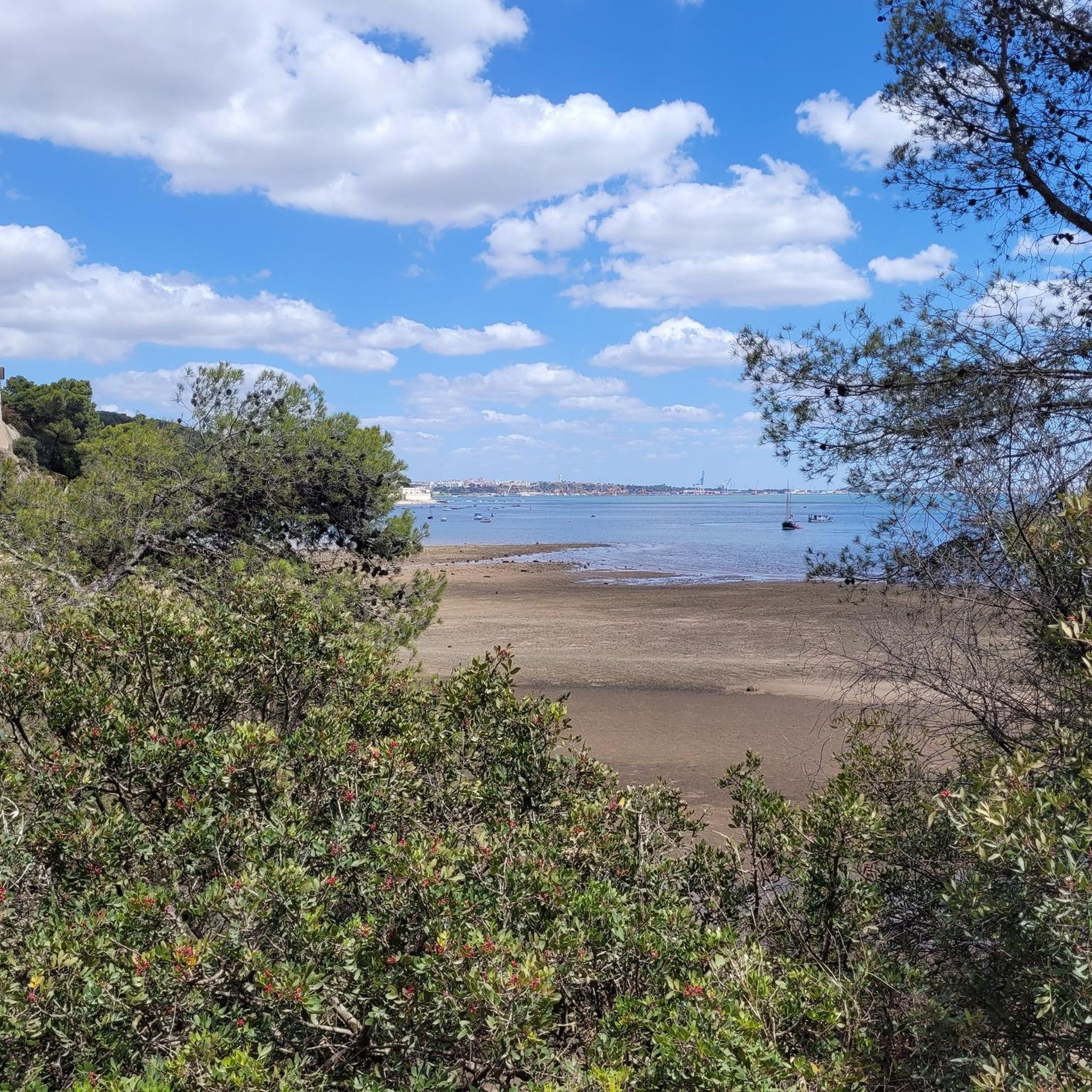
Road cycling routes around Afonsoeiro, a civil parish within Montijo, Portugal, offer access to diverse terrain. The region is characterized by flat plains and riverside areas near the Tagus estuary, with routes exploring natural features such as the Salinas do Samouco. While generally low in elevation, the surrounding area provides varied landscapes suitable for road cycling.
Best road cycling routes around Afonsoeiro
- The most popular road cycling route is Cais de Aldeia Galega – Ecopista do Montijo loop from Montijo…
Last updated: July 2, 2026
5.0
(2)
45
riders
60.8km
02:24
230m
230m
Moderate road ride. Good fitness required. Mostly well-paved surfaces and easy to ride.
5.0
(6)
55
riders
30.8km
01:14
110m
110m
Easy road ride. Great for any fitness level. Mostly well-paved surfaces and easy to ride.

Sign up for free
33
riders
95.3km
04:33
1,050m
1,050m
Hard road ride. Very good fitness required. Mostly well-paved surfaces and easy to ride.
32
riders
41.9km
01:56
180m
180m
Easy road ride. Great for any fitness level. Mostly well-paved surfaces and easy to ride.
30
riders
49.7km
02:08
180m
180m
Moderate road ride. Good fitness required. Some segments of this route may be unpaved and difficult to ride.
Get access to more routes and recommendations from other explorers.
Sign up for free
Already have an account?
Our route recommendations are based on thousands of hikes, rides, and runs completed by other people on komoot.
Start today with a free account
Your next adventure awaits.
Login or Signup


Tips from the Community

The Rio Frio Palace was built in the early 20th century, in a privileged location near Montijo, Alcochete, and the banks of the Tagus River. Once, the property, covering approximately 17,000 hectares, was considered one of the largest estates in the country, primarily producing wine. In subsequent generations, the estate was inherited by a nephew of José Maria dos Santos, Alfredo Santos Jorge, who commissioned the construction of the Rio Frio Palace. Dona Maria de Lourdes Pereira Lupi d'Orey, the current owner of the Rio Frio Palace and great-niece of Alfredo Santos Jorge, recalls the magic of life on the estate. From a large family deeply connected to the countryside and agriculture, her brother José Samuel Lupi stands out as a bullfighting figure. The house offers elegant décor, with a magnificent collection of tiles by Jorge Colaço. It offers an enchanting journey through the gardens and woods, providing a unique experience. (Source: www.solaresdeportugal.pt)
18
0

Beautiful roundabout representing field work and an olive grove 🫒
14
0
The Esteval Windmill or Moinho Velho is located in the municipality of Montijo. It was built in 1826, as can be seen from the date on the inside, and was part of a large agricultural property called Quinta do Moinho Velho. This mill is an emblematic example of the mills known as those from the South of Portugal, with a fixed tower in stone masonry and a rotating hood by means of an internal windlass. It is a living testimony to the flouring processes that were once used. It ceased to function at the beginning of the 20th century after 75 years of operation, and its reconstruction was promoted by the Local Authority according to the guidelines of the Portuguese International Section of Millology. The architectural structure did not undergo significant changes, however the wind collection system and the grinding apparatus were replaced. The mill maintains the traditional grinding system in operation. It opened in 2000. (Source: Wikipedia)
15
0
Former gas station ⛽️ transformed into a café ☕️. Very original.
16
0

José Maria dos Santos, son of Caetano dos Santos (a blacksmith or farrier) and Gertrudes Maria, became a wealthy farmer and the greatest Portuguese winegrower, thanks to his unique business management skills at the time. It is said that he planted the largest vineyard in the world, between Herdade de Rio Frio and Poceirão, after finding his fortune by marrying Maria Cândida Ferreira Braga, daughter of the capitalist Alexandre José Ferreira Braga and Baroness of São Romão, by marriage to Manuel Gomes da Costa São Romão, who had left her widow. The Baron of São Romão held all the titles to the property, which he had acquired in the 1850s with the Venda do Alcaide land grant, thus transferring capital from the urban domain to the agricultural sector (which was not a very common practice at the time). José Maria dos Santos was a member of parliament and a Peer of the Realm. However, he is said to have rejected the titles of nobility that were intended to be granted to him.
4
0
Frequently Asked Questions
How many road cycling routes are available around Afonsoeiro?
There are over 60 road cycling routes around Afonsoeiro, offering a wide range of options for different skill levels and preferences. The komoot community has rated these routes highly, with an average score of 4.3 stars.
What kind of terrain can I expect on road cycling routes in Afonsoeiro?
Road cycling around Afonsoeiro is characterized by diverse terrain, primarily featuring flat plains and riverside areas near the Tagus estuary. Routes often explore natural features like the Salinas do Samouco. While generally low in elevation, the surrounding area provides varied landscapes suitable for road cycling.
Are there any easy road cycling routes suitable for beginners in Afonsoeiro?
Yes, Afonsoeiro offers several easy road cycling routes perfect for beginners. For example, the Sarilhos Bridge – Rosário Courtyard loop from Montijo is an easy 26.4 miles (42.5 km) path exploring flat plains and riverside areas. Another accessible option is the Casa das Esguias – Cais de Aldeia Galega loop from Montijo.
What are some longer road cycling routes near Afonsoeiro?
For longer rides, consider the Palafitic Pier of Samouco – Salinas do Samouco loop from Montijo, which is 30.7 miles (49.4 km) long. Another option is the Rio Frio Palace – Coffee Station of Sarilhos loop from Montijo, covering 44.8 km (27.8 miles).
Are there family-friendly road cycling routes in Afonsoeiro?
Many of the routes around Afonsoeiro, particularly those on flatter terrain and along the Ecopista do Montijo, are suitable for families. The Cais de Aldeia Galega – Ecopista do Montijo loop from Montijo is a moderate 18.2 miles (29.3 km) trail that follows the Ecopista, offering scenic views and a generally accessible ride for families.
What can I see along the road cycling routes in Afonsoeiro?
Along the road cycling routes, you can explore natural and cultural points of interest. Notable attractions include the Salinas do Samouco, known for its unique salt pans, and the Sarilhos Bridge. You might also pass through areas near Alcochete, a charming settlement, and enjoy views from the Emiliano Rodrigues Viewpoint.
What is the best time of year for road cycling in Afonsoeiro?
Portugal generally offers varied landscapes suitable for cycling year-round. However, for road cycling in Afonsoeiro, spring and autumn typically provide the most pleasant weather conditions with milder temperatures, making them ideal for exploring the routes without the intense heat of summer or the cooler, potentially wetter days of winter.
Are there circular road cycling routes available in Afonsoeiro?
Yes, many of the road cycling routes in Afonsoeiro are designed as loops, allowing you to start and end at the same point. Examples include the Cais de Aldeia Galega – Ecopista do Montijo loop from Montijo and the Palafitic Pier of Samouco – Salinas do Samouco loop from Montijo.
Is public transport available to access road cycling routes in Afonsoeiro?
Afonsoeiro is a civil parish within the municipality of Montijo. While specific public transport options directly to trailheads are not detailed, Montijo itself is accessible by public transport, including bus services from Lisbon. Cyclists can plan their routes to start from accessible points within Montijo or Afonsoeiro.
Where can I find parking for road cycling routes in Afonsoeiro?
While specific parking locations for each trailhead are not provided, as a well-recognized cycling destination, Afonsoeiro and the wider Montijo area likely offer various public parking options, especially near town centers or popular starting points for routes. It's advisable to check local parking availability when planning your trip.
What makes Afonsoeiro a good destination for road cycling?
Afonsoeiro and the surrounding Montijo region are recognized by cycling communities for their well-established network of cycling paths. The area hosts organized cycling events, indicating an active cycling culture. Its diverse terrain, including flat plains and riverside areas near the Tagus estuary, combined with proximity to natural reserves like the Sado Estuary, offers varied and scenic routes for road cyclists of all levels.
Most popular routes around Afonsoeiro
Most popular attractions around Afonsoeiro

Get inspired with the komoot mobile app


Explore more
Browse the best Road cycling routes in other regions.
