Attractions and Places To See around Gâmbia-Pontes-Alto Da Guerra - Top 20
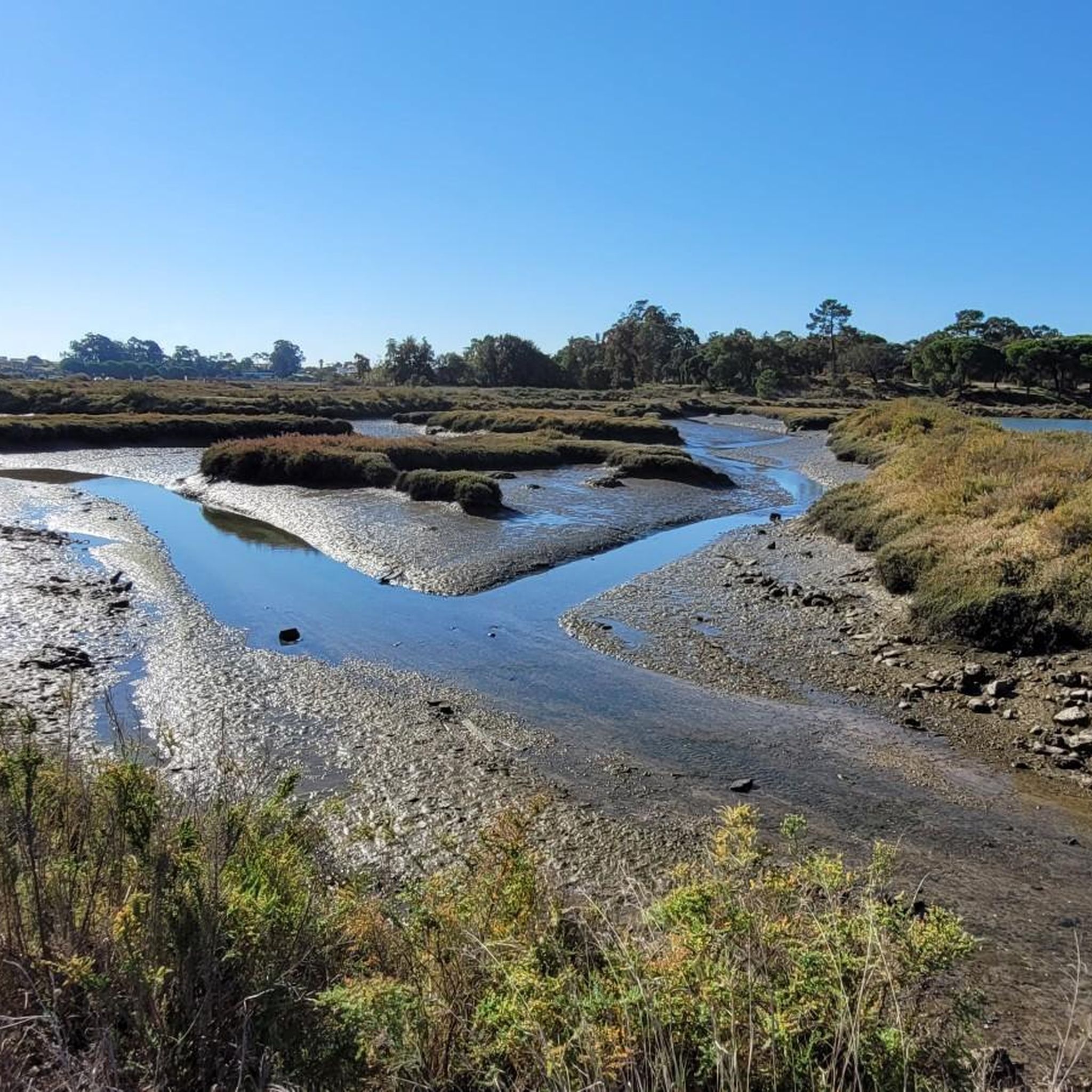
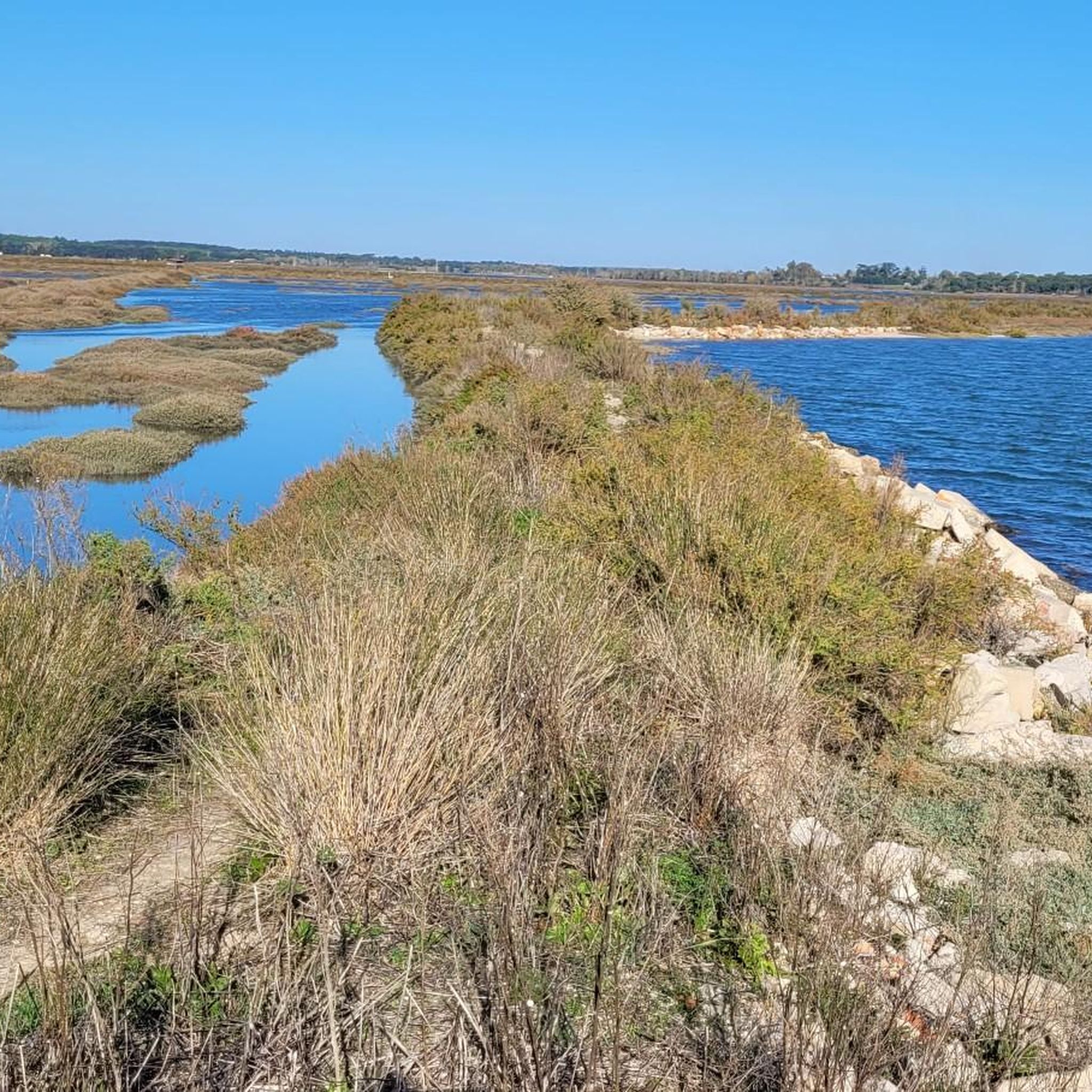
Attractions and places to see around Gâmbia-Pontes-Alto Da Guerra include a blend of natural features and historical sites within the Setúbal municipality. The area is characterized by its rural landscape and proximity to the Sado Estuary Natural Reserve, a significant wetland for bird species and marine life. Historical landmarks, such as castles and ancient windmills, offer insights into the region's past. Visitors can explore diverse points of interest reflecting both natural heritage and cultural history.
Best attractions and places to…
Last updated: July 2, 2026
Windmills of Serra do Louro
Highlight (Segment) • Monument
Tip by

Fort of São Filipe, Setúbal
Highlight • Castle
Tip by

Sign up now to discover places like this
Get recommendations on the best single tracks, peaks, & plenty of other exciting outdoor places.
Sign up for free
The Cat and the Wind – Casa do Turismo de Setúbal
Highlight • Monument
Translated by Google •
Tip by
Mercado do Livramento
Highlight • Rest Area
Translated by Google •
Tip by

Castle of Palmela
Highlight • Castle
en.m.wikipedia.org/wiki/Castle_of_Palmela
Translated by Google •
Tip by

Sign up for free to discover even more attractions around Gâmbia-Pontes-Alto Da Guerra.
Sign up for free
Already have an account?
Start today with a free account
Your next adventure awaits.
Login or Signup
Popular around Gâmbia-Pontes-Alto Da Guerra

Tips from the Community

In wartime situations, it controlled the space between Lisbon and the South, between the Tagus and Sado rivers. During the Islamic period and the Christian offensive in the 12th and 13th centuries, this geostrategic position was compatible with other fortified sites—Coina, Sesimbra, and the Sado riverbank. In the surrounding area—with good conditions for grazing and a large area of agricultural land—some rural communities settled during the Islamic period, such as the village of Alto da Queimada (Serra do Louro). Inside the wall, the ruins of the Church of Santa Maria do Castelo welcome visitors: Palmela's first parish church, probably from the 12th century (founded by King Afonso Henriques?), subject to interventions mainly in the 16th and 17th centuries and severely damaged by the 1755 earthquake. The walls, the pentagonal Keep—a 16th-century construction—are part of the original structure. The castle dates back to the 14th century, where the Bishop of Évora, D. Garcia de Meneses, was imprisoned in the waterless cistern for conspiring against King John II. The bishop died there from poisoning in 1484. The parade ground and barracks are worth visiting. As it stands, the castle is the result of several construction campaigns—repairs, reconstructions, and expansions—up until the 18th century. Archaeological work has identified some sections of the wall from the Islamic period, and other construction phases are recognized, likely dating from the post-reconquest period and, later, from the reign of King John I. The bastion system that surrounds the first line of fortification was commissioned by King Pedro II. In the house of the Prior-Major of the Order, or the military commander of the fortress—after the abolition of the orders (in 1834)—the explorer of African lands, Hermenegildo Carlos de Brito Capelo, son of the fortress's governor, was born on February 4, 1841. Palmela Castle was classified as a National Monument by Decree-Law of June 16, 1910. Parking outside the walls is recommended.
7
0

These were the "mills" of old, moved by the wind, heavy granite millstones, transformed wheat seeds into flour from which delicious bread was made, which "satisfied" the hunger of those who had little to eat.
1
0

At the top of the Serra do Louro stand the windmills which, in the not so distant past, were an important industry for processing cereals. The force of the wind hits the open sails, turning an axle, which in turn transmits the rotation to a limestone stone that rotates on another fixed one. These stones, called "millstones", receive the cereal grains between them, transforming them into flour.
6
0
It's near the port in Setubal. It's pretty big. There is everything you need for eating / cooking: Fish, meat, cheese, etc. There are small dining places all around. Also fine art: Azulejos and figures. Very nice to look at and dine.
6
0
The piece is called “The Cat and the Wind” and is by the artist Ricardo Romero. It is located on top of the Casa do Turismo de Setúbal. If you have ever been for a walk in the Baixa district, you must have noticed the enormous black cat installed on the roof of the Casa do Turismo de Setúbal, in Praça do Bocage. As soon as the sculpture was installed in 2021, several images of the piece began to be shared on social media, accompanied by some questions related to the artist. After a few days of secrecy, the local authority revealed that the acrylic resin sculpture, measuring 3.80 metres long and 2.30 metres high, is by the artist Ricardo Romero, from the Matilha Studio project, known for developing works that combine urban art with social and animal causes. The piece is called “The Cat and the Wind” and, according to the artist, aims to draw attention to the hustle and bustle of everyday life and the lack of contemplation of art. “People are very used to classical statuary in cities. They look at things and don’t see them, they don’t appreciate them. Life can be lived if we contemplate it at the same time”, explained Ricardo in the same note. Despite having several possible interpretations, the work, adds Carla Tavares, Ricardo Romero’s project manager, invites the population to stop and reflect on the rush that is life today. Text copied from "New in Setúbal", author: Carolina Bico.
5
0
Foodies with adore Setúbal's indoor Mercado do Livramento. It's an incredible place to head to sample those typical Portuguese flavours from bacalhau (salt-dried cod) to pasteis de nata (custard tarts). The array of fresh produce on sale here is simply mesmerising, with around 300 independent vendors all housed under the one roof. The fact that the market remains an integral part of Setúbal life and culture makes the market all the more impressive to behold. Wander this vast warehouse-like space to soak up the atmosphere, or make your way among the stalls to pick and choose the very best ingredients for a picnic like no other. Seasonal fruits are always piled high, as are olives and other locally-grown foodstuffs. But the star of the show here for 140 years has been the market's fish, which arrive here fresh from the fishermen's boats each day. It's best to get here early to grab the best produce and enjoy the liveliest atmosphere.
4
0
Address: Av. Luísa Todi, 163, Setúbal. Opening hours: Tuesday to Sunday from 7am to 2pm.
4
0
Frequently Asked Questions
What historical landmarks can I explore near Gâmbia-Pontes-Alto Da Guerra?
The region is rich in history. You can visit the impressive Fort of São Filipe, Setúbal, a 16th-century fortress offering panoramic views of Setúbal and the Sado River. Another significant site is the Castle of Palmela, known for its mixed architectural styles and strategic importance, providing magnificent views. Don't miss the Windmills of Serra do Louro, which were historically vital for processing cereals and offer interesting views.
Are there natural reserves or features to visit in the area?
Absolutely. The paramount natural attraction is the Reserva Natural do Estuário do Sado (Sado Estuary Natural Reserve). This extensive wetland is a vital area for numerous bird species, including flamingos and storks, making it excellent for birdwatching. You might also spot common bottlenose dolphins during boat trips. The reserve features diverse landscapes like cork oak groves, pine groves, and historical salt pans.
What kind of outdoor activities can I do around Gâmbia-Pontes-Alto Da Guerra?
The area offers various outdoor activities, particularly hiking and gravel biking. You can find numerous trails that explore the natural beauty and historical sites. For detailed routes and options, check out the guides for Hiking around Gâmbia-Pontes-Alto Da Guerra and Gravel biking around Gâmbia-Pontes-Alto Da Guerra.
Where can I find panoramic views of the region?
For breathtaking panoramic views, head to the Fort of São Filipe, Setúbal, which overlooks the city and the Sado River mouth. The Castle of Palmela also provides magnificent vistas, allowing you to see as far as the 25th of April Bridge. Additionally, the Windmills of Serra do Louro offer interesting perspectives of the surrounding landscape.
What is the best time of year to visit Gâmbia-Pontes-Alto Da Guerra for outdoor exploration?
While the region can be enjoyed year-round, spring and autumn generally offer the most pleasant weather for outdoor activities like hiking and birdwatching, with milder temperatures. Summer can be warm, ideal for coastal visits, while winter provides a quieter experience, especially for observing migratory birds in the Sado Estuary.
Are there any unique cultural sites or markets to experience?
Yes, the Mercado do Livramento in Setúbal is a must-see market hall. It's open daily (except Monday) and offers a vibrant atmosphere with fresh produce, fish, meat, and cheese. You'll also find beautiful Azulejos and figures, making it a cultural experience beyond just shopping. Another unique spot is 'The Cat and the Wind' sculpture at Casa do Turismo de Setúbal.
Can I find easy hiking trails near the attractions?
Yes, there are several easy hiking options available. For instance, you can explore routes like the 'Setúbal Marina – Albarquel Urban Park loop' or the 'São Filipe Fort – Mercado do Livramento loop'. These trails are generally shorter and less challenging, perfect for a relaxed stroll. More easy routes can be found in the Easy hikes around Gâmbia-Pontes-Alto Da Guerra guide.
What makes the Sado Estuary Natural Reserve special for visitors?
The Sado Estuary Natural Reserve is special due to its rich biodiversity and unique ecosystems. It's one of Portugal's most important wetlands, serving as a crucial habitat for numerous bird species, including flamingos, storks, and various ducks. It's also one of the few places in Europe where you can observe a resident population of common bottlenose dolphins. The landscape, with its cork oak groves, pine forests, and historic salt pans, adds to its distinct charm.
Are there any attractions that are wheelchair accessible?
Yes, some attractions offer wheelchair accessibility. The Mercado do Livramento in Setúbal is noted as wheelchair accessible, allowing everyone to enjoy its vibrant atmosphere. Additionally, 'The Cat and the Wind – Casa do Turismo de Setúbal' is also listed as wheelchair accessible.
What are the historical origins of the castles in the region?
The castles in the region have deep historical roots. The Fort of São Filipe, Setúbal, was built in the late 16th century under the orders of Philip II of Spain (Philip I of Portugal) to defend the coast. The Castle of Palmela has an even longer history, with vestiges dating back to the Islamic period and undergoing various constructions and expansions up until the 18th century, playing a crucial role in controlling the area between Lisbon and the South.
Where can I observe wildlife, especially birds or dolphins?
The best place for wildlife observation is the Reserva Natural do Estuário do Sado. This natural reserve is renowned for its birdwatching opportunities, with species like flamingos, storks, and various ducks. It's also famous for its resident population of common bottlenose dolphins, which can often be seen during boat tours within the estuary.
What are the "Windmills of Serra do Louro" and why are they significant?
The Windmills of Serra do Louro are a collection of historic windmills, some ancient and some more recent, located on the Serra do Louro. They are significant as they represent an important historical industry for processing cereals in the region. Visitors can explore the area, appreciate the engineering of these structures, and enjoy the scenic views they offer.
Are there options for longer or more challenging hikes?
Yes, for those seeking more challenging routes, there are options like the 'Hiking loop from Setúbal' or the 'Roman Road – Castle Hillside loop from Setúbal', both rated as difficult. These longer trails provide a more extensive exploration of the landscape and can be found in the Hiking around Gâmbia-Pontes-Alto Da Guerra guide.
Most popular routes around Gâmbia-Pontes-Alto Da Guerra
Most popular attractions around Gâmbia-Pontes-Alto Da Guerra

Get inspired with the komoot mobile app


Explore more
Still not found the Highlight you’re looking for? See guides of the top attractions in other regions:
