The best road cycling routes around Loureda
3.5
(2)
40
riders
2
rides
Road cycling around Loureda, located within the municipality of Arteixo in Galicia, Spain, offers diverse terrain for cyclists. The region features an Atlantic coastline with beaches and scenic promenades, alongside inland routes that traverse valleys and hills. Elevated viewpoints, such as Coto de Santa Locaia, provide panoramic vistas over the Loureda valley and the Atlantic. Natural spaces like the Fraga de Sisalde and the Boedo river area contribute to a varied landscape for road cyclists.
Best road cycling routes around…
Last updated: May 16, 2026
3.5
(2)
25
riders
63.6km
03:25
1,150m
1,150m
Hard road ride. Very good fitness required. Mostly well-paved surfaces and easy to ride.
10
riders
68.5km
03:27
1,030m
1,030m
Hard road ride. Very good fitness required. Mostly well-paved surfaces and easy to ride.

Sign up for free
6
riders
34.7km
01:58
700m
690m
Moderate road ride. Good fitness required. Some segments of this route may be unpaved and difficult to ride.
Our route recommendations are based on thousands of hikes, rides, and runs completed by other people on komoot.
Start today with a free account
Your next adventure awaits.
Login or Signup
Popular around Loureda


Tips from the Community

The main attraction of the town.
2
0

Granite monument marking the Way of St. James and encouraging pilgrims to persevere.
1
0

Take advantage and visit the horn of the beak, see photos
0
0

Paredes de Coura is a cozy little village hosting a Festival, one of Portugal’s most iconic and long-standing music festivals, celebrating 30 years of history. Known for its alternative spirit and carefully curated lineup, it has played a key role in showcasing emerging talent and hosting major international acts. Held by the Taboão river beach, the Vodafone Paredes de Coura Festival has been named one of Europe’s top 5 music festivals by Rolling Stone magazine. Past performers include Arcade Fire, Pixies, Nick Cave, PJ Harvey, Idles, and Fontaines D.C. This year, the festival takes place from August 13 to 16.
0
0
The Bridge over the Lima River in Ponte de Lima is an authentic work of art that combines medieval and Roman styles and is classified as a national monument. The bridge has two distinct sections, one Roman and one medieval.
1
0

Ponte de Lima - Portugal's oldest town 🏠
3
0

The ex-libris of Ponte de Lima, which together with the river that bathes the town, gave the town its name, is its bridge. In reality, it is a group formed by two bridges: a larger medieval section, which begins on the left bank and extends to the Church of Santo António da Torre Velha and also passes through it in two arches. Then, the remaining section of the Roman bridge. There are only five arches from the large arch that is on a dry bed. If you go down you will also see the foundations of the Old Tower, perhaps the first of the medieval defensive system. The Roman bridge probably dates back to the 1st century, since it was at that time that the route of one of the military roads of the former "Conventus Bracaraugustanus", which connected Braga to Astorga, was opened, in this case Via XIX, ordered to be opened by the Emperor Augustus. As regards the medieval part, although we can go back in time, at least to the reigns of D. Pedro I and D. Fernando, due to a direct connection to the construction of the walls and towers that fortified the town, a work completed in 1370 , or even D. Dinis, taking into account documentation that mentions a bridge, which could also, at that time, be made of wood, we know of its existence during the reign of D. Manuel I, more precisely in 1504, because this monarch had new paving was ordered and merlons were installed to decorate the bridge, as they were no longer justified as a defensive and military option.
4
0

The town is dominated by watchtowers, built in the fourteenth century, which, together with the whitewashed houses, make it an attractive town. Some women still go to the river to wash their clothes and hang them on the banks of the river to dry. In addition to the bridge, there are many beautiful palaces and country houses in the city and the surrounding area
3
0
Frequently Asked Questions
What kind of terrain can I expect on road cycling routes around Loureda?
Road cycling around Loureda offers a diverse mix of terrain. You'll find coastal roads with sea views, inland routes traversing valleys and hills, and climbs to elevated viewpoints like Coto de Santa Locaia, which provides panoramic vistas. Natural areas such as the Fraga de Sisalde and the Boedo river area also contribute to the varied landscape.
Are there challenging road cycling routes in Loureda?
Yes, Loureda offers several challenging road cycling routes. For instance, the Roman Bridge of Ponte de Lima loop from Insalde e Porreiras is a difficult 63.6 km trail with significant elevation gain. Another demanding option is the Valença Fortress loop from Insalde e Porreiras, a 68.5 km path featuring varied terrain, climbs, and descents.
What historical landmarks can I see along road cycling routes in the Loureda area?
The region around Loureda is rich in history. You can encounter Romanesque churches, such as the Santa María de Loureda Church, and ancient sites like the Os Brozos Roman Bridge. The Roman Bridge of Ponte de Lima loop from Insalde e Porreiras specifically passes by historical landmarks, and the Valença Fortress loop from Insalde e Porreiras offers views of historical fortifications.
Are there any moderate road cycling routes available?
Yes, for those looking for a moderate challenge, the Monte de Cima loop from Cristelo is a great option. This 36.7 km trail leads through hilly terrain and can typically be completed in about 2 hours and 3 minutes.
What do other road cyclists say about the routes in Loureda?
The road cycling routes in Loureda are highly rated by the komoot community, with an average score of 5.0 stars from over 1 review. More than 30 road cyclists have used komoot to explore the area, often praising the mix of challenging ascents and varied landscapes, from coastal roads to inland valleys and scenic viewpoints.
What are some scenic viewpoints or natural features to look out for while cycling?
Loureda offers stunning natural beauty. The viewpoint at Coto de Santa Locaia provides breathtaking panoramic views of the Loureda valley, the broader Arteixo area, and the Atlantic coastline. You can also explore natural spaces like the Fraga de Sisalde and the Boedo river area, characterized by dense native forests. The Atlantic coastline itself features numerous beaches and the scenic 'blue path' (Senda Azul).
Are there any unique natural attractions near Loureda's cycling routes?
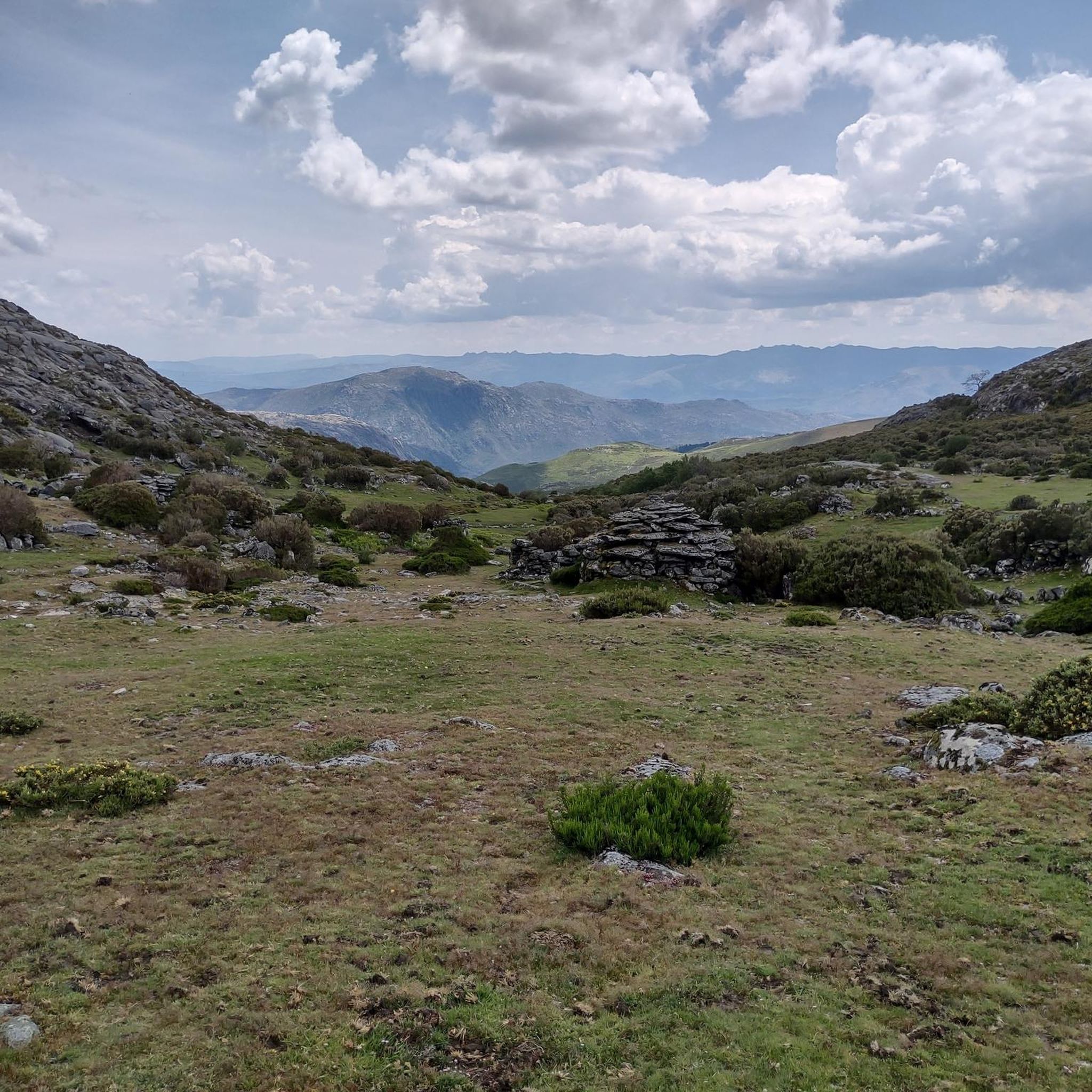
Yes, the region boasts several unique natural attractions. You might encounter the Terraced Fields of the Vez Valley, an Ancient Bridge Over Wild Stream, or even the Corno de Bico Summit (883 m). The Poço das Caldeiras River Beach is another beautiful spot.
What kind of historical or cultural points of interest can I visit in the Loureda area?
Beyond the natural landscapes, Loureda and Arteixo offer rich historical and cultural sites. You can visit Romanesque churches, such as the Santa María de Loureda Church, and ancient landmarks like the well-preserved Os Brozos Roman Bridge, believed to be part of the Roman Vía XX. Prehistoric remnants like the Marco da Anta Menhir also dot the landscape.
Are there any specific trails or boardwalks for exploring the natural beauty?
Yes, you can find a Wooden boardwalk along the river in the Transboundary Gerês–Xurés Biosphere Reserve, offering a unique way to experience the local flora and fauna. Additionally, the Ecovia do Rio Vez to Sistelo and the Stone Staircase on Trilho dos Passadiços provide further opportunities for exploration.
What is the best time of year for road cycling in Loureda?
While specific cycling seasons aren't detailed, the region's Atlantic climate suggests that spring and autumn generally offer pleasant temperatures for road cycling, avoiding the peak heat of summer and potential winter rains. Checking local weather forecasts before your ride is always recommended.
Are there any thermal waters in the area that cyclists can visit?
Yes, the Arteixo area is known for its therapeutic thermal waters, recognized for their health benefits since 1760. These waters range from 25ºC to 47ºC and are rich in salt, iodine, and bromide, offering a unique relaxation opportunity after a ride.
Most popular routes around Loureda
Most popular attractions around Loureda

Get inspired with the komoot mobile app


Explore more
Browse the best Road cycling routes in other regions.
