Attractions and Places To See around Haimendorfer Forst - Top 20
Best attractions and places to see around Haimendorfer Forst include natural features and historical sites. Haimendorfer Forst is an unincorporated forest area characterized by its natural landscape, including several streams like the Schneidersbach and Röthenbach. While the forest itself is ideal for outdoor activities, many notable attractions are found in the surrounding region, particularly in the nearby city of Nuremberg. These sites offer a diverse range of experiences, from historical exploration to cultural immersion.
Best attractions and places to see…
Last updated: July 6, 2026
Fabrikgut Hammer
Highlight • Historical Site
Translated by Google •
Tip by

Imperial Castle Nuremberg
Highlight • Castle
Translated by Google •
Tip by

Sign up now to discover places like this
Get recommendations on the best single tracks, peaks, & plenty of other exciting outdoor places.
Sign up for free
Wöhrder Lake
Highlight • Lake
Translated by Google •
Tip by

Lauf an der Pegnitz – Market Square
Highlight • Settlement
Translated by Google •
Tip by

Along the Pegnitz River
Highlight (Segment) • River
Translated by Google •
Tip by
Sign up for free to discover even more attractions around Haimendorfer Forst.
Sign up for free
Already have an account?
Start today with a free account
Your next adventure awaits.
Login or Signup
Tips from the Community

Wöhrder See, Nuremberg Wöhrder See, the youngest of Nuremberg's waterways, is a popular local recreation area in the heart of the city, providing a natural habitat for endangered species. It is not a natural lake, but was created by damming the Pegnitz River, which flows through it. The idea for an inner-city lake existed as early as the 1930s. The project was approved for implementation in October 1959. In addition to the City of Nuremberg, the State Water Management Authority and the Middle Franconia District were involved in the planning and construction. Recreational concerns were not the only priority in the design. The lake is also part of the extensive flood protection measures after the Second World War. Construction work began in 1968 with the Lower Wöhrder See and continued until 1972. The sand trap above the waterway was built between 1972 and 1975. The final construction phase of the Upper Wöhrder Lake was completed in 1981. Text / Source: Nürnberg Infos.de / Nürnberger Nachrichten https://nuernberginfos.de/gewaesser-nuernberg/woehrder-see.php
15
0

Great view over the city at the foot of the Kaiserburg.
16
2
The Kaiserburg lookout point is open all year round, although opening hours vary seasonally. Guided tours are available, providing detailed information about the history and architecture of the castle. For those who prefer to explore the lookout point at their own pace, audio guides are also available in several languages. Admission for adults is minimal, and children under 18 are admitted free.
15
1

The Imperial Castle is Nuremberg's landmark. From the castle, you have a magnificent view of Nuremberg. Even at night, when illuminated, it is beautiful to see. For an even better view of Nuremberg, a visit to the Sinwell Tower at the Imperial Castle is recommended. You can purchase a combination ticket for the museum and the tower. Opening hours and further information can be found on the official website: https://www.kaiserburg-nuernberg.de/deutsch/tourist/oeffnung.htm
25
3

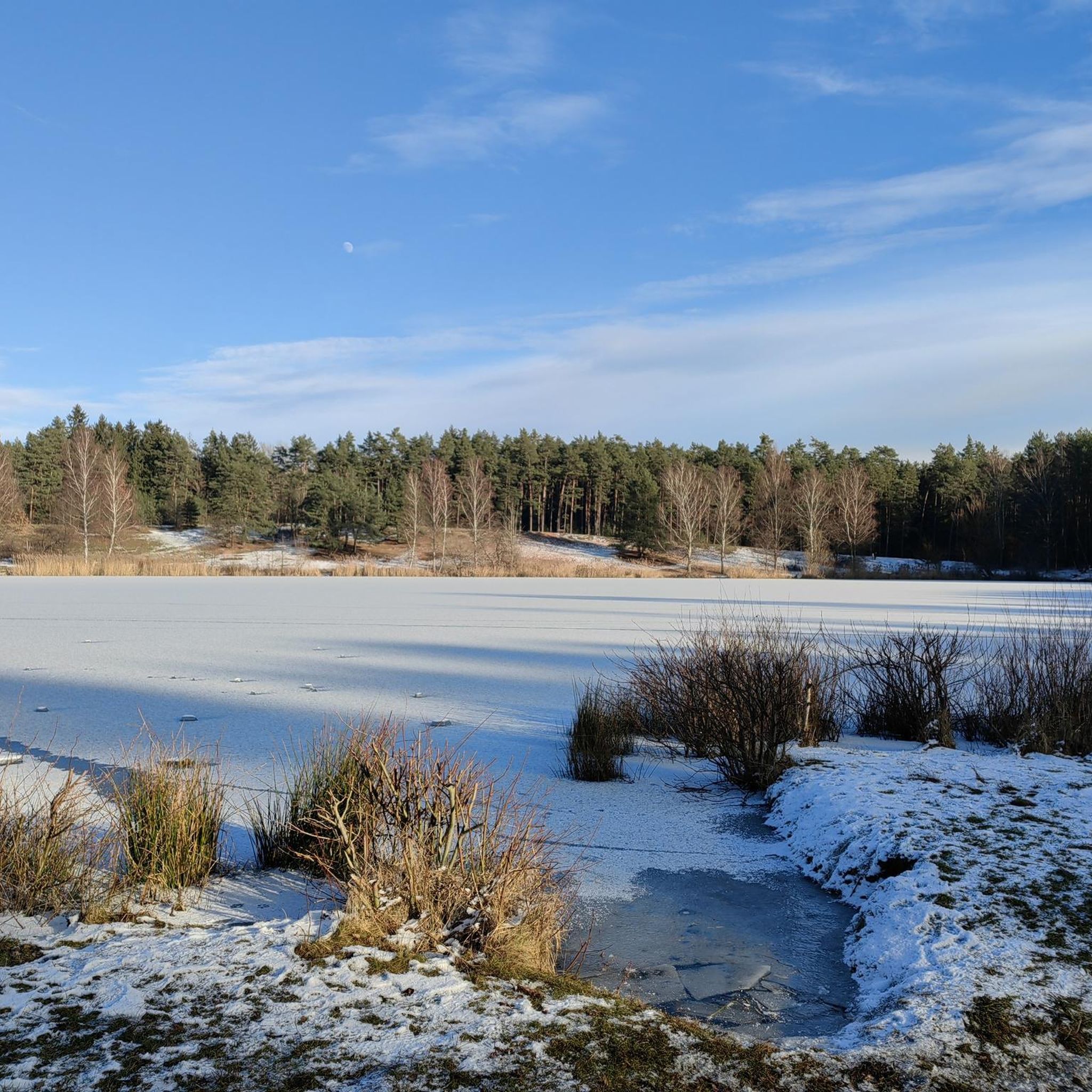
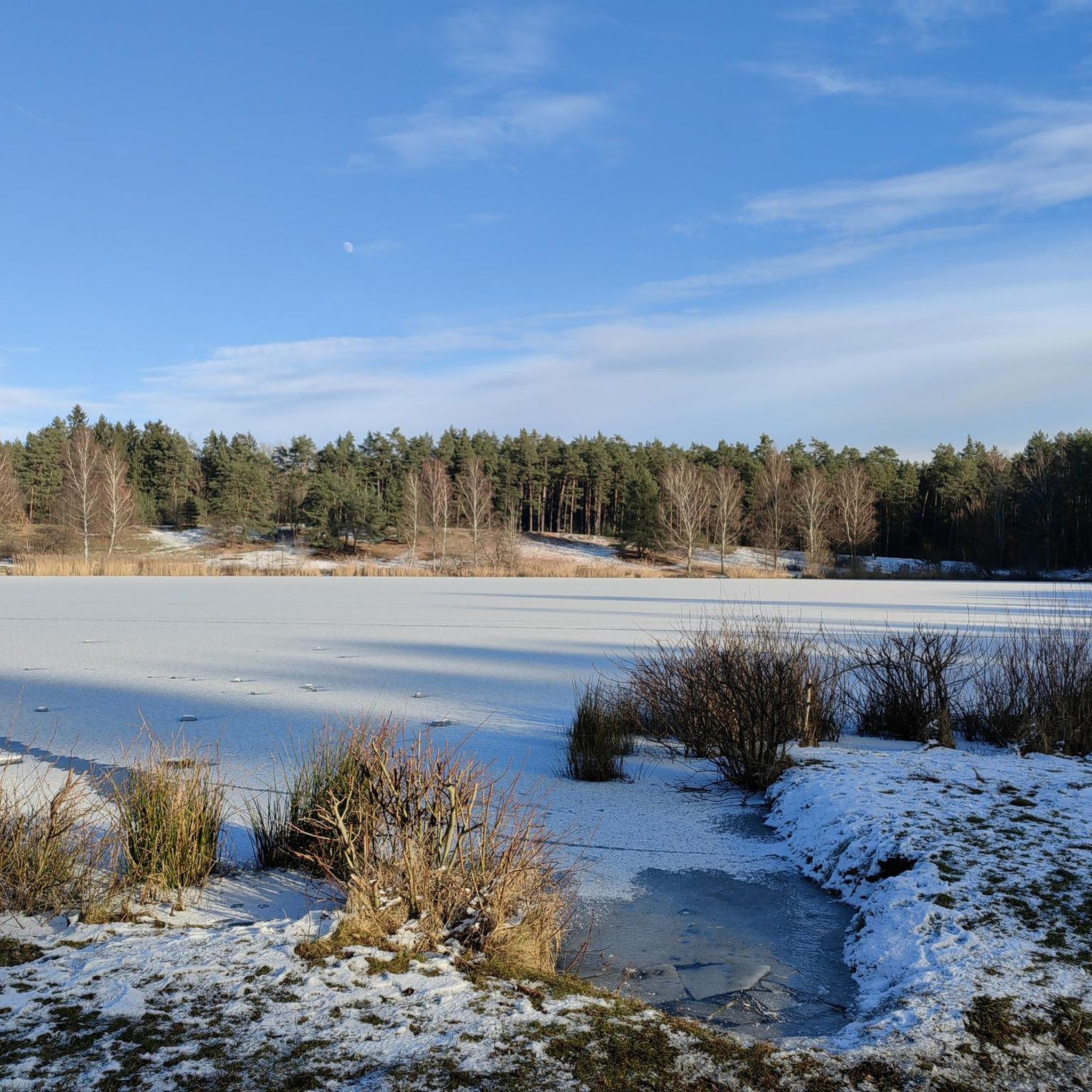
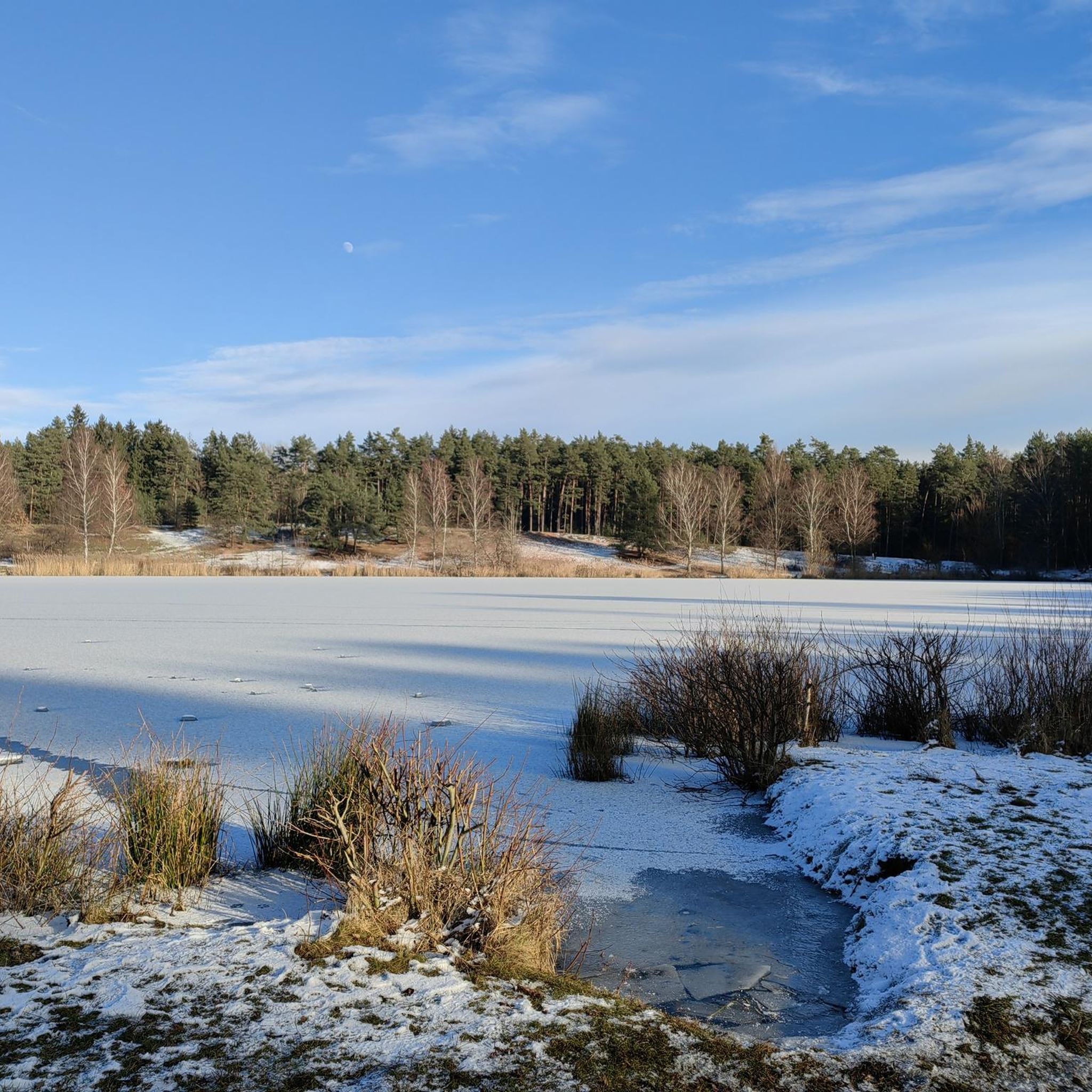
A walk around the lake can be a lovely family walk. A total of 6.5 km with no elevation gain and a lovely, varied route.
18
0

In the Middle Ages, the Roman-German emperors did not rule from a city, but were constantly on the move to meet their vassals, hold court or attend imperial diets. When travelling, the emperor and his court were accommodated in imperial palaces along the travel routes. The Imperial Castle in Nuremberg is one of the most important imperial palaces of the Middle Ages in Europe.
34
6

Hammer factory – already important in the Middle Ages Everything you need to know about the Hammer factory: https://www.n-ergie.de/public/remotemedien/media/n_ergie/internet/die_n_ergie/schulinformation/besichtungen_fuer_schulen/FirstSpirit_165640749797104-03-600-0002-0001_Broschuere_Hammer_Einzelseiten.pdf
7
0

The Walburgis Chapel is located on the grounds of the Imperial Castle in Nuremberg. It formerly belonged to the Burggrafenburg, built in 1192, which was largely destroyed in 1420. The reopening of the newly built chapel took place during a celebratory service in 2011. Together with the Church of St. Clara, it is part of the Catholic parish of "Our Lady."
27
6
Frequently Asked Questions
What natural features can I explore within Haimendorfer Forst and its immediate surroundings?
Haimendorfer Forst is primarily a natural forest area characterized by its streams, including the Schneidersbach, Röthenbach, Finstergraben, and Geißgraben. These waterways contribute to the forest's natural beauty, making it ideal for nature walks and exploration. For a larger body of water, Wöhrder Lake is a popular local recreation area nearby, offering a varied route for enjoying nature without significant elevation gain.
Are there opportunities for hiking or cycling around Haimendorfer Forst?
Yes, the area around Haimendorfer Forst offers numerous opportunities for outdoor activities. You can find various hiking trails, including routes like "Up the Moritzberg" or "Moritzberg Mountain Inn – View from Reuther Berg loop from Haimendorf." For cycling, there are MTB trails such as the "Prickelpit Trail – Schmausenbuck Singletrack Trails loop from Schwaig." You can explore more options for hiking and MTB trails in the region.
What historical sites are there to visit near Haimendorfer Forst?
The region boasts a rich history, with many significant sites primarily located in nearby Nuremberg. Beyond the well-known Imperial Castle, you can visit the Fabrikgut Hammer, an industrial history ensemble that was once the largest factory in the Nuremberg region. Other notable historical landmarks in Nuremberg include the Documentation Center Nazi Party Rally Grounds, St. Lorenz Church, and the beautiful Gothic spire fountain, Schöner Brunnen, near the Main Market.
Are there any family-friendly attractions or activities in the area?
Absolutely. Many attractions around Haimendorfer Forst are suitable for families. Wöhrder Lake is a great spot for a family walk or to enjoy nature. In Nuremberg, the Toy Museum (Spielzeugmuseum) offers a fascinating experience for all ages, showcasing a wide variety of toys. Additionally, strolling through the idyllic city center of Lauf an der Pegnitz – Market Square can be a pleasant family outing.
What kind of trails can I expect for walking or running in Haimendorfer Forst?
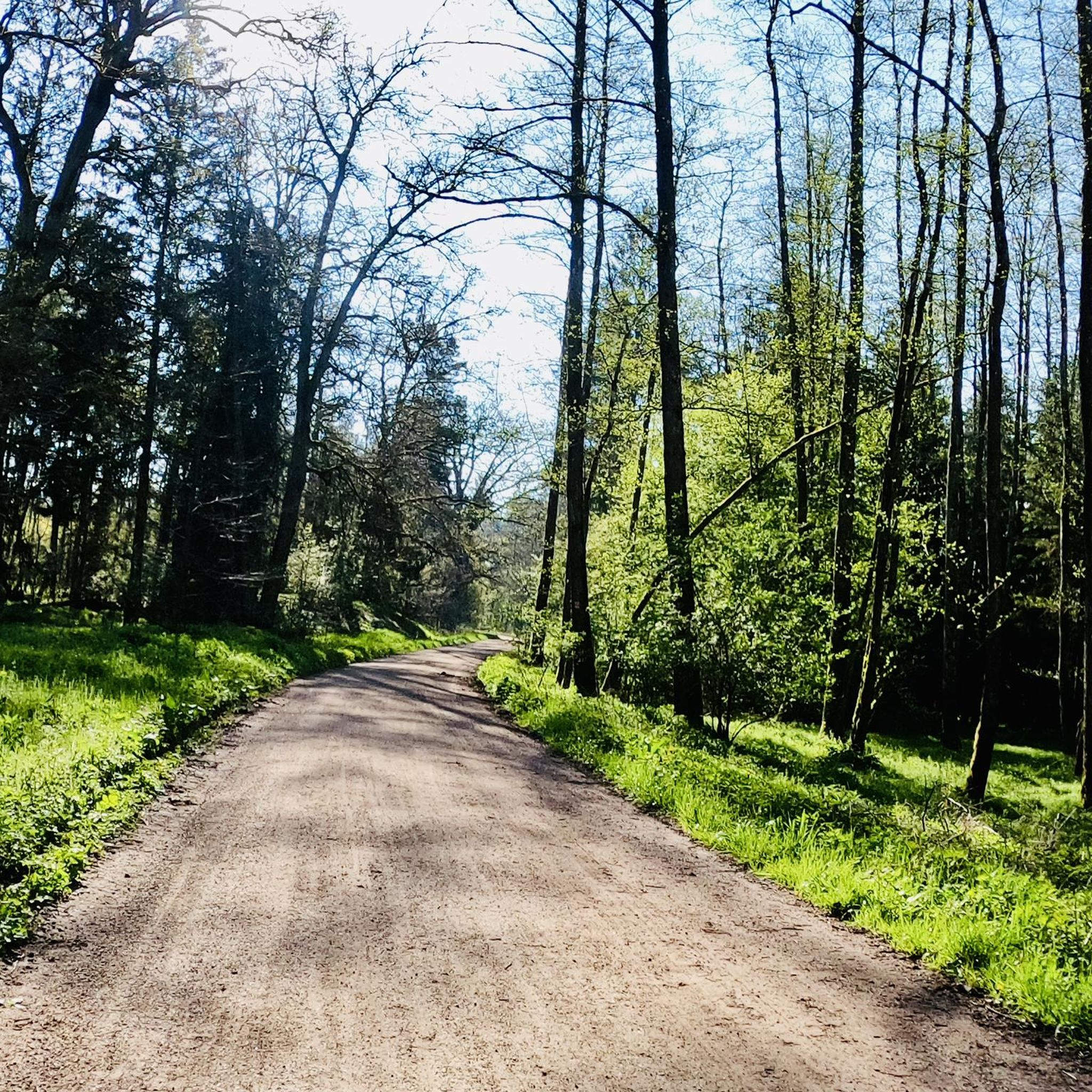
Haimendorfer Forst offers a typical forest environment with paths suitable for nature walks. For more structured routes, you can find trails along the Pegnitz River, which are often flat and pass by old buildings and the Pegnitztal east nature reserve. Running trails in the vicinity include routes through the Pegnitz Valley East Nature Reserve, with options ranging from easy to moderate difficulty. You can find more details on running trails in the area.
Where can I find cultural landmarks or museums near Haimendorfer Forst?
The surrounding region, particularly Nuremberg, is rich in cultural landmarks and museums. Besides the historical sites, you can visit the Germanisches Nationalmuseum, known for its extensive collections and pioneering display methods. The vibrant Nuremberg Main Market (Nürnberger Hauptmarkt) is also a significant cultural hub, often hosting events and markets.
What do visitors enjoy most about the attractions around Haimendorfer Forst?
Visitors appreciate the diverse experiences offered, from exploring medieval fortresses to enjoying serene natural landscapes. For instance, the Wöhrder Lake is loved as a local recreation area where one can enjoy nature without driving far. The Fabrikgut Hammer is valued for its historical significance as an industrial history ensemble, freely accessible for exploration. The charm of places like Lauf an der Pegnitz – Market Square is also highly rated for its idyllic setting and as a starting point for tours.
Are there any specific viewpoints or scenic spots worth visiting?
While Haimendorfer Forst itself offers natural forest views, the Imperial Castle Nuremberg provides excellent lookout points over the city. The castle is open all year round, offering panoramic views. Additionally, the area around Wöhrder Lake offers pleasant scenic spots, especially for enjoying the water and surrounding greenery.
What are the best options for parking when visiting attractions near Haimendorfer Forst?
Parking availability varies by specific attraction. For attractions within Nuremberg, public parking garages are generally available. For exploring Haimendorfer Forst itself or starting points for trails, look for designated 'Parkplatz' areas, often found near trailheads or villages bordering the forest like Schwaig bei Nürnberg or Diepersdorf. Specific parking details are usually best checked for individual destinations.
Can I reach attractions around Haimendorfer Forst using public transport?
Yes, many attractions, especially those in Nuremberg, are well-connected by public transport, including buses and the S-Bahn. For Haimendorfer Forst itself, public transport options might be more limited, often requiring a combination of train/bus to nearby towns like Schwaig bei Nürnberg or Diepersdorf, followed by a walk or short taxi ride to reach specific forest entry points or trailheads. It's advisable to check local transport schedules for your specific destination.
Are there any unique or lesser-known attractions (hidden gems) in the area?
Beyond the main highlights, exploring the smaller towns and villages surrounding Haimendorfer Forst can reveal charming spots. The Fabrikgut Hammer, an industrial history ensemble, might be considered a hidden gem for those interested in local heritage. Walking along the Pegnitz River also offers a chance to discover quieter paths and nature reserves that are less frequented than the city's main attractions.
Most popular routes around Haimendorfer Forst
Most popular attractions around Haimendorfer Forst

Get inspired with the komoot mobile app


Explore more
Still not found the Highlight you’re looking for? See guides of the top attractions in other regions:
