The best road cycling routes around Parada
3.5
(2)
56
riders
5
rides
Road cycling routes around Parada are characterized by varied topography, including rolling hills and river valleys. The region offers a network of roads that traverse lush forests, historic villages, and agricultural landscapes. Elevations are generally moderate, with some routes featuring more challenging climbs. The area's natural features include riverbanks and scenic rural environments, providing diverse terrain for road cyclists.
Best road cycling routes around Parada
- The most popular road cycling route is Roman Bridge of Ponte de Lima loop from…
Last updated: July 4, 2026
3.5
(2)
25
riders
63.6km
03:25
1,150m
1,150m
Hard road ride. Very good fitness required. Mostly well-paved surfaces and easy to ride.
10
riders
68.2km
03:26
1,030m
1,030m
Hard road ride. Very good fitness required. Mostly well-paved surfaces and easy to ride.

Sign up for free
6
riders
41.8km
02:16
820m
820m
Moderate road ride. Good fitness required. Mostly well-paved surfaces and easy to ride.
6
riders
34.7km
01:58
700m
690m
Moderate road ride. Good fitness required. Some segments of this route may be unpaved and difficult to ride.
4
riders
92.8km
04:59
1,710m
1,710m
Hard road ride. Very good fitness required. Some segments of this route may be unpaved and difficult to ride.
Our route recommendations are based on thousands of hikes, rides, and runs completed by other people on komoot.
Start today with a free account
Your next adventure awaits.
Login or Signup

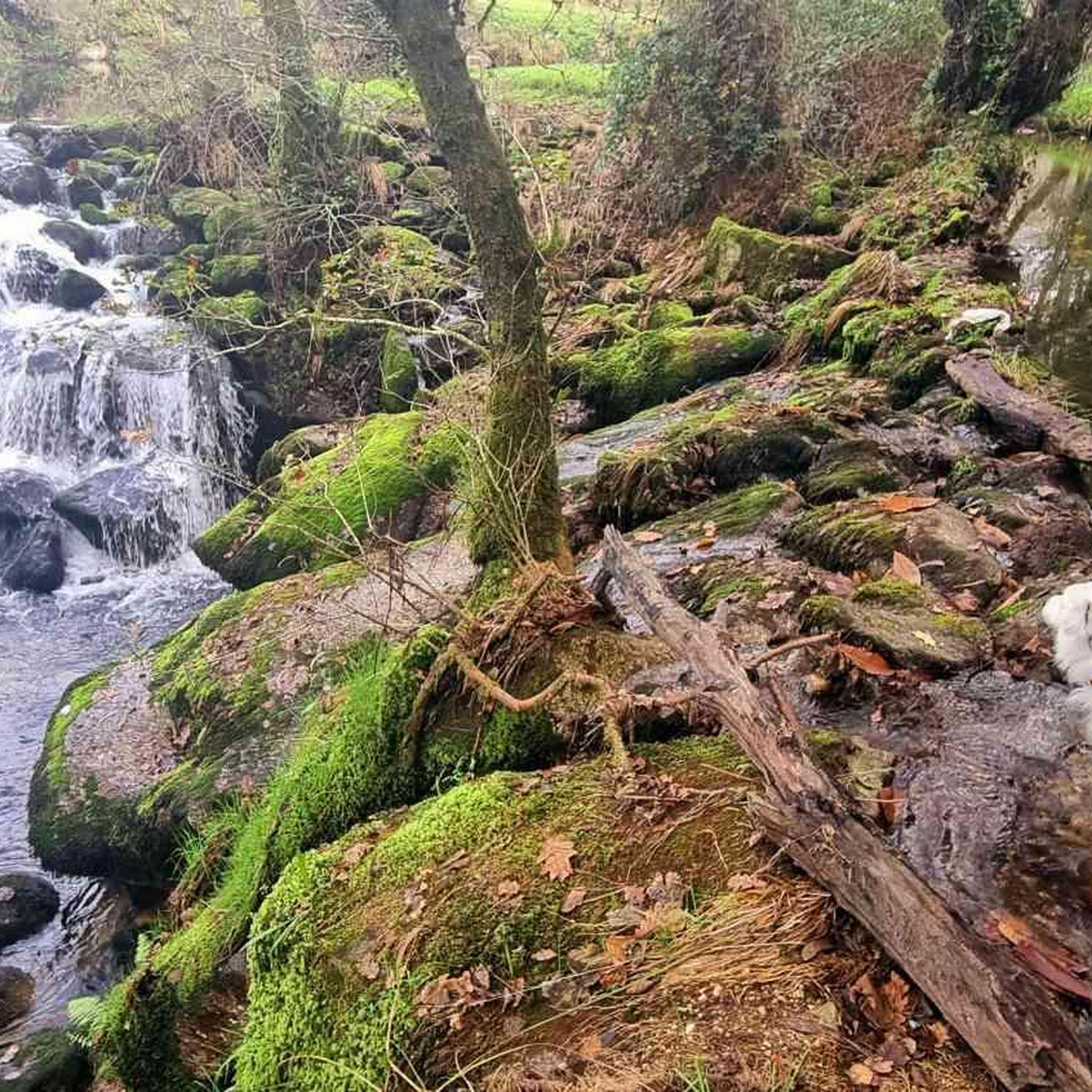

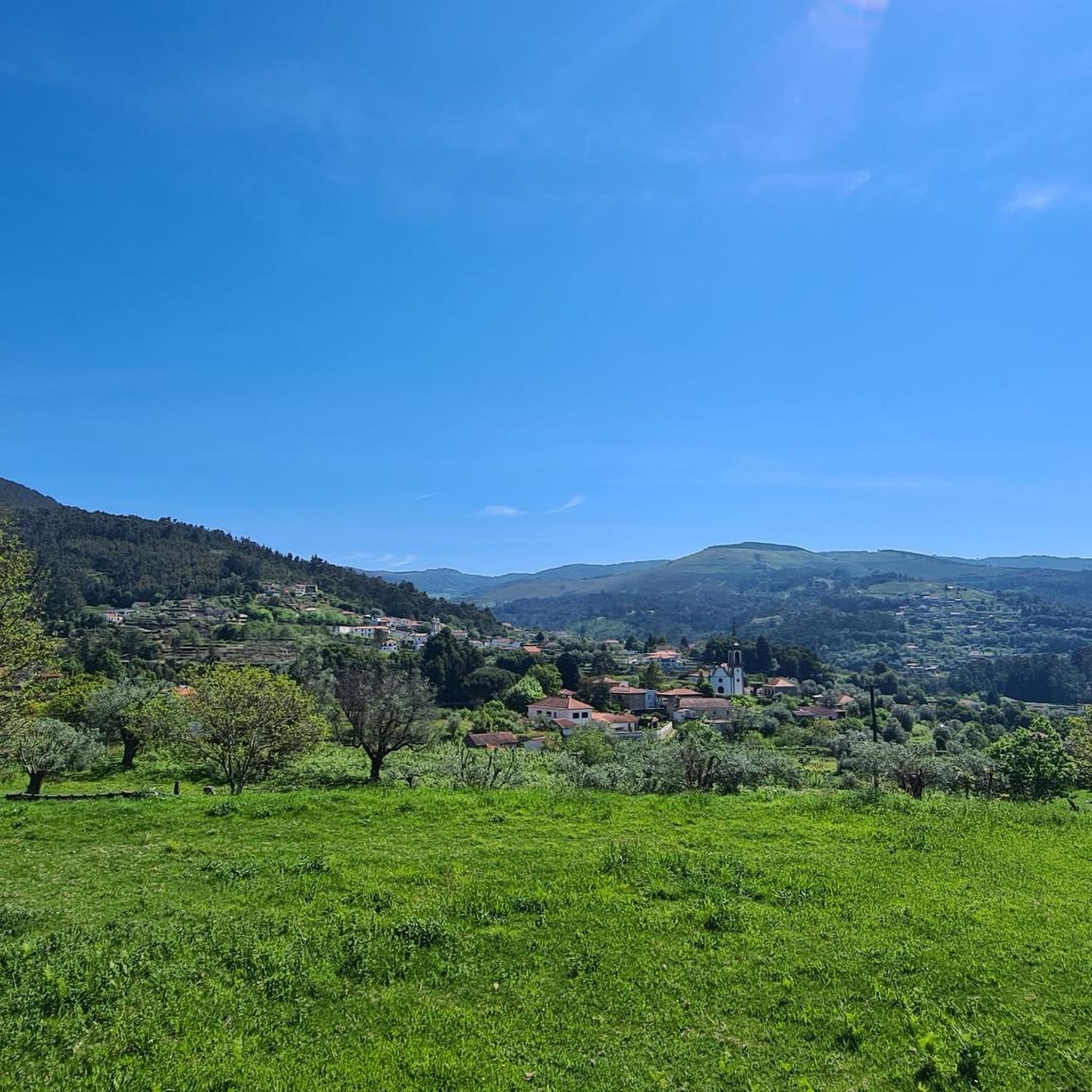
Tips from the Community


Historical Context Origin of the name: The town of Ponte de Lima, the oldest in Portugal, derives its name from the bridge that crosses it. Way of St. James: The bridge is an important crossing point on the Portuguese Way of St. James. Legend: The legend of the Lima River, which runs under the bridge, tells that the Romans believed it to be the river of forgetfulness, which would have given rise to the myth that people who crossed it would forget their past lives.
2
0
The bridge that gives the Lima Bridge its name is actually a combination of two structures: a Roman section, built in the 1st century, and a medieval section, expanded in the 14th century. It crosses the Lima River and is one of the town's most emblematic monuments. Characteristics of the bridge Roman section: The remaining Roman section consists of five arches, and its construction is linked to the military road that connected the cities of Braga and Astorga. Medieval section: The medieval portion of the bridge is larger and was built to connect to the Roman section, extending the structure over the river. Material: The bridge is built of granite, using the Roman technique of "quadratum" and "vittatum" masonry.
2
0

A city bathed by the Lima River, with walking trails in the area and good food.👍🥾🇵🇹
1
0

The main attraction of the town.
2
0

Granite monument marking the Way of St. James and encouraging pilgrims to persevere.
1
0

Take advantage and visit the horn of the beak, see photos
0
0

This area of Paredes de Coura offers a river beach, a restaurant and this beautiful wooden bridge.
0
0
Frequently Asked Questions
What kind of terrain can I expect on road cycling routes around Parada?
Road cycling routes around Parada feature varied topography, including rolling hills and river valleys. The region offers a network of roads that traverse lush forests, historic villages, and agricultural landscapes. Elevations are generally moderate, with some routes featuring more challenging climbs, providing diverse terrain for road cyclists.
Are there any easy road cycling routes suitable for beginners in Parada?
While there are no routes specifically classified as 'easy' in our selection, Parada offers two moderate routes that might be suitable for less experienced cyclists. These include the Small wooden bridge loop from Paredes de Coura, which is 25.9 miles (41.7 km) long, and the Monte de Cima loop from Cristelo, covering 22.8 miles (36.7 km).
Which road cycling routes offer the most challenging climbs around Parada?
For those seeking a challenge, Parada has three difficult routes. The Serra de Arga – Roman Bridge of Ponte de Lima loop from Cossourado e Linhares is the longest at 57.6 miles (92.7 km) with significant elevation. Other challenging options include the Roman Bridge of Ponte de Lima loop from Insalde e Porreiras (39.5 miles / 63.6 km) and the Valença Fortress loop from Insalde e Porreiras (42.6 miles / 68.5 km).
What are the typical durations for road cycling routes in Parada?
The road cycling routes in Parada vary in length and difficulty, with durations ranging from approximately 2 hours for shorter, moderate routes to over 5 hours for the most challenging and longest loops. For example, the Small wooden bridge loop from Paredes de Coura typically takes about 2 hours 15 minutes, while the Serra de Arga – Roman Bridge of Ponte de Lima loop from Cossourado e Linhares can take around 5 hours.
Are there any scenic viewpoints or natural features to see along the routes?
Yes, many routes offer scenic views and pass by notable natural features. You might encounter riverbanks, lush forests, and agricultural landscapes. For specific natural attractions, consider visiting the Waterfall and Cascades of the Rio Couro or the Cascata de Vilarinho. The Alto da Portela Grande de Labruja also offers a great viewpoint.
What historical landmarks can I explore while road cycling in Parada?
Parada's routes often pass through historic villages and near significant landmarks. You can cycle past the historic Roman Bridge, as featured in the Roman Bridge of Ponte de Lima loop from Insalde e Porreiras, or enjoy views of the Valença Fortress. Other points of interest include the Cruz dos Franceses and the Rubiães Medieval Bridge.
What is the best season for road cycling in Parada?
Given the region's mild climate, road cycling in Parada is enjoyable for much of the year. Spring and autumn generally offer pleasant temperatures and less crowded conditions. While specific weather forecasts should always be checked, the mild climate of Portugal makes it a favorable destination for cyclists outside of peak summer heat or potential winter rains.
Are there any loop trails for road cycling in Parada?
Yes, all the featured road cycling routes around Parada are loop trails, meaning you will start and end at the same point. This includes popular options like the Roman Bridge of Ponte de Lima loop from Insalde e Porreiras and the Small wooden bridge loop from Paredes de Coura.
What do other road cyclists enjoy the most about road cycling in Parada?
The road cycling routes in Parada are highly rated by the komoot community, with an average score of 5.0 stars. Cyclists often praise the varied terrain, which includes rolling hills and river valleys, as well as the scenic passages through lush forests and historic villages.
How many road cycling routes are available in Parada?
There are 5 road cycling routes available around Parada, offering a range of experiences from moderate to difficult, catering to various cycling preferences.
Do the road cycling routes in Parada pass through any villages or towns where I can find amenities?
Yes, the routes often traverse historic villages and agricultural landscapes. While specific amenities like cafes are not detailed for each route, passing through these populated areas generally means you'll have opportunities to find places for refreshments or supplies along your ride.
Most popular routes around Parada
Most popular attractions around Parada

Get inspired with the komoot mobile app


Explore more
Browse the best Road cycling routes in other regions.
