The best cycling routes around Vila Chã (Santiago)
4.7
(64)
543
riders
21
rides
Touring cycling around Vila Chã (Santiago) features routes that navigate river valleys, historic villages, and areas with notable elevation changes. The region is characterized by its proximity to the Lima River, with routes often incorporating ecotrails and dam areas. Terrain varies from flatter sections along waterways to more challenging climbs, offering diverse experiences for touring cyclists.
Best touring cycling routes around Vila Chã (Santiago)
- The most popular touring cycling route is Lima River Ecotrail – Ponte de Lima loop from…
Last updated: August 27, 2026
5.0
(2)
14
riders
38.3km
03:17
150m
160m
Moderate bike ride. Good fitness required. Mostly paved surfaces. Suitable for all skill levels.
4.4
(37)
250
riders
34.0km
02:58
240m
240m
Moderate bike ride. Good fitness required. Mostly paved surfaces. Suitable for all skill levels.

Sign up for free
5.0
(1)
40
riders
101km
07:55
440m
440m
Hard bike ride. Very good fitness required. Mostly paved surfaces. Suitable for all skill levels.
4.4
(5)
50
riders
31.5km
02:33
790m
790m
Hard bike ride. Very good fitness required. Mostly paved surfaces. Suitable for all skill levels.
4.8
(4)
25
riders
43.2km
03:27
960m
960m
Hard bike ride. Very good fitness required. Mostly paved surfaces. Suitable for all skill levels.
Get access to more routes and recommendations from other explorers.
Sign up for free
Already have an account?
Our route recommendations are based on thousands of hikes, rides, and runs completed by other people on komoot.
Start today with a free account
Your next adventure awaits.
Login or Signup

Tips from the Community

It's sad but it's a reality that repeats itself every year, here or there, there's no stopping the carelessness of some people.👎
0
0

Easy ride condition when path is not impacted by rain
0
0

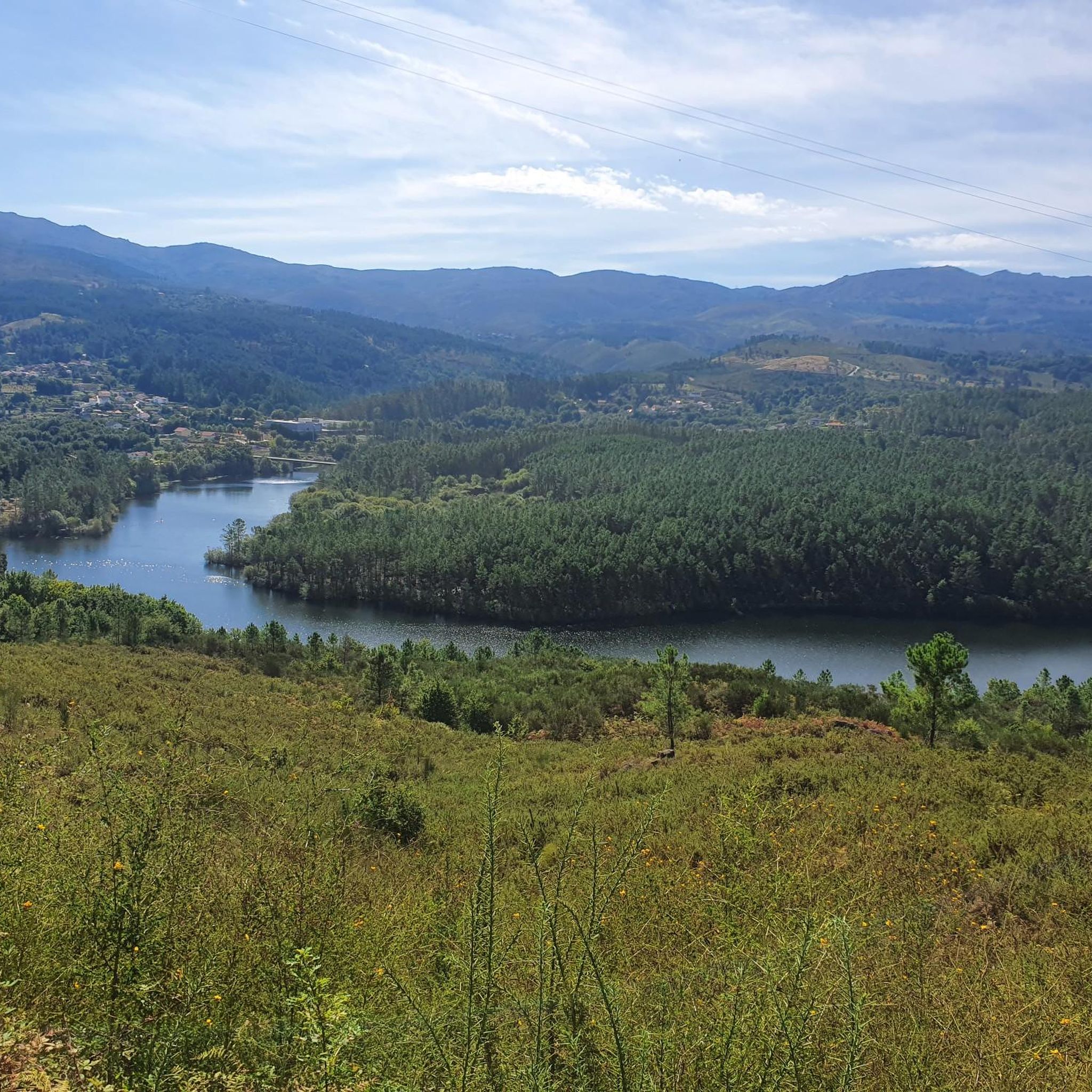
after the fires, this is what remains, burnt land, a desolation
1
0

A very interesting location with all the traditional granaries ("esquigueiros") clustered together on a large rock. The view from here is also very beautiful.
1
1

The Espigueiros of Soajo are one of the most iconic symbols of northern Portugal and the Peneda-Gerês National Park. They are traditional granaries built of stone and wood, designed to store corn and other grains. They are raised on pillars with "mouse stones" (circular slabs) to prevent rodents from entering. They are covered with gabled roofs and topped with crosses, reflecting the religious influence on rural life.
1
0

Historical Context Origin of the name: The town of Ponte de Lima, the oldest in Portugal, derives its name from the bridge that crosses it. Way of St. James: The bridge is an important crossing point on the Portuguese Way of St. James. Legend: The legend of the Lima River, which runs under the bridge, tells that the Romans believed it to be the river of forgetfulness, which would have given rise to the myth that people who crossed it would forget their past lives.
2
0
The bridge that gives the Lima Bridge its name is actually a combination of two structures: a Roman section, built in the 1st century, and a medieval section, expanded in the 14th century. It crosses the Lima River and is one of the town's most emblematic monuments. Characteristics of the bridge Roman section: The remaining Roman section consists of five arches, and its construction is linked to the military road that connected the cities of Braga and Astorga. Medieval section: The medieval portion of the bridge is larger and was built to connect to the Roman section, extending the structure over the river. Material: The bridge is built of granite, using the Roman technique of "quadratum" and "vittatum" masonry.
2
0
Frequently Asked Questions
How many touring cycling routes are available in Vila Chã (Santiago)?
There are over 20 touring cycling routes around Vila Chã (Santiago) documented on komoot, offering diverse experiences from river ecotrails to challenging climbs.
Are there any easy touring cycling routes suitable for beginners in Vila Chã (Santiago)?
While most routes in the area are moderate to difficult, there is at least one easy touring cycling route available. For a moderate option that follows the Lima River, consider the Lima River Ecotrail – Ponte de Lima loop from Ponte da Barca, which is 34.9 km long.
What kind of terrain can I expect on touring cycling routes in Vila Chã (Santiago)?
The terrain varies significantly. You'll find flatter sections along river valleys, particularly on ecotrails, but also routes with notable elevation changes, especially those leading to dam areas or through more mountainous landscapes. The region is characterized by its proximity to the Lima River.
Are there any circular touring cycling routes in Vila Chã (Santiago)?
Yes, many touring cycling routes in Vila Chã (Santiago) are designed as loops. Examples include the Lima River Ecotrail – Ponte de Lima loop from Ponte da Barca and the more challenging Touvedo Dam – Soajo Granaries loop from Vila Chã (Santiago).
What are some scenic viewpoints or natural attractions along the touring cycling routes?
You can discover several natural attractions. Consider visiting the Cascata do Ribeiro de Gemesura waterfall or the tranquil Poço da Gola. The Vez River also offers picturesque views along its banks.
Are there any historical sites or landmarks to explore while cycling?
Absolutely. The region is home to historical sites such as the Soajo Granaries, which are featured on routes like the Touvedo Dam – Soajo Granaries loop from Vila Chã (Santiago). You might also encounter the Mezio Swing for a unique stop.
What do other touring cyclists enjoy most about cycling in Vila Chã (Santiago)?
The area is highly rated by the komoot community, with an average score of 4.9 stars from over 50 reviews. Reviewers often praise the diverse landscapes, from serene river ecotrails to challenging routes with significant climbs, and the opportunity to explore historical sites like granaries.
Are there any routes that pass by dams or reservoirs?
Yes, several routes incorporate dam areas. For example, the Touvedo Dam – Lima Escape Camping loop from Entre Ambos-os-Rios and the Touvedo Dam – Espigueiros of Lindoso loop from Ponte da Barca both feature the Touvedo Dam.
What is the longest touring cycling route available in the area?
One of the longer routes is the Ponte de Lima – Lima River Ecotrail loop from Arcos de Valdevez, which spans 99.3 km and typically takes around 7 hours 48 minutes to complete.
Can I find routes that follow the Lima River?
Yes, the Lima River is a central feature of many touring cycling routes in the region. The Lima River Ecotrail – Ponte de Lima loop from Ponte da Barca is a prime example, offering scenic views along its banks.
Are there any opportunities for swimming along the cycling routes?
While cycling, you might come across natural swimming spots. The Natural swimming pool in Peneda-Gerês National Park is one such highlight in the broader region that could be accessible from some routes.
Most popular attractions around Vila Chã (Santiago)

Get inspired with the komoot mobile app


Explore more
Browse the best Cycling routes in other regions.
