The best road cycling routes around Fojo Lobal
4.1
(21)
855
riders
34
rides
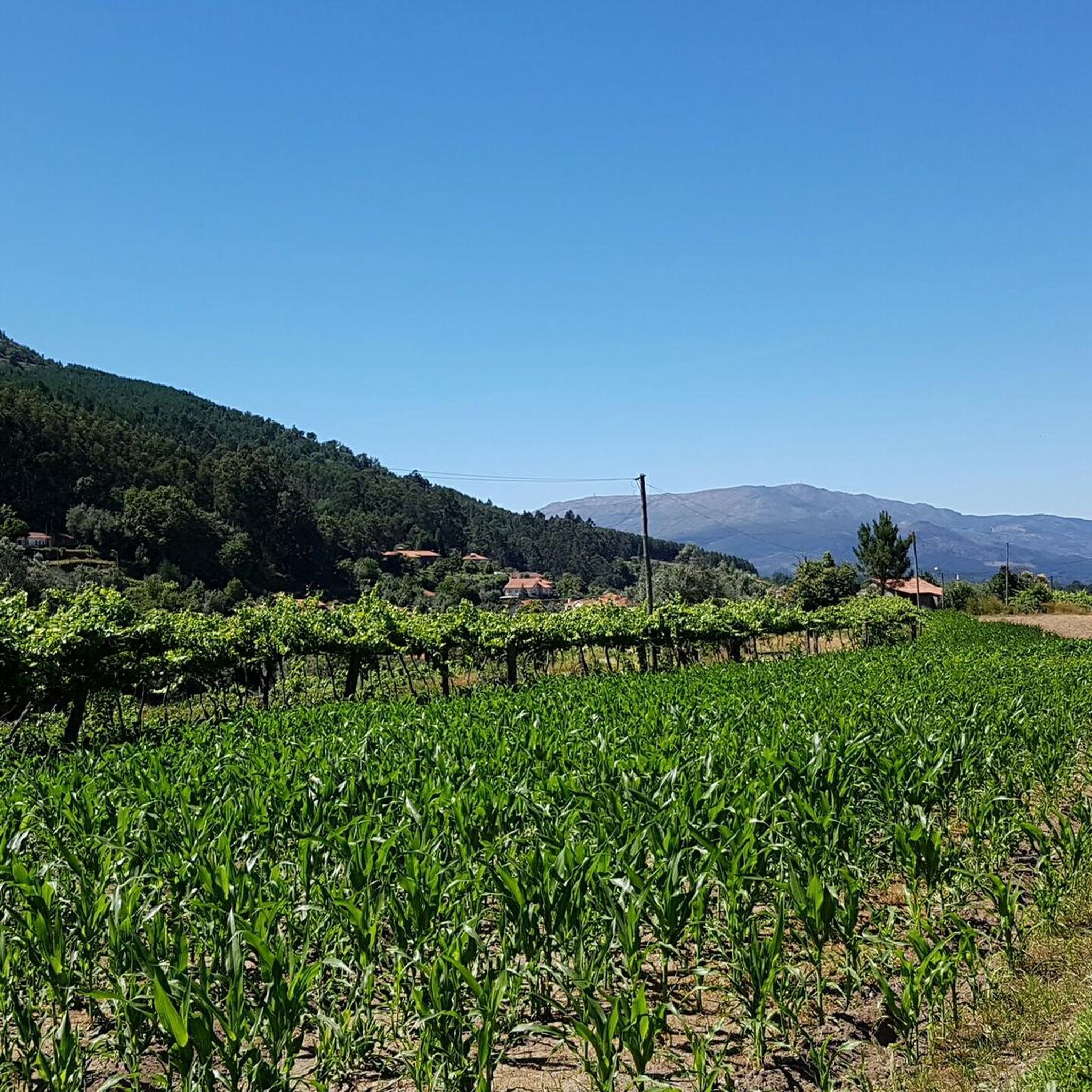
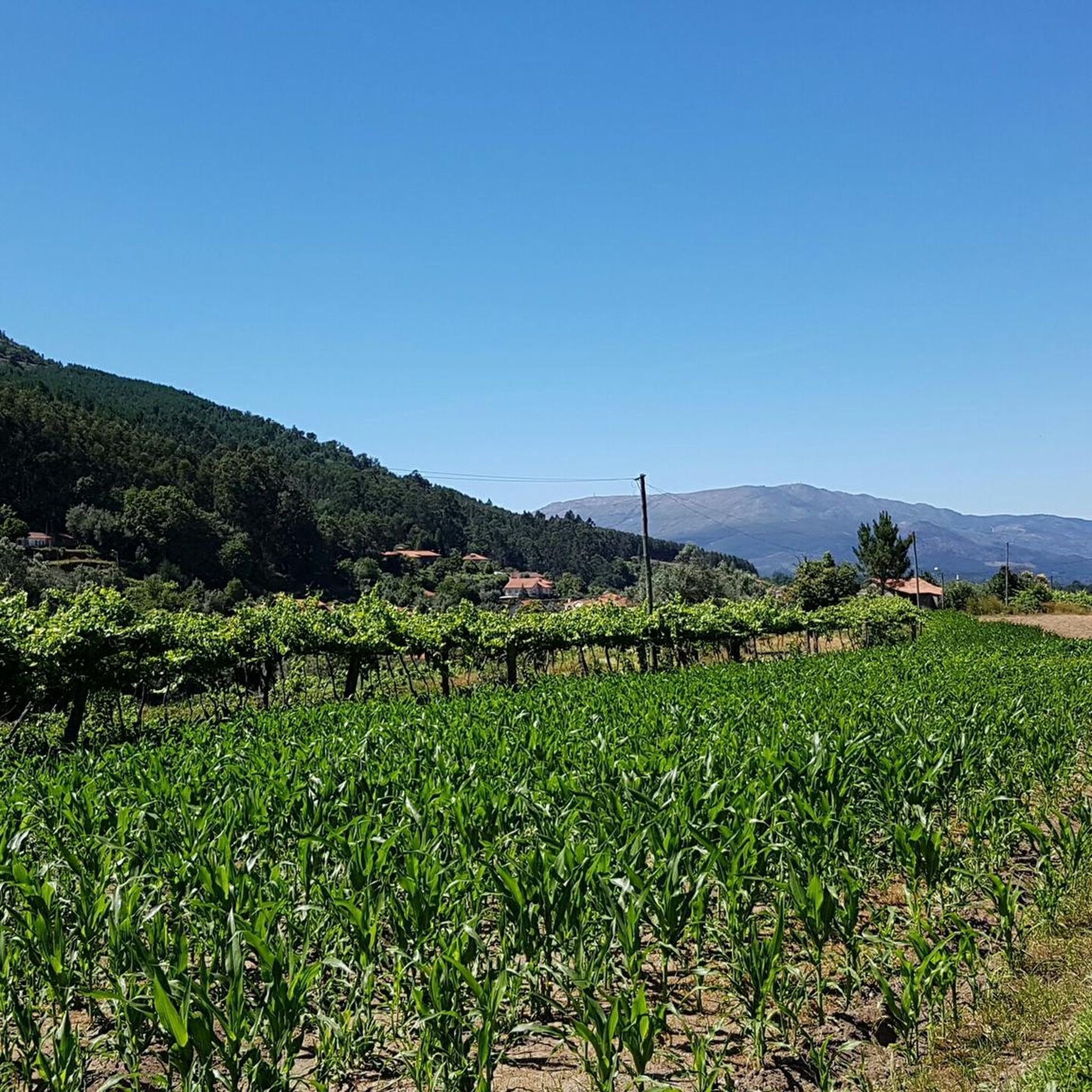
Road cycling around Fojo Lobal, situated within the Ponte de Lima municipality in Northern Portugal's Minho region, offers diverse terrain for cyclists. The area features river valleys, rolling hills, and extensive agricultural lands, including vineyards. Cyclists can navigate routes along the Lima River, which provides mostly flat sections, or explore more challenging climbs in the surrounding hills. The landscape is characterized by a blend of natural beauty and historic charm.
Best road cycling routes around Fojo Lobal
- The most popular…
Last updated: July 4, 2026
4.0
(3)
186
riders
75.0km
03:25
580m
590m
Moderate road ride. Good fitness required. Mostly well-paved surfaces and easy to ride.
4.2
(5)
139
riders
52.0km
02:13
330m
330m
Moderate road ride. Good fitness required. Mostly well-paved surfaces and easy to ride.

Sign up for free
44
riders
63.8km
02:53
540m
540m
Moderate road ride. Good fitness required. Mostly well-paved surfaces and easy to ride.
4.0
(3)
30
riders
43.9km
02:15
530m
530m
Moderate road ride. Good fitness required. Mostly well-paved surfaces and easy to ride.
24
riders
85.5km
03:54
730m
730m
Moderate road ride. Good fitness required. Mostly well-paved surfaces and easy to ride.
Get access to more routes and recommendations from other explorers.
Sign up for free
Already have an account?
Our route recommendations are based on thousands of hikes, rides, and runs completed by other people on komoot.
Start today with a free account
Your next adventure awaits.
Login or Signup


Tips from the Community

unfortunately confusing photos of different towers again and usual photo chaos (also and especially from so-called experts!)
1
0


Location Address: N13, Viana do Castelo, Portugal. Views: Offers great photo opportunities, both from Darque and Viana do Castelo.
2
0
Access and Current Use Mixed Use: The bridge remains fully operational, serving both road and rail transport. Hours: As an essential public thoroughfare for the city, the bridge is open 24 hours a day for traffic. Works: Attention: In November and December 2025, the bridge has been undergoing maintenance work, resulting in the closure of vehicular traffic during the night (generally from 11:00 PM to 6:00 AM). It is recommended to check the exact times during your visit.
2
0
Main Features Design and Engineering: Inaugurated on June 30, 1878, it was the first road-rail bridge (with two superimposed decks) built in Portugal. Structure: It is 645 meters long, with the upper deck for car and pedestrian traffic, and the lower deck for the railway line (Minho Line). Heritage: The bridge is a beautiful example of 19th-century iron architecture and is considered a landmark of the city, being a candidate for classification as a National Monument.
2
0
The Eiffel Bridge of Viana do Castelo, also known as the Metal Bridge over the Lima River, is an iconic landmark of the city, designed in the office of the renowned engineer Gustave Eiffel. The bridge, made of iron, connects the banks of the Lima River between Viana do Castelo and the village of Darque.
2
0
Historical Context Origin of the name: The town of Ponte de Lima, the oldest in Portugal, derives its name from the bridge that crosses it. Way of St. James: The bridge is an important crossing point on the Portuguese Way of St. James. Legend: The legend of the Lima River, which runs under the bridge, tells that the Romans believed it to be the river of forgetfulness, which would have given rise to the myth that people who crossed it would forget their past lives.
2
0
The bridge that gives the Lima Bridge its name is actually a combination of two structures: a Roman section, built in the 1st century, and a medieval section, expanded in the 14th century. It crosses the Lima River and is one of the town's most emblematic monuments. Characteristics of the bridge Roman section: The remaining Roman section consists of five arches, and its construction is linked to the military road that connected the cities of Braga and Astorga. Medieval section: The medieval portion of the bridge is larger and was built to connect to the Roman section, extending the structure over the river. Material: The bridge is built of granite, using the Roman technique of "quadratum" and "vittatum" masonry.
2
0
Frequently Asked Questions
What kind of terrain can I expect on road cycling routes around Fojo Lobal?
The Fojo Lobal area, nestled in Northern Portugal's Minho region, offers a diverse road cycling experience. You'll find routes along the serene Lima River with mostly flat terrain, ideal for relaxed rides. For more challenging experiences, the region also features rolling hills and significant elevation changes, particularly as you venture towards areas like the Serra d'Arga hills.
Are there routes suitable for families or less experienced cyclists?
Yes, the region caters to various skill levels. The Museum Ship Gil Eannes – Eiffel Bridge loop from Ponte de Lima is a moderate route that offers scenic views along the Lima River. The Lima River Ecovia, while not a specific route in our guide, is generally known for its mostly flat terrain and is ideal for relaxed rides and families, connecting various municipalities.
What are some notable landmarks or scenic viewpoints I can see while cycling?
Road cycling routes around Fojo Lobal offer a blend of natural beauty and historic charm. You can encounter iconic structures like the Roman Bridge of Ponte de Lima and the Eiffel Bridge. High points in the surrounding hills, such as those found on routes like the Ponte de Lima – Roman Bridge of Ponte de Lima loop, provide panoramic views of the landscape, including the Lima River valley and extensive vineyards.
How many road cycling routes are available in the Fojo Lobal area?
There are over 35 road cycling routes available around Fojo Lobal, ranging from moderate to difficult. This variety ensures options for different ability levels, from river-side paths to more challenging climbs.
What do other cyclists think about the road cycling in Fojo Lobal?
The road cycling routes around Fojo Lobal are highly rated by the komoot community, with an average score of 4.3 stars from over 18 reviews. Cyclists often praise the diverse terrain, the scenic views along the Lima River, and the blend of natural beauty with historic landmarks.
What is the best time of year to go road cycling in Fojo Lobal?
The Minho region, where Fojo Lobal is located, generally offers pleasant conditions for cycling for much of the year. Spring and autumn typically provide mild temperatures and lush landscapes, making them ideal. Summer can be warm, especially in river valleys, while winter might bring more rainfall, though cycling is still possible on many days.
Are there any challenging road cycling routes for experienced riders?
Absolutely. While many routes are moderate, the region also offers more strenuous options, particularly in the Serra d'Arga hills. For example, the Ponte de Lima – Roman Bridge of Ponte de Lima loop from Ponte de Lima is classified as difficult, featuring significant elevation gain and offering a more intense workout.
Can I find amenities like cafes or accommodation suitable for cyclists in the area?
The Ponte de Lima area, encompassing Fojo Lobal, is well-equipped to welcome cyclists. You'll find charming medieval villages and towns, including Ponte de Lima itself, which offer various cafes, restaurants, and accommodation options. Many establishments are accustomed to catering to outdoor enthusiasts.
What kind of natural features will I encounter on the routes?
The region is characterized by its natural beauty, including the serene Lima River, extensive vineyards, and agricultural lands. You'll cycle through verdant fields, past ancient trees, and potentially near areas like the Lagoas de Bertiandos e São Pedro d'Arcos nature reserve, which features woodlands and lakes.
Are there any circular road cycling routes available?
Yes, many of the routes around Fojo Lobal are designed as loops, allowing you to start and end in the same location. Examples include the Eiffel Bridge (Ponte Eiffel) – Eiffel Bridge loop from Ponte de Lima and the Roman Bridge of Ponte de Lima – Ponte de Lima loop from Ponte de Lima, providing convenient circular journeys.
What is the longest road cycling route in this guide?
The longest route featured in this guide is the View of the Neiva River – View of Esposende loop from Ponte de Lima, covering approximately 85.5 kilometers (53.1 miles). This moderate route offers extensive cycling through varied landscapes.
Is public transport available to reach the cycling routes around Fojo Lobal?
While Fojo Lobal itself is a smaller village, its proximity to Ponte de Lima means you can often utilize public transport options to reach the general area. Ponte de Lima is a regional hub with connections that can facilitate access for cyclists, though specific transport for bikes might vary. It's advisable to check local bus or train schedules for routes connecting to Ponte de Lima.
Most popular routes around Fojo Lobal
Most popular attractions around Fojo Lobal

Get inspired with the komoot mobile app


Explore more
Browse the best Road cycling routes in other regions.
