Top 20 Castles around Engelsbrand
Castles around Engelsbrand are located in the northern Black Forest region of Baden-Württemberg, Germany. The area is characterized by its forested hills and river valleys, providing strategic locations for historic fortifications. While Engelsbrand itself does not host prominent castles, the surrounding region offers several notable historic buildings and castle ruins. These sites provide insight into the area's medieval past and offer viewpoints over the landscape.
Best castles around Engelsbrand
- The most popular castles is Neuenbürg Castle and ruins, a…
Last updated: June 22, 2026
Liebenzell Castle
Highlight • Castle
Translated by Google •
Tip by

Neuenbürg Castle and ruins
Highlight • Castle
Translated by Google •
Tip by

Sign up now to discover places like this
Get recommendations on the best single tracks, peaks, & plenty of other exciting outdoor places.
Sign up for free
Liebeneck Castle Ruins
Highlight • Castle
Translated by Google •
Tip by

Steinegg Castle
Highlight • Castle
Translated by Google •
Tip by

Erkinger Legend and Siege of Liebenzell Castle
Highlight • Historical Site
Translated by Google •
Tip by

Sign up for free to discover even more castles around Engelsbrand.
Sign up for free
Already have an account?
Start today with a free account
Your next adventure awaits.
Login or Signup

Tips from the Community

The Siege by the Margrave The Margrave thought for a moment and then consulted with Count Palatine Rupert. They joined forces and marched to Liebenzell Castle. Thus began the siege from the tower. The giant roared from the tower and laughed at the soldiers. He threatened to beat all the besiegers if they didn't leave quickly. So, one night, the Margraves decided to wall up the tower door to trap the giant inside. 😉😊
4
0
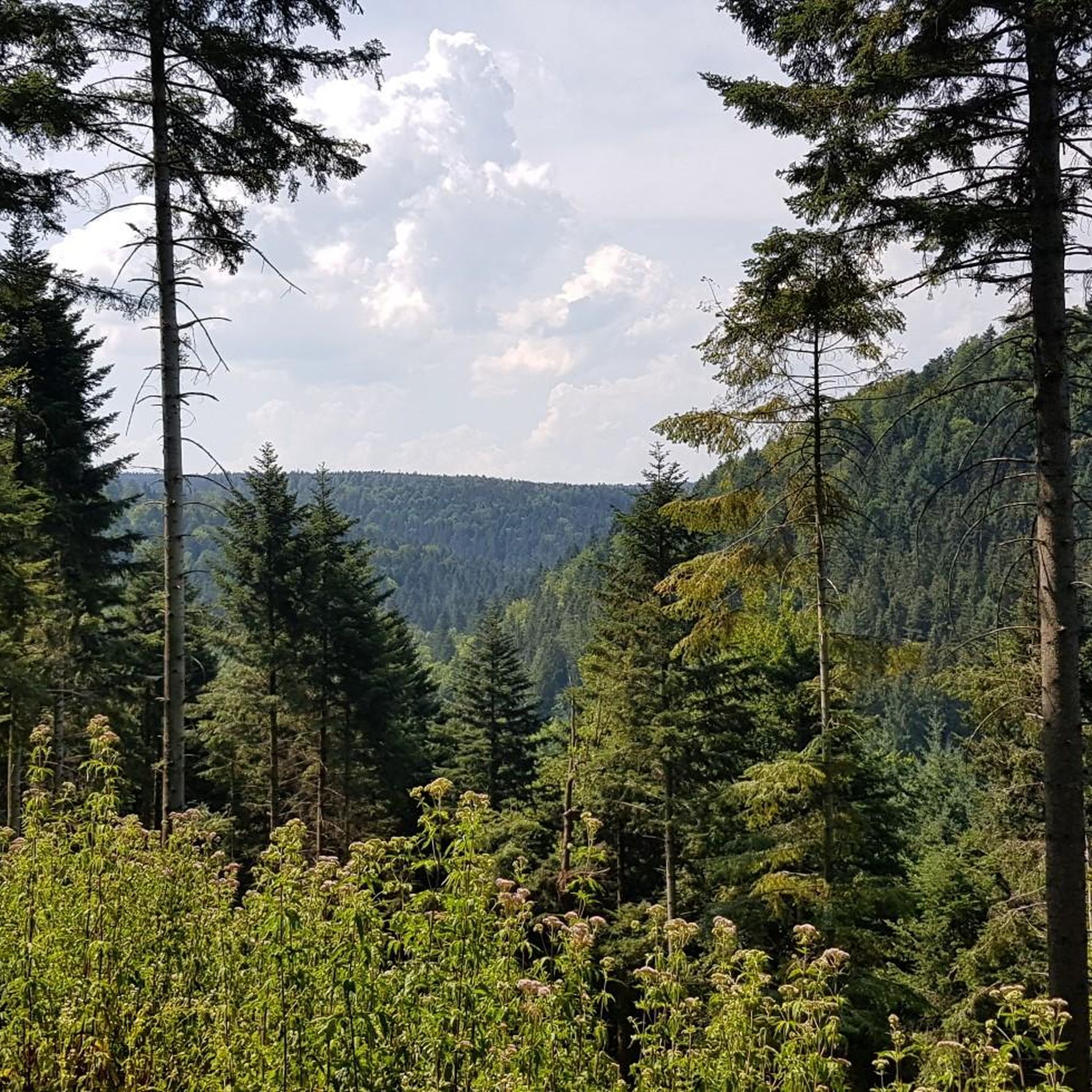
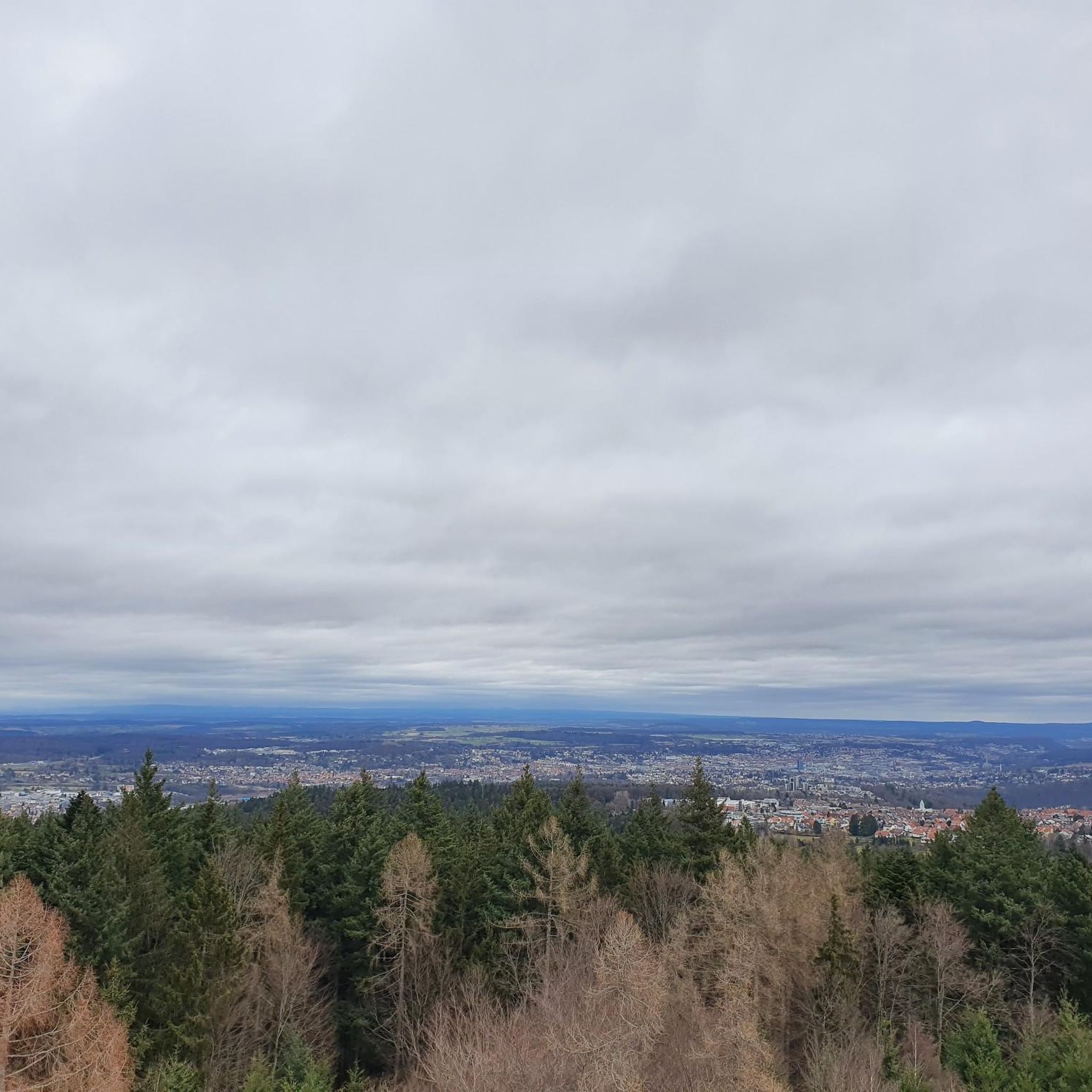
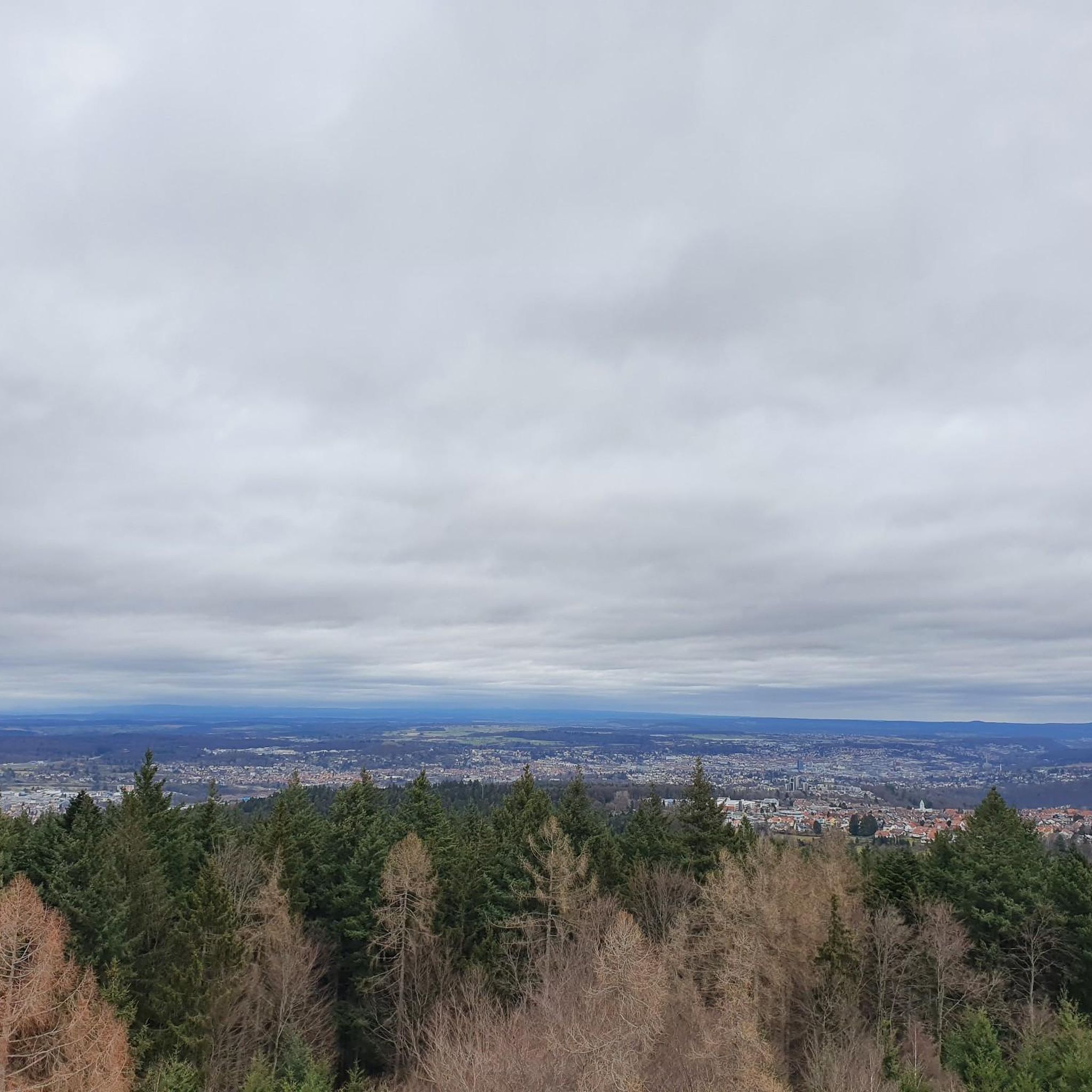
In the 12th century, the castle of the same name was built on a spur above present-day Bad Liebenzell. The castle consisted of several buildings and a thick curtain wall with an integrated keep. The dry moat now serves as a parking lot. The keep and curtain wall have been preserved and can be visited during opening hours. Today, the castle serves as a conference center and restaurant. From the keep, there is a far-reaching view over the surrounding valleys, which were monitored from the castle.
4
0

Finds show that the Celts settled on the castle hill over 2000 years ago. Evidence of the "more recent" history of Neuenbürg Castle only dates back to around the year 1000. Various families of counts, including the Counts Palatine of Tübingen, the Counts of Calw-Vaihingen, the Counts of Eberstein, the Margraves of Baden and the Counts of Württemberg, determined the fate and history of the picturesque old Neuenbürg Castle. The castle (today's rear castle ruins) was probably founded by the Counts of Vaihingen in the 11th century. The Counts of Württemberg acquired the castle around 1320 and built an official residence for the town, which already belonged to them, and the surrounding villages. This was followed in 1572 by a conversion of the rear castle into a fruit store (here a granary and wine store). During the Thirty Years' War in 1634, the castle was plundered, and in 1638 the north wing burned down due to the carelessness of a Bavarian ensign. Neuenbürg Castle consists of the old "rear castle", of which only the remains of the castle with walls up to 3 meters thick remain as ruins, and the current new castle built by Duke Christoph of Württemberg around 1650, which was built using older parts of the building. At the end of the 17th century, the dilapidated rear castle was sold and the bricks were used to rebuild the town of Neuenbürg, which had been destroyed in a major fire in 1783. Despite several attempts, Neuenbürg never became a ducal residence, and the honored princes Duke Magnus (1594-1622) and Duke Ulrich (1617-1671) were not lured to the Black Forest province. Neuenbürg Castle was always only the seat of authorities and offices and was inhabited by ducal officials. Until 2004, the State Forestry Office was housed in Neuenbürg Castle. From 1940 onwards, the castle rooms housed apartments and a painter's studio. Since 2001, Neuenbürg Castle has housed a branch museum of the Baden State Museum.
5
0

The castle ruins behind the castle garden are normally locked, but can be rented through the castle administration. https://www.schloss-neuenbuerg.de/
4
0

With a beautiful view, it is a good place to rest
8
1
Always stop and enjoy the view
9
0

Well-restored castle that now functions as a youth leisure center for the Pforzheim Protestant Church. In addition to the self-catering kitchen, the leisure center offers 55 beds. Of these, 40 are in multi-bed rooms, ranging from double rooms to eight-bed rooms, as well as 15 beds in the dormitory.
11
0
The Liebeneck castle ruins are the ruins of a high medieval spur castle, hilltop castle from the 11th to 12th centuries in the Hagenschiess forest area, southeast of the Würm district of Pforzheim. Currently closed due to restoration (as of October 17, 2023)
13
0
Frequently Asked Questions
What are some highly-rated castles to visit near Engelsbrand?
Visitors frequently enjoy Neuenbürg Castle and ruins, which features a museum and a managed outdoor area. Other popular choices include Steinegg Castle, known for its round tower and chapel, and the picturesque Liebeneck Castle Ruins, offering a peaceful spot with picnic benches. Liebenzell Castle is also highly regarded for its historical significance and views.
Are there family-friendly castles around Engelsbrand?
Yes, several castles offer family-friendly experiences. Neuenbürg Castle and ruins has a museum and an outdoor area that families can explore. Liebeneck Castle Ruins provides a nice spot for a break with picnic benches. Additionally, the area around Liebenzell Castle features information boards about the Erkinger Legend and the Siege of Liebenzell Castle, which can be engaging for children.
What kind of history can I explore at these castles?
The castles around Engelsbrand offer a deep dive into regional history. Neuenbürg Castle and ruins stands on a site inhabited by Celts over 2000 years ago, with its 'younger' history dating back to around 1000 AD, shaped by various noble families. Liebenzell Castle, built in the 12th century, showcases medieval architecture with its preserved keep and shield wall, and is associated with local legends and sieges. Steinegg Castle, built around 1460, provides insights into later medieval architecture.
Can I find viewpoints at the castles near Engelsbrand?
Many of the castles offer excellent viewpoints. From the keep of Liebenzell Castle, you can enjoy expansive views of the adjacent valleys. Neuenbürg Castle and ruins is strategically located on a spur in a loop of the Enz Valley, providing scenic vistas. Even the Liebeneck Castle Ruins offer a pleasant spot to pause and take in the surroundings.
Are there outdoor activities or hiking trails near these castles?
Yes, the region around Engelsbrand is excellent for outdoor activities. You can find numerous hiking trails, such as those mentioned in the Hiking around Engelsbrand guide, including routes like the 'Fishing stone saw-head path' or the 'Pfatschbach Hut – Wildlife Enclosure Büchenbronn loop'. For easier walks, consult the Easy hikes around Engelsbrand guide. Gravel biking options are also available, as detailed in the Gravel biking around Engelsbrand guide.
Are any of the castles dog-friendly?
Yes, Steinegg Castle is noted as dog-friendly, making it a good option if you're visiting with your canine companion. For other castle ruins or outdoor areas, dogs are generally welcome on a leash, but it's always best to check specific site regulations before your visit.
Can I find food or accommodation near the castles?
Liebenzell Castle historically offered gastronomy and functions as a conference center, though restaurant availability can vary. Neuenbürg Castle and ruins features a Portuguese restaurant and a cafe. For accommodation, Steinegg Castle operates as a youth recreational home and can be booked by groups for overnight stays, offering a unique historical experience.
What is the best time to visit the castles around Engelsbrand?
The castles are generally enjoyable throughout the year. Spring and autumn offer pleasant temperatures for exploring the outdoor areas and ruins, with beautiful foliage in autumn. Summer allows for longer daylight hours and warmer weather. While some castle towers, like at Liebenzell Castle, may close in winter due to slipping risks, the historical sites themselves can still be visited, often offering a quieter, atmospheric experience.
Are there any hidden gem castles or lesser-known historical sites?
While the main castles are well-known, the region is rich in historical sites. The Liebeneck Castle Ruins, with its climbing plants and peaceful atmosphere, can feel like a hidden gem for those seeking a quiet exploration. The historical context of the Schlossberg at Neuenbürg Castle, with its Celtic past, also offers a deeper, less obvious layer of history beyond the visible castle structures.
What are the terrain characteristics for exploring castles in this region?
The castles around Engelsbrand are typically situated in the northern Black Forest region, characterized by forested hills and river valleys. This means that approaches to castles like Liebenzell Castle, which stands on a promontory, can involve strenuous ascents with numerous steep stairs. Similarly, Neuenbürg Castle is high up on a spur. Expect varied terrain, often involving inclines and natural paths, especially when exploring ruins or viewpoints.
Is public transport available to reach these castles?
While Engelsbrand itself is a smaller community, the castles are located in nearby towns. For example, Liebenzell Castle is near Bad Liebenzell, which is accessible by public transport. Neuenbürg Castle is located above the town of Neuenbürg. It is advisable to check local bus and train schedules for connections to these towns, as direct access to the castle gates by public transport may not always be available, often requiring a walk from the nearest stop.
Are there circular walks that include these castles?
While specific circular walks directly encompassing multiple castles are not detailed, many of the castles are integrated into local hiking networks. For instance, the area around Liebenzell Castle is part of the 'Erkinger Runde', which offers information boards and views. You can find various circular hiking routes around Engelsbrand that could be combined with a castle visit, such as those listed in the Hiking around Engelsbrand guide.
Most popular routes around Engelsbrand
Most popular attractions around Engelsbrand

Get inspired with the komoot mobile app


Explore more
Looking for the best castles somewhere else? Discover other guides around Engelsbrand:
