The best cycling routes around Sandiães
4.6
(10)
73
riders
5
rides
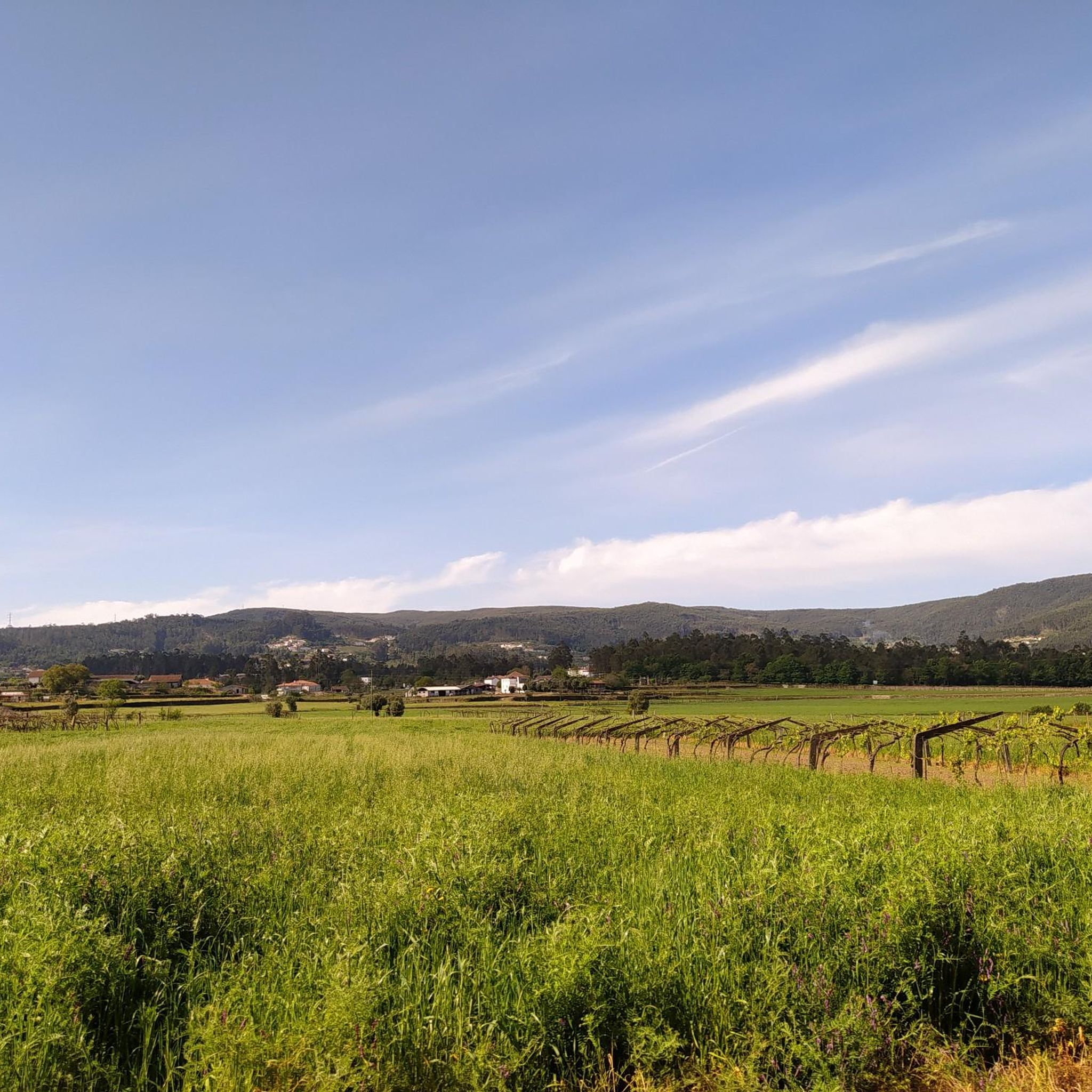
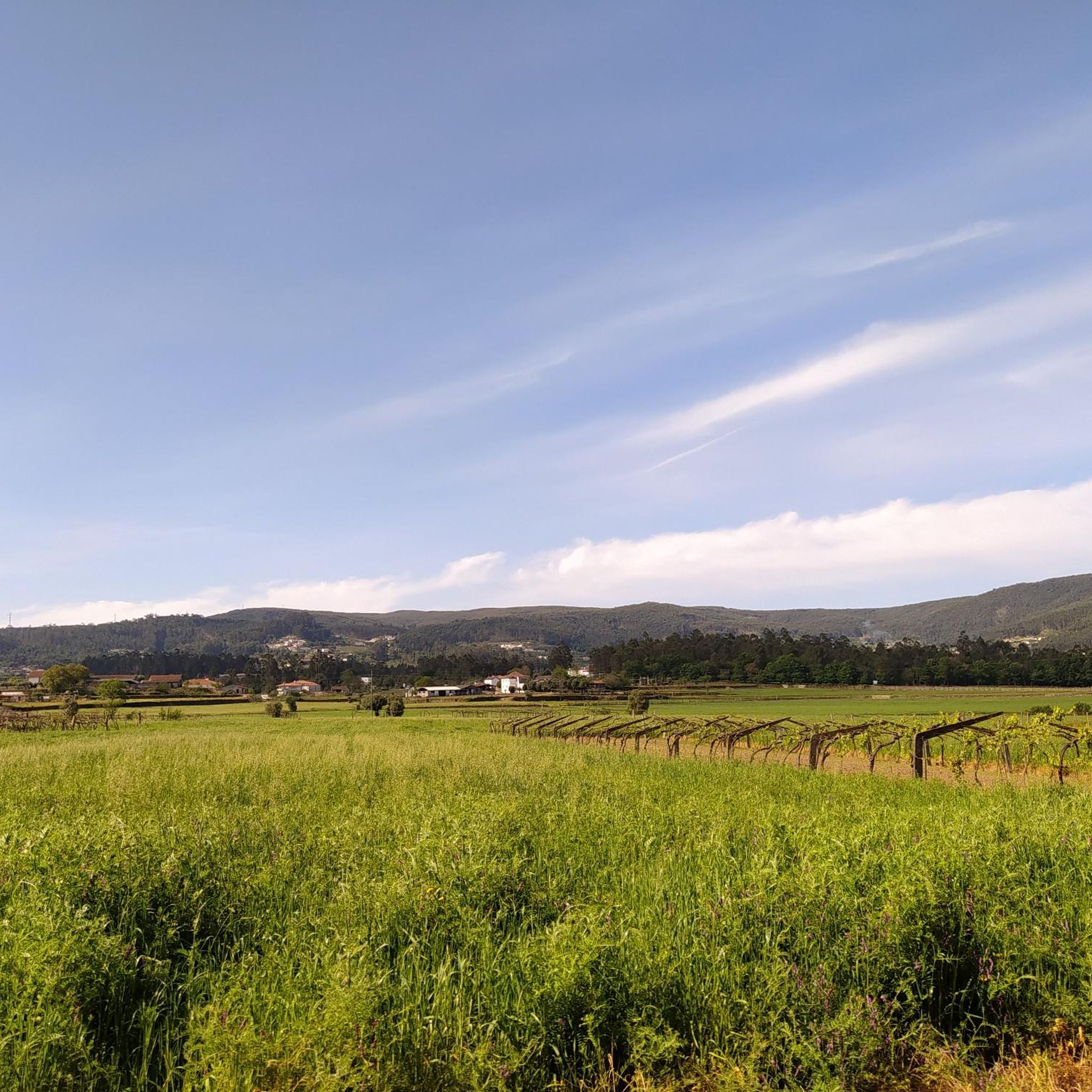
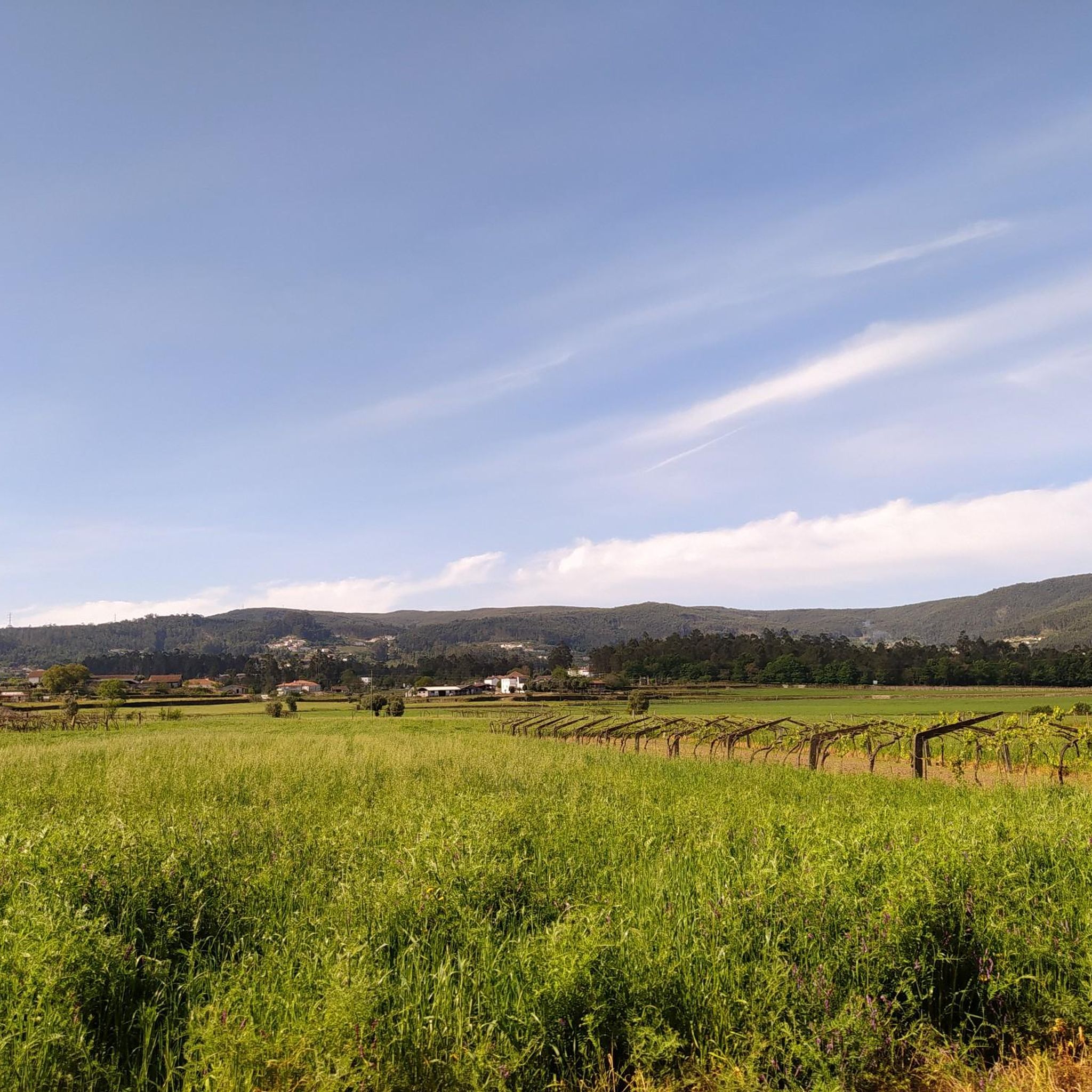
Touring cycling routes around Sandiães traverse a landscape characterized by river areas and rural paths. The terrain includes moderate to significant elevation gains, with routes often connecting local landmarks and natural park areas. These routes offer a mix of open countryside and some shaded sections, suitable for various cycling preferences.
Best touring cycling routes around Sandiães
- The most popular touring cycling route is Parque Perez – Chapel of Saint Sebastian loop from Vila Boa, a 25.5 miles (41.1 km)…
Last updated: May 23, 2026
22
riders
42.8km
03:35
550m
550m
Hard bike ride. Very good fitness required. Mostly paved surfaces. Suitable for all skill levels.
4.1
(7)
19
riders
54.5km
03:32
650m
650m
Hard bike ride. Very good fitness required. Mostly paved surfaces. Suitable for all skill levels.

Sign up for free
17
riders
41.8km
03:01
410m
410m
Moderate bike ride. Good fitness required. Mostly paved surfaces. Suitable for all skill levels.
5.0
(3)
9
riders
33.9km
02:08
380m
380m
Moderate bike ride. Good fitness required. Mostly paved surfaces. Suitable for all skill levels.
7
riders
69.7km
04:41
980m
990m
Hard bike ride. Very good fitness required. Mostly paved surfaces. Suitable for all skill levels.
Our route recommendations are based on thousands of hikes, rides, and runs completed by other people on komoot.
Start today with a free account
Your next adventure awaits.
Login or Signup
Tips from the Community


The church is open for visitation and prayer most days, with specific times for Masses. Opening Hours: Monday to Sunday: 10:00–12:00 and 15:00–19:30. Mass Times (subject to change, please check the official website): Tuesday: 7:00 PM. Thursday: 7:00 PM. Saturday: 5:30 PM. Sunday: 11:00 AM.
1
0
The church was built in the 14th century in a transitional style between Romanesque and Gothic, on the foundations of an earlier 11th-century church. Main Features: Style: Transitional Gothic and Romanesque, with Renaissance and Baroque additions throughout the centuries. Interior: It has three naves, notably featuring 14 blue and white tile panels that cover much of the walls, dating from the 17th and 18th centuries. Notable Elements: The chancel vault is a Manueline work (early 16th century), and the main façade features a Neo-Gothic rose window, the result of a 20th-century restoration. Heritage: The church houses notable altarpieces and funerary monuments of important families, such as the Pinheiro family. The Parish Church of Santa Maria de Barcelos is a point of historical and architectural interest for tourists and pilgrims traveling the Camino de Santiago.
1
0
The Parish Church of Santa Maria de Barcelos, also known as the Collegiate Church, is the main religious temple in the city of Barcelos and a National Monument of Portugal.
1
0
Historic Center: Stroll along Rua Direita to find local crafts and the historic Torre do Cimo da Vila, which houses exhibitions on the evolution of the icon. Churches and Monuments: Visit the Igreja Matriz and the Igreja do Bom Jesus da Cruz, famous for its interior with tiles and gilded carvings. Events: During the summer months (June to September), live reenactments of the legend frequently take place next to the Cruzeiro do Galo. Gastronomy: Try the Barcelos cheese tarts at the A Colonial pastry shop.
1
0
Main Points Related to the Rooster Cruzeiro do Senhor do Galo: 14th-century monument located in the Archaeological Museum of Barcelos (ruins of the Palace of the Counts), where the legend is carved in stone. Giant Rooster: Emblematic statue located in front of the Pottery Museum, ideal for photographs. Urban Art: Dozens of colorful, large-scale rooster statues are scattered throughout the streets and gardens of the historic center.
1
0
The Rooster of Barcelos is the symbol of Portugal, originating from a medieval legend about a pilgrim saved from the gallows by the miraculous crowing of a roasted rooster. In 2025, the city of Barcelos offers several places to explore this heritage.
1
0
Historical Context Origin of the name: The town of Ponte de Lima, the oldest in Portugal, derives its name from the bridge that crosses it. Way of St. James: The bridge is an important crossing point on the Portuguese Way of St. James. Legend: The legend of the Lima River, which runs under the bridge, tells that the Romans believed it to be the river of forgetfulness, which would have given rise to the myth that people who crossed it would forget their past lives.
2
0
Frequently Asked Questions
How many touring cycling routes are available around Sandiães?
There are over 5 touring cycling routes around Sandiães, offering a variety of experiences for different skill levels.
What is the overall difficulty level of touring cycling routes in Sandiães?
The touring cycling routes in Sandiães range from moderate to difficult. There are 3 moderate routes and 2 difficult routes, catering to cyclists looking for a challenge.
Are there challenging touring cycling routes in Sandiães?
Yes, Sandiães offers challenging touring cycling routes with significant elevation changes. For example, the Felinhos River Beach – Bico Bridge loop from Vila de Prado covers 34.5 miles (55.6 km) with over 640 meters of ascent, and the Parque Perez – Chapel of Saint Sebastian loop from Merelim (São Paio) is another difficult option with over 530 meters of climbing.
What kind of terrain can I expect on touring cycling routes in Sandiães?
The terrain around Sandiães is characterized by river areas and rural paths. You'll encounter a mix of open countryside and some shaded sections, with routes often connecting local landmarks and natural park areas. Expect moderate to significant elevation gains throughout the region.
Are there any circular touring cycling routes around Sandiães?
Yes, many of the touring cycling routes in Sandiães are designed as loops. Examples include the Parque Perez – Chapel of Saint Sebastian loop from Vila Boa and the Grava Bike Café – Barcelos Rooster loop from Vila de Prado, allowing you to start and end at the same point.
What interesting places can I see along touring cycling routes in Sandiães?
While cycling around Sandiães, you can discover various points of interest. Notable attractions include the historic Ponte das Tábuas de Balugães, the serene Santa Cruz Chapel, and the unique Pilgrim Altar. Many routes also pass through natural park areas and along river beaches.
What are the typical distances and elevations for touring cycling routes in Sandiães?
Touring cycling routes in Sandiães typically range from approximately 21 to 34 miles (34 to 55 km) in length. Elevation gains can vary significantly, from around 370 meters on routes like the Felinhos River Beach – Bico Bridge loop from Lage to over 640 meters on more challenging paths.
What do other cyclists say about touring in Sandiães?
The touring cycling routes in Sandiães are highly rated by the komoot community, with an average score of 4.7 out of 5 stars from over 11 reviews. More than 100 touring cyclists have explored the varied terrain, often praising the mix of river paths, rural roads, and scenic landscapes.
Are there touring cycling routes that feature river areas or scenic views?
Yes, Sandiães is known for its river areas. Routes like the Felinhos River Beach – Bico Bridge loop from Vila de Prado specifically highlight river beaches and offer picturesque views along the water. The region's rural paths and natural park areas also provide ample scenic opportunities.
Are there touring cycling routes with cafes or places to stop for refreshments?
While specific cafes are not detailed for every route, the Grava Bike Café – Barcelos Rooster loop from Vila de Prado explicitly mentions a bike café, indicating that some routes incorporate or pass near establishments where you can stop for refreshments. Many routes also connect to local villages where amenities might be available.
When is the best time of year to go touring cycling in Sandiães?
The region of Sandiães, like much of northern Portugal, generally offers pleasant cycling conditions from spring (April-May) through early autumn (September-October). During these months, temperatures are usually mild, and rainfall is less frequent, making for comfortable rides. Summer can be hot, especially in July and August, so early mornings or late afternoons are preferable then.
Is public transport accessible for reaching touring cycling routes in Sandiães?
Sandiães is a rural area, and while local bus services connect some towns and villages, direct public transport access to specific trailheads might be limited. It's advisable to check local bus schedules and routes in advance if you plan to rely on public transport to reach your starting point.
Where can I park when cycling in Sandiães?
Parking availability will vary depending on your chosen starting point. Many routes begin from towns or villages like Vila Boa, Merelim (São Paio), or Vila de Prado, where public parking areas are typically available. Look for designated parking near local amenities or public spaces when planning your tour.
Most popular routes around Sandiães
Most popular attractions around Sandiães

Get inspired with the komoot mobile app


Explore more
Browse the best Cycling routes in other regions.
