The best road cycling routes around Viana Do Castelo (Santa Maria Maior)
4.3
(71)
3,282
riders
33
rides
Road cycling around Viana Do Castelo (Santa Maria Maior) offers a diverse landscape for cyclists. The region is characterized by its Atlantic coastline, the Lima River valley, and the mountainous terrain of the Serra d'Arga. Well-paved routes traverse flat coastal sections, follow tranquil river paths, and ascend challenging climbs through forests and small villages. This variety provides options for different fitness levels and cycling preferences.
Best road cycling routes around Viana Do Castelo (Santa Maria Maior)
- The most popular road…
Last updated: November 7, 2026
3.5
(2)
24
riders
80.9km
04:31
1,430m
1,430m
4.4
(7)
158
riders
60.8km
02:42
430m
430m
Moderate road ride. Good fitness required. Some segments of this route may be unpaved and difficult to ride.

4.2
(6)
137
riders
87.3km
04:33
600m
600m
Moderate road ride. Good fitness required. Some segments of this route may be unpaved and difficult to ride.
87
riders
97.0km
04:55
1,430m
1,430m
Hard road ride. Very good fitness required. Mostly well-paved surfaces and easy to ride.
4.3
(4)
98
riders
55.1km
02:22
340m
340m
Moderate road ride. Good fitness required. Some segments of this route may be unpaved and difficult to ride.
Get access to more routes and recommendations from other explorers.
Already have an account?
Our route recommendations are based on thousands of hikes, rides, and runs completed by other people on komoot.
Start today with a free account
Your next adventure awaits.
Popular around Viana Do Castelo (Santa Maria Maior)
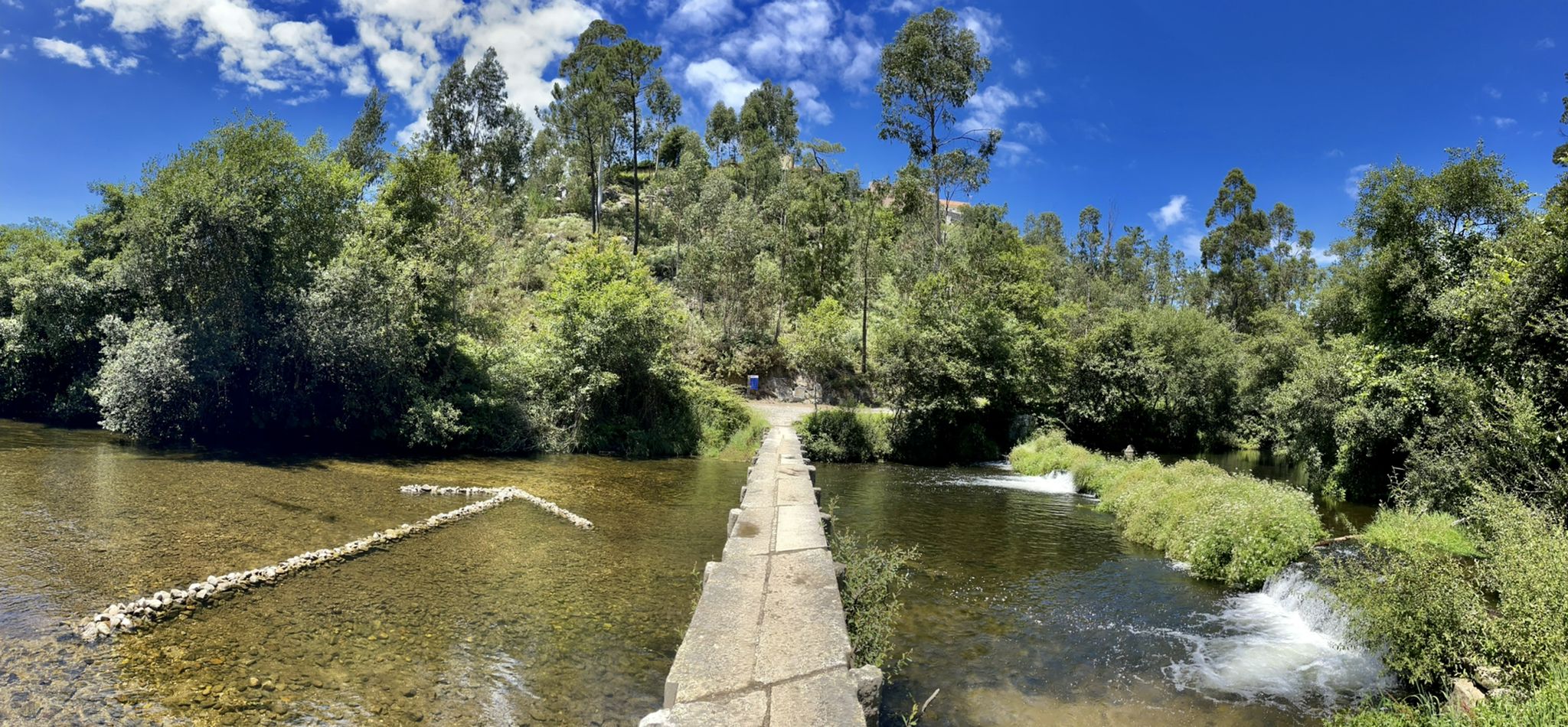
The challenge that knows no frontiers — Portuguese Coast Path
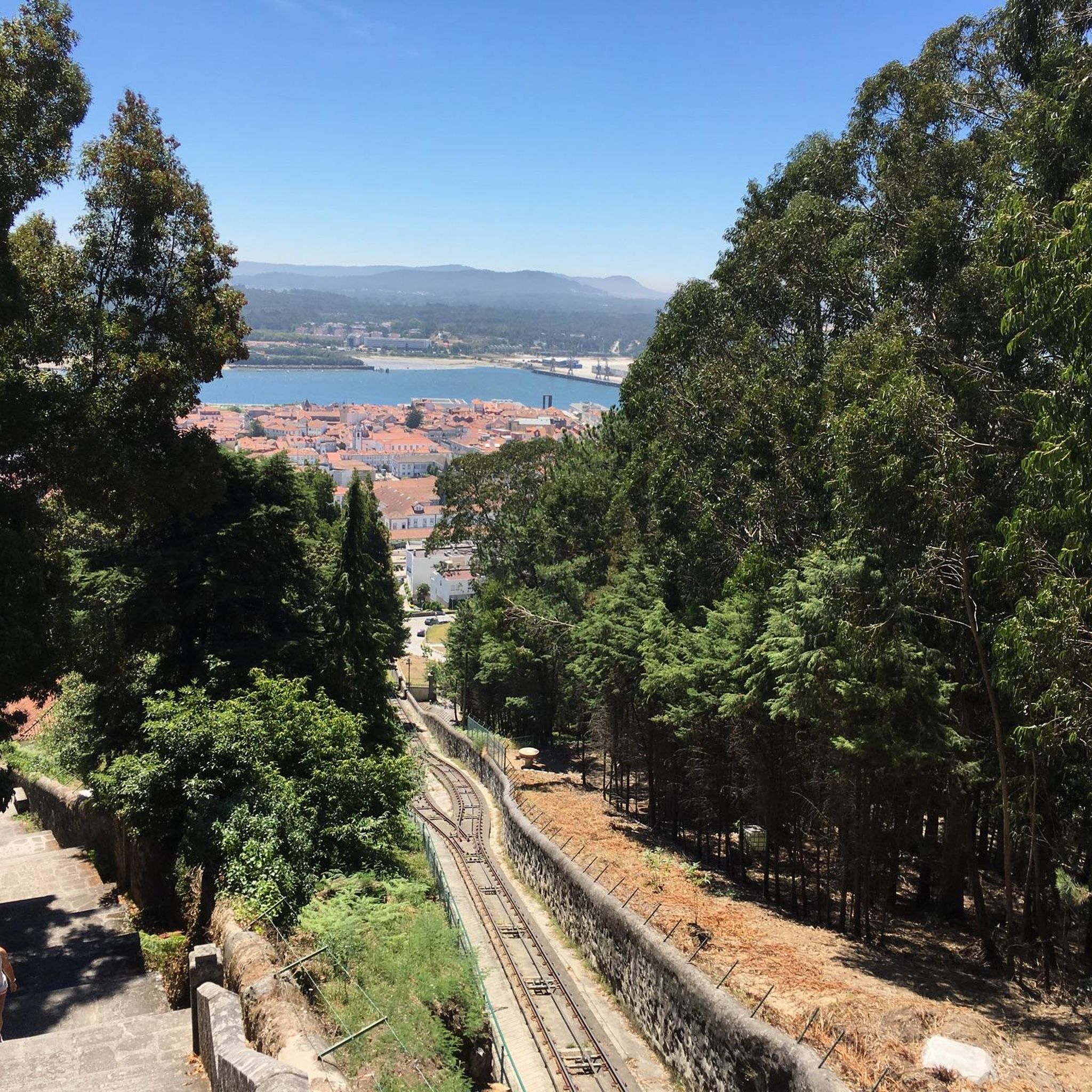
Running Trails around Viana Do Castelo (Santa Maria Maior)
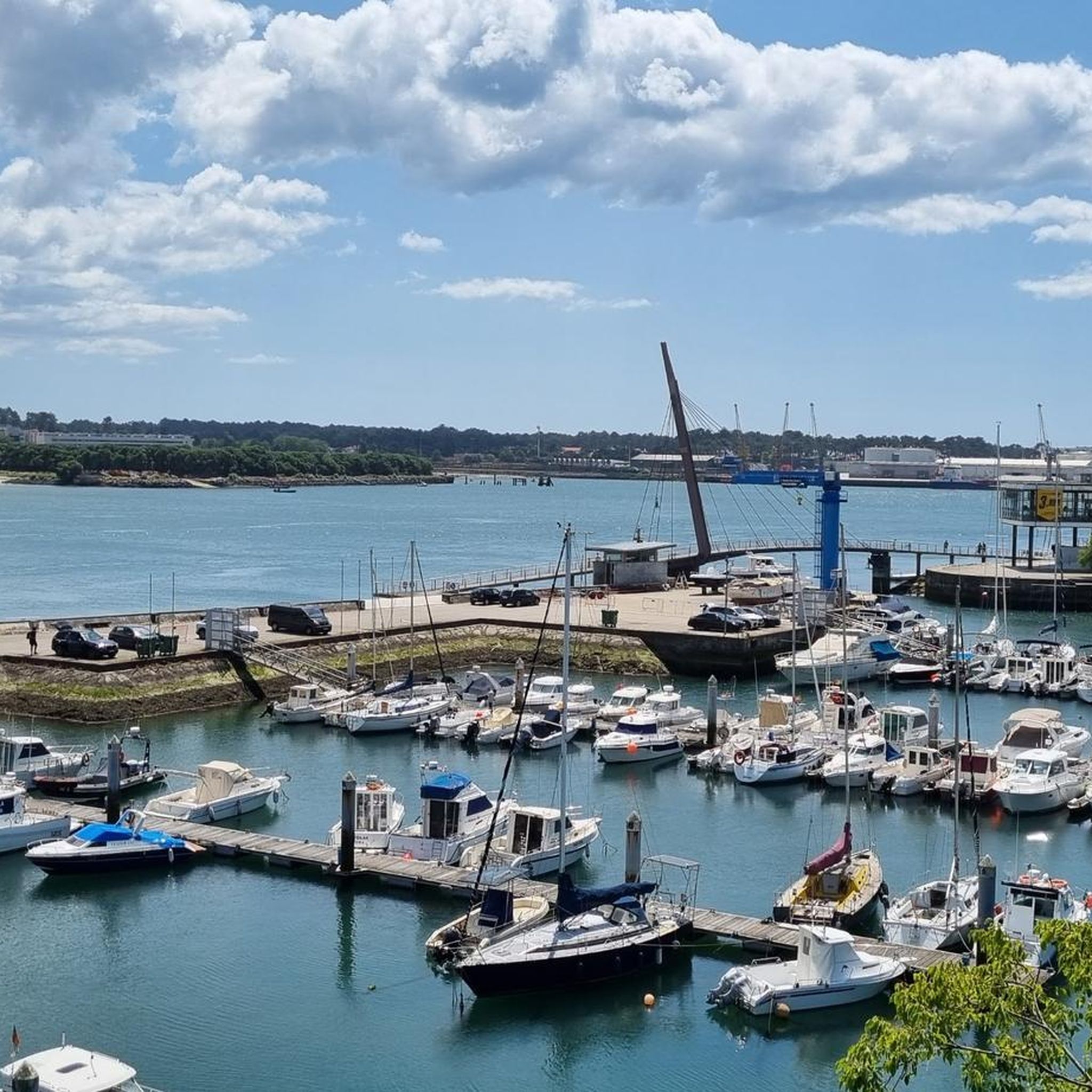
Hiking around Viana Do Castelo (Santa Maria Maior)
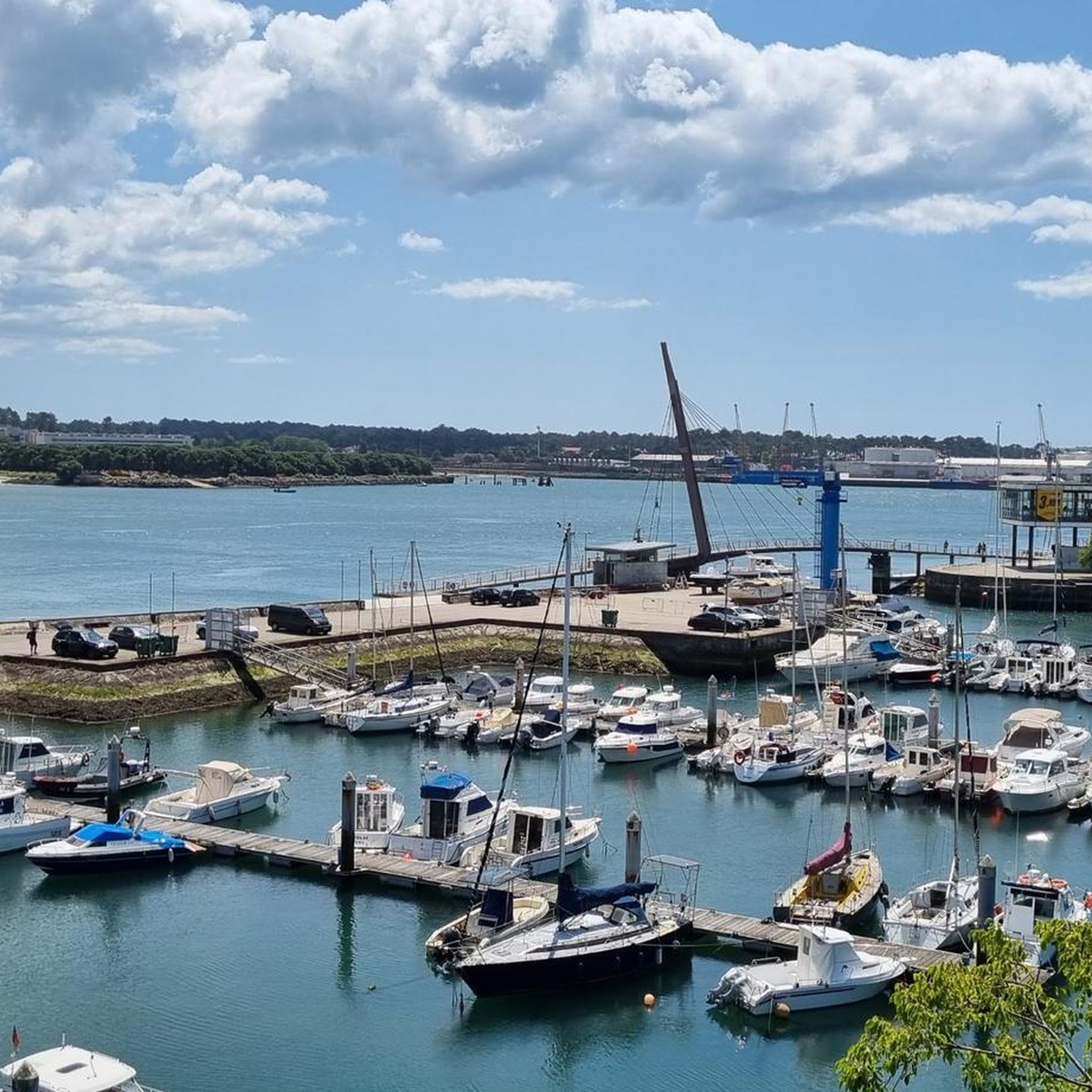
Cycling around Viana Do Castelo (Santa Maria Maior)
MTB Trails around Viana Do Castelo (Santa Maria Maior)

Gravel biking around Viana Do Castelo (Santa Maria Maior)
Other adventures around Viana Do Castelo (Santa Maria Maior)

Tips from the Community


The Metal Bridge of Fão (Esposende) Location: It crosses the Cávado River, on National Road 13 (EN13), in the parish of Fão, in Esposende. Alternative Name: It is frequently referred to as the D. Luís Filipe Bridge. History: It is a significant example of iron architecture in Portugal, inaugurated on August 7, 1892. Characteristics: The bridge, which is a Property of Public Interest, has an extensive metal structure and has recently been rehabilitated.
2
0
In Esposende, the main historical bridge that crosses the Cávado River is the Ponte Metálica de Fão, also known locally as Ponte D. Luís Filipe.
2
0

This chapel is located between the banks of the Minho River and the urban area of Seixas, without any chronological or documentary data. Its stone construction, with openings limited by the door and a small postern, may place it in the Middle Ages. Chapel of Saint Sebastian This chapel is located between the banks of the Minho River and the urban area of Seixas, following the quay and with the cycle path passing right next to it, as seen in the photo. Without any chronological or documentary data, the existence of the Chapel of Saint Sebastian is only confirmed by its construction on the site. 👍🥾 You can obtain more information about this chapel at the link below.
0
0
Historical Context Origin of the name: The town of Ponte de Lima, the oldest in Portugal, derives its name from the bridge that crosses it. Way of St. James: The bridge is an important crossing point on the Portuguese Way of St. James. Legend: The legend of the Lima River, which runs under the bridge, tells that the Romans believed it to be the river of forgetfulness, which would have given rise to the myth that people who crossed it would forget their past lives.
2
0
The bridge that gives the Lima Bridge its name is actually a combination of two structures: a Roman section, built in the 1st century, and a medieval section, expanded in the 14th century. It crosses the Lima River and is one of the town's most emblematic monuments. Characteristics of the bridge Roman section: The remaining Roman section consists of five arches, and its construction is linked to the military road that connected the cities of Braga and Astorga. Medieval section: The medieval portion of the bridge is larger and was built to connect to the Roman section, extending the structure over the river. Material: The bridge is built of granite, using the Roman technique of "quadratum" and "vittatum" masonry.
2
0
A city bathed by the Lima River, with walking trails in the area and good food.👍🥾🇵🇹
1
0
Frequently Asked Questions
What types of terrain can I expect on road cycling routes around Viana do Castelo?
The region offers a diverse range of terrain for road cyclists. You'll find flat rides along the Atlantic coast, gentle routes following the Lima River valley, and challenging mountainous climbs through the Serra d'Arga range. This variety ensures options for all fitness levels.
Are there road cycling routes suitable for beginners or families in Viana do Castelo?
Yes, there are options for easier rides. The coastal paths offer relatively flat terrain, and sections of the Ecovia do Litoral Norte provide a tranquil environment. While only one route is specifically classified as easy in our guide, many moderate routes along the river valleys, such as those near the Lima River, can be enjoyed by those seeking less strenuous rides.
Which road cycling routes offer the best scenic views or pass by notable landmarks?
Many routes provide stunning views. For panoramic vistas, consider routes that ascend to the Sanctuary of Santa Luzia. The Eiffel Bridge – Roman Bridge of Ponte de Lima loop from Estação follows the Lima River, offering scenic views and passing the iconic Eiffel Bridge. The Serra d'Arga routes also provide spectacular views of wild landscapes.
How many road cycling routes are available in the Viana do Castelo (Santa Maria Maior) area?
There are over 35 road cycling routes available in the Viana do Castelo (Santa Maria Maior) area, catering to various skill levels from easy to difficult. This includes a mix of coastal, river valley, and mountainous options.
What is the best time of year for road cycling in Viana do Castelo?
Viana do Castelo generally offers pleasant cycling conditions for much of the year. The spring and autumn months typically provide mild temperatures and less rainfall, making them ideal. Summer can be warm, especially inland, but coastal routes often benefit from refreshing sea breezes.
Are there challenging road cycling routes for experienced cyclists?
Absolutely. The Serra d'Arga mountain range offers demanding routes with significant elevation gains, such as the Serra d'Arga Loop from Viana do Castelo. These routes traverse forests and small villages, providing a rigorous workout and stunning views, often requiring good to very good fitness.
Can I find circular road cycling routes in Viana do Castelo?
Yes, many of the road cycling routes in Viana do Castelo are designed as loops, allowing you to start and end in the same location. Examples include the Serra d'Arga Loop from Viana do Castelo and the Eiffel Bridge – Roman Bridge of Ponte de Lima loop from Viana do Castelo.
What do other road cyclists say about the routes in Viana do Castelo?
The road cycling routes in Viana do Castelo are highly rated by the komoot community, with an average score of 3.9 stars from over 10 reviews. Cyclists often praise the diverse landscapes, from the serene river valleys to the challenging mountain climbs, and the well-paved surfaces.
Are there any historical or cultural attractions accessible by road bike?
Yes, several routes pass by significant historical sites. The Eiffel Bridge (Ponte Eiffel) is a prominent landmark. You can also cycle towards the city center to see the historic Viana do Castelo Cathedral or the Sanctuary of Santa Luzia, which offers breathtaking views.
What natural features can I explore while road cycling in the region?
The region is rich in natural beauty. You can cycle along the Atlantic coastline, explore the tranquil Rio Neiva Estuary, or follow the Lima River through green meadows. For a more rugged experience, the Serra d'Arga offers wild landscapes and forests.
Are there facilities for cyclists, such as bike rentals or guided tours?
While not directly part of the komoot routes, the region is known for attracting professional cycling teams, indicating good infrastructure. Facilities like the FeelViana Bike Center offer high-quality bike rentals, including road and gravel bikes, and guided tours, enhancing the cycling experience in the area.
Is it possible to combine road cycling with exploring the Peneda-Gerês National Park?
Yes, some challenging road cycling loops, particularly those in the Serra d'Arga, extend into or offer views of the Peneda-Gerês National Park, known for its dramatic landscapes. The Ecovia do Rio Lima also has sections within the Natura 2000 Network, which borders the park, providing opportunities to experience its natural beauty.
Most popular routes around Viana Do Castelo (Santa Maria Maior)
Most popular attractions around Viana Do Castelo (Santa Maria Maior)

Get inspired with the komoot mobile app


Explore more
Browse the best Road cycling routes in other regions.
