Attractions and Places To See around Vilar De Murteda - Top 20
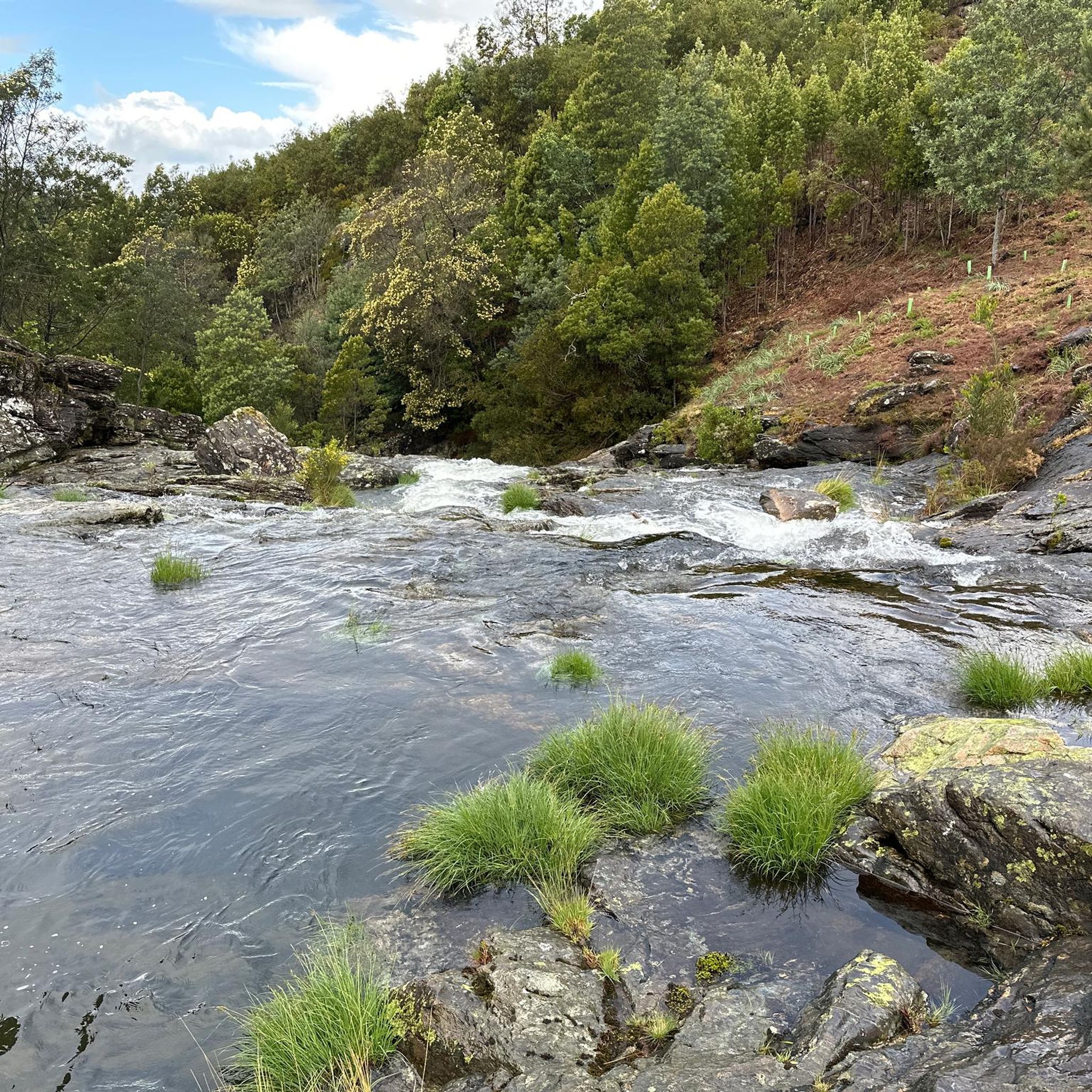
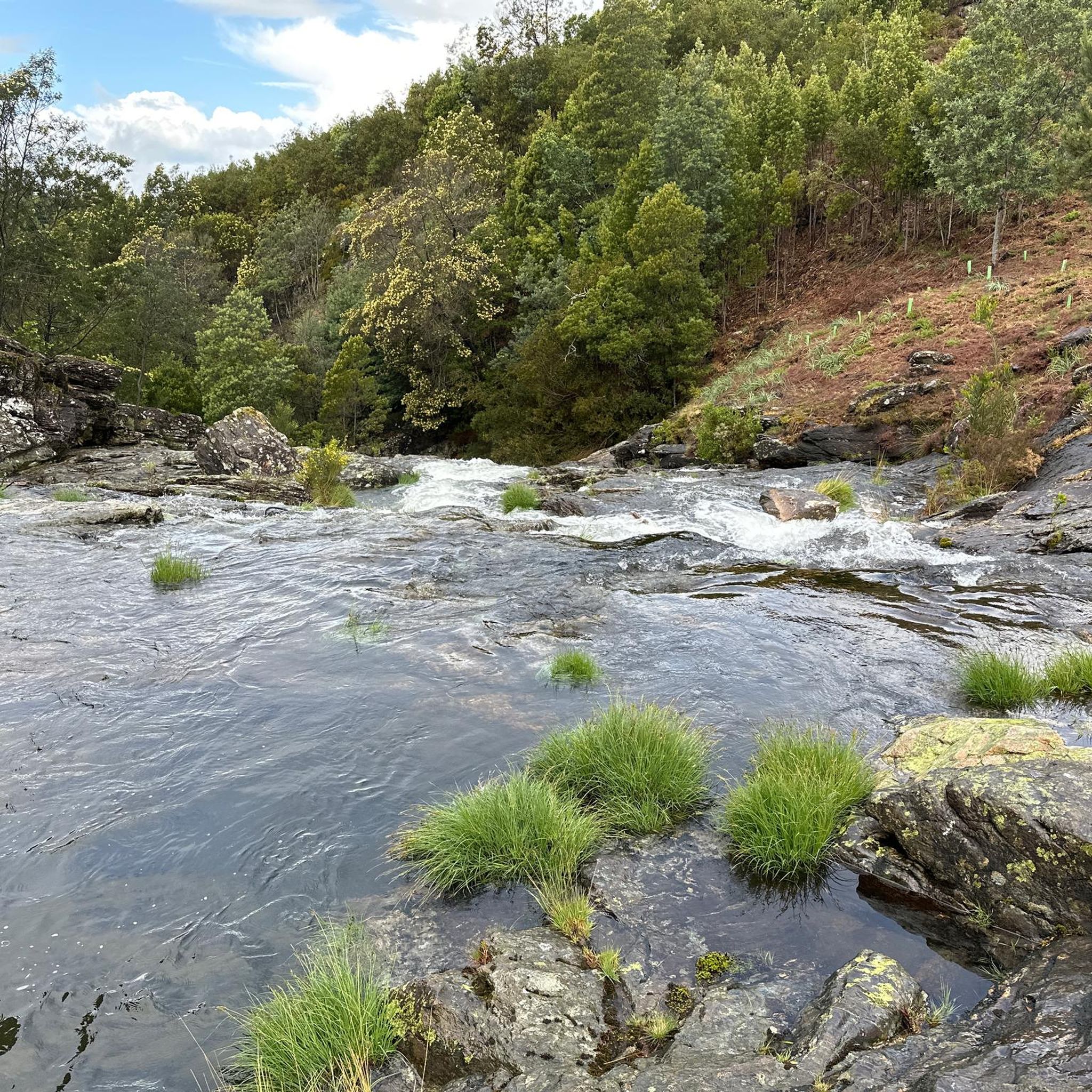
Best attractions and places to see around Vilar De Murteda, a locality within Viana do Castelo, Portugal, offers a blend of natural beauty and historical sites. The area is characterized by its tranquil atmosphere and proximity to the Serra de Arga mountains. Visitors can explore the Seixo River, known for its trout, and picturesque rural landscapes. This region provides insights into traditional Portuguese rural life and its natural heritage.
Best attractions and places to see around Vilar De Murteda
- The…
Last updated: July 2, 2026
Roman Bridge of Ponte de Lima
Highlight • Bridge
Translated by Google •
Tip by

Cycle path to Ponte de Lima
Highlight (Segment) • Cycleway
Translated by Google •
Tip by

Sign up now to discover places like this
Get recommendations on the best single tracks, peaks, & plenty of other exciting outdoor places.
Sign up for free
Convento de São João de Cabanas
Highlight • Religious Site
Translated by Google •
Tip by

Old Jail Tower
Highlight • Historical Site
Translated by Google •
Tip by

Ponte da Torre
Highlight • Bridge
Translated by Google •
Tip by

Sign up for free to discover even more attractions around Vilar De Murteda.
Sign up for free
Already have an account?
Start today with a free account
Your next adventure awaits.
Login or Signup

Tips from the Community

Lovely, quiet path, easy to ride when not impacted by seasonal rains and river flooding. All part of the charm and sense of adventure
0
0

Home and Access The Ecovia has multiple access points, with the connection between the city of Viana do Castelo and the town of Arcos de Valdevez being the main route.
2
0
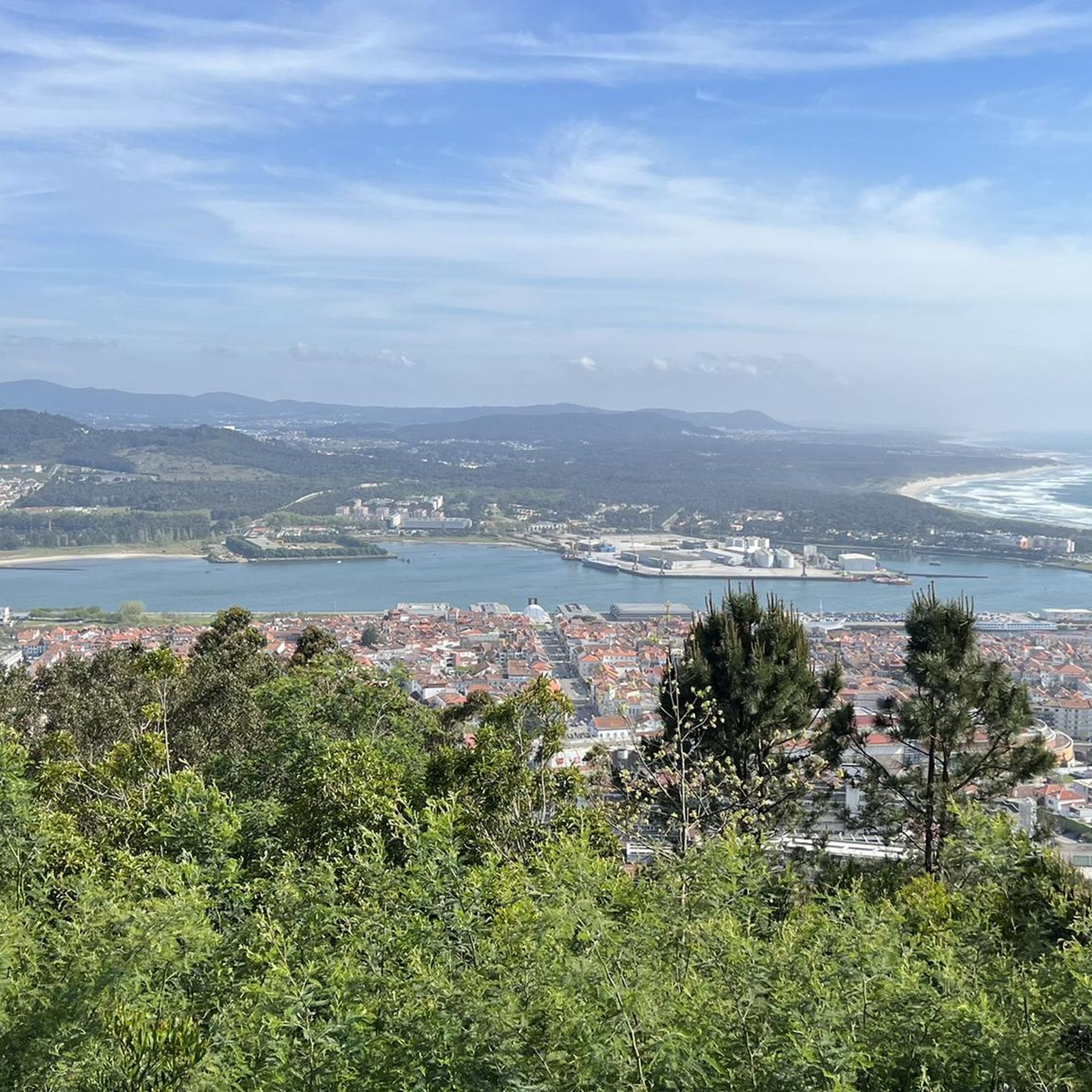
Points of Interest Along the Ecovia Panoramic Views: The route offers breathtaking views of the Lima River, the agricultural fields ("veigas") and the rural landscape of Minho. Cultural Heritage: Along the way, you can find several points of interest, such as the Chapel of São João Baptista, the Monastery of Bravães (National Monument), the Fonte Santa (with sulphurous water) and the seven watermills of Gemieira, powered by a spectacular waterfall. Recreational Areas: There are several recreational areas, picnic parks and river beaches on the banks of the river.
2
0
Route Characteristics Length: Approximately 70 km in total, divided into several sub-routes (such as the Veigas Route, the Açudes Route, and the Laranja/Refóios Route). Usage: Ideal for hiking, running, and cycling (mountain bikes are suitable due to the terrain). Motorized vehicles are prohibited. Road: Mainly packed earth and consolidated gravel, with some wooden walkways in specific areas. Difficulty: Generally easy to medium difficulty, due to the gentle slope. Accessibility: Some parts of the route have wheelchair-accessible entrances and parking.
2
0
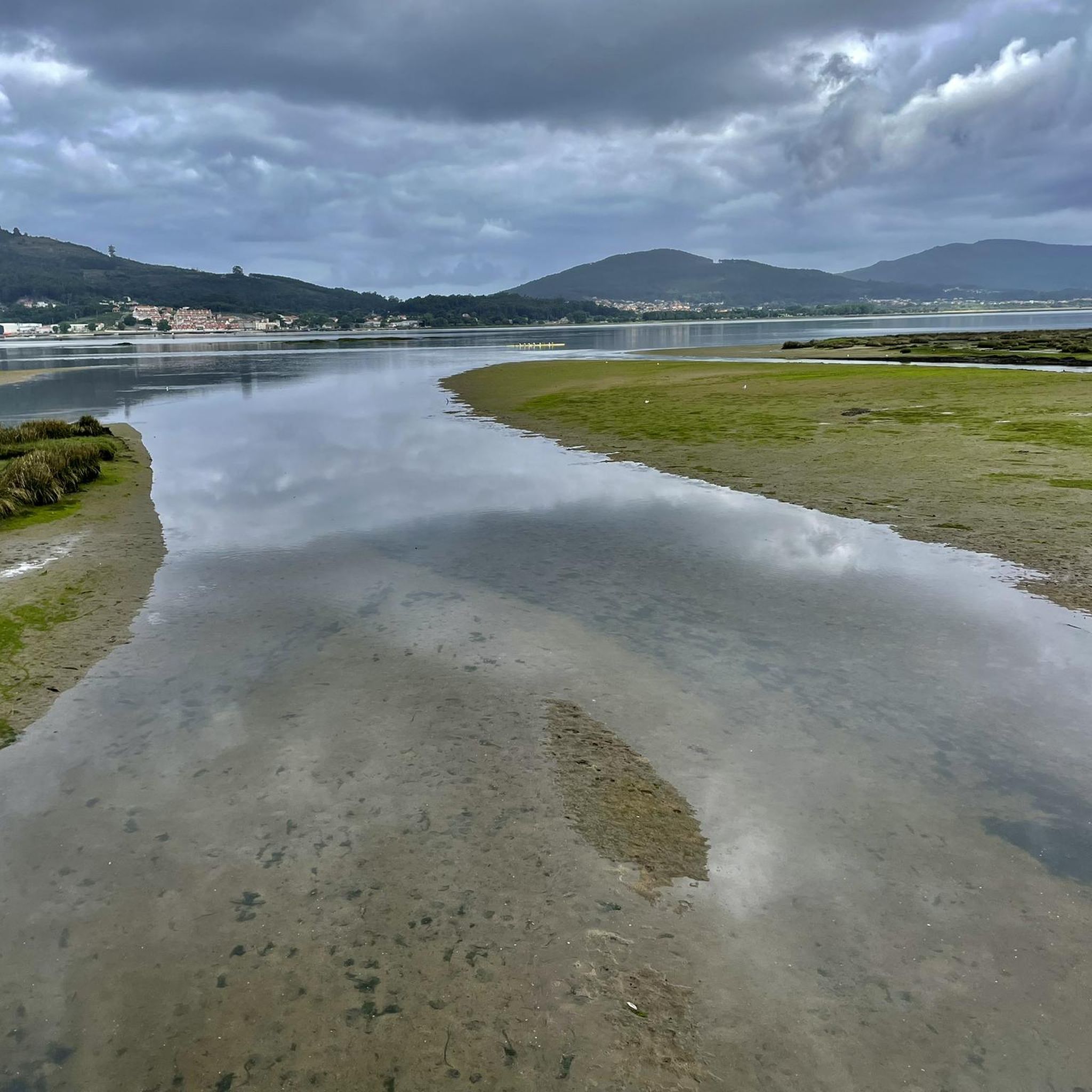
The Lima River Ecovia is an extensive pedestrian and cycling route that follows the banks of the Lima River in Alto Minho, Portugal. Stretching for approximately 70 kilometers, the ecovia crosses the municipalities of Viana do Castelo, Ponte de Lima, Ponte da Barca, and Arcos de Valdevez, offering scenic landscapes and a mostly flat route.
2
0

Inside is the tourist office.
2
1
The main attraction of the town.
2
0

The Bridge over the Lima River in Ponte de Lima is an authentic work of art that combines medieval and Roman styles and is classified as a national monument. The bridge has two distinct sections, one Roman and one medieval.
1
0
Frequently Asked Questions
What historical landmarks can I explore around Vilar de Murteda?
You can visit several historical sites, including the Roman Bridge of Ponte de Lima, a significant structure that forms part of the Caminho Português. Another notable site is the Old Jail Tower in Ponte de Lima, which is a remnant of the old town wall and now houses the local tourism shop. Further afield, the Convento de São João de Cabanas offers a glimpse into centuries of religious history.
Are there any natural attractions or scenic viewpoints near Vilar de Murteda?
Yes, the area is rich in natural beauty. The Seixo River, known for its trout, flows through Vilar de Murteda and features a fluvial beach. You can also discover the picturesque Ponte do Pereiro Waterfall. The region's rural landscapes extend across the slopes of the Serra de Arga, offering tranquil views and opportunities for exploration.
What outdoor activities are available around Vilar de Murteda?
The region offers various outdoor activities. You can enjoy cycling along the Cycle path to Ponte de Lima, an extensive route following the Lima River. For hiking enthusiasts, there are numerous trails, including moderate options like the 'Pincho Waterfall – S. Lourenço da Montaria loop' or more challenging routes in the Serra de Arga. You can find more details on routes for cycling, hiking, and running in the dedicated guides for Cycling around Vilar De Murteda, Hiking around Vilar De Murteda, and Running Trails around Vilar De Murteda.
Are there family-friendly attractions or activities in the area?
Absolutely. Many attractions are suitable for families, such as the Roman Bridge of Ponte de Lima and the Old Jail Tower, which offer historical interest. The Cycle path to Ponte de Lima is mostly flat and ideal for family bike rides or walks. The Pilgrim Altar also provides a unique and poignant stop for all ages.
What is the best time of year to visit Vilar de Murteda for outdoor activities?
While the region offers a tranquil atmosphere year-round, spring and autumn generally provide the most pleasant weather for outdoor activities like hiking and cycling. The temperatures are milder, and the natural landscapes are vibrant. Summer can be warm, making river activities particularly appealing.
Can I find accommodations or places to eat in Vilar de Murteda?
Vilar de Murteda offers a glimpse into traditional Portuguese rural life, including local gastronomy with highlights like smoked pork sausages. The area has also seen the development of rural tourism accommodations, providing options for visitors looking to stay and experience the tranquil atmosphere.
Is the Cycle path to Ponte de Lima suitable for all types of bikes?
The Cycle path to Ponte de Lima has a surface that is not paved, consisting mainly of gravel and, in some sections, can be a bit rocky and muddy. Mountain bikes are generally more suitable for this terrain, though it is also popular for hiking and running.
What is the significance of the Pilgrim Altar near Ponte de Lima?
The Pilgrim Altar, located just before Ponte de Lima on the Portuguese Way, is a deeply moving spot. Pilgrims leave messages, stones, and scallop shells, creating a collection of hopes, wishes, and reflections. It's a place for quiet contemplation, offering shade and a chance to rest and recharge.
Are there any specific historical details about the Roman Bridge of Ponte de Lima?
The Roman Bridge of Ponte de Lima is actually a combination of two bridges: a larger medieval section and the remaining part of the original Roman bridge. The Roman section likely dates back to the 1st century, built as part of a military road connecting Braga to Astorga. The medieval part was developed later, with significant work completed by 1370 and further enhancements in 1504.
What are the local religious sites in Vilar de Murteda?
The local Parochial Church and its accompanying Cruzeiro (stone cross) are significant religious and historical landmarks within Murteda. The name 'Vilar de Murteda' itself is believed to be linked to the abundance of aromatic 'murta' shrubs, particularly around the site of the primitive church.
What do visitors particularly enjoy about the attractions around Vilar de Murteda?
Visitors appreciate the blend of natural beauty and historical significance. The tranquil riverbanks, ancient landmarks, and scenic rural landscapes are frequently highlighted. The community has shared over 270 photos and given more than 290 upvotes to the various attractions, indicating a strong positive reception for the area's charm and offerings.
Most popular attractions around Vilar De Murteda

Get inspired with the komoot mobile app


Explore more
Still not found the Highlight you’re looking for? See guides of the top attractions in other regions:
