Attractions and Places To See around Fiães Do Rio - Top 20
Best attractions and places to see around Fiães Do Rio include natural features and cultural sites. This village, situated over 800 meters above sea level in Montalegre, Portugal, offers a blend of natural beauty and historical insights. The region is characterized by green fields and water-meadows, located within or very close to the Peneda-Gerês National Park. It provides diverse landscapes and a rich heritage for visitors to explore.
Best attractions and places to see around Fiães Do Rio
- The most…
Last updated: July 1, 2026
Monastery of Saint Mary of Pitões das Júnias
Highlight • Religious Site
Translated by Google •
Tip by

Cela Cavalos Waterfall
Highlight • Waterfall
Translated by Google •
Tip by

Sign up now to discover places like this
Get recommendations on the best single tracks, peaks, & plenty of other exciting outdoor places.
Sign up for free
Sete Lagoas (Seven Lagoons)
Highlight • Lake
Translated by Google •
Tip by
Pitões das Júnias Waterfall
Highlight • Waterfall
Translated by Google •
Tip by
Xertelo Village
Highlight • Settlement
Translated by Google •
Tip by
Sign up for free to discover even more attractions around Fiães Do Rio.
Sign up for free
Already have an account?
Start today with a free account
Your next adventure awaits.
Login or Signup
Popular around Fiães Do Rio

Tips from the Community

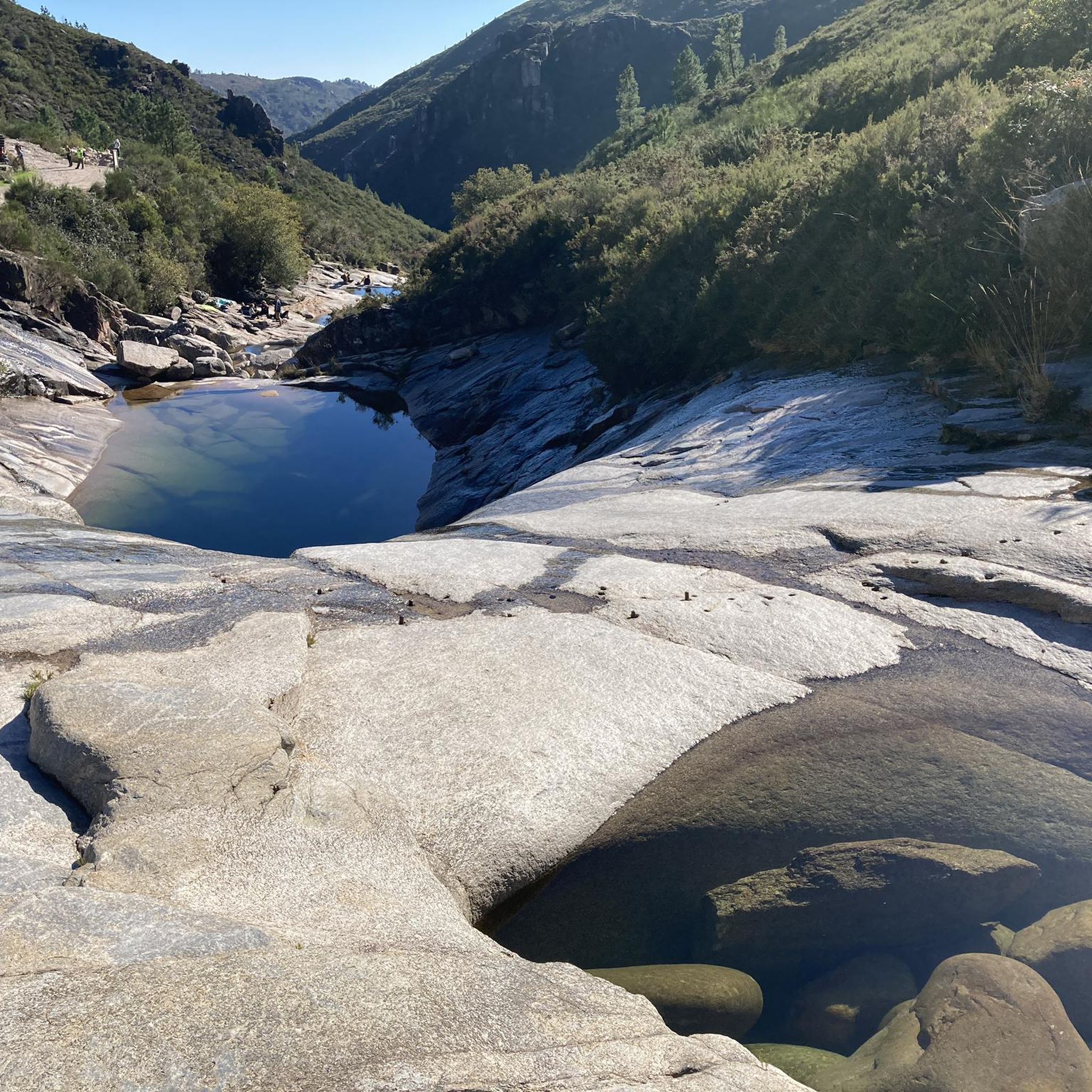
The waters of this waterfall come from the Pitões stream, which, due to the uneven terrain, develops over several levels, the first of which is about 30 meters high and flows into a lake bounded by granite outcrops. This waterfall is one of many in the Barroso region and feeds several rivers that originate in the Serra do Gerês.
0
0
Cela Cavalos Waterfall, or Cela de Cavalos, is a paradisiacal waterfall located in the municipality of Montalegre, in the Peneda-Gerês National Park. With crystal-clear waters, it's a perfect spot for summer swimming, hiking, and nature contemplation. The main access point is from the village of Cela.
0
0
The Monastery of Santa Maria das Júnias is a ruined monastery, of which the church remains, located on the outskirts of Pitões das Júnias. The last Cistercian monk became the parish priest of the village of Pitões das Júnias in 1834, the date of the abolition of religious orders in Portugal. As a historical curiosity, it is worth noting that Dom Pedro de Pitões, one of the main drivers of the conquest of Lisbon from the Moors in 1147, was ordained bishop of Porto at this monastery.
0
0

Hidden in the heights of Pitões das Júnias, the ancient monastery of Santa Maria carries centuries of history in the stones that support it. It is believed that its origins date back to the 9th century, in the middle of the Reconquista era, before Portugal was born as a kingdom. Officially, however, it was founded in the 12th century under the auspices of the Benedictines, and later embraced the austerity of the Cistercian reform. Today, among the silent ruins, the modest side portico of the church and the delicate arcades of the cloister remain.
1
1
From the top of the Pitões waterfall, in addition to the impressive waterfall, you can see the beautiful Beredo oak forest, where the Pyrenean oak is a perennial species, perfectly adapted to the climate and altitude of this region. If you look towards the horizon, the imposing outline of the Gerês mountain range completes this scene of pure natural beauty.
1
0
The monastery of Santa Maria de Pitões das Júnias has roots that are believed to date back to a period before the founding of the Kingdom of Portugal, in the 9th century, during the Christian Reconquest. However, it is certain that it was founded in the mid-12th century, initially under the Benedictine Order, later adhering to the Cistercian reform. Notable remains of its original design still remain, such as the simple side portico of the church and the discreet arcades of the cloister, now in ruins.
2
0

Fascinating landscape, by bike or on foot
0
1

One of the most beautiful waterfalls in the National Park, the Cela Cavalos Waterfall is fed by the crystal clear waters of the Cavadas and Cela Cavalos streams and, in addition to the striking waterfall that forms a large natural pool, it also has a beautiful lagoon of emerald green water hidden at the top of the waterfall.
3
3
Frequently Asked Questions
What are the main natural attractions to explore around Fiães Do Rio?
The region around Fiães Do Rio is rich in natural beauty. Highlights include the unique Sete Lagoas (Seven Lagoons), a series of natural pools carved into rock. You can also visit impressive waterfalls like Cela Cavalos Waterfall and Pitões das Júnias Waterfall, both offering stunning views and natural pools. The area is also part of the Peneda-Gerês National Park, known for its diverse landscapes and the Beredo oak forest.
Are there any historical or cultural sites to visit in Fiães Do Rio?
Yes, Fiães Do Rio offers several significant historical and cultural sites. The most notable is the Monastery of Saint Mary of Pitões das Júnias, a ruined religious building with roots potentially dating back to the 9th century. The village itself preserves an authentic central area with granite-paved streets and old buildings, including a communal oven. Other important religious sites include the Igreja Matriz de Fiães do Rio and the Capela de Nossa Senhora do Livramento.
What kind of outdoor activities can I do near Fiães Do Rio?
Fiães Do Rio is an excellent base for outdoor activities, especially hiking and road cycling. You can explore various trails that lead to natural wonders like the Seven Lagoons of Gerês or the Pitões das Júnias Waterfall. For more details on routes, check out the guides for Hiking around Fiães Do Rio and Road Cycling Routes around Fiães Do Rio.
Are there hiking trails suitable for different skill levels around Fiães Do Rio?
Yes, the area around Fiães Do Rio offers hiking trails for various skill levels. You can find easy walks, such as the 'Parking lot – View of Pitões Waterfall loop' (4.9 km) or the 'Cela Cavalos Waterfall loop' (3.2 km). Moderate trails include the 'Sete Lagoas (Seven Lagoons) – Seven Lagoons of Gerês loop' (10.5 km), while more challenging options like the 'Seven Lagoons of Gerês – Rio Cabril Crossing loop' (10.4 km) are also available. For easy options, refer to the Easy hikes around Fiães Do Rio guide.
Can I find natural swimming spots near Fiães Do Rio?
Absolutely. The Sete Lagoas (Seven Lagoons) are a series of seven natural pools perfect for a refreshing dip. Additionally, the Cela Cavalos Waterfall features an irresistible natural pool and a delightful lagoon of emerald waters, ideal for wild swimming after a hike.
What do visitors particularly enjoy about the attractions in Fiães Do Rio?
Visitors frequently praise the stunning natural beauty and the sense of peace found in the area. The mystical atmosphere of the Monastery of Saint Mary of Pitões das Júnias and the disarming beauty of the landscapes surrounding Cela Cavalos Waterfall are often highlighted. The unique natural pools of Sete Lagoas are also a favorite for their scenic path and refreshing waters.
When is the best time of year to visit Fiães Do Rio for outdoor activities?
Given its location over 800 meters above sea level and within the Peneda-Gerês National Park, the warmer months, typically from late spring to early autumn (May to October), are generally best for outdoor activities. During this period, the weather is more favorable for hiking, exploring waterfalls, and enjoying the natural pools.
Are there family-friendly attractions or activities in Fiães Do Rio?
While many of the natural attractions involve hiking, some trails are suitable for families. The scenic path to Sete Lagoas (Seven Lagoons) can be an enjoyable family adventure, and there are easy hiking routes available, such as the 'Parking lot – View of Pitões Waterfall loop'. Exploring the traditional village center of Fiães Do Rio also offers a cultural experience for all ages.
Do I need a permit to hike in Peneda-Gerês National Park near Fiães Do Rio?
Generally, you do not need a specific permit for day hiking on established trails within Peneda-Gerês National Park. However, it's always advisable to check the latest regulations from the park authorities, especially for specific activities or during certain seasons, as rules can change.
Is public transport available to reach attractions around Fiães Do Rio?
Fiães Do Rio is a rural village, and public transport options to reach specific attractions can be limited. It is generally recommended to have a car for exploring the various natural and historical sites in the surrounding area, as many are nestled in more remote locations within the Peneda-Gerês National Park.
Where can I find parking when visiting attractions around Fiães Do Rio?
Parking availability varies by attraction. For popular spots like the Pitões das Júnias Waterfall, there are often designated parking areas near the trailheads. For other natural sites or village explorations, you may find parking in or near the closest villages. It's advisable to check specific location details or local signage upon arrival.
What kind of natural landscapes can I expect in Peneda-Gerês National Park near Fiães Do Rio?
Within Peneda-Gerês National Park, near Fiães Do Rio, you can expect a diverse landscape featuring autochthonous oak woods, particularly the Pyrenean oak in areas like the Beredo oak forest. The terrain includes green fields, water-meadows, and mountainous areas with impressive rock formations, waterfalls, and natural lagoons. The park is also known for its high diversity of fauna, including some rare and threatened species.
Most popular routes around Fiães Do Rio
Most popular attractions around Fiães Do Rio

Get inspired with the komoot mobile app


Explore more
Still not found the Highlight you’re looking for? See guides of the top attractions in other regions:
