The best road cycling routes around Furth bei Göttweig
4.6
(379)
10,439
riders
17
rides
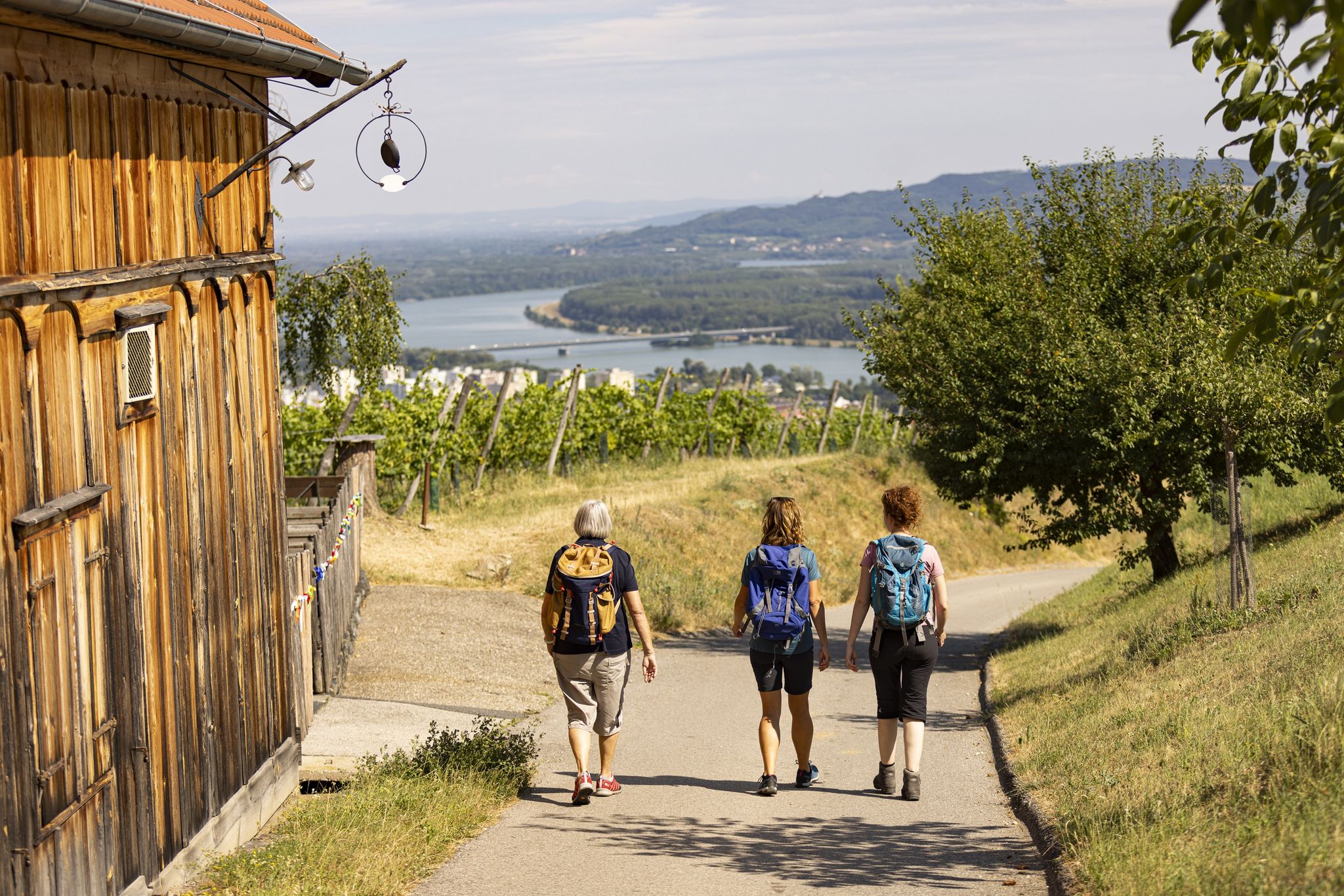
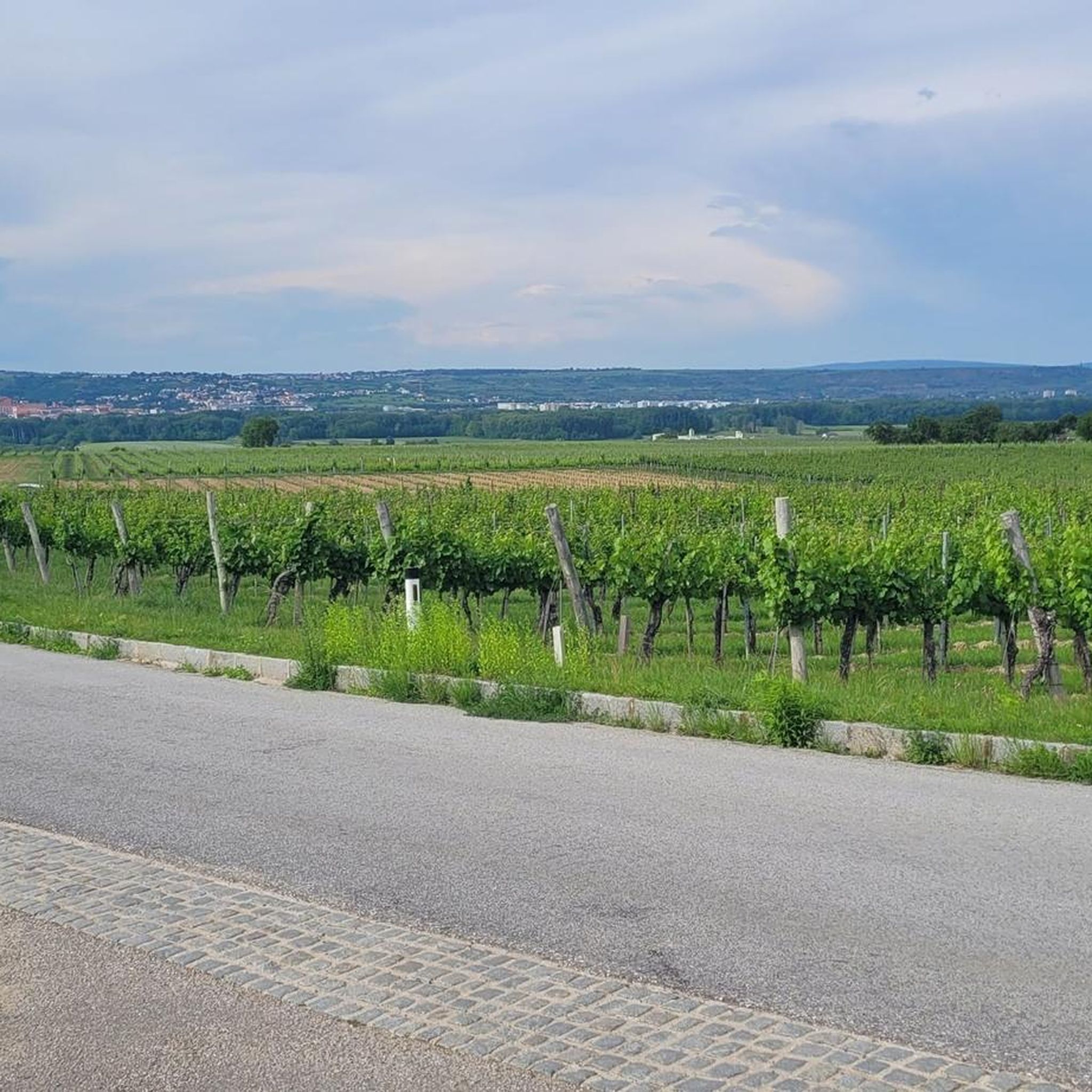
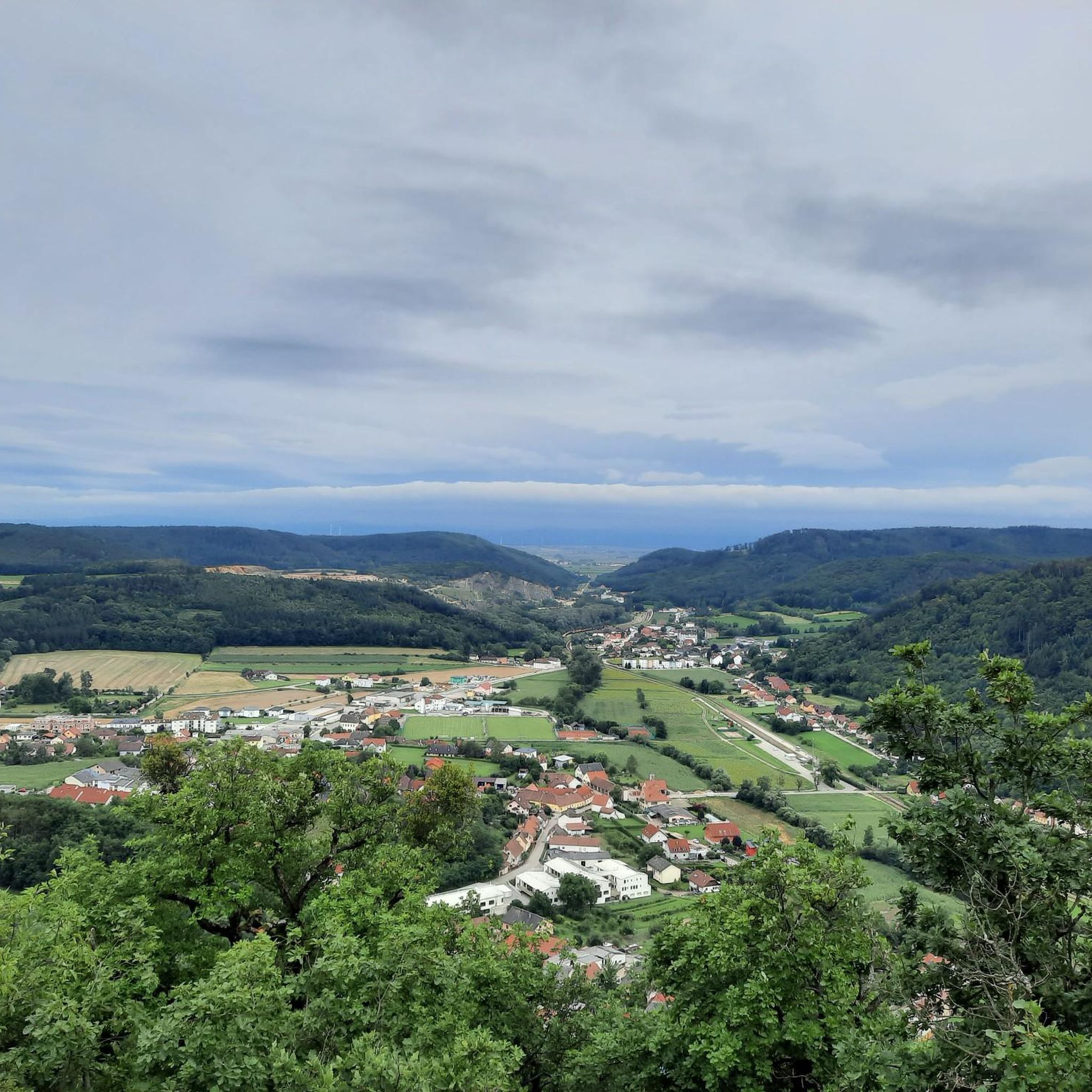
Road cycling routes around Furth bei Göttweig are situated at the base of the Göttweiger Berg, providing diverse terrain for cyclists. The area features rolling hills, the Danube River valley, and serves as a gateway to the Wachau region. Routes often include sections along the river, ascents into the hills, and passages through vineyards.
Best road cycling routes around Furth bei Göttweig
- The most popular road cycling route is Ruins of Senftenberg Castle – Senftenberg Castle Ruin loop from Furth-Göttweig…
Last updated: July 9, 2026
4.6
(47)
1,161
riders
Moderate road ride. Good fitness required. Some segments of this route may be unpaved and difficult to ride.
58
riders
Moderate road ride. Good fitness required. Some segments of this route may be unpaved and difficult to ride.

Sign up for free
51
riders
Moderate road ride. Good fitness required. Mostly well-paved surfaces and easy to ride.
31
riders
76.8km
03:13
390m
390m
Moderate road ride. Good fitness required. Some segments of this route may be unpaved and difficult to ride.
5.0
(3)
23
riders
93.8km
04:05
700m
700m
Moderate road ride. Good fitness required. Some segments of this route may be unpaved and difficult to ride.
Get access to more routes and recommendations from other explorers.
Sign up for free
Already have an account?
Our route recommendations are based on thousands of hikes, rides, and runs completed by other people on komoot.
Start today with a free account
Your next adventure awaits.
Login or Signup
Popular around Furth bei Göttweig
Other adventures around Furth bei Göttweig

Tips from the Community

The subsidiary church of Schwallenbach belonged to the large complex of property of the Niederaltaich monastery in the Wachau, which was allegedly founded by Charlemagne. This resulted in close ties to the monastery administration and the parish in Spitz. Thus, a small noble family from Spitz directly founded and endowed this church. Above the north gate, two interesting coat of arms reliefs with a chain and lock have been preserved. They refer to the mutual dependence of liege lord and vassal knight. Since the end of the 13th century, the monastery has enfeebled its dominion to the Dukes of Bavaria, who ceded it to King Maximilian I in 1504. The subsidiary church is first mentioned in 1419 and shows strikingly pronounced features of its Gothic period of origin. For example, the brick-built pointed helmet of the tower is a building form from the late Gothic period, which is particularly characteristic of the Wachau. The church is dedicated to St. Sigismund, the legendary King of Burgundy - he lived around 500.
0
0
Seyfried der Ritzendorfer sought permission from Pope Martin V to rebuild the church, and received permission in 1420. In 1421, Seyfried Ritzendorfer and his wife Anna issued the deed of foundation for the chapel. The new church, dedicated to St. Sigmund, was to be subordinate to the parish church of Spitz as a daughter church, along with the cemetery. The two shields above the entrance are the coats of arms of the founding couple (right: coat of arms of the Knights of Schwallenbach; left: coat of arms of the Ritzendorfers). Seyfried Ritzendorfer is buried in the church.
0
0
Branch church of St. Sigismund - Typical of Wachau Gothic The branch church of Schwallenbach belonged to the large property complex of the Niederaltaich Monastery in the Wachau region, which was allegedly donated by Charlemagne himself. This resulted in close ties to the monastery administration and the parish in Spitz. A small noble family from Spitz directly endowed and endowed this church. Two interesting coat of arms reliefs with chain and lock have been preserved above the north gate. They refer to the mutual dependence of feudal lord and feudal knight. Since the end of the 13th century, the monastery has enfeoffed its dominion to the Dukes of Bavaria, which they ceded to King Maximilian I in 1504. The branch church is first mentioned in 1419 and shows strikingly pronounced features of its Gothic period of origin. For example, the brick-built pointed helmet of the tower is a building form from the late Gothic period that is particularly characteristic of the Wachau region. The church is dedicated to St. Sigismund, the legendary king
0
0
The church of Schwallenbach dates back to a chapel from 1420, which was dedicated to Saint Sigismund. Buttresses and vault ribs indicate the late Gothic style. A statue of the Virgin Mary from the church, dating from 1515, has been preserved, the baroque altar was consecrated in 1724 by the bishop of Passau. The altarpiece dedicated to Saint Sigismund by Martin Johann Schmidt dates from 1767.
0
0

beautiful bike route with fantastic scenery
0
0

Very nice place to pause, with everything cyclists need.
0
0

here you can change the Danube side and continue on the other side
0
0
Very interesting old church in Weißenkirchen in der Wachau
0
0
Frequently Asked Questions
How many road cycling routes are available around Furth bei Göttweig?
There are over 18 road cycling routes around Furth bei Göttweig documented on komoot. These routes cater to various skill levels, including 3 easy, 12 moderate, and 3 difficult options, ensuring a suitable ride for almost every cyclist.
What kind of terrain can I expect on road cycling routes in Furth bei Göttweig?
The terrain around Furth bei Göttweig is quite diverse. You can expect routes that feature the prominent Göttweiger Berg with rewarding ascents, scenic sections along the Danube River valley, and winding paths through the rolling hills and vineyards of the UNESCO World Heritage-listed Wachau region. The area also borders the Dunkelsteiner Wald, offering a mix of open landscapes and wooded sections.
Are there road cycling routes suitable for beginners or less experienced cyclists?
Yes, Furth bei Göttweig offers several easy road cycling routes. For instance, the Danube Riverside Cycle Path – View of Krems an der Donau loop from Furth-Palt is an easy 11.7-mile (18.9 km) path that follows the Danube River, providing mostly flat sections and pleasant views towards Krems an der Donau.
What are some challenging road cycling routes for experienced riders?
For experienced riders seeking a challenge, routes that incorporate the Göttweiger Berg or venture deeper into the hilly Wachau region are ideal. The area features 3 difficult routes, offering significant elevation changes and longer distances to test your endurance.
What is the best time of year for road cycling in Furth bei Göttweig?
The best time for road cycling in Furth bei Göttweig is generally from spring to autumn. During these seasons, the weather is most favorable, and the vineyards are particularly picturesque. Spring offers blooming landscapes, while autumn provides stunning fall colors and the opportunity to experience the local wine harvest.
Can I find routes that pass through vineyards or the Wachau region?
Absolutely. Furth bei Göttweig is an excellent starting point for exploring the Wachau, a renowned wine-growing region. Many routes wind through idyllic vineyards, offering breathtaking views of terraced landscapes and charming wine villages. You'll find opportunities to stop at local wineries and traditional wine taverns (Buschenschänken).
Are there any historical landmarks or attractions visible from the road cycling routes?
Yes, several routes offer views of significant landmarks. The impressive Benedictine Abbey of Göttweig, often called the 'Austrian Montecassino,' is a prominent feature visible from many cycling paths. Routes may also pass through historical towns like Krems an der Donau, and you can explore nearby attractions such as the Fessl Hut or the Schwarzalm Krems Mountain Inn for a break.
Are there loop routes available for road cycling in Furth bei Göttweig?
Yes, many of the road cycling routes around Furth bei Göttweig are designed as loops, allowing you to start and end your ride in the same location. Examples include the Ruins of Senftenberg Castle – Senftenberg Castle Ruin loop from Furth-Göttweig and the Sitzenberg Castle Pond – Danube Riverside Cycle Path loop from Furth-Palt.
What do other road cyclists enjoy most about road cycling in Furth bei Göttweig?
The road cycling experience in Furth bei Göttweig is highly rated by the komoot community, with an average score of 4.4 stars from over 10 reviews. Cyclists often praise the varied terrain, which combines challenging hill climbs with scenic riverside paths, and the beautiful views of the Danube valley and Wachau vineyards.
Are there cafes or restaurants along the road cycling routes for a break?
Given the region's focus on wine and tourism, you'll find numerous opportunities for refreshment. Routes often pass through charming villages and by vineyards, where you can discover local wineries and traditional Buschenschänken (wine taverns) offering food and drink. Towns like Krems an der Donau also provide a good selection of cafes and restaurants.
Is public transport accessible for reaching road cycling routes in Furth bei Göttweig?
Furth bei Göttweig is well-connected, and public transport options are available to reach the area. The proximity to the Danube and towns like Krems an der Donau, which has a good network of cycling paths, suggests that public transport can be a viable option for accessing various starting points for your road cycling adventures.
Are there family-friendly road cycling routes in the area?
While road cycling typically involves more challenging terrain, the easy routes along the Danube River are generally suitable for families with older children or those looking for a more relaxed ride. These paths are often flatter and provide a safe, scenic environment away from heavy traffic.
Can I find routes with significant elevation changes for training?
Yes, the presence of the Göttweiger Berg and the rolling hills leading into the Wachau region means there are plenty of routes with significant elevation changes. For example, the Ruins of Senftenberg Castle – Senftenberg Castle Ruin loop from Furth-Göttweig features over 670 meters of elevation gain, making it an excellent choice for training.
Most popular routes around Furth bei Göttweig
Most popular attractions around Furth bei Göttweig

Get inspired with the komoot mobile app


Explore more
Browse the best Road cycling routes in other regions.
