The best walks and hikes around Armamar
3.9
(129)
603
hikers
10
hikes
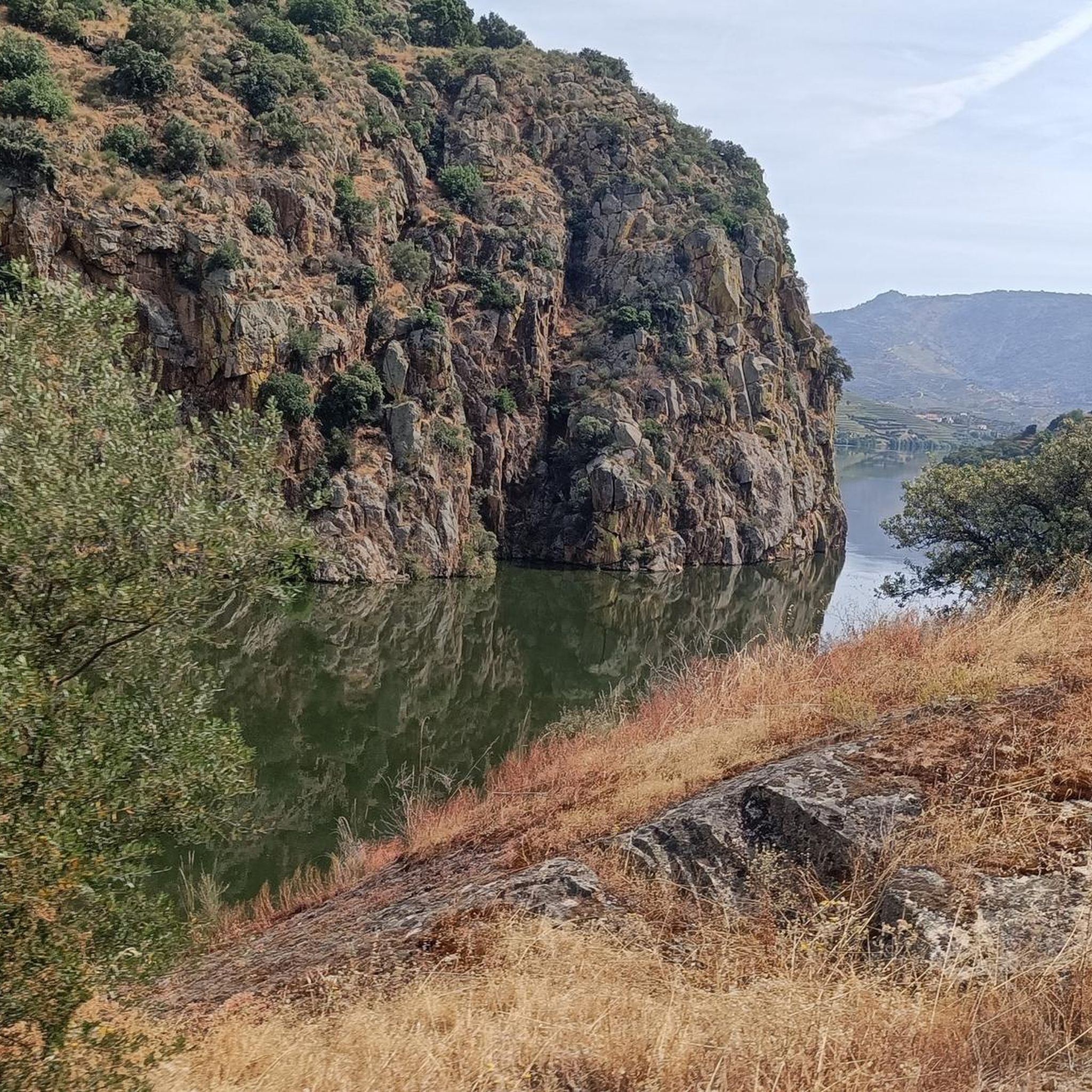
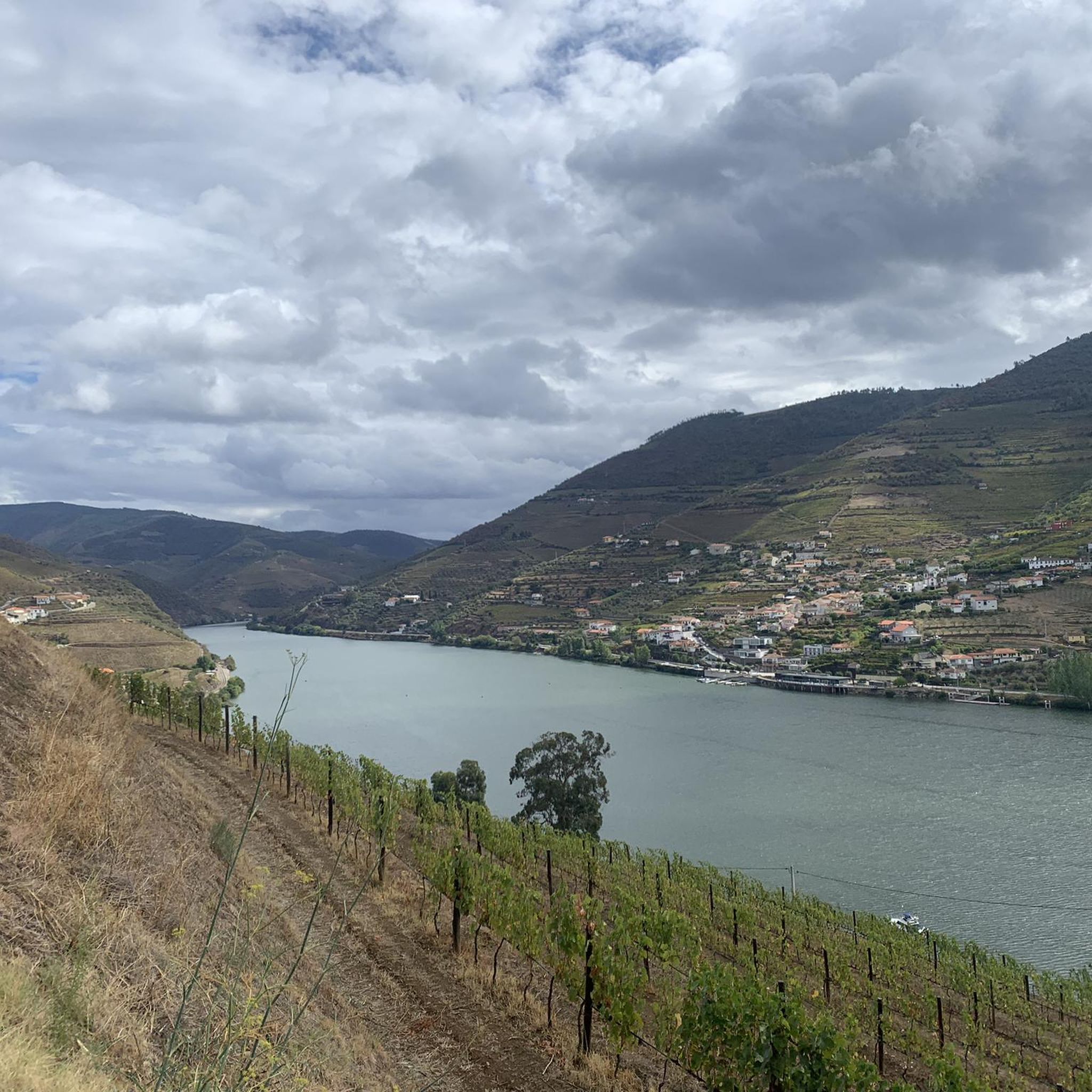
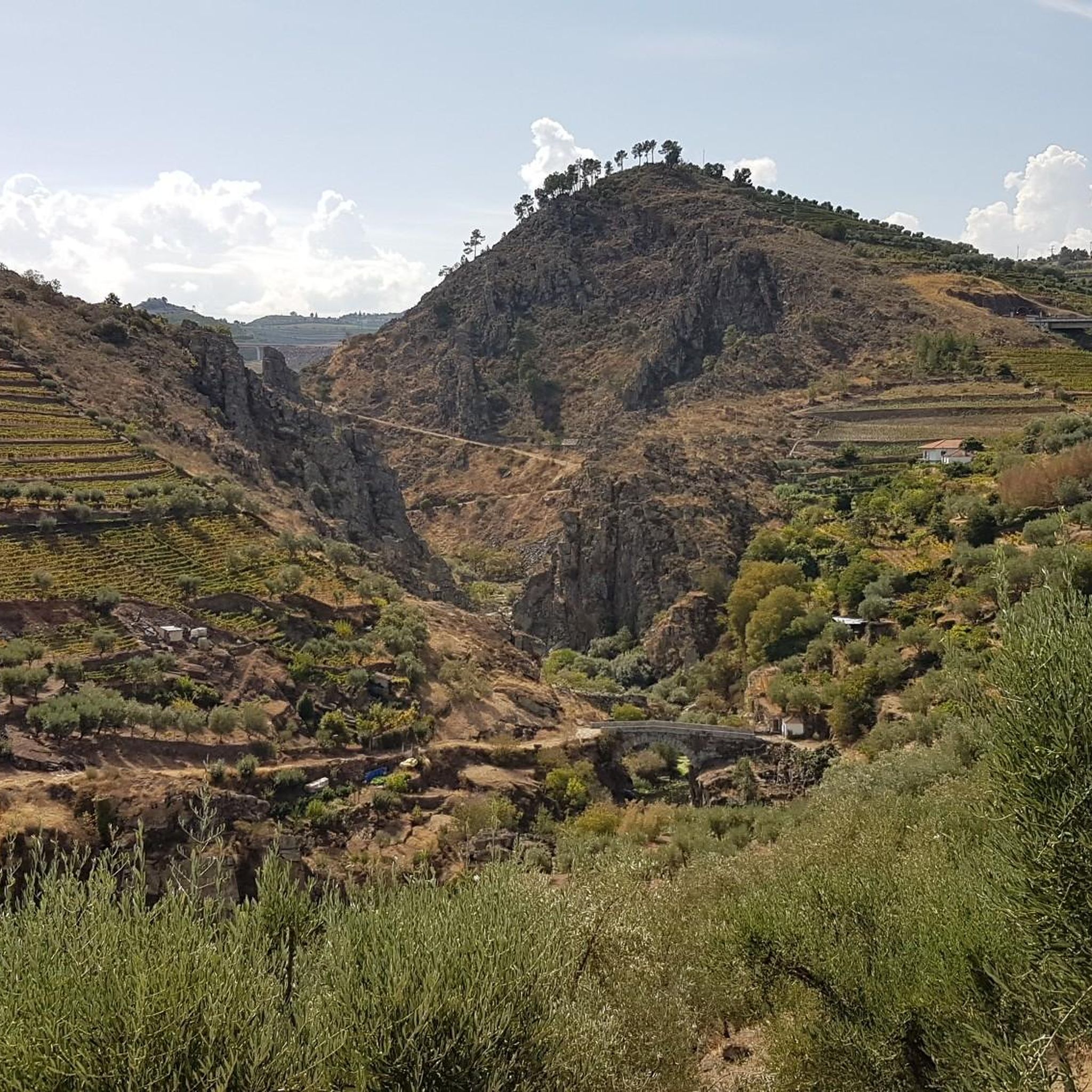
Hiking around Armamar, nestled in Portugal's Douro Valley, offers diverse landscapes characterized by dramatic terraced vineyards, rolling hills, and river valleys. The region features granite soils, pine forests, and extensive groves and orchards, with the backdrop of the Serra do Marão. Numerous trails follow tranquil rivers like the Tedo and Varosa, providing varied terrain for outdoor exploration.
Best hiking trails around Armamar
- The most popular hiking route is Marco Pombalino – View of the Douro Valley loop from Covelinhas,…
Last updated: May 28, 2026
4.5
(45)
147
hikers
13.4km
04:22
590m
590m
Moderate hike. Good fitness required. Easily-accessible paths. Suitable for all skill levels.
4.3
(7)
36
hikers
Easy hike. Great for any fitness level. Easily-accessible paths. Suitable for all skill levels.

Sign up for free
3.1
(9)
23
hikers
11.0km
03:09
250m
250m
Moderate hike. Good fitness required. Easily-accessible paths. Suitable for all skill levels.
3.0
(1)
12
hikers
8.60km
03:08
540m
530m
Moderate hike. Good fitness required. Easily-accessible paths. Suitable for all skill levels.
4.6
(7)
21
hikers
7.44km
02:14
210m
210m
Moderate hike. Good fitness required. Mostly accessible paths. Sure-footedness required.
Get access to more routes and recommendations from other explorers.
Sign up for free
Already have an account?
Our route recommendations are based on thousands of hikes, rides, and runs completed by other people on komoot.
Start today with a free account
Your next adventure awaits.
Login or Signup

Tips from the Community

Particularly from the terrace of the nice restaurant, there are beautiful views of the Douro River, the village of Covelinhas and the village of Folgosa lying on the slope on the other side of the river.
1
0

The São Leonardo de Galafura viewpoint is one of the most emblematic and beautiful observation points in the Douro Valley, Portugal. Located at the highest point of Monte de São Leonardo, in the parish of Galafura, it offers an unparalleled view over the Douro landscape, classified as a World Heritage Site by UNESCO. Highlights and Information Panoramic View: From the viewpoint, it is possible to see the confluence of the Pêgo River with the Douro River in a curve that resembles a comma, a beautiful spot and perfect for watching an unforgettable sunset. Poetic Inspiration: The place served as inspiration for the Portuguese writer Miguel Torga, who described it poetically, highlighting the "excess of nature" in the landscape. Chapel: At the highest point of the viewpoint is the Chapel of São Leonardo, which complements the natural and historical scenery of the place. Activities: The area is suitable for hiking, and there are trails nearby that can be explored, such as those listed on Wikiloc. Location Address: Estrada São Leonardo - Galafura, Peso da Régua, 5050-044 Portugal. Access: Access is by road, and the viewpoint is a common stopping point on tours and excursions through the Douro region. For more details about the region and other attractions, you can consult the Douro Itinerary.
2
0

The parking area for motorhomes directly on the Douro River
1
0

The station is so run-down that it's almost in working order again. Old railway vehicles (burned-out steam locomotives and old wagons) are scattered around the large grounds. There are also many disused tracks, including turntables. At the end of the station, the former storage sheds have been converted into wine shops and restaurants.
2
0
A worthwhile museum, which scores points despite/or because of its very minimalist presentation of the subject matter. At the end, enjoy a port wine on the terrace of the museum's café.
1
0

A magnificent building with a beautiful courtyard. Unfortunately, I couldn't see the inside.
1
0
The Casa do Douro was established in 1932 as the Douro Winemakers' Union Federation. Its headquarters, dating from 1944, with its exterior clad in polished granite, was designed by Portuguese architect José Porto. Inside, noteworthy are the stained-glass window by painter Lino António and the grand hall, with three central crystal chandeliers, shaped like clusters and weighing over a ton, as well as the Pombaline marker identified with the number 1. When the Douro region was first demarcated, 331 granite markers were placed. The Pombaline markers (so named because the demarcation was designed by the Marquis of Pombal) are all different and share the word Feitoria (vinho de feitoria, synonymous with better-quality wine) and the year (1758 or 1761). At the time, wines were classified according to their quality and destination. The best wine, known as Vinho de Feitoria, was sent to England; Vinho de Embarque was exported to Brazil; and Vinho de Ramo was sold in Portugal. The stained glass window of the Casa do Douro, by painter Lino António, encapsulates the entire dynamic of the Douro Demarcated Region. It covers an area of 50m2 and forms a triptych. In the center panel, we see three large figures. The central figure represents the Casa do Douro and holds a scroll that reads "... Casa do Douro, decree 21,883, November 1932." This means that the government, through the aforementioned Decree-Law, created the Union Federation of Winegrowers of the Douro Region in November 1932, now known as Casa do Douro.
1
0

The Casa do Douro was founded in 1932 as a cooperative association of Douro winegrowers. This house, built in 1944, is the original home.
3
0
Frequently Asked Questions
How many hiking trails are available in Armamar?
Armamar offers a diverse network of over 9 hiking trails, catering to various skill levels. These routes traverse the region's unique landscapes, from terraced vineyards to tranquil river valleys.
Are there any easy hiking trails suitable for families in Armamar?
Yes, Armamar has several easy trails perfect for families. For instance, the Régua and the Douro River – Régua Riverside Promenade loop from Peso da Régua is an easy 3.5 km path that follows the riverside, offering accessible walking. The region research also mentions the PR1AMM - Quinta do Tedo, an easy 2.7 km route through vineyards, suitable even for small children.
What kind of landscapes can I expect to see while hiking in Armamar?
Hiking in Armamar immerses you in the stunning Douro Valley, a UNESCO World Heritage site. You'll encounter dramatic terraced vineyards, rolling hills, and river valleys alongside tranquil rivers like the Tedo and Varosa. The landscape features granite soils, gorse, broom, pine forests, and extensive groves and orchards, with the majestic Serra do Marão often in the backdrop.
Are there any circular hiking routes in Armamar?
Yes, many of Armamar's trails are circular, allowing you to start and end at the same point. A popular option is the Marco Pombalino – View of the Douro Valley loop from Covelinhas, a moderate 13.4 km route offering expansive views. Another is the Officers' Mess – Cave Formation loop from Lamego, an 11 km trail through varied terrain.
Can I find trails that offer panoramic views of the Douro Valley?
Absolutely. Armamar is renowned for its breathtaking viewpoints. Trails often lead to or pass by spots like the Misarela Viewpoint, offering immense views of the Douro Valley and the Serra do Marão. The View of the Douro Valley loop from Galafura e Covelinhas is a great example of a route designed to showcase these vistas.
Are there any historical or cultural sites to explore along the trails?
Yes, Armamar's trails often weave through areas rich in history and culture. You might encounter sites like the Romanesque Mother Church of São Miguel, medieval vestiges, necropolises, and ancient stone bridges. The region also has a strong religious heritage, with numerous chapels, such as those at Nossa Senhora da Graça and Nossa Senhora da Saúde viewpoints, offering both history and stunning views. You can also explore the Marco Pombalino, a historical monument.
What is the best time of year to go hiking in Armamar?
The Douro Valley, where Armamar is located, transforms with the seasons. Spring (April-May) offers lush greenery and blooming orchards, while autumn (September-October) brings vibrant colors to the vineyards during harvest season. Both seasons generally provide pleasant temperatures for hiking. Summer can be hot, especially in July and August, while winter offers a different, often quieter, beauty.
Are there options for more challenging or longer hikes in the region?
Yes, for those seeking a greater challenge, Armamar offers more demanding routes. The region research mentions the PR2 AMM TRC - Douro e Cister, a difficult 28 km point-to-point trail, and the PR7 AMM TRC LMG - Trilho da Maçã e do Vinho (Apple and Wine Trail), a difficult 26.2 km loop. These trails provide longer distances and more significant elevation changes.
Is Armamar a good destination for dog-friendly hikes?
While specific dog-friendly regulations can vary by trail or protected area, many natural trails in Armamar's diverse landscapes, particularly those away from highly cultivated areas or private vineyards, are generally suitable for hiking with dogs, provided they are kept under control. Always check local signage and respect wildlife and agricultural land.
How can I access hiking trails in Armamar using public transport?
Access to some trailheads in Armamar can be achieved via regional bus services, though coverage may be limited, especially for more remote routes. For trails starting closer to towns like Peso da Régua or Lamego, public transport might be more readily available. It's advisable to check local bus schedules in advance, as some routes may require a car for convenient access to the starting points.
Are there any trails that follow rivers or have water features?
Yes, Armamar boasts several routes that wind alongside tranquil rivers. The region research highlights the 'Caminho do Rio Varosa,' a captivating path that follows the pristine Varosa River, showcasing lush vegetation and historical landmarks. You can also find routes near the Tedo River, offering a refreshing experience with water features. The Régua and the Douro River is a prominent natural feature in the area.
What do other hikers say about their experience in Armamar?
The hiking routes in Armamar are highly rated by the komoot community, with an average score of 3.9 stars from over 110 reviews. Hikers often praise the stunning views of the Douro Valley, the peaceful atmosphere of the vineyards, and the variety of terrain. Many appreciate the well-maintained paths and the opportunity to explore both natural beauty and cultural heritage.
Are there any trails that pass through vineyards or orchards?
Absolutely. Armamar is famous for its vineyards and is known as the 'Mountain Apple Capital.' Many trails, such as the 'Rota dos Vinhos' and the 'Trilho da Maçã e do Vinho' (Apple and Wine Trail), wind directly through these agricultural landscapes. You'll experience the unique terraced vineyards and extensive orchards, especially those of centuries-old fruit trees.
Most popular routes around Armamar
Most popular attractions around Armamar

Get inspired with the komoot mobile app


Explore more
Browse the best Hikes in other regions.
