Attractions and Places To See around Coura - Top 10
Best attractions and places to see around Coura include a blend of historical sites, cultural experiences, and natural landscapes. This civil parish in northern Portugal is characterized by lush vegetation, meandering rivers, and mountain ranges. The region offers opportunities to explore historical centers, museums, and significant natural features. Visitors can find a variety of outdoor activities and cultural points of interest.
Best attractions and places to see around Coura
- The most popular attraction is Saint Leonardo of Galafura Viewpoint,…
Last updated: May 21, 2026
Marco Pombalino
Highlight • Monument
That “demarcation” had some …
Tip by

Saint Leonardo of Galafura Viewpoint
Highlight • Viewpoint
Translated by Google •
Tip by

Sign up now to discover places like this
Get recommendations on the best single tracks, peaks, & plenty of other exciting outdoor places.
Sign up for free
Ucanha Tower and Bridge
Highlight • Bridge
Translated by Google •
Tip by

Above the Varosa River Gorge
Highlight • Viewpoint
Translated by Google •
Tip by

Hall of the Devil's Audiences
Highlight • Gorge
Translated by Google •
Tip by
Sign up for free to discover even more attractions around Coura.
Sign up for free
Already have an account?
Start today with a free account
Your next adventure awaits.
Login or Signup


Tips from the Community


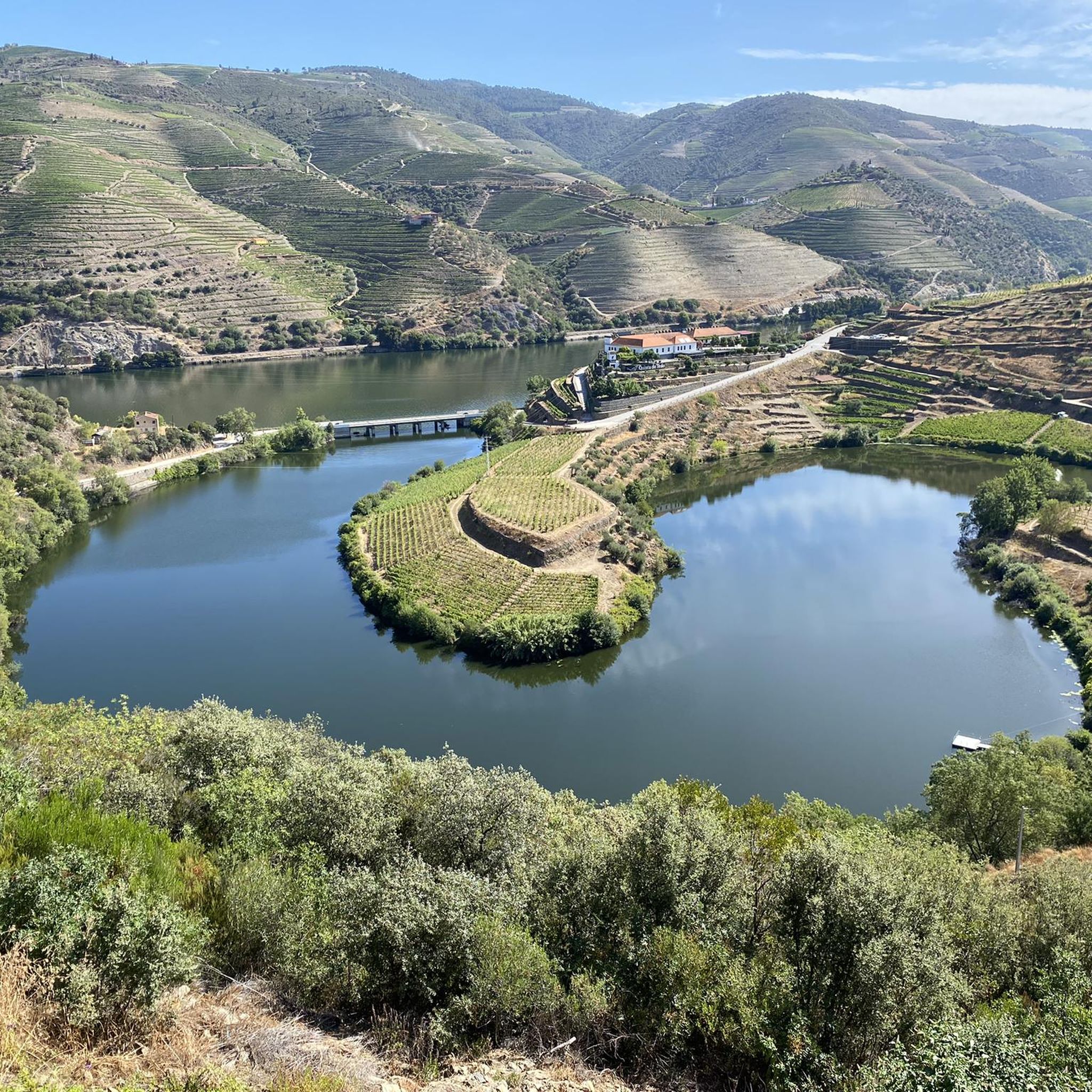
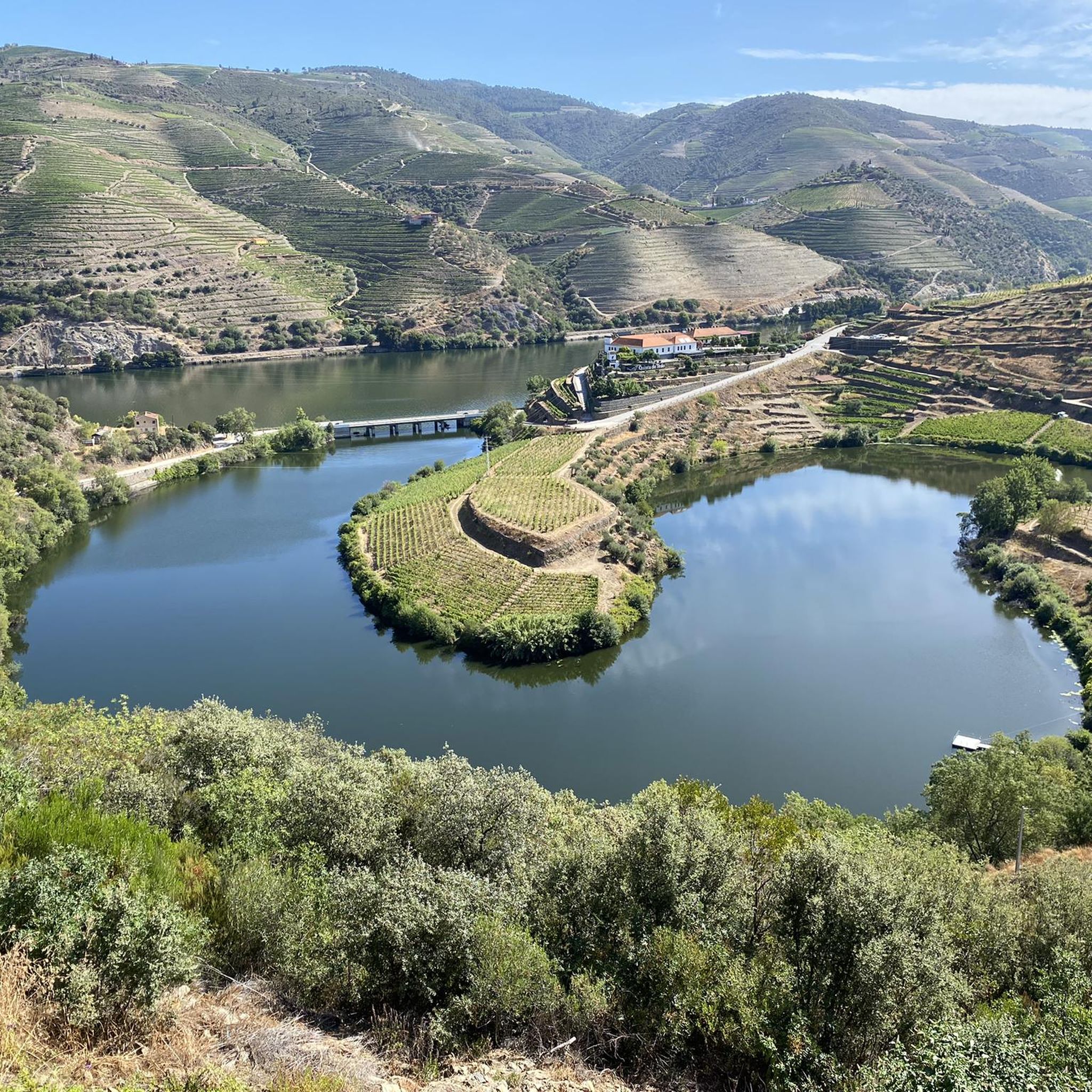
The São Leonardo de Galafura viewpoint is one of the most emblematic and beautiful observation points in the Douro Valley, Portugal. Located at the highest point of Monte de São Leonardo, in the parish of Galafura, it offers an unparalleled view over the Douro landscape, classified as a World Heritage Site by UNESCO. Highlights and Information Panoramic View: From the viewpoint, it is possible to see the confluence of the Pêgo River with the Douro River in a curve that resembles a comma, a beautiful spot and perfect for watching an unforgettable sunset. Poetic Inspiration: The place served as inspiration for the Portuguese writer Miguel Torga, who described it poetically, highlighting the "excess of nature" in the landscape. Chapel: At the highest point of the viewpoint is the Chapel of São Leonardo, which complements the natural and historical scenery of the place. Activities: The area is suitable for hiking, and there are trails nearby that can be explored, such as those listed on Wikiloc. Location Address: Estrada São Leonardo - Galafura, Peso da Régua, 5050-044 Portugal. Access: Access is by road, and the viewpoint is a common stopping point on tours and excursions through the Douro region. For more details about the region and other attractions, you can consult the Douro Itinerary.
2
0

A charming village with a typically medieval feel, the town still consists of a small, romantic line of houses stretching along a narrow path, Rua Principal, Rua Direita, or simply Rua, since it is the only street in the village. Winemaking, particularly elderberry, a strong presence in the village, continues to be the main source of livelihood. The village's two landmarks stand proudly at the entrance to the old Couto de Salzedas. They are the Tower and the Ucanha Bridge, two rare gems of the Douro Heritage. Some scholars suggest that the Ucanha Bridge, a National Monument, was built on an earlier Roman structure, while others suggest that it already existed in the 12th century. In any case, the current structure, in Gothic style, was built in the 15th century. Next to it stands a robust, square-shaped tower, formerly intended not only to guard the entrance to Couto de Salzedas, but also to allow the collection of tolls to which the Monastery was entitled.
1
0


From the wooden viewpoint, the view is breathtaking: down below, the Varosa River tears through the rock, passing under the enigmatic Devil's Bridge, surrounded by terraces that climb the slopes. Here, the walkways are your allies, as they soften a trail that would otherwise be a pure technical challenge, full of loose rocks and tight bends. A treat for those who enjoy running with excitement and scenery in between.
1
0

after visiting the nearby restaurant
2
1

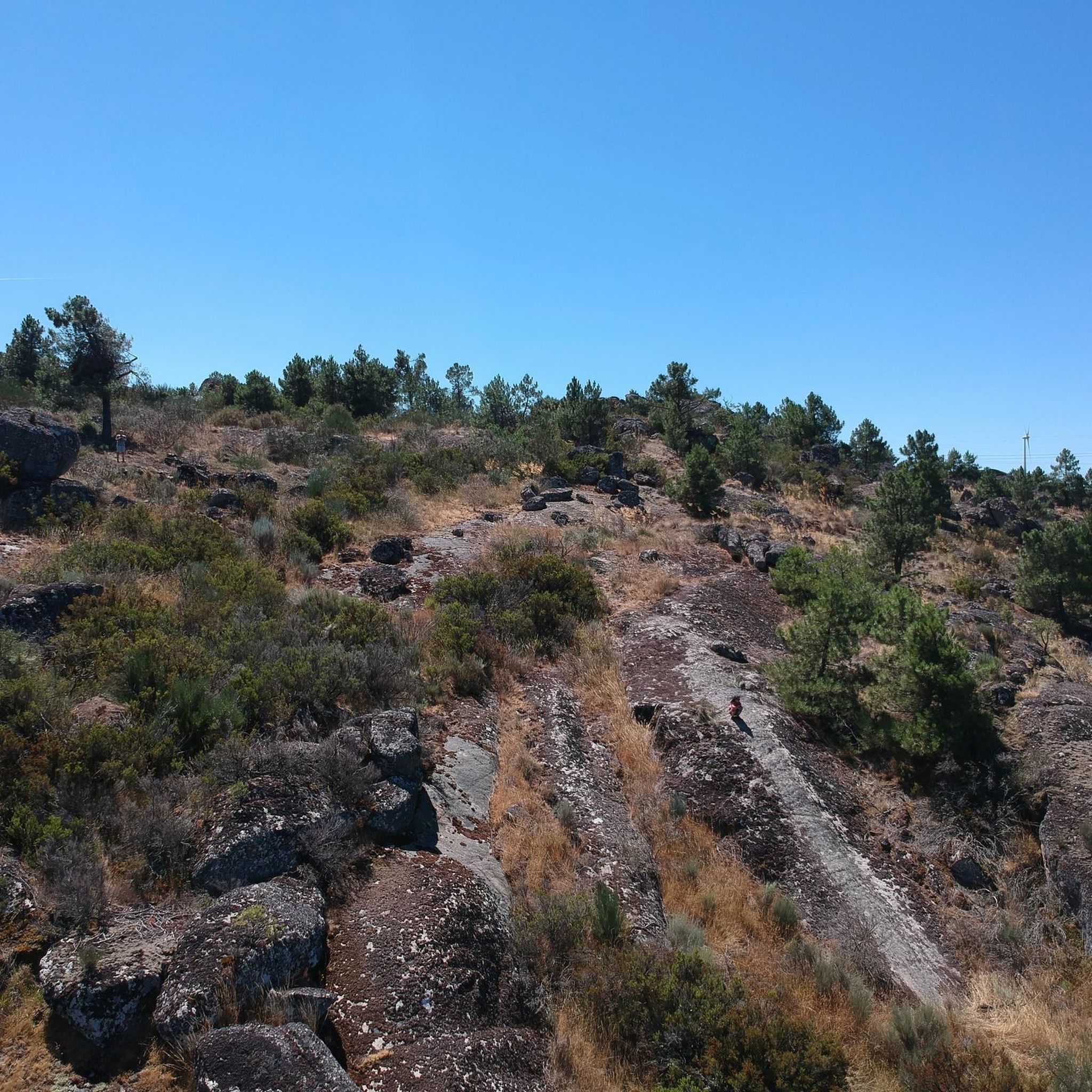
DOC (Denominação de Origem Controlada): Wines that are born in the oldest demarked regions of wine and, therefore, controled by law (ground caracteristics, castes, winemaking, bootleling). That “demarcation” had some twists, torns and stones... Well... cornerstones, named “Marcos Pombalinos”... The duck will scrutinize it 😉 1675 - “Vinho do Porto” comes for the first time with exportation to the Netherlands; 1703 – preferentional rights for Portuguese wines to England. The English were getting out of Bordeux, because the French king was taxing to much the wines... 1756 – English were “crazy” with “Port”. Climate of euphoria degenerates into adulteration and commercial chaos. With this, very important and knowledgeable people, propose to the future Marquês de Pombal, (thats the reason for the names given to the cornerstones, “Marcos Pombalinos”) the birth of one institution that could control the quality, prices and phisically establish the DOC (with the cornerstones); 1757 – placement of 201 “marcos”, cornerstones, for the first demarcation of the land; 1761 – upgrade of the DOC, adding 134 cornerstones; 1792 – opennig of “Cachão da Valeira”. Before that, the boats could only travel “so far”. With that openning/enlargement of Douro river, the “Superior” Douro was now accessible by boat. But the expantion of the vineyards at Douro Superior only began in the 19th century; 1850 to 1893 – the Valley was whipped by many diseases (maromba, oídio, filoxera, míldio...); 1907 – the last demarcation of DOC, now including “Douro Superior”, upstream from “Cachão da Valeira”, till the border with Spain
2
0

Wonderful view of the small gorge of the Rio Varosa with the Devil's Bridge and the surrounding terraced vines
0
0
Frequently Asked Questions
What historical sites can I explore in Coura?
Coura and its surroundings offer a rich history. You can wander through the Paredes de Coura Historical Center with its charming old buildings. Don't miss the Marco Pombalino, a significant man-made monument that historically demarcated the Douro wine region. Another notable site is the Ucanha Tower and Bridge, a rare example of civil Gothic architecture that once guarded the entrance to Couto de Salzedas and collected tolls. The Paredes de Coura Museum, housed in an 18th-century building, also showcases the region's heritage.
Where can I find the best panoramic views in the Coura area?
For breathtaking panoramic views, visit the Saint Leonardo of Galafura Viewpoint, which offers unparalleled vistas over the Douro landscape, a UNESCO World Heritage Site. Other impressive viewpoints include Penedo do Milho Viewpoint and Our Lady of Pena Viewpoint, both providing scenic outlooks over the Coura Valley. Additionally, the Miradouro do Cervo is considered a top tourist attraction for its views.
Are there any natural attractions or outdoor spaces to visit in Coura?
Yes, Coura is rich in natural beauty. The Corno do Bico Protected Landscape is an excellent green space for outdoor exploration, known for its biodiversity and hiking trails. You can also enjoy the Praia Fluvial do Taboão (Taboão River Beach) along the Coura River, perfect for swimming in natural pools or riverside walks. The region also features several hiking trails leading to hidden waterfalls, such as Cascata das Lages Altas. Don't miss the dramatic Above the Varosa River Gorge viewpoint or the impressive Hall of the Devil's Audiences with its bizarre rock formations.
What kind of hiking trails are available near Coura?
The Coura area offers a variety of hiking trails, especially within the Corno do Bico Protected Landscape, known for its rich biodiversity. Many trails lead to scenic spots like waterfalls, such as Cascata das Lages Altas, and viewpoints like Penedo do Milho. For more structured routes, you can explore the running trails around Coura, which include options like the 'Estrada Romana loop from Gouviães e Ucanha' (13.3 km, difficult) or the 'Praia Fluvial do Varosa loop from Gouviães e Ucanha' (13.4 km, moderate).
Are there cycling or mountain biking opportunities around Coura?
Absolutely. Coura and its surroundings are great for cycling and mountain biking. You can find various routes catering to different skill levels. For mountain biking, check out the MTB Trails around Coura, which include options like the 'Mountainbike loop from Adorigo' (28 km, moderate) or the 'Aldeias Church loop from Armamar' (17.4 km, easy). If you prefer road cycling, the Cycling around Coura guide offers routes such as the 'Régua Pedestrian Bridge – Douro Valley loop from Cais de Foz do Távora' (40 km, moderate).
What cultural experiences can I have in Coura?
Coura provides several cultural experiences. The Paredes de Coura Museum offers insights into the region's history, linen production, agriculture, and archaeology. The Largo 5 de Outubro and the Paredes de Coura Cultural Center is a hub for art shows and cultural activities. You can also visit significant religious sites like the Main Church of Paredes de Coura and the Church of the Holy Spirit.
Are there any family-friendly attractions in Coura?
Many attractions in Coura are suitable for families. The Praia Fluvial do Taboão offers a safe and pleasant environment for swimming and picnicking. Exploring the Paredes de Coura Historical Center can be an engaging walk for all ages. Additionally, the Saint Leonardo of Galafura Viewpoint is considered family-friendly, offering beautiful views that everyone can enjoy.
What is the best time to visit Coura?
Coura offers different experiences depending on the season. If you're interested in the renowned Paredes de Coura Festival, plan your visit for August. For outdoor activities like hiking and enjoying the river beaches, the warmer months are ideal. The lush vegetation and natural landscapes are beautiful throughout spring and summer.
Can I find places for wild swimming near Coura?
Yes, the Praia Fluvial do Taboão, situated along the Coura River, is a popular spot for wild swimming in natural pools. It's a peaceful green space where you can relax by the riverside and enjoy the water.
What do visitors enjoy most about the attractions around Coura?
Visitors particularly enjoy the stunning panoramic views, especially from spots like the Saint Leonardo of Galafura Viewpoint, which offers inspiring vistas of the Douro wine region. The historical significance of sites like the Marco Pombalino and the medieval architecture of the Ucanha Tower and Bridge are also highly appreciated. The natural beauty of the gorges and rivers, such as the Varosa River Gorge, also receives positive feedback for its breathtaking scenery.
Are there any less crowded attractions or hidden gems in the Coura area?
While popular spots can attract visitors, exploring the smaller historical points of interest like Largo Visconde de Mozelos, the Old Jail, and the Pillory of Paredes de Coura can offer a quieter glimpse into the town's past. The Mill of the Pavement near Parada is another point of interest that might be less frequented. Venturing into the less-traveled hiking trails within the Corno do Bico Protected Landscape can also lead to serene discoveries.
Most popular routes around Coura

Get inspired with the komoot mobile app


Explore more
Still not found the Highlight you’re looking for? See guides of the top attractions in other regions:
