Attractions and Places To See around Vila Seca e Santo Adrião e Santo Adrião e Santo Adrião - Top 20
Attractions and places to see around Vila Seca e Santo Adrião e Santo Adrião e Santo Adrião are situated within the heart of the Douro wine region, offering a blend of historical sites and natural beauty. This Portuguese civil parish is known for its viticultural heritage and mountainous slopes covered in vineyards. The area features archaeological vestiges, significant landmarks, and the scenic Douro River. It provides opportunities for exploring cultural sites and enjoying the natural landscape.
Best attractions and places…
Last updated: July 1, 2026
Pinhão Railway Station
Highlight • Monument
Translated by Google •
Tip by

Marco Pombalino
Highlight • Monument
That “demarcation” had some …
Tip by

Sign up now to discover places like this
Get recommendations on the best single tracks, peaks, & plenty of other exciting outdoor places.
Sign up for free
Régua Pedestrian Bridge
Highlight • Bridge
Translated by Google •
Tip by
Casa do Douro (House of the Douro)
Highlight • Monument
Translated by Google •
Tip by

Régua and the Douro River
Highlight • River
Translated by Google •
Tip by

Sign up for free to discover even more attractions around Vila Seca e Santo Adrião e Santo Adrião e Santo Adrião.
Sign up for free
Already have an account?
Start today with a free account
Your next adventure awaits.
Login or Signup
Popular around Vila Seca e Santo Adrião e Santo Adrião e Santo Adrião
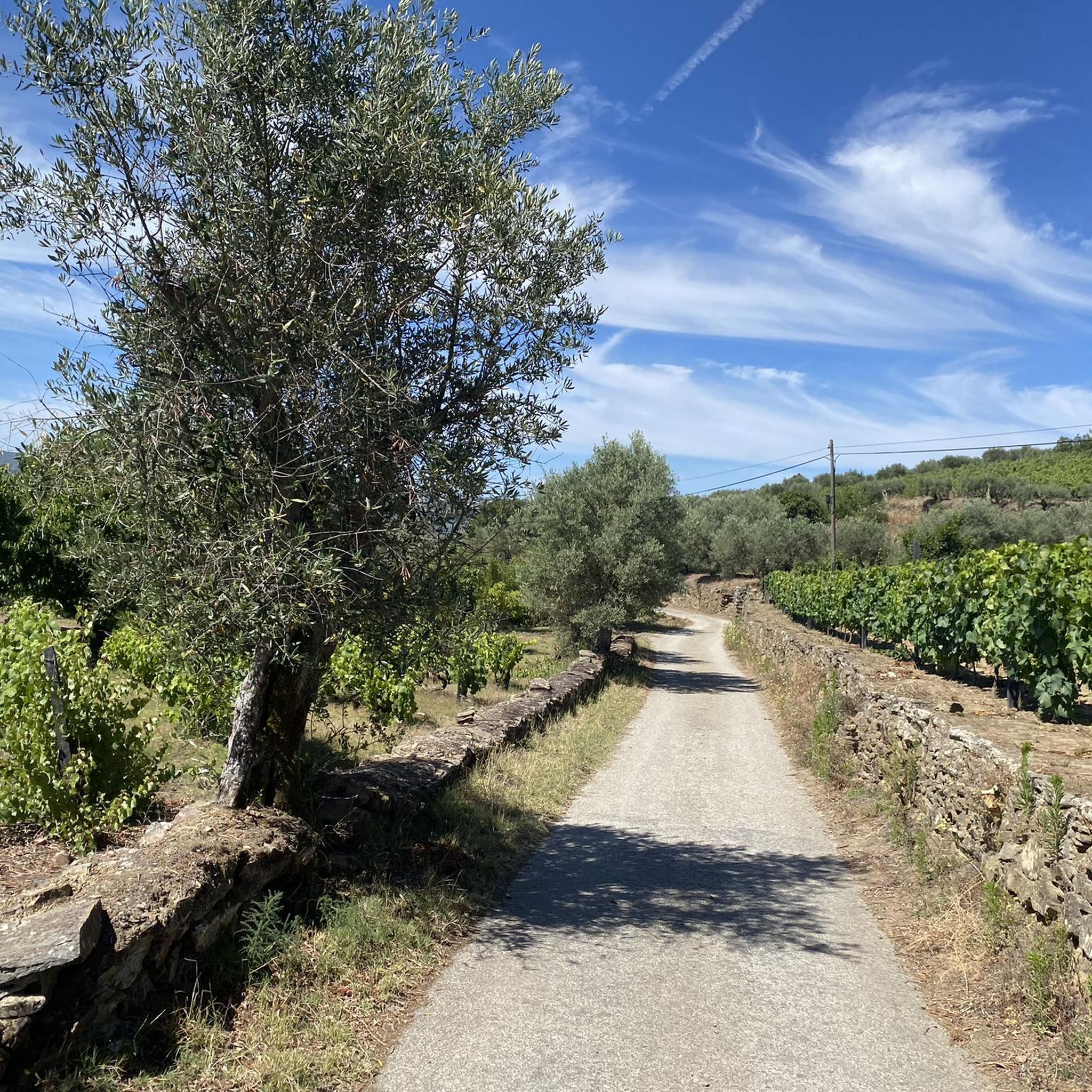
Hiking around Vila Seca e Santo Adrião e Santo Adrião e Santo Adrião
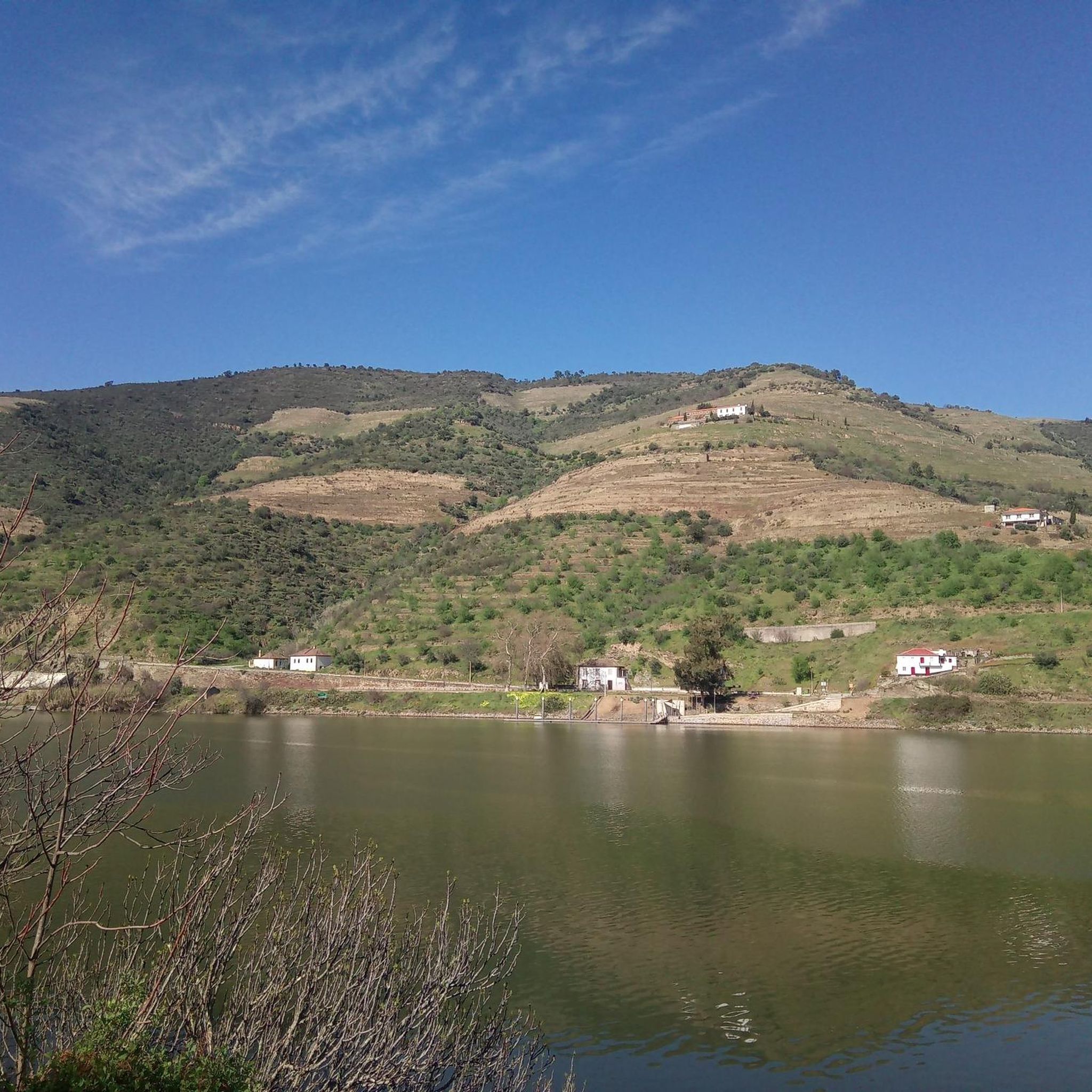
Cycling around Vila Seca e Santo Adrião e Santo Adrião e Santo Adrião
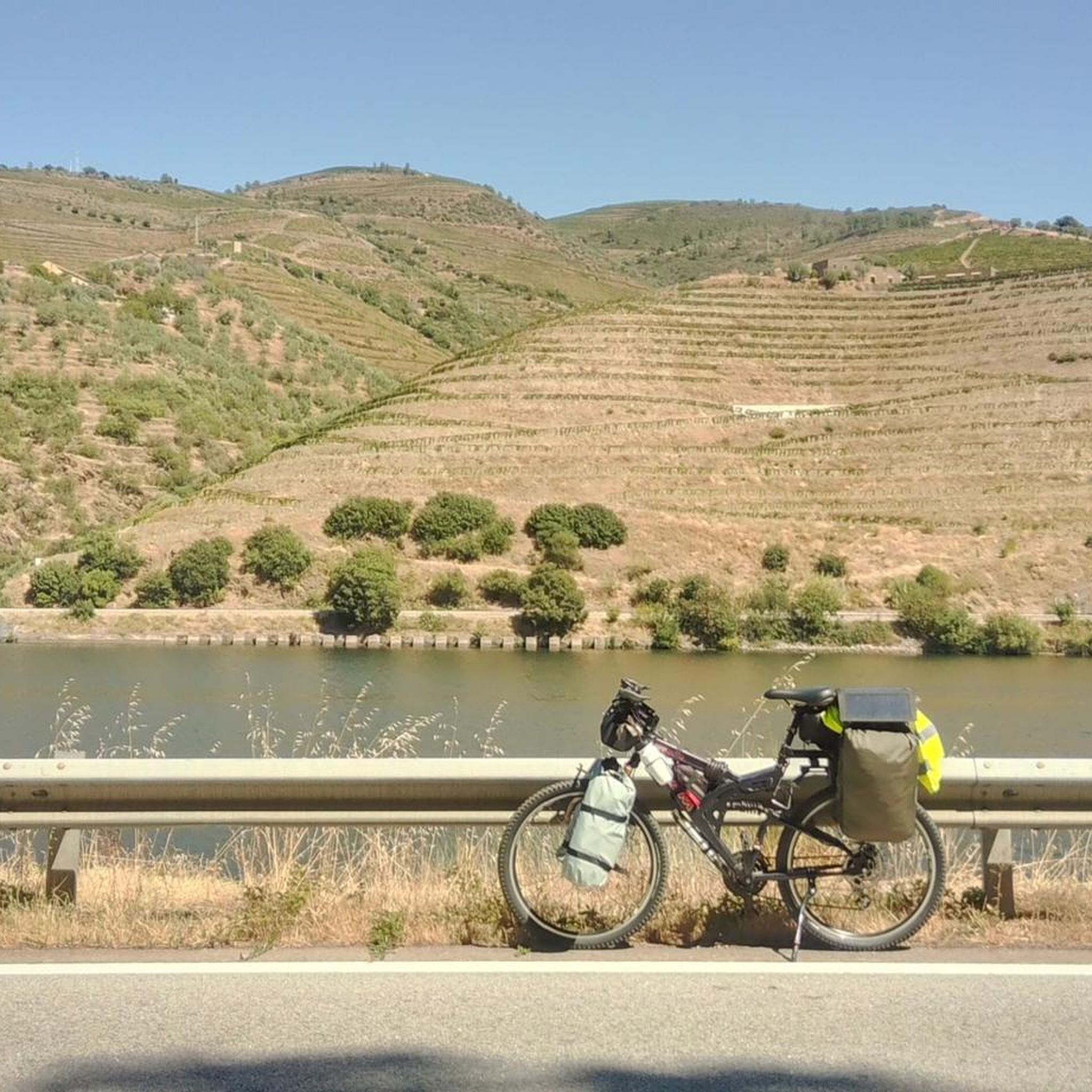
Road Cycling Routes around Vila Seca e Santo Adrião e Santo Adrião e Santo Adrião
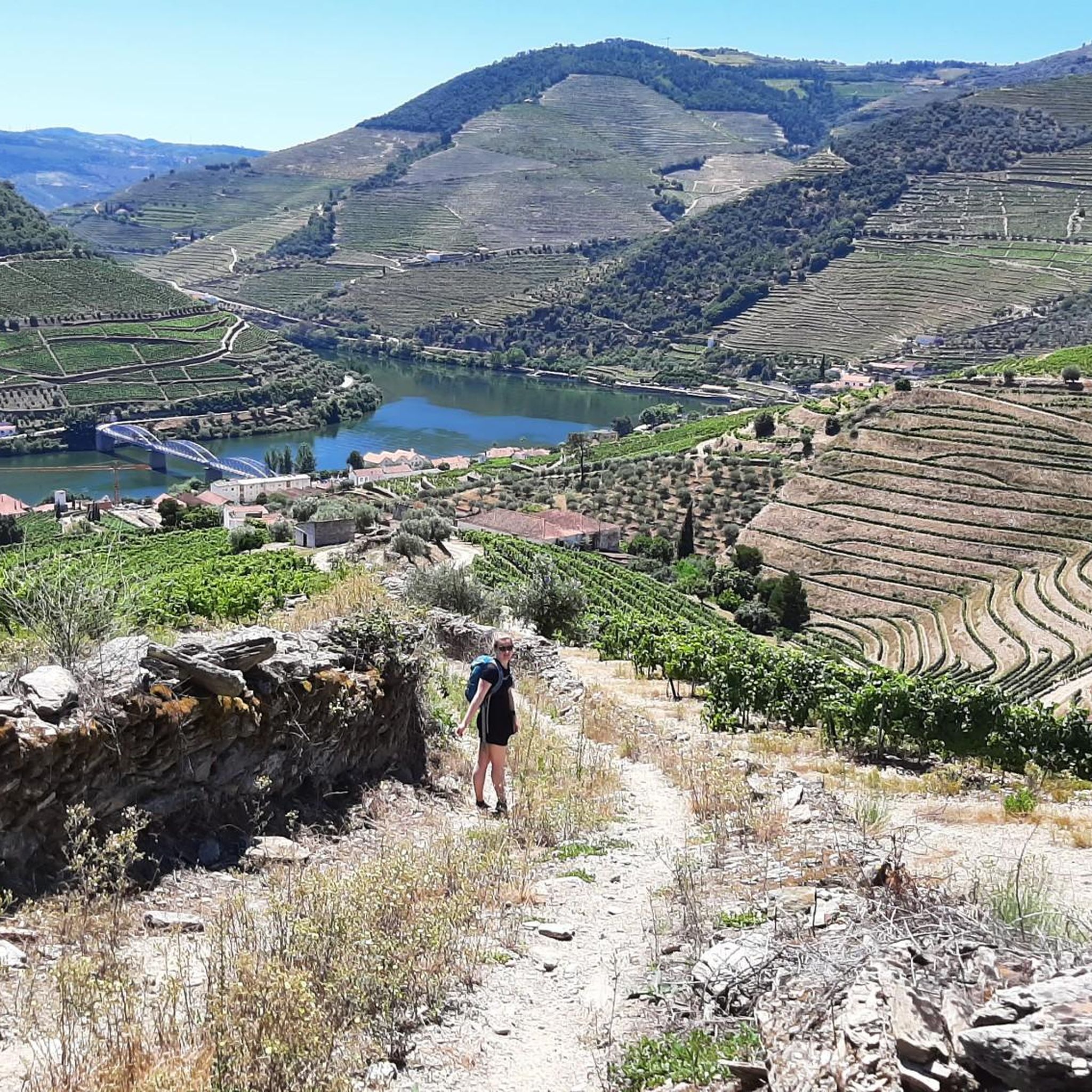
Running Trails around Vila Seca e Santo Adrião e Santo Adrião e Santo Adrião
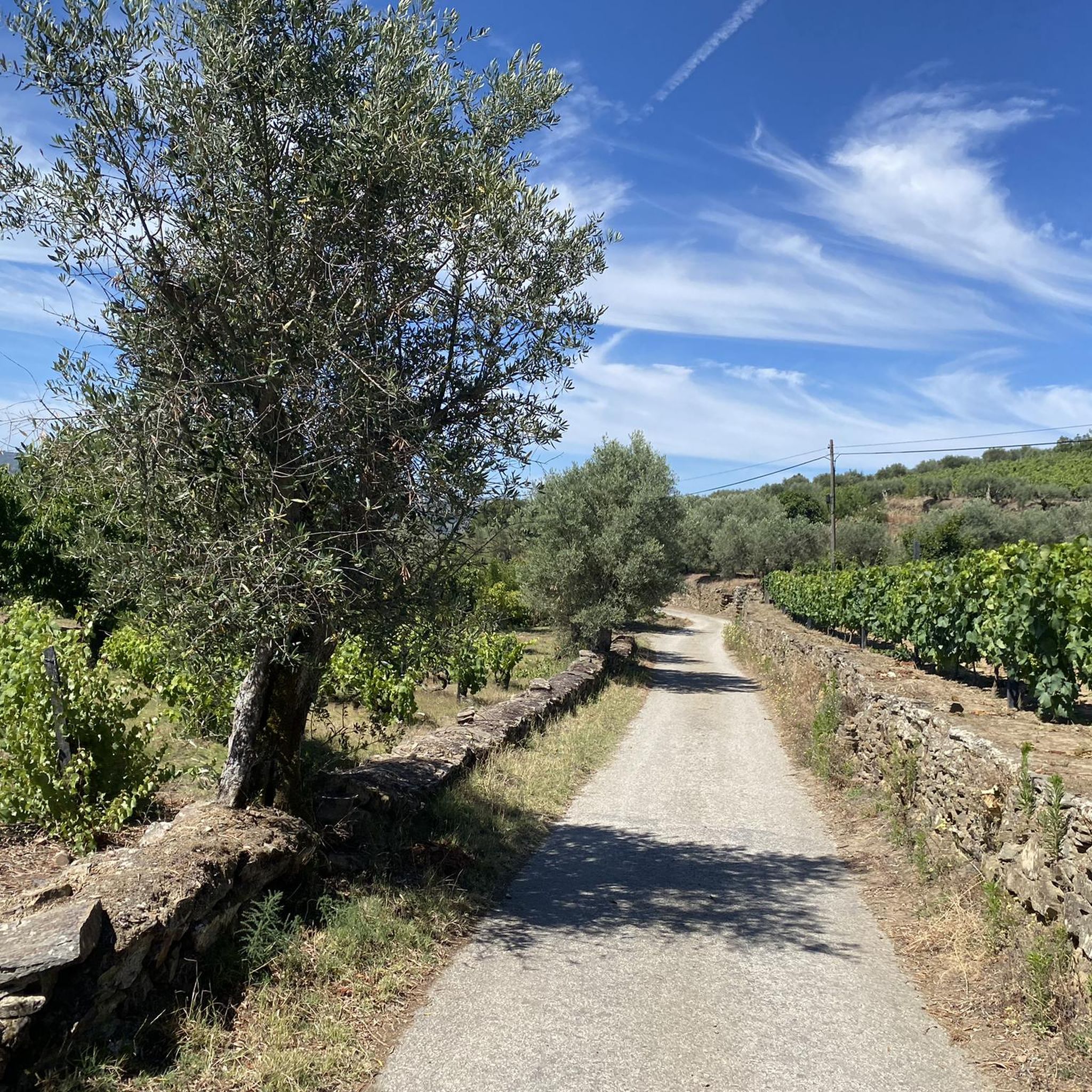
MTB Trails around Vila Seca e Santo Adrião e Santo Adrião e Santo Adrião
Tips from the Community

The bridge is really well-made. The view from the bridge is beautiful, even though there's still a lot that could be done with the buildings at the end.
2
0

The regional motifs are simply beautiful. You should take some time to enjoy them.
7
0
Great station with its azulejos. If you're staying at a hotel on the hill, it's best to book a taxi in advance. Otherwise, it can be difficult during peak season.
6
0

The Casa do Douro was established in 1932 as the Douro Winemakers' Union Federation. Its headquarters, dating from 1944, with its exterior clad in polished granite, was designed by Portuguese architect José Porto. Inside, noteworthy are the stained-glass window by painter Lino António and the grand hall, with three central crystal chandeliers, shaped like clusters and weighing over a ton, as well as the Pombaline marker identified with the number 1. When the Douro region was first demarcated, 331 granite markers were placed. The Pombaline markers (so named because the demarcation was designed by the Marquis of Pombal) are all different and share the word Feitoria (vinho de feitoria, synonymous with better-quality wine) and the year (1758 or 1761). At the time, wines were classified according to their quality and destination. The best wine, known as Vinho de Feitoria, was sent to England; Vinho de Embarque was exported to Brazil; and Vinho de Ramo was sold in Portugal. The stained glass window of the Casa do Douro, by painter Lino António, encapsulates the entire dynamic of the Douro Demarcated Region. It covers an area of 50m2 and forms a triptych. In the center panel, we see three large figures. The central figure represents the Casa do Douro and holds a scroll that reads "... Casa do Douro, decree 21,883, November 1932." This means that the government, through the aforementioned Decree-Law, created the Union Federation of Winegrowers of the Douro Region in November 1932, now known as Casa do Douro.
1
0

The Casa do Douro was founded in 1932 as a cooperative association of Douro winegrowers. This house, built in 1944, is the original home.
3
0

Thank you for sharing the spectacular photos.👍
0
0


Very nice stopover on the Linha do Douro to Pocinho. You can do the route in one day and include a longer stopover in Pinhao.
6
0
Frequently Asked Questions
What historical landmarks can I explore in Vila Seca e Santo Adrião?
The region is rich in history. You can visit the Ponte Romana, a bridge with medieval and potentially Roman foundations, and the Capela de Nossa Senhora das Neves in Vila Seca, known for its ornate ceiling and valuable images. Don't miss the Marcos Pombalinos, granite pillars like Marco Pombalino, which historically demarcated the Douro wine region and are classified as National Monuments.
Where can I learn about the Douro wine region's history and culture?
For a deep dive into the region's viticultural heritage, visit the Casa do Douro (House of the Douro). This institution provides insights into the history of Port wine and the demarcation of the Douro region. Additionally, the Pinhão Railway Station, though not directly in Vila Seca e Santo Adrião, is a must-see for its magnificent *azulejos* depicting the wine-making process.
What natural attractions and viewpoints are there in the area?
The region is nestled within the stunning Douro Valley Vineyards, a UNESCO World Heritage site. You can enjoy breathtaking views of the Douro River and its terraced vineyards. Nearby viewpoints like Misarela, Fraga da Pena, and those associated with the Chapels of Nossa Senhora da Graça and Nossa Senhora da Saúde offer panoramic vistas of the landscape.
What outdoor activities are available near Vila Seca e Santo Adrião?
The mountainous slopes covered in vineyards provide excellent opportunities for outdoor enthusiasts. You can enjoy hiking and cycling through the scenic landscapes. The region is also ideal for wine tourism, with many estates offering tours and tastings. For specific routes, explore the Cycling and Road Cycling Routes guides for the area.
Are there specific routes for running in the region?
Yes, there are several running trails available. For example, you can find routes like the 'View of the Douro River loop from Pinhão' or 'Running loop from Armamar'. These vary in difficulty from easy to difficult. You can find more details and options in the Running Trails around Vila Seca e Santo Adrião guide.
Are there family-friendly attractions suitable for all ages?
Absolutely! The Régua Pedestrian Bridge is a wide footbridge offering safe passage and great views of the Douro River, perfect for a family stroll. The Pinhão Railway Station with its captivating *azulejos* is also a fascinating visit for all ages. Additionally, exploring Régua and the Douro River provides opportunities for boat trips, which are often enjoyed by families.
What is the best time of year to visit Vila Seca e Santo Adrião?
The region offers different charms throughout the year. Spring (April-May) brings lush greenery and blooming wildflowers, while autumn (September-October) is ideal for experiencing the grape harvest and the vibrant colors of the vineyards. Summer (June-August) is popular for enjoying the rivers and outdoor activities, though it can be warm. The area was historically recommended as a summer retreat due to its good water, fresh air, and green landscapes.
Are there any accessible attractions for visitors with mobility considerations?
Yes, some attractions are noted for their accessibility. The Régua Pedestrian Bridge is wheelchair accessible, offering a smooth path and scenic views. The Pinhão Railway Station is also generally accessible, allowing visitors to admire its famous *azulejos*.
What do visitors particularly enjoy about the attractions here?
Visitors frequently praise the stunning views, especially from the Régua Pedestrian Bridge, which offers panoramic vistas of the Douro River and other bridges. The *azulejos* at the Pinhão Railway Station are consistently highlighted as 'amazing' and 'awesome' for their detailed depiction of the Douro Valley's wine work. The overall connection to the port wine industry and the magnificent location on the Douro River are also highly appreciated.
What archaeological vestiges can be found in the area?
The region has a rich archaeological history. Findings include rock-cut tombs and vestiges of a fortress, likely from the Castro culture. Roman coins and ceramics have also been discovered in various locations, indicating a long history of human settlement. Vila Seca itself was once a municipal seat with a courthouse, town hall, jail, and pillory, reflecting its historical importance.
What is the significance of the Douro River in this region?
The Douro River is a central natural feature and plays a crucial role in the region's identity and economy. It is the lifeblood of the Douro wine region, facilitating the transport of Port wine for centuries. The river's stunning scenery, particularly its terraced banks, is a UNESCO World Heritage site. Régua and the Douro River is a key spot, known as a starting point for boat trips and its connection to the port wine industry.
Most popular routes around Vila Seca e Santo Adrião e Santo Adrião e Santo Adrião

Get inspired with the komoot mobile app


Explore more
Still not found the Highlight you’re looking for? See guides of the top attractions in other regions:
