The best road cycling routes around Parada Do Bispo
4.5
(11)
1,366
riders
27
rides
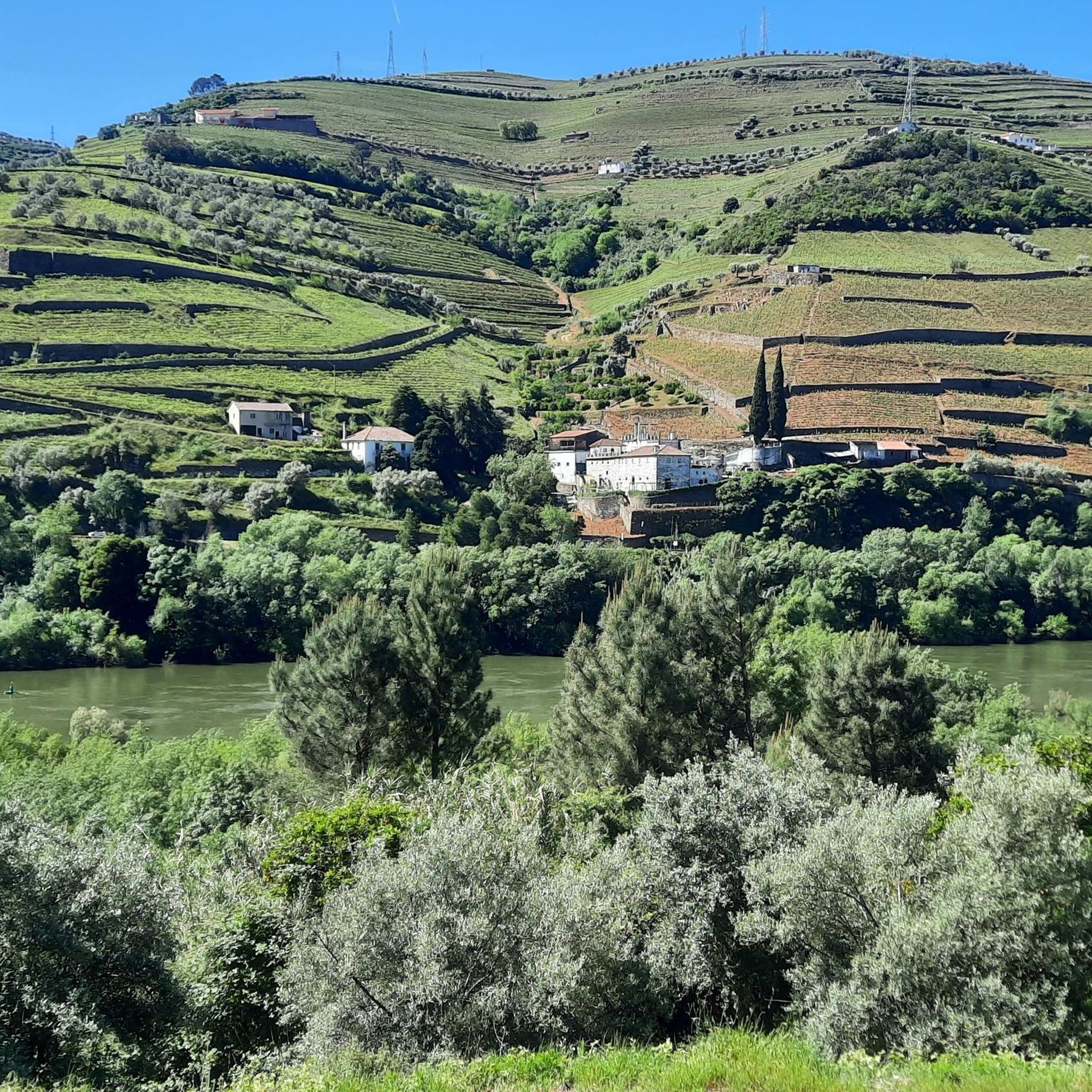
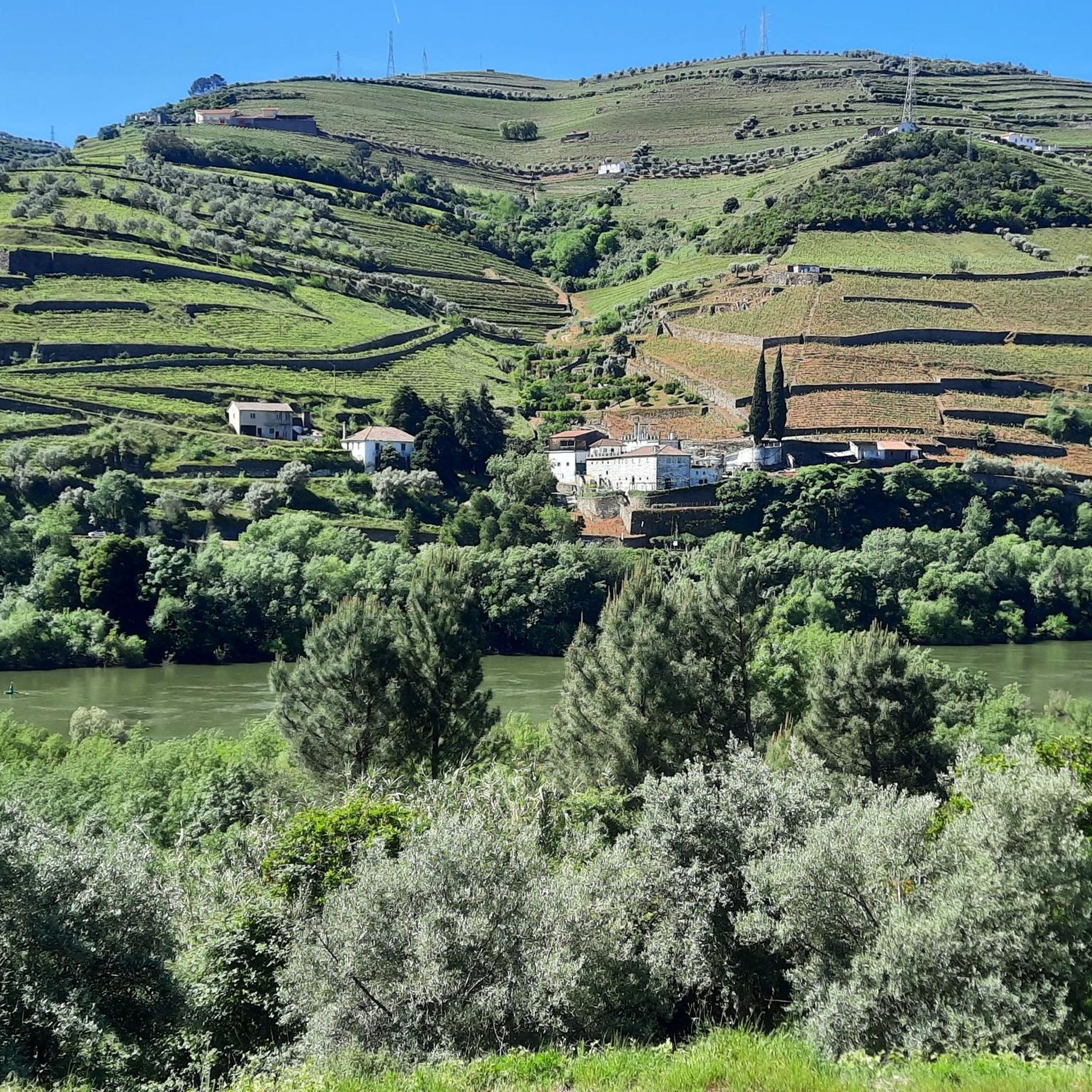
Road cycling routes around Parada Do Bispo are situated within the Douro Valley, a UNESCO World Heritage site in Portugal. The terrain is characterized by steep, terraced vineyards, dramatic river landscapes along the Douro River, and a network of quiet, well-maintained roads. Cyclists encounter a mix of smooth asphalt, winding descents, and demanding climbs, with gradients reaching 8-12% in certain sections. This region offers diverse routes for road cyclists seeking varied elevation and scenic views.
Best road cycling routes around…
Last updated: October 28, 2026
210
riders
91.5km
04:57
1,820m
1,820m
Hard road ride. Very good fitness required. Mostly well-paved surfaces and easy to ride.
109
riders
95.8km
04:57
1,560m
1,560m
Hard road ride. Very good fitness required. Mostly well-paved surfaces and easy to ride.

18
riders
95.8km
05:20
2,120m
2,120m
Hard road ride. Very good fitness required. Mostly well-paved surfaces and easy to ride.
26
riders
123km
06:33
2,350m
2,350m
Hard road ride. Very good fitness required. Mostly well-paved surfaces and easy to ride.
8
riders
109km
05:56
2,180m
2,180m
Hard road ride. Very good fitness required. Mostly well-paved surfaces and easy to ride.
Get access to more routes and recommendations from other explorers.
Already have an account?
Our route recommendations are based on thousands of hikes, rides, and runs completed by other people on komoot.
Start today with a free account
Your next adventure awaits.
Tips from the Community

The Pinhão Bridge (in Portuguese: A Ponte do Pinhão) is a bridge that connects the banks of Pinhão (Alijó) and São João da Pesqueira over the Douro River, in Portugal. Its construction began in 1903 and its inauguration took place in 1906. It was designed by Gustave Eiffel.
0
0

The parking area for motorhomes directly on the Douro River
1
0

There is, I don't know if it corresponds to the highest point
0
0

A worthwhile museum, which scores points despite/or because of its very minimalist presentation of the subject matter. At the end, enjoy a port wine on the terrace of the museum's café.
1
0
The bridge is really well-made. The view from the bridge is beautiful, even though there's still a lot that could be done with the buildings at the end.
2
0

The regional motifs are simply beautiful. You should take some time to enjoy them.
7
0
Great station with its azulejos. If you're staying at a hotel on the hill, it's best to book a taxi in advance. Otherwise, it can be difficult during peak season.
6
0

The slopes of the Douro are truly spectacular. Stunning landscapes. 👍🥾
1
0
Frequently Asked Questions
How many road cycling routes are available around Parada Do Bispo?
There are over 30 road cycling routes available around Parada Do Bispo, offering a diverse range of experiences within the Douro Valley.
What is the best time of year for road cycling in Parada Do Bispo?
The most pleasant times for road cycling in Parada Do Bispo are typically from March to June and September to November. During these months, the weather is generally favorable, and the landscapes are vibrant, making for an enjoyable ride.
What kind of terrain can I expect when road cycling in Parada Do Bispo?
Road cycling in Parada Do Bispo, situated in the Douro Valley, features a varied terrain. You'll encounter smooth asphalt roads, winding descents, and demanding climbs, with gradients sometimes reaching 8-12%. The landscape is characterized by steep, terraced vineyards and dramatic river views along the Douro River.
Are there challenging road cycling routes in Parada Do Bispo?
Yes, the region is well-known for its challenging road cycling routes. Out of the 32 available routes, 22 are classified as difficult, featuring significant elevation gains and demanding climbs. An example is the Régua Pedestrian Bridge – Régua Road Bridge loop from Régua, which covers 85.7 miles (138.0 km) with substantial elevation.
Are there any easier road cycling routes for beginners in Parada Do Bispo?
While many routes in Parada Do Bispo are challenging, there is at least one route classified as easy, and nine moderate options. These routes offer a less strenuous experience, often featuring gentler riverside stretches, allowing beginners to enjoy the stunning Douro Valley scenery.
What scenic landmarks or viewpoints can I see along the road cycling routes?
The road cycling routes in Parada Do Bispo offer numerous scenic landmarks and viewpoints. You can expect panoramic views of the terraced vineyards and the majestic Douro River. Notable points of interest include the Régua Pedestrian Bridge and the general area of Régua and the Douro River. Many climbs are rewarded with expansive viewpoints (miradouros) offering stunning perspectives.
Can I combine road cycling with cultural or historical exploration in the region?
Absolutely. The region around Parada Do Bispo is rich in culture and history. You can cycle past centuries-old wine estates (Quintas) and olive groves, with opportunities to explore the traditions of the demarcated Port wine region. Nearby Lamego offers historical sites like the Lamego Castle and the impressive Santuário de Nossa Senhora dos Remédios, known for its baroque architecture and grand staircase.
Are there options for long-distance or circular road cycling routes?
Yes, Parada Do Bispo offers several long-distance and circular road cycling routes. Many routes are designed as loops, allowing you to start and finish in the same location. For example, the Régua Pedestrian Bridge – Douro Valley loop from Régua is a 57.7-mile (92.8 km) route, and the Régua Pedestrian Bridge – Pinhão Metal Bridge loop from Régua covers 59.5 miles (95.7 km).
What do other cyclists say about road cycling in Parada Do Bispo?
The road cycling routes in Parada Do Bispo are highly rated by the komoot community, with an average score of 4.5 stars from a few reviews. Over 1,200 road cyclists have used komoot to explore the varied terrain, often praising the stunning Douro Valley scenery, the challenging climbs, and the quiet, well-maintained roads.
Is the N222 road accessible for road cyclists in this area?
Yes, the N222 road, particularly the section between Peso da Régua and Pinhão, is renowned as one of the world's best roads for its balance of curves, views, and riding quality. While Parada do Bispo is part of the Lamego municipality, its proximity to the Douro Valley means cyclists can incorporate sections of this iconic road into their routes for an unforgettable experience.
Are there any specific attractions related to the Douro River that I can visit?
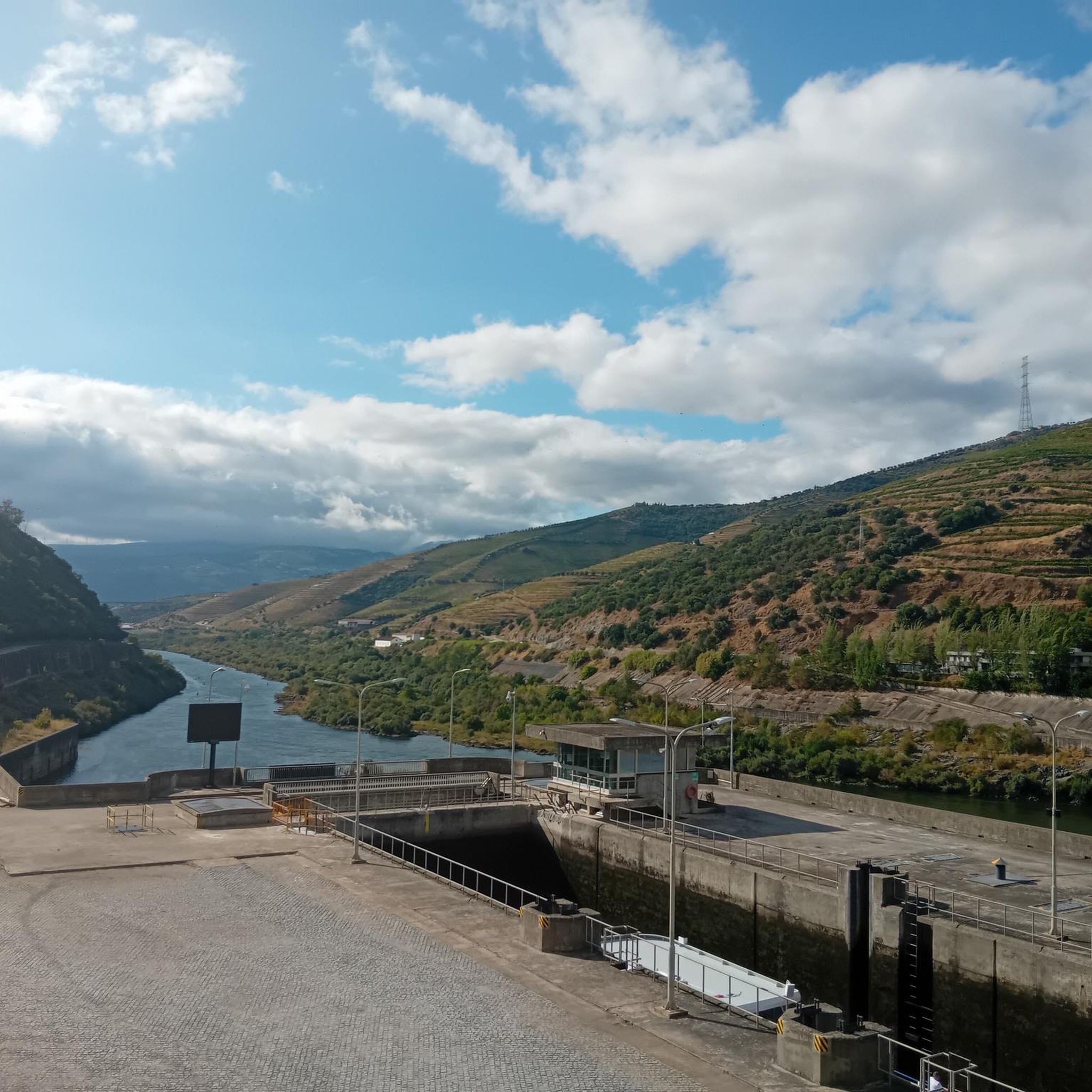
Yes, the Douro River is a central feature of the region. Cyclists can pass by the Douro River cruise dock in Peso da Régua, which offers a different perspective of the valley. The river itself carves monumental gorges, providing panoramic views that are a constant companion on many routes.
Most popular routes around Parada Do Bispo
Most popular attractions around Parada Do Bispo

Get inspired with the komoot mobile app


Explore more
Browse the best Road cycling routes in other regions.
