The best walks and hikes around Penajóia
4.1
(192)
1,116
hikers
31
hikes
Hiking around Penajóia offers diverse terrain characterized by extensive vineyards, olive groves, and mountainous landscapes. The region features trails that traverse cultivated hillsides and lead to elevated viewpoints. The Douro River also provides opportunities for riverside walks. Paths are often shaded by various trees, including hazel, chestnut, pine, and oak.
Best hiking trails around Penajóia
- The most popular hiking route is On the banks of the Douro – Douro Valley Wine Route loop from Samodães, a 4.8 miles (7.8…
Last updated: June 26, 2026
4.6
(40)
181
hikers
7.77km
02:35
360m
370m
Moderate hike. Good fitness required. Easily-accessible paths. Suitable for all skill levels.
3.4
(13)
103
hikers
Easy hike. Great for any fitness level. Easily-accessible paths. Suitable for all skill levels.

Sign up for free
4.6
(10)
41
hikers
10.1km
03:21
450m
450m
Moderate hike. Good fitness required. Easily-accessible paths. Suitable for all skill levels.
5.0
(1)
17
hikers
12.6km
04:14
620m
620m
Moderate hike. Good fitness required. Easily-accessible paths. Suitable for all skill levels.
5.0
(1)
17
hikers
12.4km
04:11
620m
630m
Moderate hike. Good fitness required. Easily-accessible paths. Suitable for all skill levels.
Get access to more routes and recommendations from other explorers.
Sign up for free
Already have an account?
Our route recommendations are based on thousands of hikes, rides, and runs completed by other people on komoot.
Start today with a free account
Your next adventure awaits.
Login or Signup
Tips from the Community

Beautiful view of the other side of the river.
0
0
The parking area for motorhomes directly on the Douro River
1
0

The station is so run-down that it's almost in working order again. Old railway vehicles (burned-out steam locomotives and old wagons) are scattered around the large grounds. There are also many disused tracks, including turntables. At the end of the station, the former storage sheds have been converted into wine shops and restaurants.
2
0
A worthwhile museum, which scores points despite/or because of its very minimalist presentation of the subject matter. At the end, enjoy a port wine on the terrace of the museum's café.
1
0
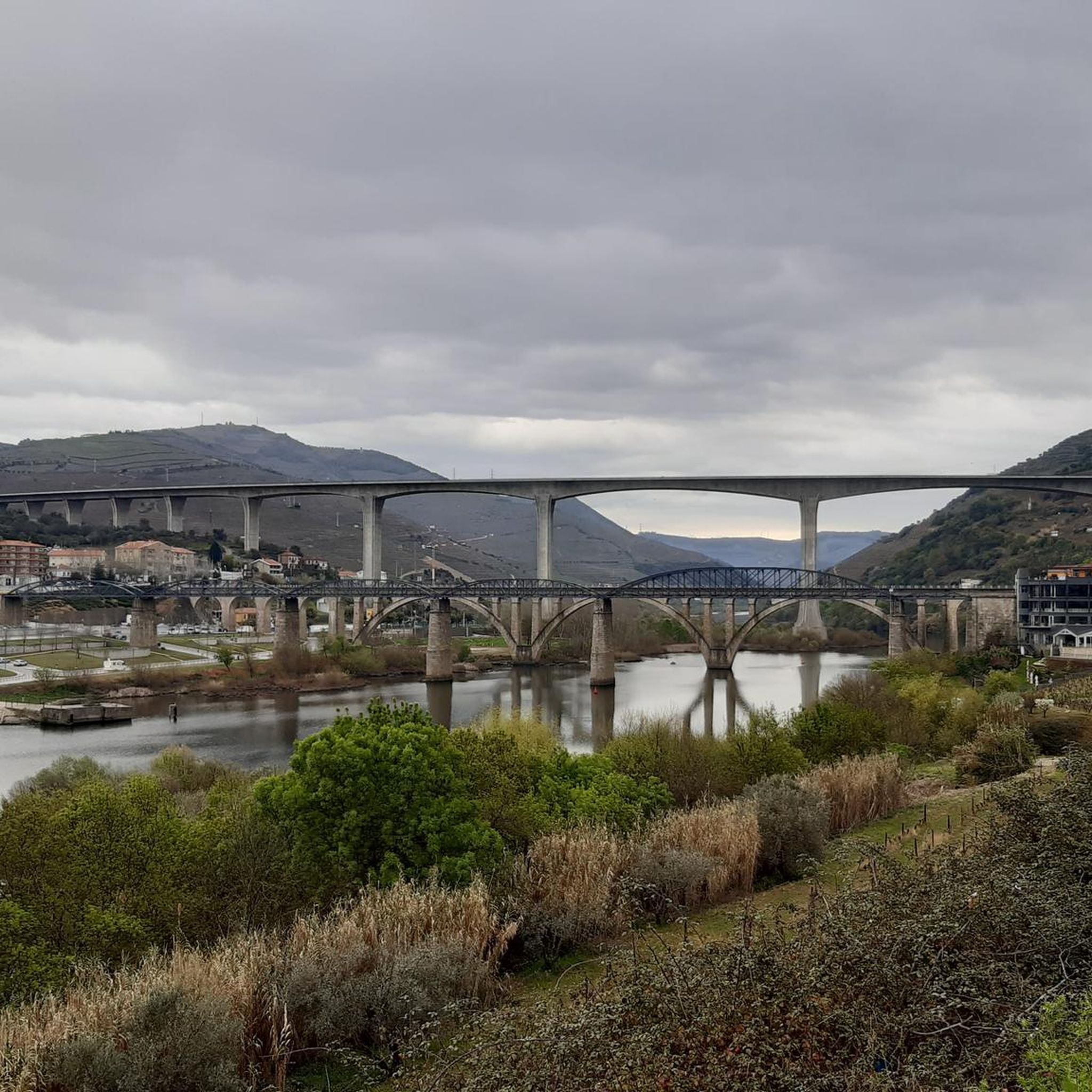
The bridge is really well-made. The view from the bridge is beautiful, even though there's still a lot that could be done with the buildings at the end.
2
0
The Casa do Douro was established in 1932 as the Douro Winemakers' Union Federation. Its headquarters, dating from 1944, with its exterior clad in polished granite, was designed by Portuguese architect José Porto. Inside, noteworthy are the stained-glass window by painter Lino António and the grand hall, with three central crystal chandeliers, shaped like clusters and weighing over a ton, as well as the Pombaline marker identified with the number 1. When the Douro region was first demarcated, 331 granite markers were placed. The Pombaline markers (so named because the demarcation was designed by the Marquis of Pombal) are all different and share the word Feitoria (vinho de feitoria, synonymous with better-quality wine) and the year (1758 or 1761). At the time, wines were classified according to their quality and destination. The best wine, known as Vinho de Feitoria, was sent to England; Vinho de Embarque was exported to Brazil; and Vinho de Ramo was sold in Portugal. The stained glass window of the Casa do Douro, by painter Lino António, encapsulates the entire dynamic of the Douro Demarcated Region. It covers an area of 50m2 and forms a triptych. In the center panel, we see three large figures. The central figure represents the Casa do Douro and holds a scroll that reads "... Casa do Douro, decree 21,883, November 1932." This means that the government, through the aforementioned Decree-Law, created the Union Federation of Winegrowers of the Douro Region in November 1932, now known as Casa do Douro.
1
0

The Casa do Douro was founded in 1932 as a cooperative association of Douro winegrowers. This house, built in 1944, is the original home.
3
0

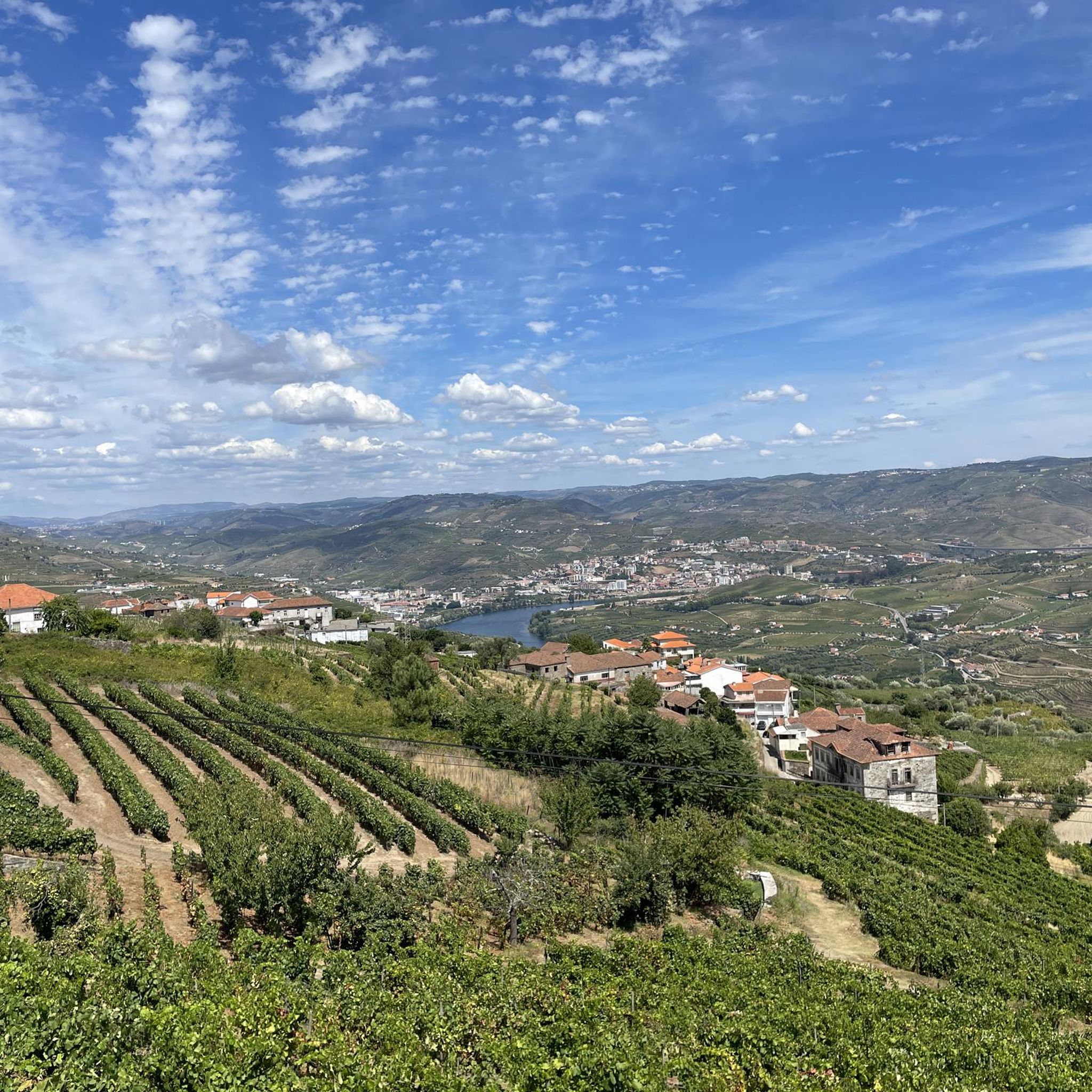
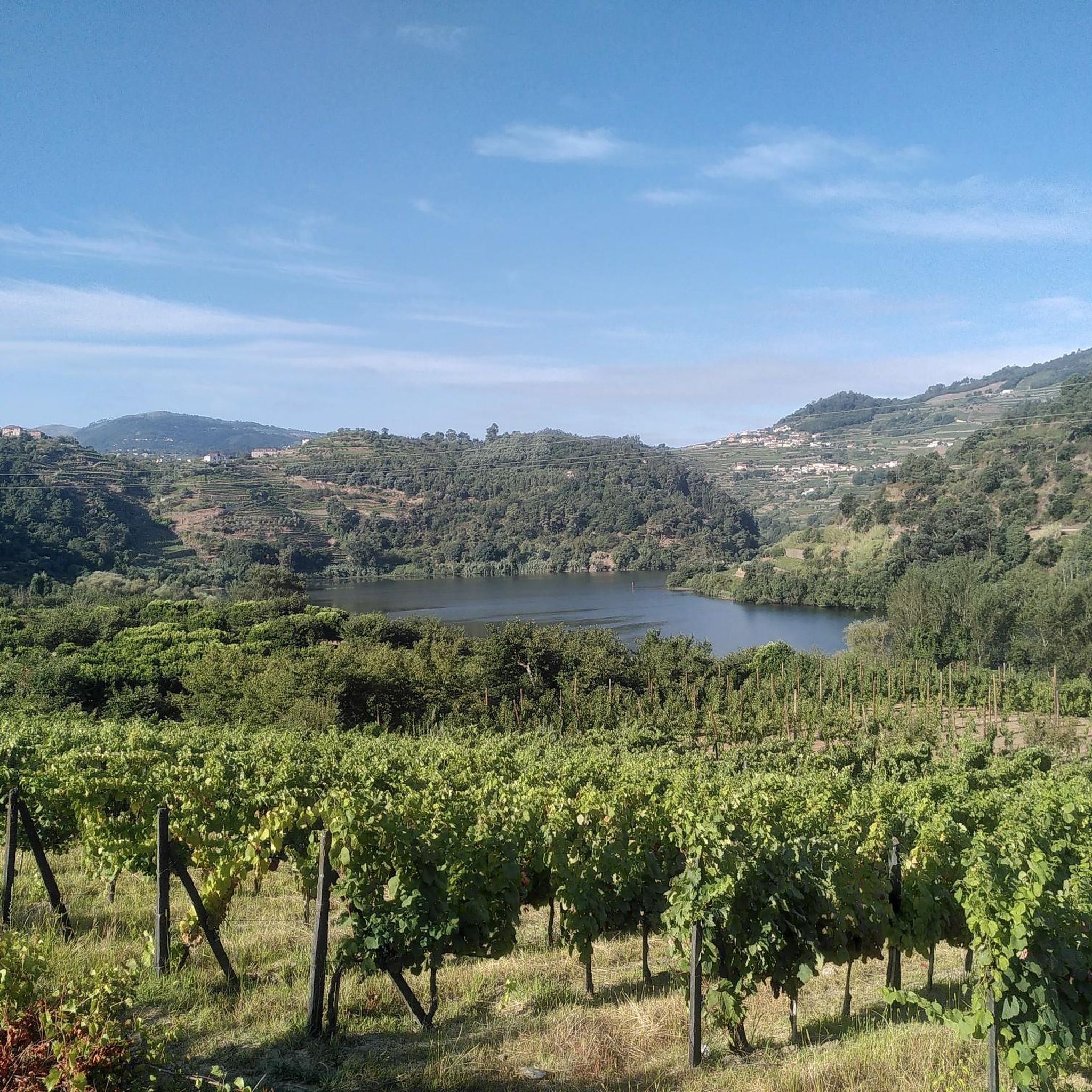
The slopes of the Douro are truly spectacular. Stunning landscapes. 👍🥾
1
0
Frequently Asked Questions
How many hiking trails are available in Penajóia?
Penajóia offers a wide selection of hiking routes, with over 30 trails documented on komoot. These routes cater to various preferences, ranging from easy riverside strolls to more challenging mountainous ascents.
Are there easy hiking trails suitable for beginners or casual walkers in Penajóia?
Yes, Penajóia has plenty of easy options. About half of the trails are rated as easy, perfect for a relaxed walk. For example, the Régua and the Douro River – Régua Pedestrian Bridge loop from Godim is an easy 3.7-mile (6.0 km) path that offers accessible walks along the Douro River.
What kind of views can I expect on hikes in Penajóia?
Hikers in Penajóia can expect diverse and stunning views. Many trails wind through extensive vineyards and olive groves, offering impressive vistas of cultivated hillsides. Routes often lead to significant elevations, providing expansive panoramic views of the Douro Valley, nearby villages, and the imposing Marão mountain. The Douro River itself also provides beautiful waterside scenery.
Are there any challenging hikes in Penajóia for experienced hikers?
Absolutely. While many trails are moderate or easy, Penajóia also offers routes with considerable ascents and descents that will challenge experienced hikers. These trails often lead to mountain summits, rewarding your effort with magnificent scenery.
What do other hikers enjoy most about hiking in Penajóia?
The hiking routes in Penajóia are highly rated by the komoot community, with an average score of 4.1 stars from over 170 reviews. Hikers frequently praise the stunning panoramic views, the unique experience of walking through vineyards and olive groves, and the diverse natural beauty of the region, including the varied flora and riverside paths.
Are there any circular hiking routes in Penajóia?
Yes, many of the trails in Penajóia are designed as loops, offering a convenient way to explore the region without retracing your steps. Examples include the popular On the banks of the Douro – Douro Valley Wine Route loop from Samodães and the Hiking loop from Mesão Frio, both of which take you through the heart of the wine region.
What cultural or historical elements can I discover on Penajóia's trails?
Beyond natural beauty, Penajóia's trails often incorporate elements of cultural and historical significance. You might encounter charming villages, ancient chapels like the Chapel of Our Lady of Viso, and sites showcasing the region's rich wine heritage. Some routes start directly in village centers, allowing you to experience local life and history.
What kind of natural features will I see along the hiking paths?
The hiking paths in Penajóia are often shaded by a diverse canopy of trees, including hazel, chestnut, pine, and oak. You'll also find elderberries and a variety of fragrant flowers, adding to the sensory experience. The landscape is characterized by extensive vineyards, olive groves, and the majestic Douro River.
What are some interesting places to see near the hiking trails in Penajóia?
While hiking in Penajóia, you can explore several nearby attractions. Consider visiting the Lamego Castle for a historical experience, or walk across the Régua Pedestrian Bridge. The Régua and the Douro River area is also a highlight, offering beautiful riverside scenery and the Douro River cruise dock in Peso da Régua.
Is Penajóia a good destination for family-friendly hikes?
Yes, Penajóia offers several accessible paths suitable for families. The easy riverside promenades along the Douro River, such as sections of the Régua and the Douro River – Régua Pedestrian Bridge loop from Godim, are generally flat and provide a pleasant experience for all ages and fitness levels.
What is the best time of year to go hiking in Penajóia?
Penajóia offers beautiful hiking experiences throughout much of the year. Spring and autumn are particularly pleasant, with comfortable temperatures and the vibrant colors of the vineyards and diverse flora. The presence of varied trees also provides shade during warmer months, making summer hiking enjoyable, especially on routes protected by canopies.
Most popular routes around Penajóia
Most popular attractions around Penajóia

Get inspired with the komoot mobile app


Explore more
Browse the best Hikes in other regions.
