Attractions and Places To See around Canas De Senhorim - Top 9
Best attractions and places to see around Canas De Senhorim include a blend of historical landmarks, cultural sites, and natural features. This historic town in the municipality of Nelas, Portugal, traces its roots back to 1155. The region is characterized by altitudes between 200 and 500 meters, offering a landscape suitable for walking routes and exploration. Visitors can discover ancient megalithic monuments, Roman archaeological sites, and thermal springs.
Best attractions and places to see around Canas De Senhorim
- The most…
Last updated: July 1, 2026
Lapa da Orca Dolmen
Highlight • Historical Site
Translated by Google •
Tip by

Anta da Palheira
Highlight • Historical Site
cm-carregal.pt/pages/1027?poi_id=129
ORCA/ANTA from PALHEIRA is located in the megalithic nucleus of Fiais/Ameal. It is …
Translated by Google •
Tip by

Sign up now to discover places like this
Get recommendations on the best single tracks, peaks, & plenty of other exciting outdoor places.
Sign up for free
Sabugosa Railway Station
Highlight • Structure
Translated by Google •
Tip by

Orca do Outeiro do Rato
Highlight • Historical Site
Translated by Google •
Tip by
Alcafache Thermal Baths
Highlight • Structure
Translated by Google •
Tip by
Sign up for free to discover even more attractions around Canas De Senhorim.
Sign up for free
Already have an account?
Start today with a free account
Your next adventure awaits.
Login or Signup


Tips from the Community

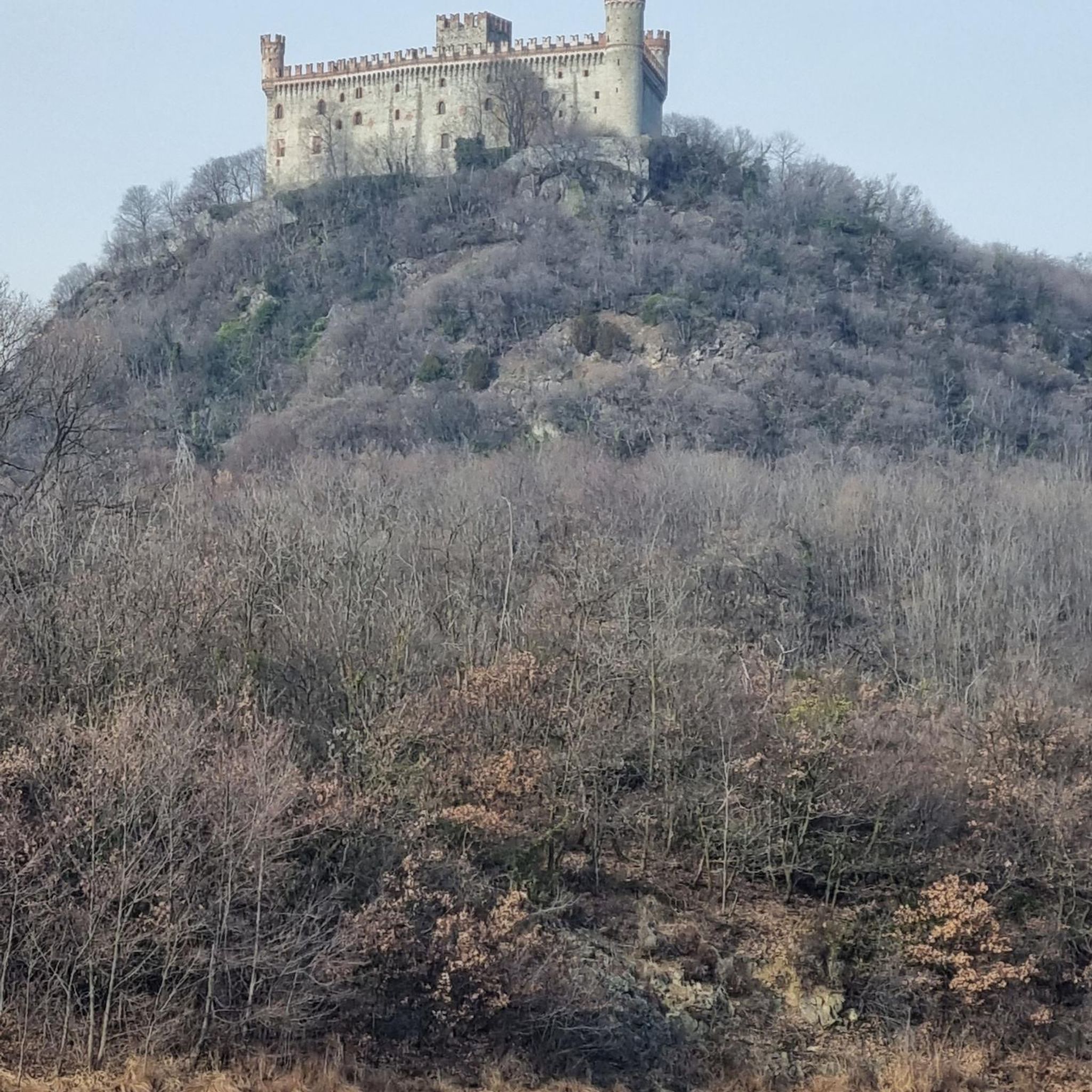
Designated a National Monument since 1974, this structure retains the nine upright stones of its main chamber, which is three meters high, and the capstone (covering slab) practically intact. The access corridor to the chamber has 15 upright stones and preserves all the covering slabs, with the dolmen being inserted into a tumulus (or mound, which originally covered the entire stone structure of the monument) approximately 20 meters in diameter. Its construction is believed to have occurred during the Neolithic-Chalcolithic period (between the end of the Neolithic and the beginning of the Chalcolithic), corresponding to the end of the 4th millennium BC. The region where the Orca Dolmen is located shows traces of continuous human activity and occupation since the prehistoric period. It is situated in an area with orographic characteristics conducive to human settlement, being close to a watercourse (the Mondego River) and possessing vast hunting resources. We know that shepherding has been a source of livelihood and income for centuries for the populations of the region, situated on a livestock route between the highlands of the Serra da Estrela and the Mondego valley.
1
0

This Orca/Anta is part of a tour circuit: PREHISTORIC CIRCUIT OF FIAIS/AZENHA in Carregal do Sal. https://www.cm-carregal.pt/pages/1027?poi_id=129 ORCA/ANTA from PALHEIRA is located in the megalithic nucleus of Fiais/Ameal. It is a monument of considerable size, which can be placed, architecturally, within the large group of monuments of Beira. It has a polygonal chamber with nine pillars, with an elongated corridor. However, its peculiar characteristics make this monument the rarest and most representative example of the circuit, given that at a somewhat later and yet to be determined period, a considerable barn was built around its central structure, which is part of that farm. Thus, the dolmen remained incorporated within it and was used as a dwelling until the 1970s.
2
0
ORCA or ANTA or DOLMEN: Megalithic mound or funerary monument from the Neolithic period, intended for collective burials. It consists of a chamber and a long corridor of 6, 7, or 8 meters. There are also Ante without a corridor. The large, vertical stones are called esteios/foundation pillars, and the covering slab is called the dome or cap. The ORCA DO OUTEIRO DO RATO is one of the megalithic monuments located on the small plateau between the villages of Lapa do Lobo and Oliveira Conde, at an altitude of 323 meters, located on the edge of the main circuit road in a pine forest and near an area of irrigated land. According to studies, the funerary monument consists of a polygonal chamber and a long corridor, the chamber having undergone several excavations and mutilations over its existence. It's part of the Fias Telha prehistoric circuit: https://www.komoot.it/tour/2520207143?ref=avs&share_token=aiC2Rft7sttJ3tJDY2ueR34qa
1
0

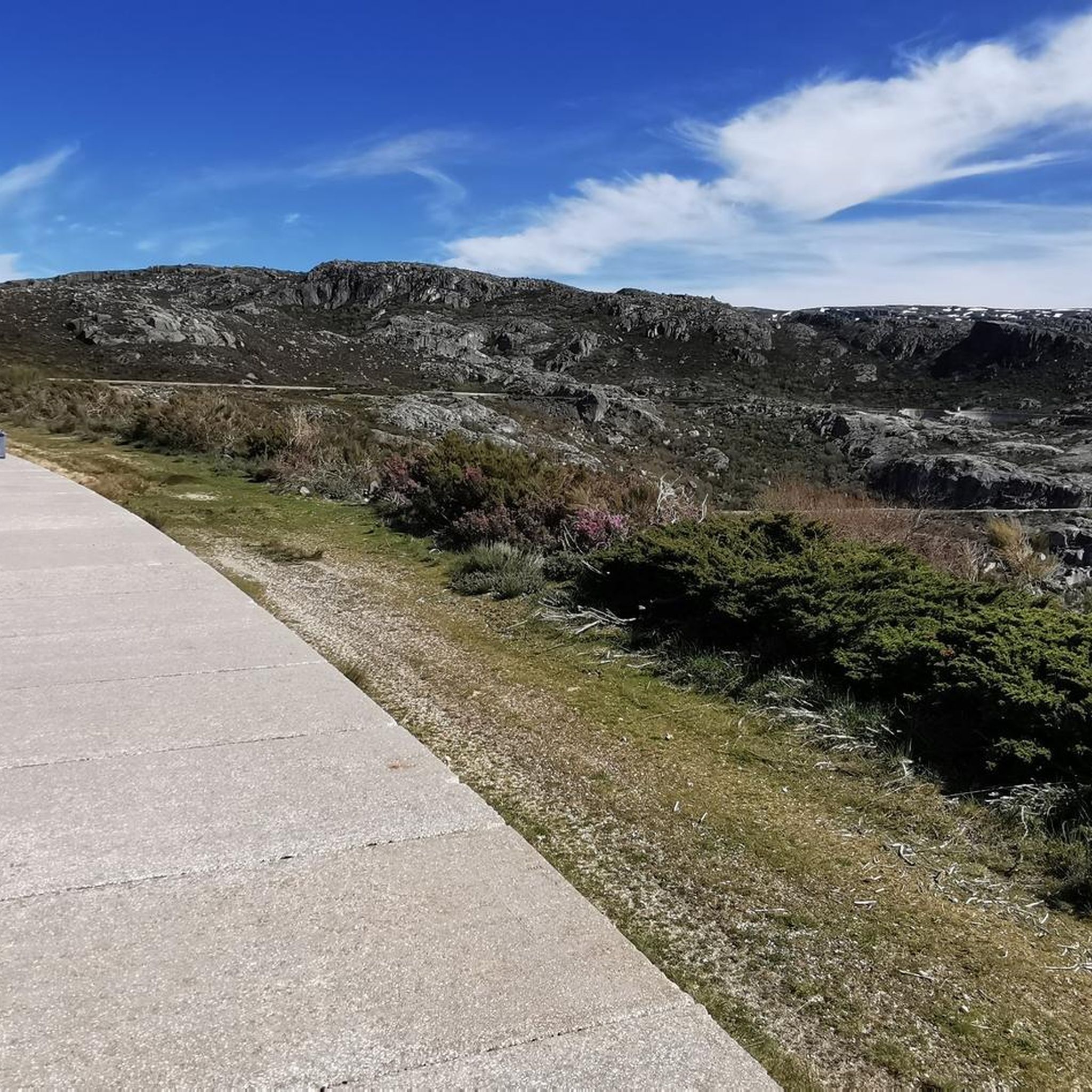
Old Sabugosa train station on the old Dão railway line, which has been completely converted into an eco-track.
1
0
In this place, besides being beautiful to cycle, you can dedicate yourself to wellness by going to the Spa, perhaps after having done a Vella walk on one of its paths that I post here: 1- PR5 - Itinerary of the thermal springs of Alcafache (VIS) about 2 km to the right of the bridge - https://www.trilhosecaminhadas.com/percursos/pr5-rota-das-termas-de-alcafache-vis/ 2- PR3 - Via dell'Acqua Millenaria (MGL) about 7 km - https://www.trilhosecaminhadas.com/percursos/pr3-rota-das-aguas-milenares-mgl/#google_vignette
0
0

It is one of the largest dolmens in Portugal and one of the best preserved.
3
0

Frequently Asked Questions
What historical sites can I explore in Canas de Senhorim?
Canas de Senhorim is rich in history. You can visit the Igreja Matriz de Canas de Senhorim (Church of Salvador), an 18th-century Baroque church, and the Pelourinho de Canas de Senhorim, a historic pillory in the town square. Other notable sites include the Solar dos Abreu Madeira, a noble house showcasing various architectural periods, and the Monumento aos Oitocentos Anos de Foral de Canas de Senhorim, commemorating the town's 800-year charter.
Are there any ancient megalithic monuments near Canas de Senhorim?
Yes, the area is known for its ancient megalithic monuments. You can visit the Lapa da Orca Dolmen, one of the largest and best-preserved dolmens in Portugal, designated a National Monument since 1974. Another significant site is Anta da Palheira, a large dolmen that was uniquely incorporated into a barn and used as a dwelling until the 1970s. The Orca das Pramelas and Orca do Outeiro do Rato are also notable megalithic sites.
What natural attractions can I visit around Canas de Senhorim?
The region offers several natural highlights. The Cascata da Pantanha is a picturesque waterfall perfect for a refreshing visit. You can also explore the surrounding Beira Alta region, characterized by its gentle slopes and rivers like the Mondego and Dão, which are ideal for walking and enjoying the landscape.
Can I go hiking or cycling near Canas de Senhorim?
Absolutely! The Beira Alta region around Canas de Senhorim is well-suited for outdoor activities. For running, you can find routes like the 'Orca de Pramelas loop from Canas de Senhorim'. Mountain biking enthusiasts can explore trails such as the 'Orca de Pramelas loop from Carvalhal Redondo e Aguieira'. Road cyclists have options like the 'Orca da Lapa do Lobo loop from Lapa do Lobo'. You can find more details on these and other routes in the Running Trails, MTB Trails, and Road Cycling Routes guides for the area.
Are there family-friendly attractions in the area?
Yes, several attractions are suitable for families. The Lapa da Orca Dolmen offers an intriguing historical experience for all ages. The Sabugosa Railway Station, converted into an eco-track, provides a unique and accessible path for walking or cycling with children. Additionally, the Alcafache Thermal Baths are noted as family-friendly facilities.
Where can I experience the region's wine culture?
The broader Nelas municipality, which includes Canas de Senhorim, is part of the renowned Dão wine region. You can engage in wine tastings and tours at various vineyards and wineries. Notable places include Centro de Vinhos Lusovini, Quinta de Santar, Casa de Santar, Quinta do Sobral, Quinta Caminhos Cruzados, and Quinta da Fata, where you can explore distinct varietals like Touriga Nacional and Encruzado.
What is the significance of the Sabugosa Railway Station?
The Sabugosa Railway Station is a unique historical site. It was once an active station on the old Dão railway line but has since been completely converted into an eco-track. This transformation offers a distinctive path for walking, running, or cycling, allowing visitors to enjoy the natural surroundings along a historical route.
Are there any Roman archaeological sites to see?
Yes, evidence suggests a Roman presence in Canas de Senhorim. Archaeological findings include construction materials, pottery fragments, coins, and a votive altar, indicating the presence of a Roman vicus (settlement). While specific sites for public viewing might vary, the Museu Arqueológico de Canas de Senhorim provides insights into the region's rich archaeological heritage, including its Roman past.
What are the thermal springs like in the region?
The region is home to thermal springs, notably at Caldas da Felgueira and Alcafache Thermal Baths. These springs are utilized for therapeutic treatments, particularly for respiratory issues, rheumatic, and musculoskeletal diseases, and also offer wellness and beauty programs. They provide a relaxing natural feature and a chance for rejuvenation.
What do visitors typically enjoy about the attractions around Canas de Senhorim?
Visitors particularly appreciate the rich historical and archaeological significance of the area, especially the well-preserved megalithic monuments like the Lapa da Orca Dolmen. The conversion of the old Dão railway line into an eco-track at Sabugosa Railway Station is also a popular feature, offering unique opportunities for outdoor activities. The blend of ancient history with accessible natural paths makes for a diverse and engaging experience.
What is the history of mining in Canas de Senhorim?
Canas de Senhorim has a significant industrial and mining past, particularly from the early 20th century. The Minas da Urgeiriça are historical mines that highlight this aspect of the town's heritage. These sites offer a glimpse into the region's industrial development and its role as a mining center.
Are there any other cultural sites in the wider Nelas municipality worth visiting?
Beyond Canas de Senhorim, within the Nelas municipality, you can visit the Santuário de Nossa Senhora do Viso. Located near Carvalhal Redondo and Aguieira, this sanctuary is another important cultural site that offers a deeper understanding of the region's religious and historical landscape.

Get inspired with the komoot mobile app


Explore more
Still not found the Highlight you’re looking for? See guides of the top attractions in other regions:
