The best walks and hikes around Lapa Do Lobo
4.3
(26)
75
hikers
3
hikes
Hiking trails around Lapa Do Lobo are characterized by a landscape shaped by the Cavalos River, featuring granite rock formations and lush vegetation. The region includes historical structures such as the Roman Bridge of Sumes and references to ancient megalithic sites. Riverine paths and forested areas define much of the hiking terrain. This central Portuguese area offers routes that combine natural beauty with cultural heritage.
Best hiking trails around Lapa Do Lobo
- The most popular hiking route is Roman Bridge…
Last updated: July 1, 2026
4.5
(10)
33
hikers
8.03km
02:17
180m
180m
Moderate hike. Good fitness required. Easily-accessible paths. Suitable for all skill levels.
5.0
(4)
11
hikers
8.72km
02:22
120m
120m
Moderate hike. Good fitness required. Easily-accessible paths. Suitable for all skill levels.

Sign up for free
3.5
(4)
10
hikers
11.8km
03:27
330m
330m
Moderate hike. Good fitness required. Easily-accessible paths. Suitable for all skill levels.
4.5
(2)
4
hikers
5.27km
01:32
140m
140m
Easy hike. Great for any fitness level. Easily-accessible paths. Suitable for all skill levels.
4.0
(2)
5
hikers
5.80km
01:46
200m
200m
Easy hike. Great for any fitness level. Easily-accessible paths. Suitable for all skill levels.
Our route recommendations are based on thousands of hikes, rides, and runs completed by other people on komoot.
Start today with a free account
Your next adventure awaits.
Login or Signup
Tips from the Community

Bridge built over the Cavalos River, with a deck approximately 50 m long and 3 m wide. It probably forms part of the same road link as the Roman road of Pedra da Sé, serving as a connection between the Roman civitas of Bobadela and that of Viseu. It has only one arch with a perfect semicircular span, and the pavement that forms part of the deck is the result of intervention after the time of construction. It has been classified as a Property of Public Interest (IIP) since 1990, by Decree No. 163 of July 17, 1990.
1
0
Designated a National Monument since 1974, this structure retains the nine upright stones of its main chamber, which is three meters high, and the capstone (covering slab) practically intact. The access corridor to the chamber has 15 upright stones and preserves all the covering slabs, with the dolmen being inserted into a tumulus (or mound, which originally covered the entire stone structure of the monument) approximately 20 meters in diameter. Its construction is believed to have occurred during the Neolithic-Chalcolithic period (between the end of the Neolithic and the beginning of the Chalcolithic), corresponding to the end of the 4th millennium BC. The region where the Orca Dolmen is located shows traces of continuous human activity and occupation since the prehistoric period. It is situated in an area with orographic characteristics conducive to human settlement, being close to a watercourse (the Mondego River) and possessing vast hunting resources. We know that shepherding has been a source of livelihood and income for centuries for the populations of the region, situated on a livestock route between the highlands of the Serra da Estrela and the Mondego valley.
1
0

This Orca/Anta is part of a tour circuit: PREHISTORIC CIRCUIT OF FIAIS/AZENHA in Carregal do Sal. https://www.cm-carregal.pt/pages/1027?poi_id=129 ORCA/ANTA from PALHEIRA is located in the megalithic nucleus of Fiais/Ameal. It is a monument of considerable size, which can be placed, architecturally, within the large group of monuments of Beira. It has a polygonal chamber with nine pillars, with an elongated corridor. However, its peculiar characteristics make this monument the rarest and most representative example of the circuit, given that at a somewhat later and yet to be determined period, a considerable barn was built around its central structure, which is part of that farm. Thus, the dolmen remained incorporated within it and was used as a dwelling until the 1970s.
2
0

Small but very pleasant river beach (without sand) on the course of the Rio de Cavalos.
2
0
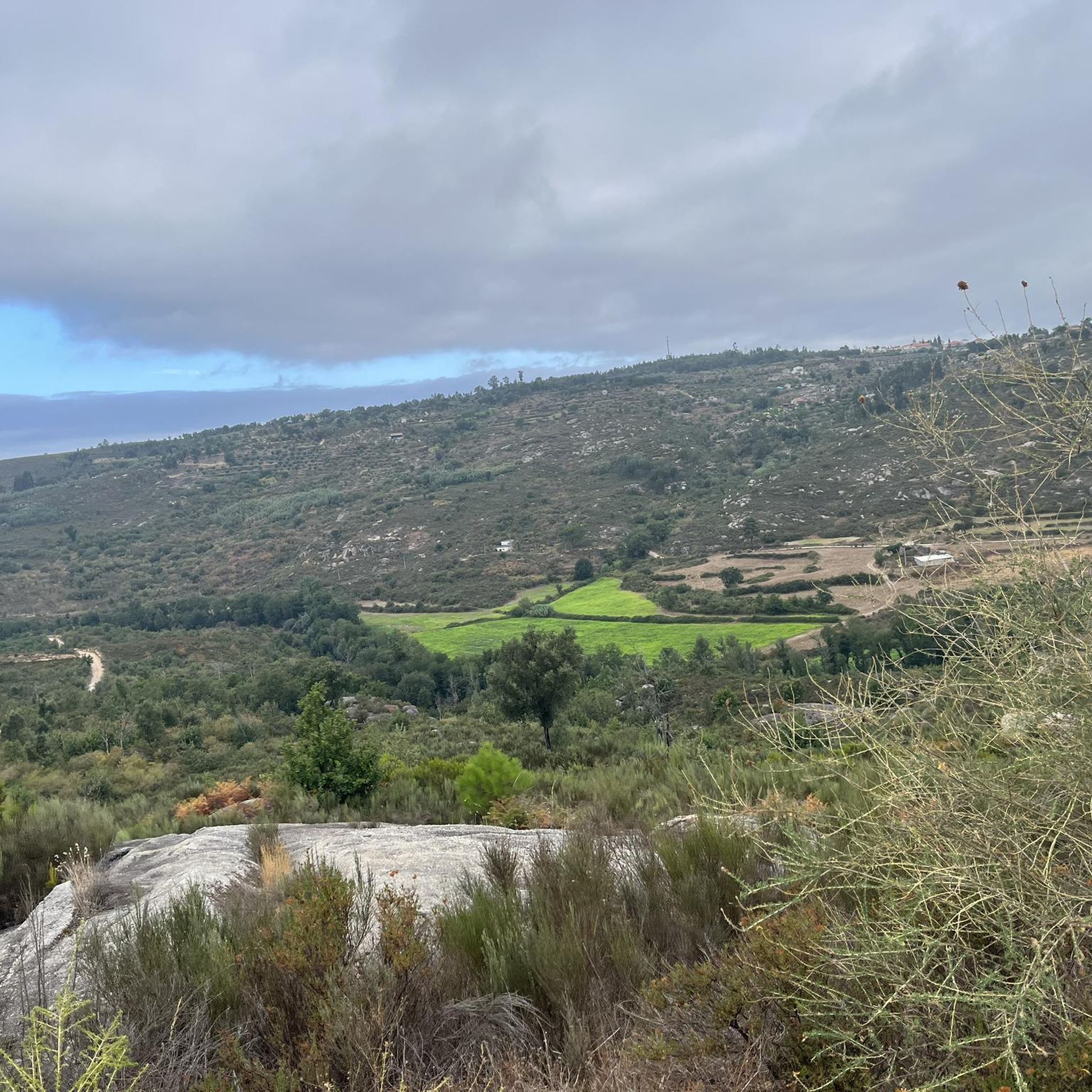
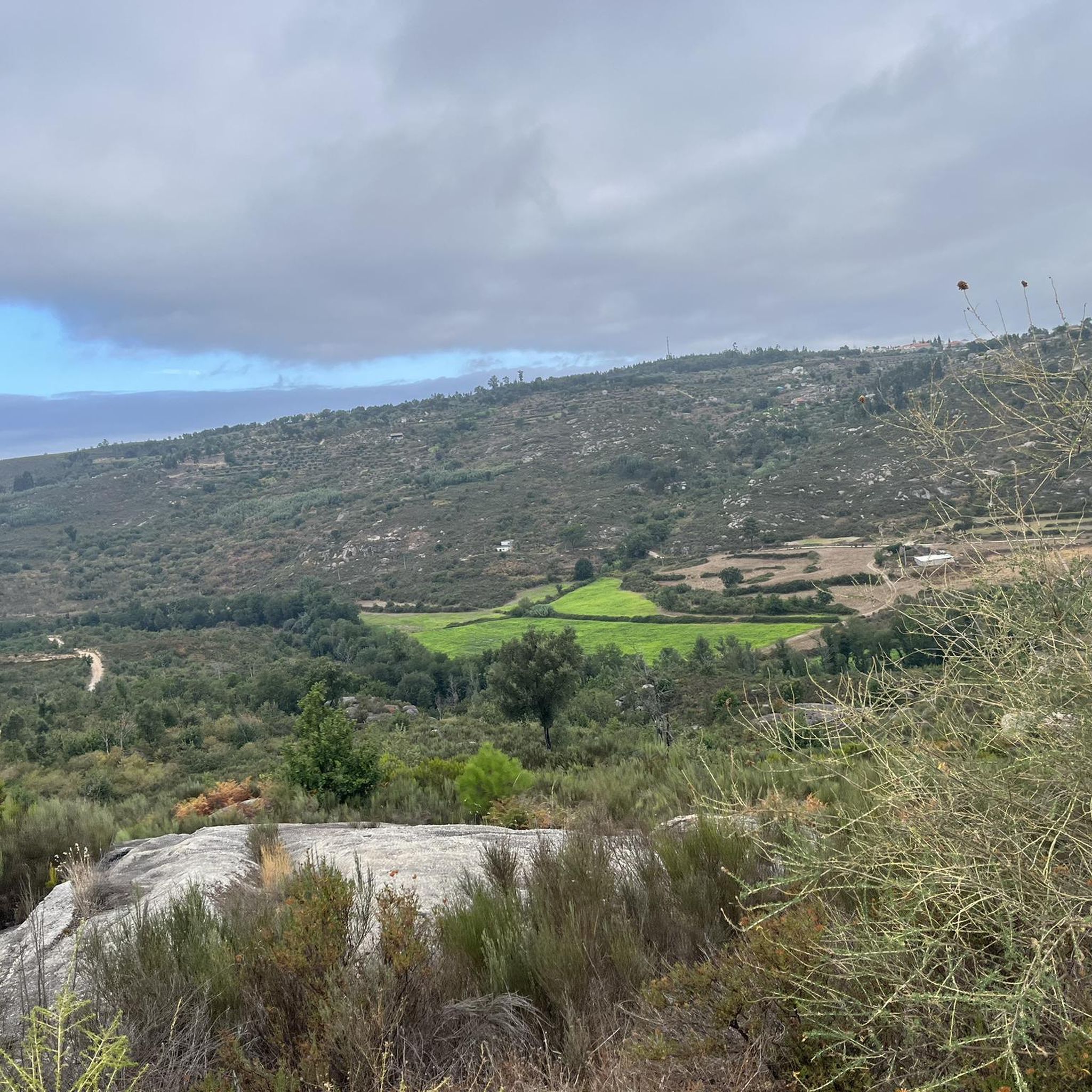
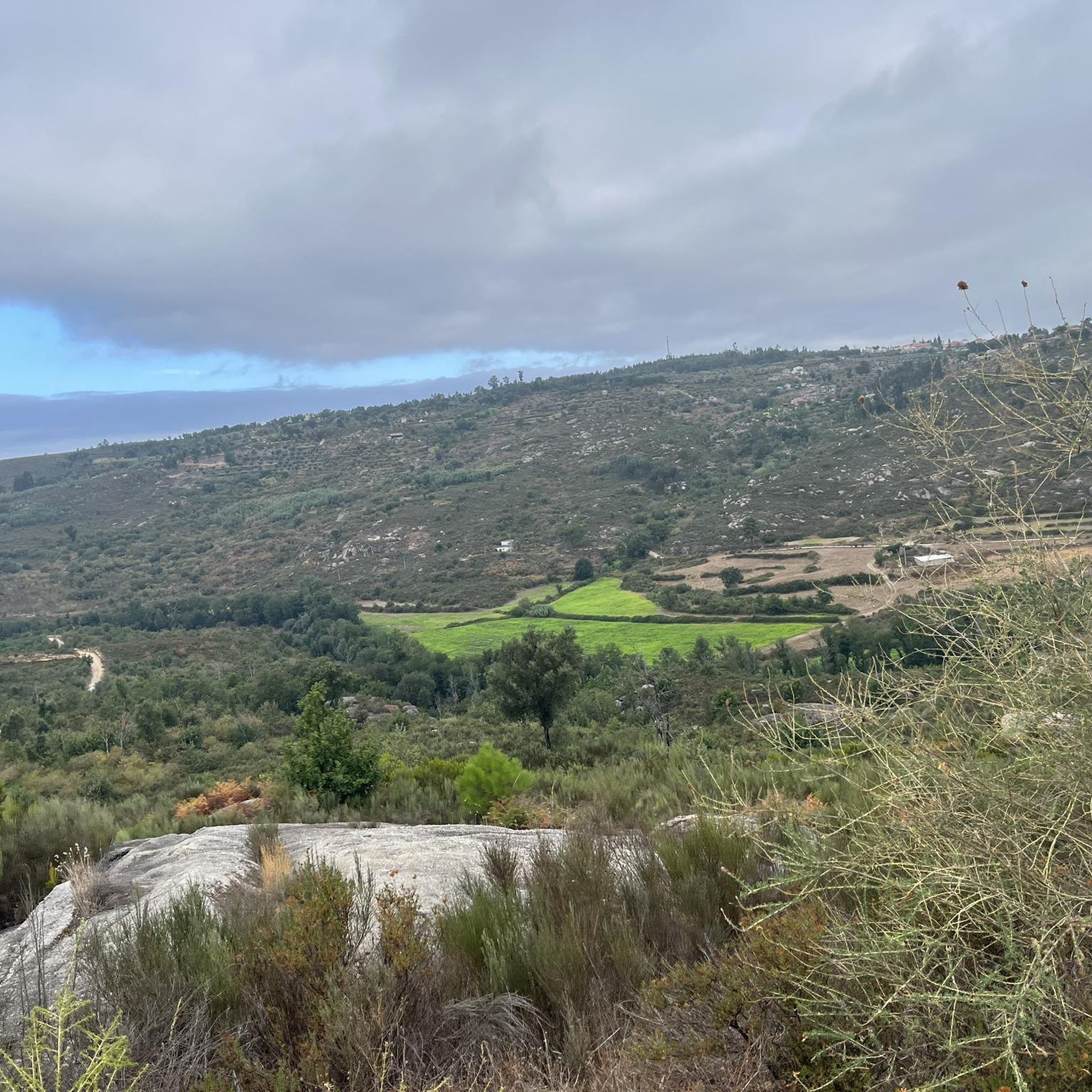
The Penedo C'abana is a large rocky outcrop located near Póvoa de Midões, on the slope overlooking the River Mondego. It is a reference point for viewing the river and the municipality of Tábua. It has the peculiarity of swaying slightly when pressure is applied to it, shaking it. The Penedo C'Abana is classified as a Property of Public Interest.
1
0
The Roman Bridge of Sumes, with its round arch, is a stone masonry structure measuring approximately 6.4 metres. It stands over the Cavalos River, in a natural setting, punctuated by enormous granite rocks and crisscrossed by dirt paths. This is where the fantastic Trilho dos Gaios begins (or ends), winding along the Cavalos River between several waterfalls and lush vegetation.
2
0

The Roman Bridge of Sumes stands over the River des Chevaliers, shrouded in mystery. Although its foundations appear to be Roman, the exact date of its construction remains uncertain. An inscription reading "80 AD" found on a nearby wall suggests its origin, but some historians believe it refers to an ancient spring. In the surrounding area, traces of medieval paving can still be seen. Regardless of the bridge's uncertain age, it is classified as a Property of Public Interest, having witnessed centuries of history.
3
0
In summer, the river beach of Vale de Gaios becomes a little paradise for those looking to cool off. Its crystal-clear water, formed by the Cavalos River, a tributary of the Mondego, invites you to take a refreshing dip and spend long moments in the sun. On hot days, there is no better place to enjoy nature and recharge your batteries!
6
0
Frequently Asked Questions
What kind of terrain can I expect on hiking trails around Lapa Do Lobo?
The hiking terrain in Lapa Do Lobo is primarily shaped by the Cavalos River, featuring picturesque riverine paths, granite rock formations, and lush forested areas. You'll encounter a mix of dirt paths and natural landscapes, offering a diverse and engaging experience.
Are there any historical landmarks or ancient sites to see while hiking?
Yes, Lapa Do Lobo is rich in history. You can explore the ancient Lapa da Orca Dolmen and Anta da Palheira, both megalithic monuments. The Roman Bridge of Sumes – Vale de Gaios River Beach loop from Midões specifically passes the historic Roman Bridge of Sumes, a stone masonry structure spanning the Cavalos River.
Are there any waterfalls or river beaches along the hiking routes?
Yes, the region's trails, particularly those along the Cavalos River like the 'Trilho dos Gaios', feature lush vegetation and several waterfalls. For a refreshing stop, the Praia Fluvial de Vale de Gaios, a river beach with clear waters, is a popular spot, accessible via routes such as the Roman Bridge of Sumes – Vale de Gaios River Beach loop from Midões.
What is the best time of year to go hiking in Lapa Do Lobo?
Lapa Do Lobo offers pleasant hiking conditions for much of the year. Spring and autumn generally provide mild temperatures and vibrant scenery. During warmer months, the river beaches like Praia Fluvial de Vale de Gaios offer a great opportunity for a refreshing dip after your hike.
Are there any easy or family-friendly hiking options available?
While many routes are moderate, there are easier options suitable for families. For example, the Igreja de Midões loop from Midões is rated as easy, offering a shorter distance and less elevation gain. The region's riverine paths are generally enjoyable for all ages.
Can I find circular hiking routes in Lapa Do Lobo?
Yes, Lapa Do Lobo features several circular routes. The Roman Bridge of Sumes – Vale de Gaios River Beach loop from Midões and the Anta da Palheira – Lapa da Orca Dolmen loop from Oliveira do Conde are both popular circular trails that allow you to start and end at the same point.
What do other hikers say about the trails in Lapa Do Lobo?
The hiking routes in Lapa Do Lobo are highly rated by the komoot community, with an average score of 4.3 stars from over 20 reviews. Hikers often praise the combination of natural beauty, historical elements, and the serene atmosphere along the Cavalos River.
Are there any viewpoints or scenic overlooks on the trails?
Yes, you can find scenic spots offering views of the surrounding landscape. The Miradouro do Penedo Cabana loop from Póvoa de Midões specifically includes the Miradouro do Penedo Cabana, which is a designated viewpoint.
Is there parking available near the trailheads?
While specific parking details vary by trailhead, many routes in the Lapa Do Lobo area, especially those starting from villages like Midões or Oliveira do Conde, offer convenient access and often have designated or informal parking areas nearby. It's advisable to check the route details on komoot for specific starting points.
How many hiking trails are available in the Lapa Do Lobo region?
There are several hiking trails around Lapa Do Lobo, with komoot featuring over 5 distinct routes. These range in length and difficulty, primarily offering moderate options but also including some easier paths.
Can I bring my dog on the hiking trails in Lapa Do Lobo?
Many natural trails in Portugal, including those in Lapa Do Lobo, are generally dog-friendly. However, it's always recommended to keep your dog on a leash, especially when passing through villages, near livestock, or in areas with wildlife, and to carry waste bags to maintain the cleanliness of the trails.
What is the typical duration for a hike in Lapa Do Lobo?
Hiking durations vary depending on the route and your pace. Moderate trails like the Roman Bridge of Sumes – Vale de Gaios River Beach loop from Midões typically take around 2 hours and 17 minutes, while longer routes such as the Hiking loop from Fiais da Beira can take approximately 3 hours and 27 minutes.
Most popular routes around Lapa Do Lobo
Most popular attractions around Lapa Do Lobo

Get inspired with the komoot mobile app


Explore more
Browse the best Hikes in other regions.
