The best road cycling routes around Reigoso
4.4
(7)
272
riders
44
rides
Road cycling routes around Reigoso traverse the scenic Vouga Valley, characterized by its diverse landscapes and the meandering Vouga River. The region features converted railway lines, known as eco-tracks, which offer paved cycling paths through the heart of Portugal. These routes often follow the river's course, transitioning from an altitude river in deep valleys to a plateau river with wider banks. While many sections are paved, some routes may include unpaved segments, requiring consideration for road bike suitability.
Best road…
Last updated: July 11, 2026
5.0
(1)
2
riders
71.1km
03:59
1,480m
1,480m
Hard road ride. Very good fitness required. Mostly well-paved surfaces and easy to ride.
5.0
(1)
20
riders
64.9km
03:16
1,010m
1,010m
Hard road ride. Very good fitness required. Mostly well-paved surfaces and easy to ride.

Sign up for free
5.0
(1)
11
riders
87.4km
04:26
1,320m
1,330m
Hard road ride. Very good fitness required. Mostly well-paved surfaces and easy to ride.
10
riders
Hard road ride. Very good fitness required. Mostly well-paved surfaces and easy to ride.
15
riders
Hard road ride. Very good fitness required. Some segments of this route may be unpaved and difficult to ride.
Get access to more routes and recommendations from other explorers.
Sign up for free
Already have an account?
Our route recommendations are based on thousands of hikes, rides, and runs completed by other people on komoot.
Start today with a free account
Your next adventure awaits.
Login or Signup


Tips from the Community

May is a great month to cycle this greenway. See how beautiful it is on this video: https://youtu.be/3eUjpHezX60
0
0

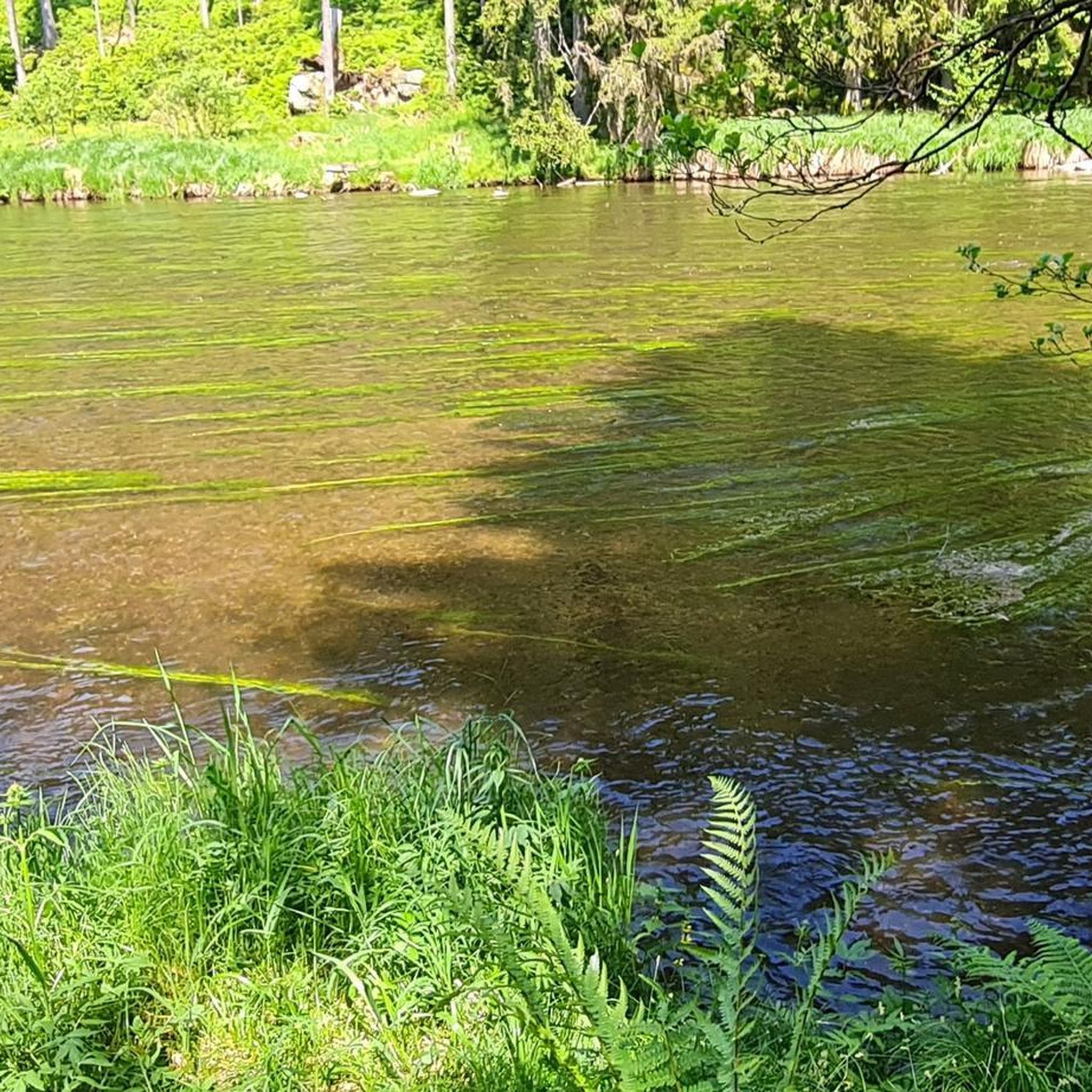
Spectacular view over the river.
1
0

We have incredible things throughout this country
0
0

In the past, this bridge was used to be used to ask for the hand of the beloved (engagement bridge).
4
0

Salt mining in the Aveiro region dates back to a time before the Ria de Aveiro itself existed, with the first written document about Aveiro salt production dating back to before the founding of the nation. Over the centuries, the instability of the inlet (isolation from the sea) was a decisive factor in the variation in the number and production of salt pans. This resulted in periods of decline interspersed with periods of great favorability for production. This occurred in 1572, when, given the favorable condition of the inlet and the high and progressive commercial and maritime index, Aveiro became one of the best ports in Portugal, with a significant increase in salt trade and cod fishing. In 1808, the new inlet (an artificial system that allows seawater to enter) was finally opened, a fact of exceptional importance for the future of Aveiro and the entire region. (Source: Wikipedia) (Source: Wikipedia)⁶
13
0
The Palheiros da Costa Nova, or the colorful little houses of Costa Nova, are the old fishermen's warehouses. In other words, these are where they stored their nets, boats, and fishing gear at the end of the day. But what makes the palheiros da Costa Nova so special, and why everyone wants to see them, is their picturesque and colorful appearance. The striped facades leave no one indifferent. And the fact that they are located in a seaside setting attracts even more visitors. Besides the palheiros, Costa Nova offers other must-see attractions for visitors. We're talking about extensive golden sand beaches, ideal for sunbathing or enjoying water sports like surfing and windsurfing. (Source: loveitportugal.com)
13
0
Located on the São Roque canal, the Carcavelos Bridge was built in 1953 to replace the original bridge, which collapsed 11 years earlier. It was a mandatory crossing point for workers on the Sal River. It is one of the oldest and most emblematic bridges in Aveiro. It was built over the São Roque canal. Yellow, adorned with balusters and the city's coat of arms (the eagle represents the symbol of Aveiro), the Carcavelos Bridge can be visited during a stroll through the typical Beira-Mar neighborhood or on one of the many boat tours along the estuary. (www.turismo.portugal.com)
10
0

The most beautiful of the bridges.
2
0
Frequently Asked Questions
What makes Reigoso a good destination for road cycling?
Reigoso offers a unique road cycling experience through the scenic Vouga Valley, featuring diverse landscapes and the meandering Vouga River. The region is known for its converted railway lines, now eco-tracks, which provide mostly paved cycling paths through the heart of Portugal. These routes blend natural beauty with historical insights into the old railway heritage.
How many road cycling routes are available around Reigoso?
There are over 40 road cycling routes around Reigoso, catering to various skill levels. You'll find a good mix of moderate and difficult trails to explore the region's diverse terrain.
What kind of terrain can I expect on Reigoso's road cycling routes?
The routes around Reigoso traverse the enchanted valley of the Vouga River, offering deeply diversified landscapes. You'll encounter sections where the Vouga is an altitude river with a deep valley, transitioning to a mountain river, and then a plateau river with wide, low banks. While many sections are paved, some routes may include unpaved segments, so it's good to consider your road bike's suitability for varied surfaces.
Are there options for less experienced road cyclists in Reigoso?
While many routes are rated moderate to difficult, the eco-tracks, such as the Vouga Greenway, offer accessible paths. These converted railway lines provide a generally flatter and well-signposted experience, ideal for those looking for a less strenuous ride. You can find moderate routes like Paradela Station – Talhadas Parish Church loop from Talhadas.
What interesting landmarks or points of interest can I see along the road cycling routes in Reigoso?
Many routes follow the historic Vouga Valley railway line, offering sights like the impressive Poço de S. Tiago Bridge, a remarkable 165-meter stone masonry bridge. You might also pass by the revitalized Paradela Station, which now serves as a support hub for cyclists.
Are there any circular road cycling routes in Reigoso?
Yes, Reigoso offers several circular road cycling routes. A popular option is From Talhadas to São João do Monte — circular route, which provides varied terrain. Another is the challenging Paradela Railway Station – Oliveira de Frades loop from Estação Ferroviária de Paradela (desactivada).
What amenities are available for cyclists in the Reigoso area?
The revitalized Paradela Station, located along the Linha do Vouga eco-trail, functions as a support hub for cyclists. It offers amenities such as changing rooms, bicycle rental and repair services, an environmental interpretation center, a restaurant, and a terrace, making it a strategic stopping point.
What do other road cyclists say about the routes in Reigoso?
The road cycling routes in Reigoso are highly rated by the komoot community, with an average score of 4.4 stars. Reviewers often praise the diverse natural landscapes, the unique experience of cycling along converted railway lines, and the challenging yet rewarding terrain.
Are there challenging routes for advanced road cyclists?
Absolutely. Reigoso offers several difficult routes for experienced road cyclists. For instance, the Ponte do Poço de S. Tiago – Striped Houses of Costa Nova loop from Estação Ferroviária de Paradela (desactivada) is a challenging 79-mile trail leading through the Vouga River valley.
What is the best time of year for road cycling in Reigoso?
The region's climate generally allows for cycling through much of the year. Spring and autumn typically offer pleasant temperatures and lush scenery, making them ideal. Summer can be warm, while winter rides are possible but may require appropriate gear and checking local conditions.
Is public transport available to access the road cycling routes in Reigoso?
While specific public transport links directly to trailheads might be limited, the region's eco-tracks, like the Vouga Greenway, connect various towns and villages. It's advisable to check local bus schedules or regional train services that might serve towns along the eco-track for the most convenient access points.
Is parking available near the road cycling routes in Reigoso?
Yes, parking is generally available in the towns and villages that serve as starting points or pass through the eco-tracks and road cycling routes. For example, areas around the revitalized Paradela Station or other former railway stations often have designated parking for visitors accessing the trails.
Most popular routes around Reigoso
Most popular attractions around Reigoso

Get inspired with the komoot mobile app


Explore more
Browse the best Road cycling routes in other regions.
