Attractions and Places To See around Dálvares - Top 11
Best attractions and places to see around Dálvares offer a glimpse into Portuguese heritage and natural beauty. This village, located in the Tarouca Municipality, is situated on the slopes of Santa Barbara mountain and along the left bank of the Varosa River. The region is characterized by its scenic landscape and historical sites. Winemaking, particularly elderberry, is a significant local activity.
Best attractions and places to see around Dálvares
- The most popular attractions is View of Lamego and the Sanctuary…
Last updated: May 21, 2026
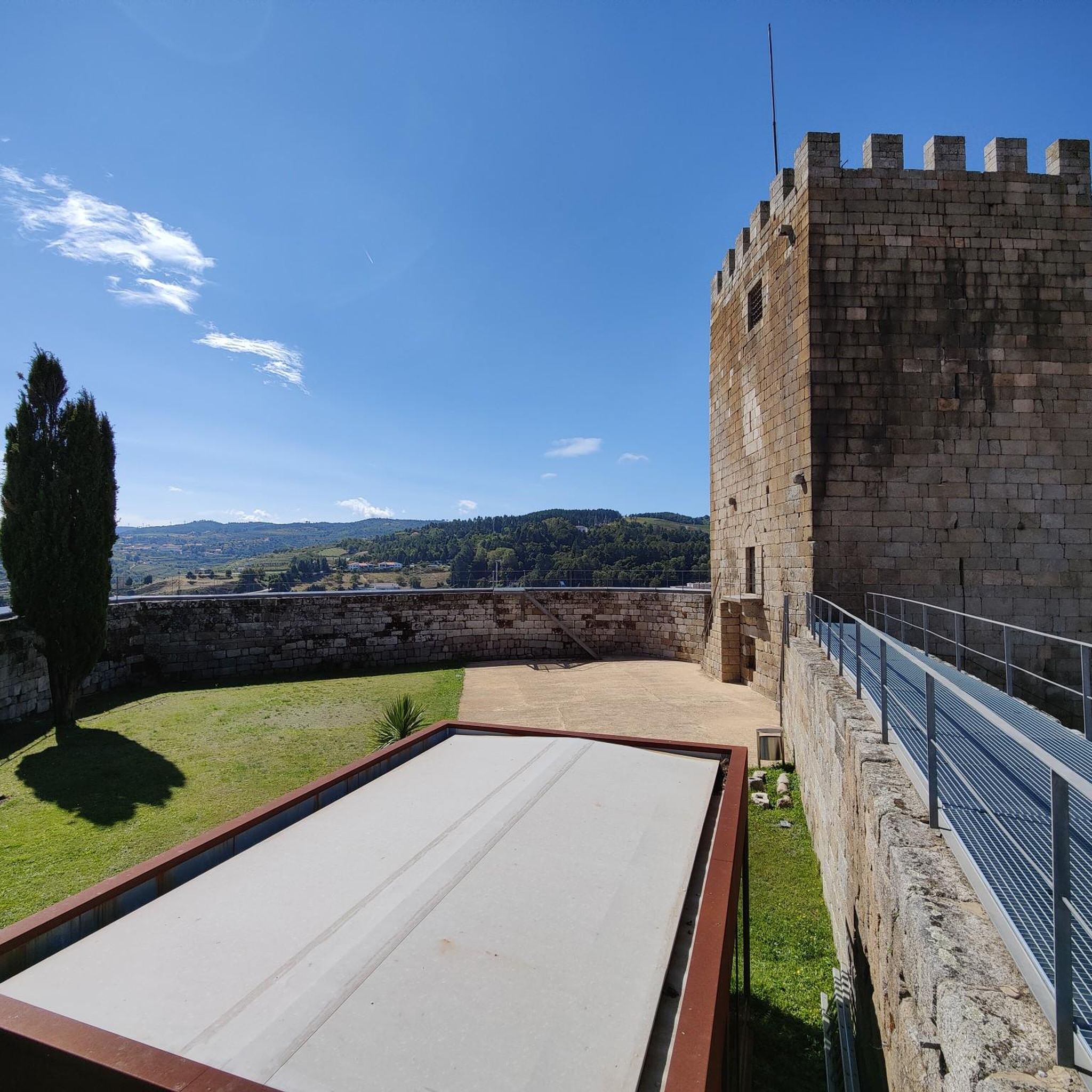
Lamego Castle
Highlight • Castle
Translated by Google •
Tip by

Translated by Google •
Tip by
Sign up now to discover places like this
Get recommendations on the best single tracks, peaks, & plenty of other exciting outdoor places.
Sign up for free
Lamego Cathedral
Highlight • Religious Site
Translated by Google •
Tip by
Ucanha Tower and Bridge
Highlight • Bridge
Translated by Google •
Tip by

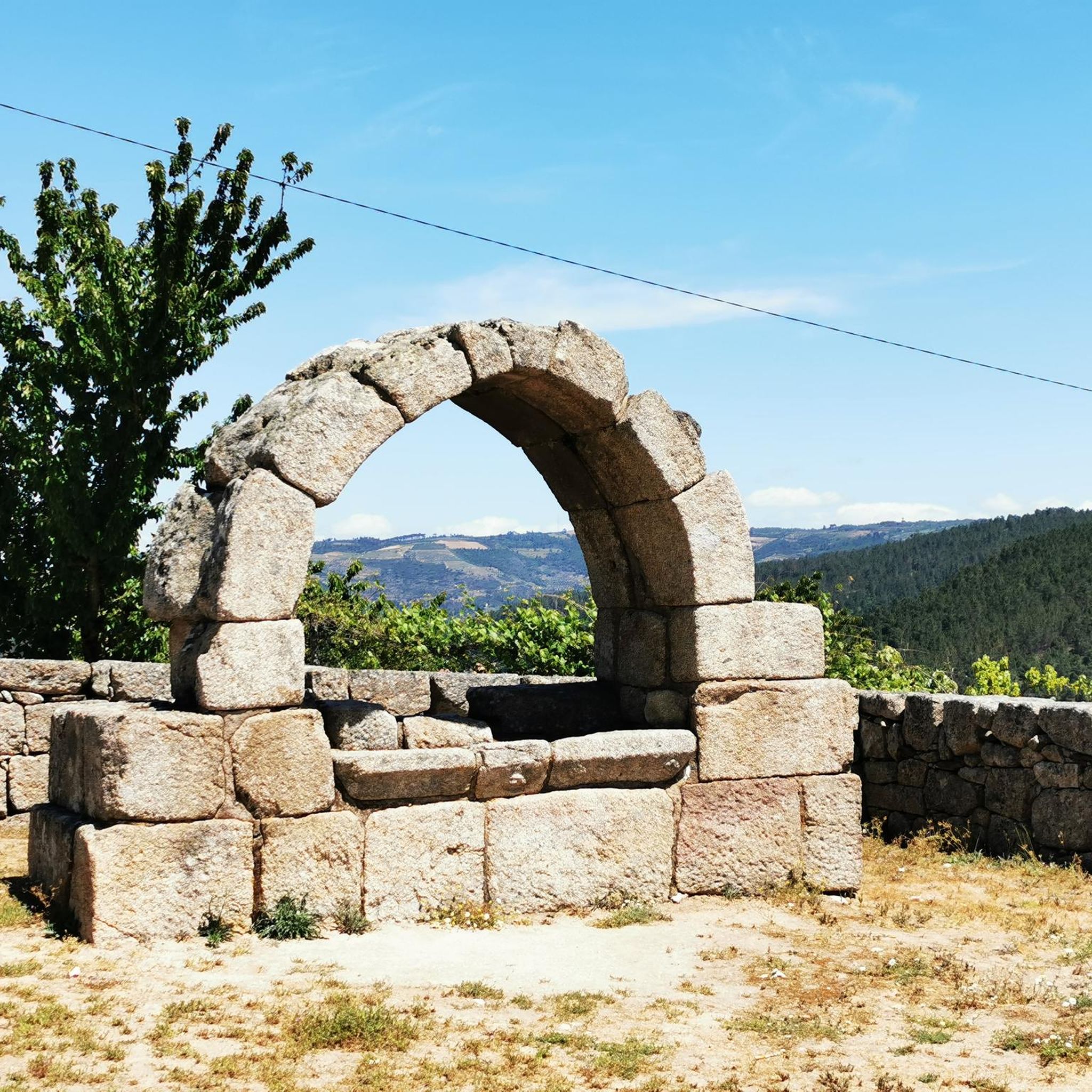
Chapel of Saint Anthony
Highlight • Religious Site
Translated by Google •
Tip by

Sign up for free to discover even more attractions around Dálvares.
Sign up for free
Already have an account?
Start today with a free account
Your next adventure awaits.
Login or Signup


Tips from the Community

This beautiful chapel, dedicated to the Holy Spirit, is located next to the fountain of the same name. Although small, the chapel's interior is very interesting, with its Baroque altar, gilded carved pulpit, and tiles covering the walls.
0
0

A beautiful church, both inside and out. The courtyard is also worth seeing 😃
2
0
The somewhat arduous path up the stairs is rewarded with a fantastic view and a church worth seeing.
1
1

A charming village with a typically medieval feel, the town still consists of a small, romantic line of houses stretching along a narrow path, Rua Principal, Rua Direita, or simply Rua, since it is the only street in the village. Winemaking, particularly elderberry, a strong presence in the village, continues to be the main source of livelihood. The village's two landmarks stand proudly at the entrance to the old Couto de Salzedas. They are the Tower and the Ucanha Bridge, two rare gems of the Douro Heritage. Some scholars suggest that the Ucanha Bridge, a National Monument, was built on an earlier Roman structure, while others suggest that it already existed in the 12th century. In any case, the current structure, in Gothic style, was built in the 15th century. Next to it stands a robust, square-shaped tower, formerly intended not only to guard the entrance to Couto de Salzedas, but also to allow the collection of tolls to which the Monastery was entitled.
1
0

Spiral staircase, bell tower, view. Great!
1
1
Castelo de Lamego was constructed during the 12th century and was an important defensive structure during the Middle Ages. The castle underwent various renovations over the centuries, with the addition of Gothic and Manueline elements in the 15th and 16th centuries. Today, the castle is mostly in ruins, but visitors can still see the remaining walls, towers, and gates that once surrounded the fortress. The castle is situated on a hill overlooking the city and offers panoramic views of the surrounding landscape.
2
0

You can walk up stairs 🏃🏻♂️ but there are also hiking trails to the left and right
4
2

The medieval bridge over the Varosa River with its tower is a rare example of civil Gothic architecture in Portugal.
1
0
Frequently Asked Questions
What historical sites can I explore near Dálvares?
The region around Dálvares is rich in history. You can visit the impressive Lamego Castle, a 12th-century defensive structure offering panoramic views. Don't miss the unique Ucanha Tower and Bridge, considered rare gems of the Douro Heritage, with the bridge possibly having Roman origins. The Lamego Cathedral, with its 12th-century art elements and Renaissance cloister, is also a significant historical and religious site. Additionally, the Chapel of Saint Anthony offers a glimpse into local religious architecture.
Where can I find the best scenic views around Dálvares?
For breathtaking panoramic views, head to the View of Lamego and the Sanctuary of Nossa Senhora dos Remédios. This viewpoint provides a comprehensive perspective of Lamego and its surroundings. The Lamego Castle, situated on a hill, also offers excellent panoramic views of the landscape.
Are there family-friendly attractions in the Dálvares area?
Yes, the Lamego Cathedral is considered family-friendly. Its magnificent architecture, colorful vaults, and Renaissance cloister with a rose garden can be an engaging experience for all ages. The charming village of Ucanha, with its medieval feel and the historic Ucanha Tower and Bridge, also offers an interesting outing for families.
What outdoor activities, like hiking or cycling, can I do near Dálvares?
The Dálvares area offers various outdoor activities. For hiking, you can explore routes like the 'Lamego Cathedral loop' or 'Officers' Mess – Narrow Streets to the Castle loop'. Cyclists can enjoy routes such as the 'Douro Valley Wine Route' or the 'Highest Point of the EN2 – Nossa Senhora da Oliveira loop'. You can find more details and routes on the dedicated guides for Hiking around Dálvares and Road Cycling Routes around Dálvares.
What is the best time to visit Dálvares for outdoor activities?
Dálvares, located in northern Portugal, generally enjoys pleasant weather for outdoor activities from spring to early autumn (April to October). During these months, temperatures are mild to warm, making it ideal for exploring historical sites, hiking, and cycling. Summers can be hot, so early mornings or late afternoons are best for strenuous activities.
What cultural experiences are available in Dálvares?
Beyond historical landmarks, Dálvares and its surroundings offer cultural insights into Portuguese heritage. The village itself, situated on the slopes of Santa Barbara mountain and along the Varosa River, showcases traditional life. Winemaking, particularly elderberry, is a significant local activity and a strong presence in the region's culture. You can also visit the Museu do Sparkling da Murganheira for an experience related to local produce and history.
Are there any natural features or landscapes to appreciate in Dálvares?
Dálvares is nestled in a scenic landscape, situated on the slopes of Santa Barbara mountain and along the left bank of the Varosa River. The village itself provides a picturesque setting. While specific natural parks are not highlighted, the general area offers charming views of the river valley and mountainous terrain, perfect for those who appreciate natural beauty alongside historical exploration.
What is the significance of the Ucanha Bridge and Tower?
The Ucanha Bridge and Tower are considered 'rare gems of the Douro Heritage'. The Ucanha Bridge, a National Monument, is believed to have Roman origins, with its current Gothic structure dating back to the 15th century. The robust, square-shaped tower adjacent to it historically guarded the entrance to Couto de Salzedas and was used to collect tolls for the Monastery, making them significant examples of civil Gothic architecture and medieval history.
What do visitors enjoy most about the attractions around Dálvares?
Visitors particularly appreciate the panoramic views offered by sites like the View of Lamego and the Sanctuary of Nossa Senhora dos Remédios and Lamego Castle. The architectural beauty and historical significance of places like the Lamego Cathedral, with its colorful vaults and rose garden, are also highly praised. The medieval charm of Ucanha village and its bridge and tower are frequently mentioned as highlights.
Is public transport available to reach attractions near Dálvares?
While Dálvares itself is a smaller village, the nearby city of Lamego, where many of the highlighted attractions are located, is more accessible by public transport. From Lamego, local transport or walking may be options to reach specific sites. For some attractions, like the Sanctuary of Nossa Senhora dos Remédios, you can drive part of the way or choose to hike up.
Are there running trails available near Dálvares?
Yes, there are several running trails in the vicinity of Dálvares. Options include the 'GR 64 - Monks' Path' for a longer, more challenging run, or shorter loops like 'Cisterna de Lamego loop' and 'Running loop from Penude'. You can find more detailed information and routes on the Running Trails around Dálvares guide page.
What is the Paço de Dalvares House?
The Paço de Dalvares House (Paço de Dálvares) is a historical monument located within the village of Dálvares. It represents a significant piece of the region's rich past and is a notable point of interest for those exploring the local heritage.

Get inspired with the komoot mobile app


Explore more
Still not found the Highlight you’re looking for? See guides of the top attractions in other regions:
