The best MTB trails around okres Zlaté Moravce
34
riders
15
rides
Mountain biking around okres Zlaté Moravce offers a diverse landscape for exploration. The region features a mix of rolling hills, dense forests, and historical sites, providing varied terrain for mountain bikers. Notable elevations include peaks like Veľký Inovec, while routes often pass by castles, springs, and reservoirs. This area in Nitra, Slovakia, provides a natural setting for outdoor activities.
Best mountain bike trails around okres Zlaté Moravce
- The most popular mountain bike trail is Veľký Inovec (901 m) – Topolčianky…
Last updated: July 1, 2026
6
riders
42.2km
03:48
820m
820m
Moderate mountain bike ride. Good fitness required. Advanced riding skills necessary.
8
riders
28.5km
01:50
310m
310m
Moderate mountain bike ride. Good fitness required. Suitable for all skill levels.

Sign up for free
3
riders
37.2km
02:40
440m
440m
Moderate mountain bike ride. Good fitness required. Suitable for all skill levels.
3
riders
21.7km
01:38
230m
230m
Easy mountain bike ride. Great for any fitness level. Suitable for all skill levels.
5
riders
50.0km
03:48
870m
870m
Moderate mountain bike ride. Good fitness required. Suitable for all skill levels.
3
riders
29.1km
02:50
680m
680m
Moderate mountain bike ride. Good fitness required. Suitable for all skill levels.
1
riders
15.9km
01:28
330m
330m
Moderate mountain bike ride. Good fitness required. Suitable for all skill levels.
2
riders
23.8km
01:48
490m
490m
Moderate mountain bike ride. Good fitness required. Suitable for all skill levels.
Get access to more routes and recommendations from other explorers.
Sign up for free
Already have an account?
Our route recommendations are based on thousands of hikes, rides, and runs completed by other people on komoot.
Start today with a free account
Your next adventure awaits.
Login or Signup
Tips from the Community

The castle is first mentioned in sources in 1300, when it was the property of master Petr Čak. After the death of his heirs, the castle passed into the hands of the king. The Oponický Castle was under the administration of the royal castellan until 1392, when Peter Evra of Stráží finally became the sole owner. He was the first to derive his name from the name of the castle and from 1411 he began to use the predicate "de Appon". The Hussite threat in the first half of the 15th century forced the castle owners to build a new fortification with modern loopholes. The looming Turkish threat was another incentive to further expand the castle. The then owner of the castle, Bene dikt Apponi, had a cannon bastion called Terés built on the west side. At the end of the 16th century, when Juraj Apponi was the owner of the castle, another reconstruction took place at the castle, with the focus on the development of artillery. To meet the needs of long-term residents of the castle, he built rooms that also met the requirements of representing a family with high social status. During this period, the Renaissance castle was built in the north-eastern part of the forecourt. It was Juraj's brother Peter who completed this reconstruction. In 1645, a devastating fire broke out at the castle. During the Rákoci Uprising, the castle still served as a refuge for the insurgents. At the end of the 17th century, the castle was probably blown up by the Turks or completely destroyed during the uprising of Juraj Rákoci II.
3
0
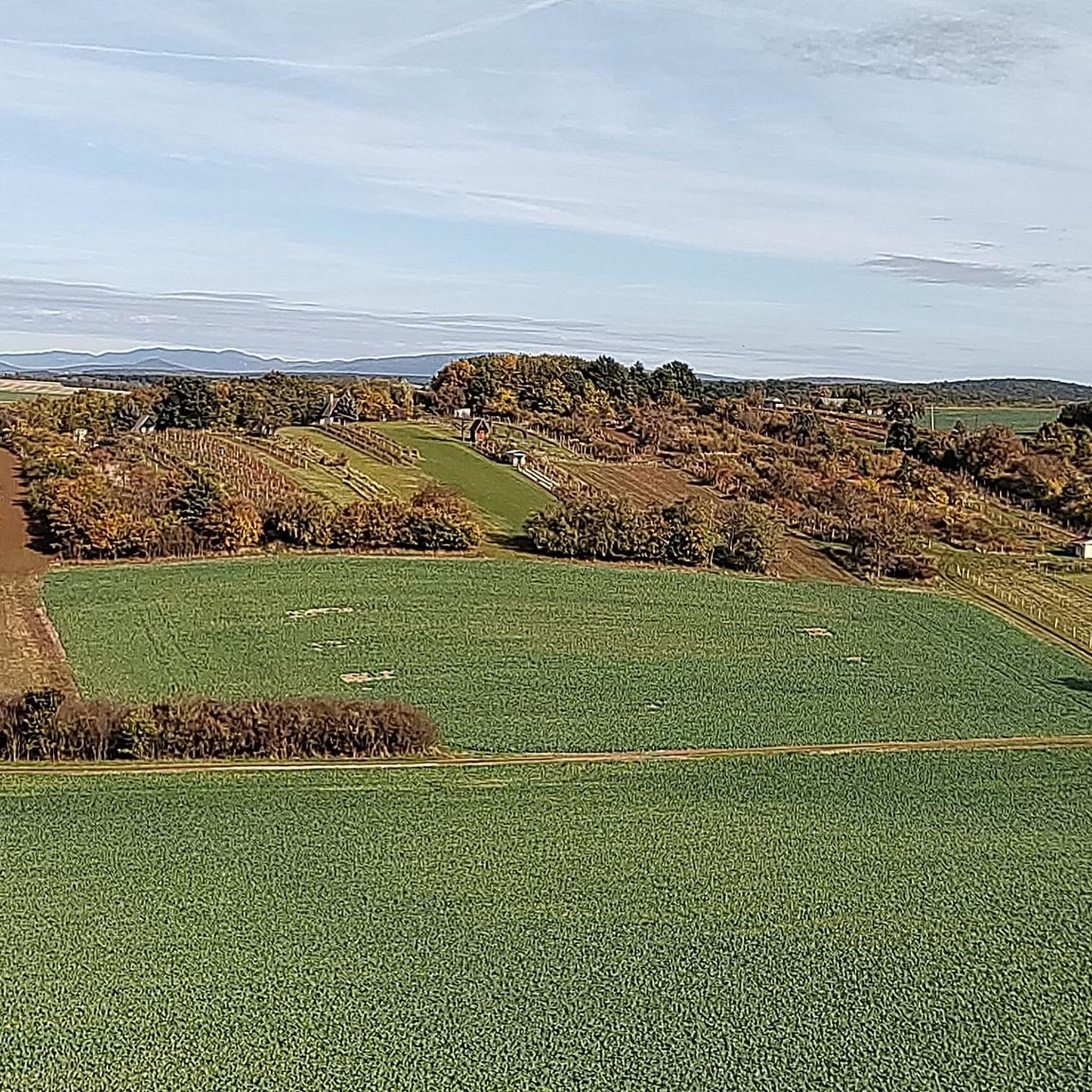
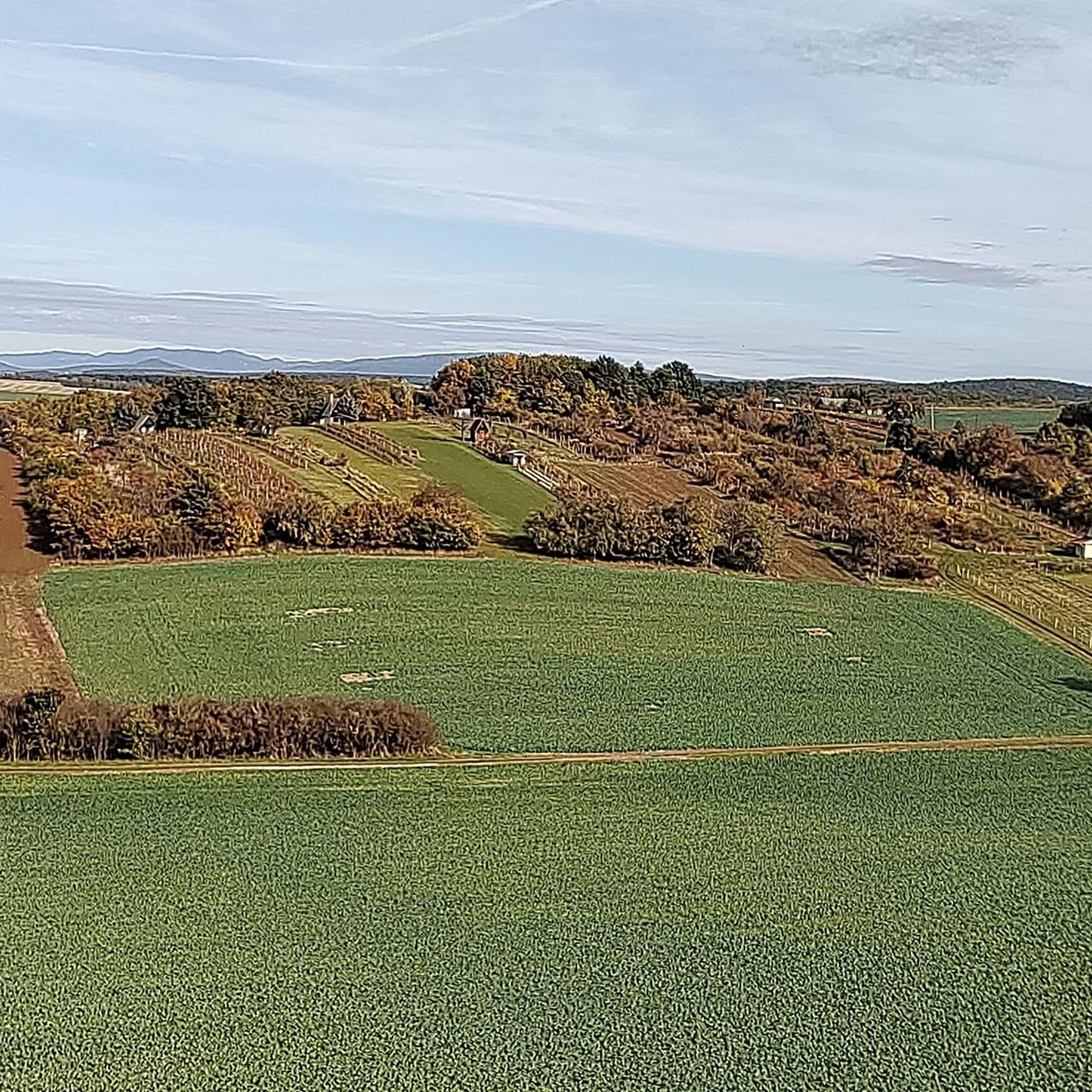
The castle is freely accessible, but the entire complex is a dilapidated ruin. The central entrance alone is adventurous. Here, branches have been nailed together to form a makeshift bridge. Here, friends of the castle have made the ruins accessible to visitors with little money and a lot of initiative. Red information signs point out your own responsibility: "Entry into the grounds of Oponicke Castle is at your own risk. BE RESPONSIBLE, THANK YOU" How wonderfully pragmatic! Even if you don't dare cross the bridge, the walk is worth it. The forecourt of the castle is grassy and invites you to linger. You have a wonderful view of the lovely cultural landscape with the rolling hills and the surrounding villages.
3
0

The pride of the municipality of Topoľčianky, north of Zlaté Moravce in western Slovakia at the foot of the Tribeč Mountains, is a vast English park with a picturesque neoclassical castle forming the southern wing of an older chateau. Originally there was a Gothic moated castle and later a Renaissance fortress. At the beginning of the 19th century, the then owner, Count Jan Keglevich, had the southern Renaissance wing demolished and in its place built a Classicist wing, which is considered to be one of the most beautiful and purest architectural representations of Classicism in Slovakia. In the past, the palace was the summer residence of the Habsburgs, and after the First World War it was the summer residence of the presidents. The last major reconstruction of the three Renaissance wings of the entire building took place at this time. The first President of the Czechoslovak Republic, T.G. Masaryk loved to visit Topoľčianky not only for work, but also for recreation. The classicist wing of the palace gradually became a museum. Its visitors can admire an extensive library with over 14 thousand volumes, which is one of the few preserved chateau libraries in Slovakia. The contemporary interior and valuable furniture from the 16th to 19th centuries with beautiful pictorial decorations and ceramic and porcelain collections also deserve attention (it is one of the largest ceramic collections in Slovakia).
0
0
Château Topoľčianky is a wine producer founded in 1933 in the central part of the Danube plain in theLogo Chateau Topolcianky South of the Slovak Republic. With over six million bottles produced each year, it is the country's leading wine producer and one of the most established wine brands in the Central European region. On their own 400 hectares of vineyards around the village of Topoľčianky, they produce more than 6,000,000,000 bottles of red, white and rose wines annually. The tradition of viticulture in this region dates back to 1723 and many families have long-established wineries in the region. On selected varieties, they maintain a tradition of working closely with smaller winemakers in the region, buying a few extra grapes from them every year. Their wines include typical varieties in the Danube region in categories of quality wines and wines with attributes. Typical grapes of the region include Grüner Veltliner, Welschriesling, Pinot Blanc, Blaufränkich, Pinot Noir and some regional specialties such as Palava, Devin and Alibernet. The combination of northern climate and variable soil conditions with professional treatment by qualified winegrowers results in highly interesting wines of top quality.
0
0


Putifar was the first breeding bison male in the bison field, which was donated to us by the Polish government
0
0

Pleasant sitting on the terrace, refreshments on the route Nitra Gýmeš
0
0
Excellent swimming after a fable in the woods below Zobor
0
0
Frequently Asked Questions
Are there mountain bike trails suitable for beginners in okres Zlaté Moravce?
Yes, the region offers trails suitable for beginners. For example, the Oponice Castle Ruins loop from Oponice is an easy 13.5 miles (21.7 km) path that winds through local landscapes and features historical castle ruins, making it a great option for those starting out.
What options are available for experienced mountain bikers seeking a challenge?
While the majority of routes are moderate, there are challenging sections and longer rides. The Veľký Inovec (901 m) – Topolčianky Castle loop from Topoľčianky, for instance, is a moderate 19.4 miles (31.2 km) trail with significant elevation gain, ascending to a prominent peak. For even longer rides, the Château Topoľčianky Winery – Topolčianky Castle loop from Topoľčianky covers over 50 km with substantial climbing.
Can I find circular mountain bike routes in the region?
Yes, many of the mountain bike trails in okres Zlaté Moravce are designed as loops, offering convenient starting and ending points. Examples include the Pustovníkova Spring loop from Mýtna Nová Ves and the Topolčianky Castle – Putifar Spring loop from Topoľčianky.
What natural and historical sights can I explore along the mountain bike trails?
The trails often pass by a mix of natural and historical attractions. You can encounter historical sites like the Topoľčianska Zubria Game Reserve, which is home to European bison, or the ruins of Oponice Castle. Natural features include springs like Zlatno Spring and various viewpoints from peaks like Veľký Inovec.
Are there any huts or shelters available along the trails for a break?
Yes, there are several huts and shelters in the area that can provide a resting spot. Notable options include Chata pod Veľkým Inovcom and Veľký Inovec Mountain Hut (850 m), often found near higher elevations. You might also find smaller shelters like Žliabok Spring and Shelter.
Are there mountain bike trails with refreshment stops or pubs nearby?
Some routes offer opportunities for refreshments. For example, the Pub in Žirany – Jelenec Reservoir loop from Výčapy-Opatovce is specifically named for a pub in Žirany, indicating a potential stop. The region also has wineries, such as those near Topoľčianky, which might offer tasting opportunities.
When is the best time of year to go mountain biking in okres Zlaté Moravce?
The best time for mountain biking in okres Zlaté Moravce is typically from spring to autumn (April to October). During these months, the weather is generally mild, and trails are dry and accessible. Winter conditions can bring snow and ice, making many trails challenging or impassable for mountain biking.
Are there family-friendly mountain bike trails in okres Zlaté Moravce?
For families, the easier, less technical routes are recommended. The Oponice Castle Ruins loop from Oponice is an easy trail that could be suitable for families with some biking experience, offering historical interest without extreme difficulty.
Where can I find parking or access points for mountain bike trails?
Many trails start from villages or towns like Topoľčianky, Oponice, or Mýtna Nová Ves, where you can often find designated parking areas. For instance, routes like the Veľký Inovec (901 m) – Topolčianky Castle loop typically begin from Topoľčianky, which has parking facilities. It's always advisable to check the specific route details for recommended starting points and parking information.
How many mountain bike trails are there in okres Zlaté Moravce?
There are over 15 mountain bike trails documented in komoot for the okres Zlaté Moravce region, offering a variety of experiences from easy to difficult. This includes 1 easy route, 12 moderate routes, and 3 difficult routes.
What is the typical duration for mountain bike routes in okres Zlaté Moravce?
The duration of mountain bike routes varies significantly depending on the trail's length and difficulty. Many moderate routes, such as the Pustovníkova Spring loop from Mýtna Nová Ves (42.2 km), can take around 3 hours 47 minutes. Shorter, easier routes might be completed in under 2 hours, while longer, more challenging ones can extend to 4-5 hours or more.
What do other mountain bikers enjoy the most about mountain biking in okres Zlaté Moravce?
Mountain bikers often praise the diverse landscape, which includes rolling hills, dense forests, and historical sites. The region offers a good mix of terrain for various skill levels, and the presence of natural springs and historical castles along the routes adds to the enjoyment. Many appreciate the well-maintained trails and the opportunity to explore both nature and culture.
Most popular routes around okres Zlaté Moravce
Most popular attractions around okres Zlaté Moravce

Get inspired with the komoot mobile app


Explore more
Browse the best MTB trails in other regions.
