Top 10 Castles around Münster, Kufstein
Best castles around Münster, Kufstein offer a blend of historical architecture and scenic landscapes across two distinct European regions. Münster, Germany, features Baroque palaces and moated castles, reflecting its history as a princely bishopric. Kufstein, Austria, is dominated by its formidable fortress and includes other historical castle ruins and estates. The areas provide diverse historical sites, from well-preserved Renaissance structures to medieval ruins, set within varied natural environments.
Best castles around Münster, Kufstein
- The most popular castles is Matzen Castle…
Last updated: August 29, 2026
View of Lichtwerth Castle from the Inn Cycle Path
Highlight • Viewpoint
Translated by Google •
Tip by

Tratzberg Castle
Highlight • Castle
Translated by Google •
Tip by

Sign up now to discover places like this
Get recommendations on the best single tracks, peaks, & plenty of other exciting outdoor places.
Sign up for free
Rattenberg Old Town
Highlight • Settlement
Translated by Google •
Tip by

Matzen Castle
Highlight • Castle
Translated by Google •
Tip by

Kropfsberg Castle
Highlight • Castle
Translated by Google •
Tip by

Sign up for free to discover even more castles around Münster, Kufstein.
Sign up for free
Already have an account?
Start today with a free account
Your next adventure awaits.
Login or Signup
Popular around Münster, Kufstein
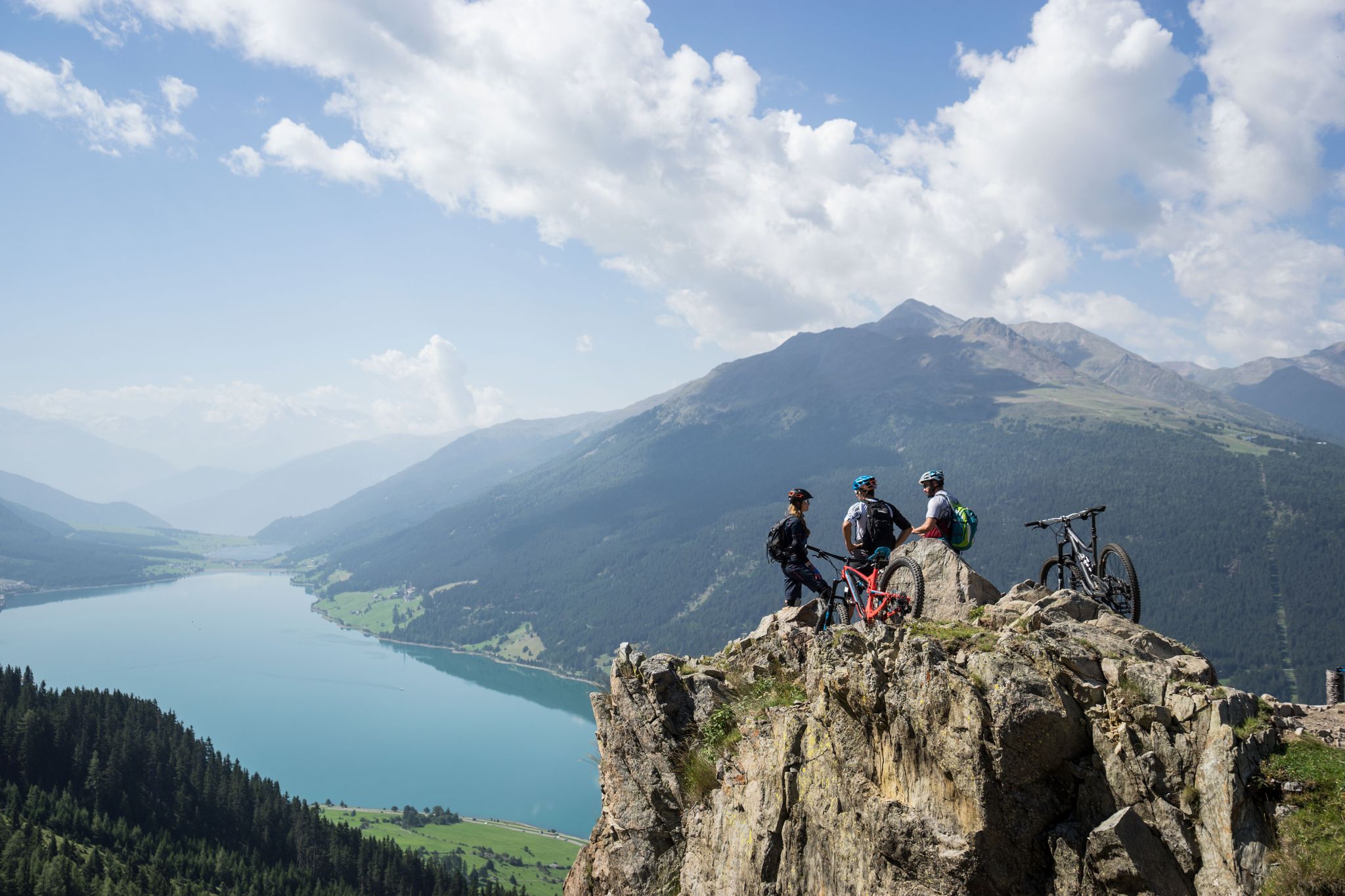
High into the Tyrolean mountain world – mountain biking in Tyrol
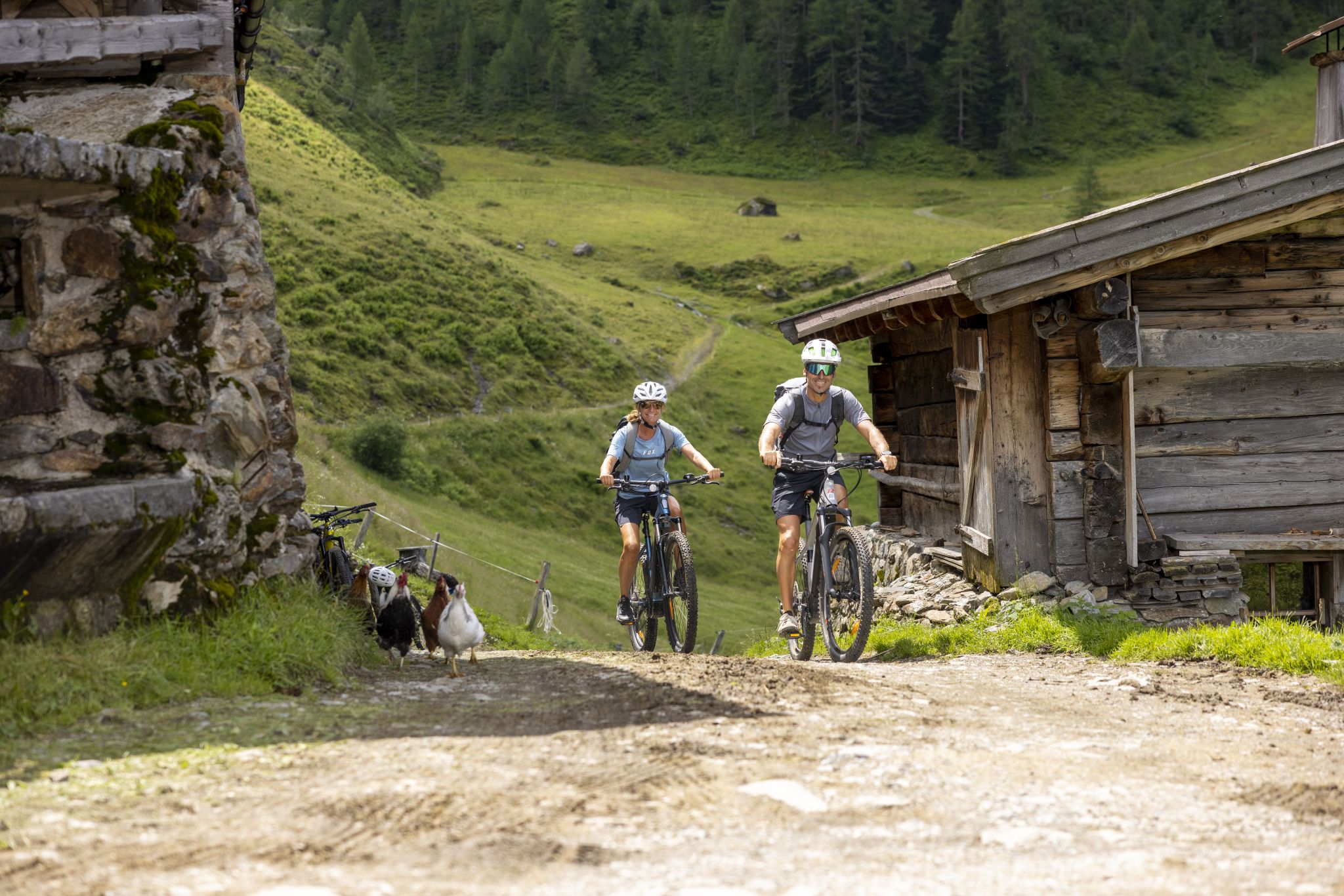
E-Biking in Austria’s Alpbachtal – discovering Tyrol on two wheels
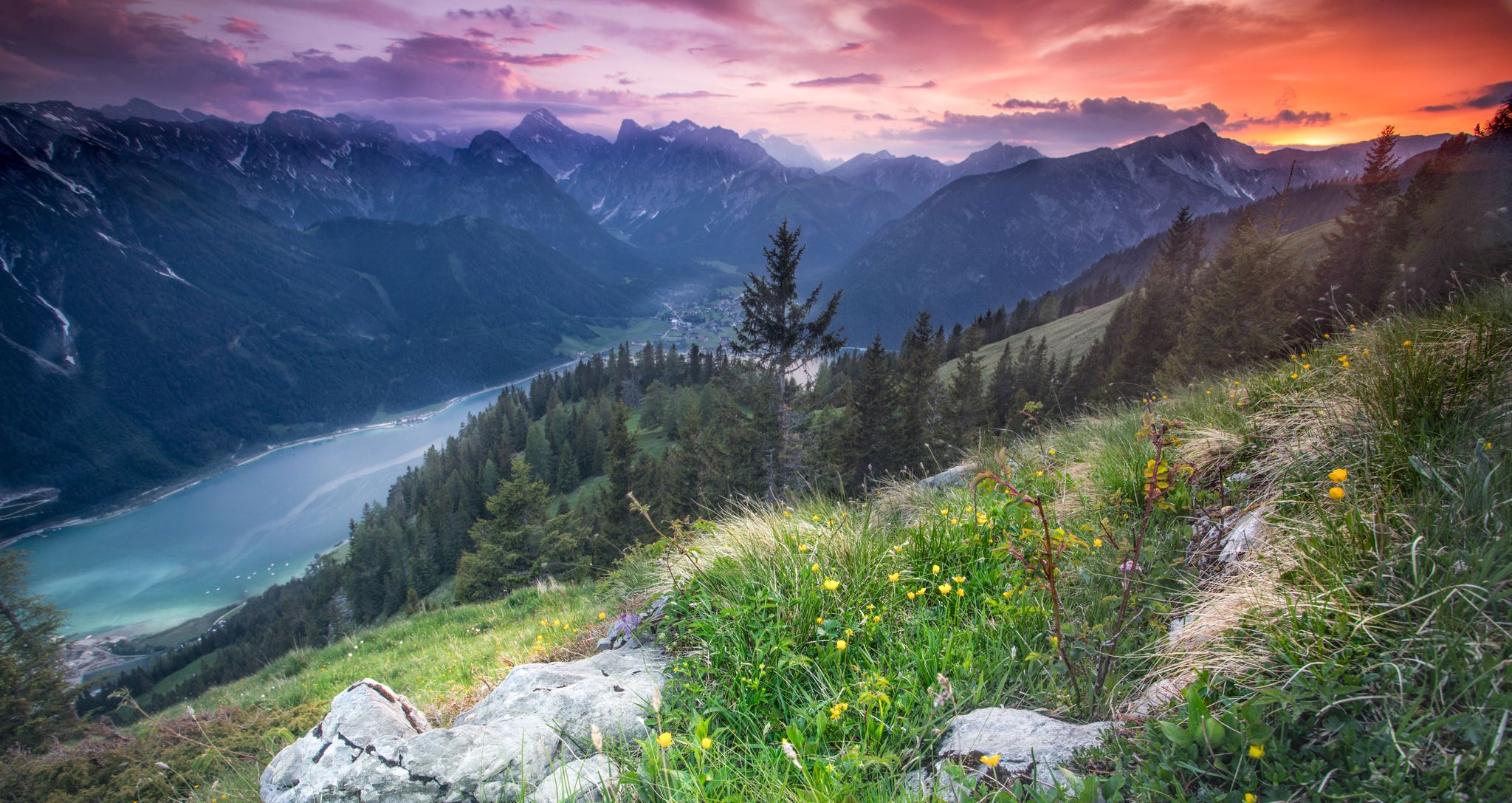
The Rofan circuit in four stages – hiking on the Achensee
MTB Trails around Münster, Kufstein
Hiking around Münster, Kufstein
Mountain Hikes around Münster, Kufstein
Road Cycling Routes around Münster, Kufstein
Cycling around Münster, Kufstein
Running Trails around Münster, Kufstein

Gravel biking around Münster, Kufstein
Other adventures around Münster, Kufstein


Tips from the Community

If I'm interpreting this correctly, you have a view of several castles or fortresses from this vantage point. However, anyone looking for Lichtwerth Castle will only find it in a few of the uploaded pictures. Most of the images show Kropfsberg Castle, which stands on a hill jutting out into the Inn Valley and is largely a ruin. Lichtwerth, on the other hand, sits in the middle of a meadow on the plain and is well-preserved. To clear up any confusion: Beyond Lichtwerth, on the other side of the main road, more towards Brixlegg, is the larger Matzen Castle, which is now a hotel and also houses an upscale restaurant in its courtyard. It also boasts a large, beautiful park.
1
0

Together with the castle park, it forms an impressive ensemble.
2
0
Imposing castle in the Inn Valley
0
0
A stately castle and estate where you can stay in style, eat fine food, and take a leisurely stroll through the park.
0
0

The castle is open from Tuesday to Sunday, 10:00 AM to 4:00 PM. The castle cannot be visited freely; it can only be visited as part of a guided tour.
0
0

But unfortunately it is not the fortress of Kufstein!😉😉
0
1

The Renaissance Jewel Among Austria's Castles and Fortresses Tratzberg Castle was first documented in the 13th century and served as a former border fortress against Bavaria. Emperor Maximilian used Tratzberg as a hunting lodge, but the original fortified castle was completely destroyed by fire in 1492. The emperor did not rebuild Tratzberg but instead exchanged the ruins for a castle belonging to the wealthy silver mine owners, the Tänzel family. In 1500, they erected the first late Gothic section of the present-day Tratzberg Castle in an unusually magnificent and lavish manner, furnishing it with extraordinarily artistic marble, wood, and ironwork. In 1554, the wealthy Augsburg merchant Georg Ritter von Ilsung acquired the castle, expanding and altering it in the spirit of the Renaissance. Through inheritance, Tratzberg became the property of the well-known and wealthy Fugger merchant family, who further embellished the castle. The magnificently painted inner courtyard and most of the furnishings still preserved today, as well as the exquisite Renaissance rooms, date from this period. After several changes of ownership, Tratzberg remained uninhabited for almost 150 years. Through the marriage of Count Franz Enzenberg to Countess Ottilie Tannenberg, the by then almost derelict castle passed into the possession of the Counts Enzenberg in 1847, and it has remained their private residence ever since. To this day, it is only thanks to the great dedication of the family that the approximately 6,800 square meter Tratzberg, with its 5,000 square meter shingle roof, has once again become the epitome of a 16th-century Tyrolean castle and thus one of the most important artistic and cultural monuments in the region, open to the public. Text / Source: Tratzberg Castle, Tratzberg 1, A-6200 Jenbach https://www.schloss-tratzberg.at/geschichte/
17
0
The eventful history of Tratzberg Castle: What began more than 500 years ago as a small fortified settlement has developed into one of the most beautiful and best-preserved Renaissance castles in Austria. Tratzberg Castle frequently changed hands, suffered many setbacks, and was continually expanded. Today, Tratzberg Castle is one of the few castles still privately owned and even serves as the residence of the Count Goëss-Enzenberg family. Text / Source: Tratzberg Castle, Tratzberg 1, A-6200 Jenbach https://www.schloss-tratzberg.at/geschichte/
17
0
Frequently Asked Questions
What are the most popular historical sites around Münster and Kufstein?
The region offers a diverse range of historical structures. In the Kufstein area, Tratzberg Castle is highly regarded as one of Austria's most beautiful and best-preserved Renaissance castles. Visitors also enjoy Matzen Castle for its impressive park and historical significance. The Kufstein Fortress itself is a major landmark, offering over 800 years of history and panoramic views. For Münster, the Schloss Münster, a Baroque palace now home to the university, and the moated Hülshoff Castle are notable.
Are there family-friendly castles or historical sites to visit?
Yes, several sites are suitable for families. Tratzberg Castle offers a special tour for children where they can meet a knight, and the 'Tratzberg Express' miniature train adds to the fun. Matzen Castle features a beautiful park with four artificial ponds, perfect for a stroll. The Thierberg Castle Ruins near Kufstein also have a park with a playground. In Münster, the botanical garden surrounding Schloss Münster is a pleasant family-friendly area.
What natural features or viewpoints can I find near these castles?
Many historical sites are set amidst beautiful natural landscapes. Near Kufstein, the View of St. Georgenberg Monastery offers magnificent panoramic mountain views high above the Stallental valley. The Kufstein Fortress provides stunning views of the Inn Valley and the Kaiser Mountains. The Thierberg Castle Ruins also boast impressive panoramic views. In Münster, the botanical garden at Schloss Münster offers a serene environment with its diverse plant collections.
What outdoor activities can I do near the castles in the Münster and Kufstein regions?
The areas around Münster and Kufstein offer various outdoor activities. You can find numerous cycling routes, including options for gravel biking and touring. For example, there are routes like the 'Achensee Cycle Path' or 'The cycle bridge near Rotholz' for cycling. Running trails are also available, such as the 'Running loop from Münster'. You can explore more options and detailed routes on the Gravel biking around Münster, Kufstein, Cycling around Münster, Kufstein, and Running Trails around Münster, Kufstein guide pages.
Are there specific hiking trails that include castles in the Kufstein region?
While specific hiking trails directly to every castle are not detailed, many castles are accessible via walks or are part of scenic routes. The Thierberg Castle Ruins, for instance, are located above Kufstein and are part of a historic tourist destination that combines history, nature, and faith, suggesting walking paths. The Kufstein Fortress is accessible by foot, offering a historical walk up to the landmark.
What is the best time to visit the castles in Münster and Kufstein?
The best time to visit largely depends on your preferences. Spring and summer (May to September) generally offer pleasant weather for exploring the exteriors, gardens, and surrounding natural areas, such as the botanical garden at Schloss Münster or the park at Matzen Castle. During these months, outdoor events and daily performances of the 'Heroes' Organ' at Kufstein Fortress are also common. Autumn can also be beautiful with changing foliage.
Are there any less crowded or 'hidden gem' castles around Kufstein?
While not extensively detailed as 'hidden gems', Kropfsberg Castle, one of the largest castle ruins in the region, offers a glimpse into history with its three mighty towers and less frequent mention compared to the main fortress. Lanegg Castle is another historical site that might offer a quieter experience.
Can I find cafes or pubs near the castles in Münster?
Yes, in Münster, the city center is easily accessible from sites like Schloss Münster and Erbdrostenhof, offering numerous cafes, restaurants, and pubs. For a more secluded experience, Haus Rüschhaus, though a bit outside the city, is associated with beautiful gardens that provide a peaceful setting, and local establishments would be available nearby.
What makes <a href="https://en.wikipedia.org/wiki/Kufstein_Fortress" target="_blank" rel="noopener">Kufstein Fortress</a> unique?
Kufstein Fortress is unique for several reasons. It boasts a history spanning over 800 years, having been fiercely contested between Bavaria and Tyrol. It houses a city museum, an art gallery, and a well-preserved torture chamber. Its most distinctive feature is the 'Heroes' Organ' (Heldenorgel), the world's largest open-air organ, which plays daily at noon as a memorial. The fortress also serves as a popular event venue.
What is the historical significance of <a href="https://en.wikipedia.org/wiki/Schloss_M%C3%BCnster" target="_blank" rel="noopener">Schloss Münster</a>?
Schloss Münster is a significant Baroque palace built between 1767 and 1787, serving as the residence for the prince-bishops of Münster. Designed by Johann Conrad Schlaun, it's a landmark of the city. Although severely damaged in WWII, it was meticulously rebuilt and has been the seat of the University of Münster since 1954, blending historical grandeur with academic life.
Are there any castles associated with famous historical figures in the region?
Yes, Hülshoff Castle in Münster is famously the birthplace of the great German poet Annette von Droste-Hülshoff. Her former residence, Haus Rüschhaus, also a charming Baroque-style house museum, is located just 10 kilometers from Münster and features beautiful gardens.
What kind of architecture can I expect to see among the castles?
The region showcases a variety of architectural styles. In Münster, you'll find elegant Baroque palaces like Schloss Münster and Erbdrostenhof, alongside medieval moated castles such as Hülshoff Castle. In the Kufstein area, the formidable Kufstein Fortress represents centuries of defensive architecture, while Tratzberg Castle is a prime example of Renaissance design.
Most popular routes around Münster, Kufstein
Most popular attractions around Münster, Kufstein

Get inspired with the komoot mobile app


Explore more
Looking for the best castles somewhere else? Discover other guides around Münster, Kufstein:
