Top 11 Castles around Fritzens
Best castles around Fritzens are found in the picturesque region of Tyrol, Austria, known for its rich prehistoric heritage, including the Iron Age "Fritzens-Sanzeno Culture." While the village of Fritzens itself contains Thierburg Castle, this site is privately owned and not accessible to the public. The broader area offers historical fortifications that provide insights into the region's past. These sites are often situated with views of the Inn Valley, complementing the natural landscape.
Best castles around Fritzens
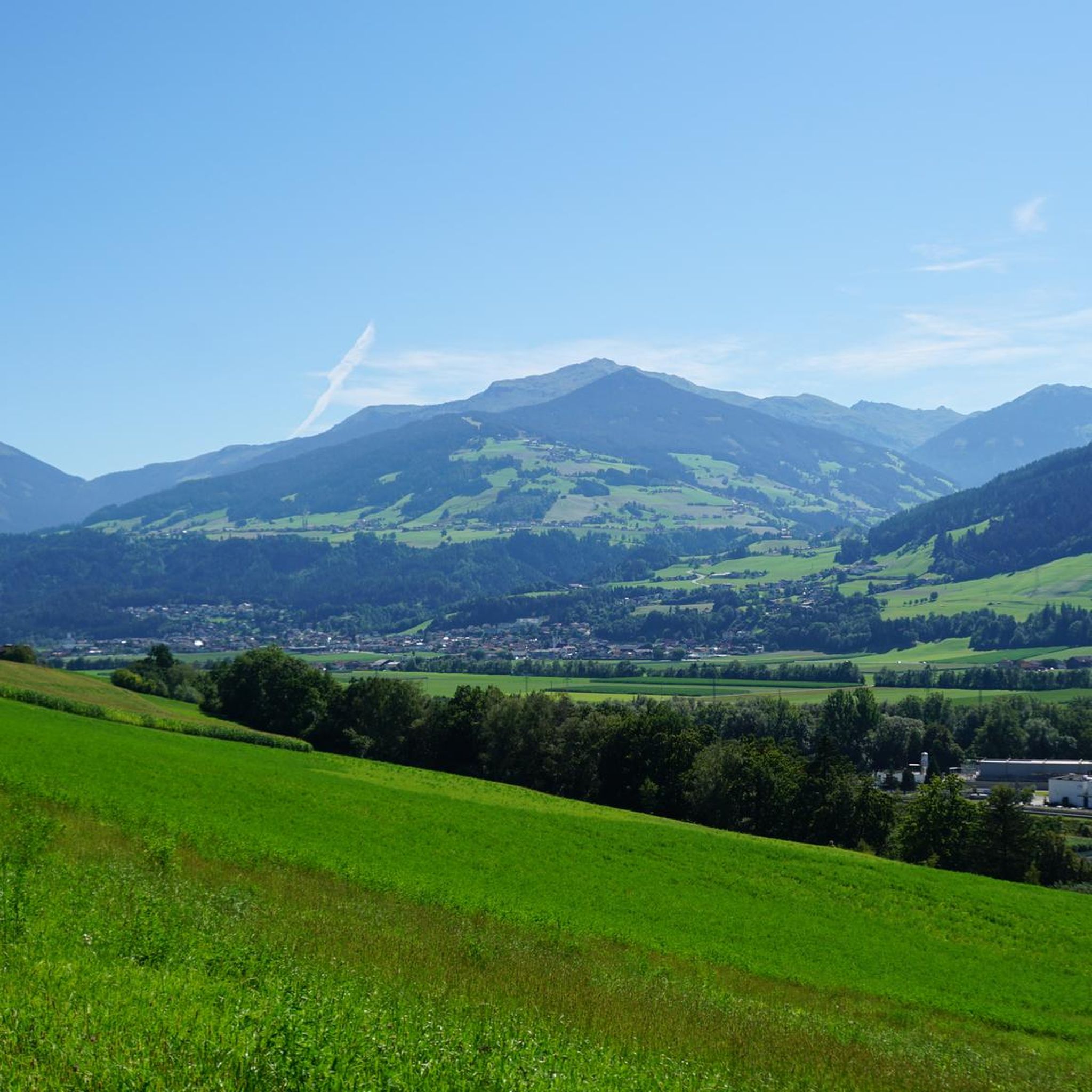
- The most popular castles is Thaur Castle Ruins, a castle that dates back to the 12th century. It is located on the edge of the Nordkette, offering views of the Inn Valley.
- Another must-see spot is Freundsberg Castle, a castle located on a steep hill south of Schwaz. Visitors can explore its local museum, which provides insight into the cultural and economic development of the silver city.
- Visitors also love Hasegg Castle, a historical site known for its mint tower. This castle was originally built to protect saltworks and shipping, and it now houses a coin museum.
- Fritzens is known for historical castle ruins and preserved castles with museums. These sites offer insights into medieval history and regional heritage.
- The castles around Fritzens are appreciated by the komoot community, with more than 250 upvotes and over 140 photos shared.
Last updated: May 4, 2026
Thaur Castle Ruins
Highlight • Castle
Translated by Google •
Tip by

Freundsberg Castle
Highlight • Castle
The beautiful castle church from the late Renaissance was only added between 1634 and 1637. The city of Schwaz has owned the complex since 1812 and had the local museum established in the castle tower in 1948: it offers an interesting insight into the cultural and economic development of the silver city. On the top floor, the old tower apartment takes you back to the time of the sovereign Duke Sigmund.
Translated by Google •
Tip by

Sign up now to discover places like this
Get recommendations on the best single tracks, peaks, & plenty of other exciting outdoor places.
Sign up for free
Hasegg Castle
Highlight • Castle
The old town of Hall is the largest preserved medieval old town in North Tyrol: its landmark is the mint tower of Hasegg Castle.
Two special features of this charming little town are its old town and the mint with the mint tower. In 1477, Archduke Sigmund of Tyrol moved the princely mint from Merano to Hall, probably because of its proximity to the silver mines of Schwaz. In 1748, the Maria Theresa thaler was minted over 17 million times here and used as a means of payment all over the world. Today, the coin museum at Hasegg Castle tells of these times, and the associated mint tower offers you a wonderful view of the city.
Text / Source: Tirol.tl
tirol.tl/de/tirol/innsbruck-und-umgebung/hall-in-tirol
Translated by Google •
Tip by

Water Wheels at Hasegg Castle (Hall Mint)
Highlight • Monument
The water-powered drive for the cylindrical stamping machine, which was a technical leader in its time, has been rebuilt by hand on its original location.
The roller minting machine was considered a technical sensation in the Middle Ages and was able to mint around 4000 coins a day. By way of comparison, a normal workman could only mint about 300 coins a day by hand.
In the 15th century, the “Guldiner”, the so-called “Taler currency”, was invented. This not only enabled economic exchange across national borders, but was also the origin of the name ‘dollar’.
The silver mine in Schwaz, operated by the German Fugger trading house, caused the demand for silver coins to skyrocket.
The demand for new talers could no longer be met by hand embossing, which was still common at the time. So they began to look for ways to automate the embossing process.
Archduke Ferdinand II of Tyrol (1529-1595) was a great enthusiast for technical innovations. Under him, not only was the Hall coin moved from the city centre to Hasegg Castle, but roller minting was also introduced.
The roller minting machine, driven by water power, was first used in Hall in 1571 and enabled the mass minting of silver coins. This form of minting was extremely efficient and offered a significant competitive advantage. The Hall Mint was thus the first mint in the world to make the transition from a craftsman’s business to an industrial enterprise.
This technology spread throughout Europe and was considered “state of the art” for over 180 years.
Tip by

Thaurer Schlössl Ruins
Highlight • Castle
Translated by Google •
Tip by

Sign up for free to discover even more castles around Fritzens.
Sign up for free
Already have an account?
Start today with a free account
Your next adventure awaits.
Login or Signup

Tips from the Community


Castle ruins above Thaur with beautiful views
0
0

Hasegg Castle, Hall in Tirol First mentioned in documents in the 13th century, the castle was built to protect the saltworks, shipping, the bridge over the Inn and to monitor the old salt road. The name comes from the Pfannhäuser, in which brine was evaporated and on whose "Egg" (corner) the castle was located. In the 15th century, the castle was expanded into a princely residence. In 1567, Archduke Ferdinand II had the mint moved here. Text / Source: Hall-Wattens Tourism, Unterer Stadtplatz 19, 6060 Hall in Tirol https://www.hall-wattens.at/de/burg-hasegg.html
16
0
Hasegg Castle, Hall in Tirol First mentioned in documents in the 13th century, the castle was built to protect the saltworks, shipping, the bridge over the Inn and to monitor the old salt road. The name comes from the Pfannhäuser, in which brine was evaporated and on whose "Egg" (corner) the castle was located. In the 15th century, the castle was expanded into a princely residence. In 1567, Archduke Ferdinand II had the mint moved here. Text / Source: Hall-Wattens Tourism, Unterer Stadtplatz 19, 6060 Hall in Tirol https://www.hall-wattens.at/de/burg-hasegg.html
16
0
Mint tower of Hasegg Castle, Hall in Tirol The old town of Hall is the largest preserved medieval old town in North Tyrol: its landmark is the mint tower of Hasegg Castle. Two special features of this charming little town are its old town and the mint with the mint tower. In 1477, Archduke Sigmund of Tyrol moved the princely mint from Merano to Hall, probably because of its proximity to the silver mines of Schwaz. In 1748, the Maria Theresa thaler was minted over 17 million times here and used as a means of payment all over the world. Today, the coin museum at Hasegg Castle tells of these times, and the associated mint tower offers you a wonderful view of the city. Text / Source: Tirol.tl https://www.tirol.tl/de/tirol/innsbruck-und-umgebung/hall-in-tirol/
16
0

The Münzerturm, the legendary landmark of the city of Hall, can also be visited. There are individual tickets for the museum and tower, as well as a combined ticket for both. Personal tours or tours with audio guides are available in various languages.
1
0

Freundsberg Castle is located on a steep hill south of Schwaz. It was built around 1150 AD as the ancestral home of the Knights of Freundsberg. Initially there was only a residential tower, in which parts of the original frescoes are still visible, but when Duke Sigismund the Rich acquired the castle and court in the 15th century, he had it converted into a hunting lodge. The beautiful castle church from the late Renaissance was only added between 1634 and 1637. The city of Schwaz has owned the complex since 1812 and had the local museum established in the castle tower in 1948: it offers an interesting insight into the cultural and economic development of the silver city. On the top floor, the old tower apartment takes you back to the time of the sovereign Duke Sigmund.
9
1

From the Münzerturm, the city's landmark, you have a wonderful view over the medieval town of Hall to the impressive Karwendel massif. The tower is located in the grounds of Hasegg Castle. A visit to the tower is not only worthwhile for the view. There is also an exciting museum here that explains everything about the coin and its production. You can find all the information here: https://www.muenze-hall.at.
1
0
Frequently Asked Questions
Are there any castles directly in Fritzens that I can visit?
Unfortunately, the only castle directly within Fritzens, Thierburg Castle, is privately owned and not accessible to the public. However, the broader Hall-Wattens region offers several historical fortifications for visitors.
Which castles around Fritzens are family-friendly?
Several castles in the area are suitable for families. Thaur Castle Ruins and Hasegg Castle are both categorized as family-friendly. Hasegg Castle, in particular, features the Hall Mint with its historical water wheels, which can be an engaging experience for children.
What historical insights can I gain from visiting castles near Fritzens?
The castles around Fritzens offer a deep dive into medieval history and regional heritage. For instance, Freundsberg Castle houses a local museum detailing the cultural and economic development of the silver city of Schwaz. Hasegg Castle in Hall in Tirol, with its mint tower, tells the story of coin production and its significance in the region's past.
Are there good viewpoints or natural features near the castles?
Yes, many castles are situated to offer stunning views. Thaur Castle Ruins, located on the edge of the Nordkette, provides excellent views of the Inn Valley. Similarly, Freundsberg Castle, perched on a steep hill, offers a wonderful panorama of the Inn Valley.
What outdoor activities can I combine with a castle visit?
The region around Fritzens is excellent for outdoor activities. You can find numerous routes for cycling, gravel biking, and mountain hiking. For example, there are cycling routes like the 'Hasegg Castle – Water wheels on the Amtsbach loop' that incorporate historical sites. Explore more options in the Cycling around Fritzens, Gravel biking around Fritzens, and Mountain Hikes around Fritzens guides.
What is the best time to visit the castles around Fritzens?
While specific opening hours vary by castle, generally, spring to autumn offers the most pleasant weather for exploring the outdoor ruins and enjoying the scenic views. Winter visits can be picturesque, but some paths might be less accessible, and certain attractions may have reduced hours.
Are there any cafes or restaurants near the castles?
Yes, some castles offer dining options. Freundsberg Castle has its own guest house where you can relax after exploring. For other locations, you'll find cafes and restaurants in nearby towns like Hall in Tirol or Schwaz.
How long should I plan for a visit to a castle?
The duration of your visit depends on the castle and your interests. For ruins like Thaur Castle Ruins, a quick look and enjoying the view might take an hour. For castles with museums like Freundsberg Castle or Hasegg Castle, you might want to allocate 2-3 hours to explore the exhibits and grounds thoroughly.
What do visitors enjoy most about the castles near Fritzens?
Visitors frequently appreciate the historical significance and the stunning views offered by these sites. The community has shared over 140 photos and given more than 250 upvotes, highlighting the picturesque ruins, the insights into medieval history, and the beautiful panoramas of the Inn Valley.
Are there any easy walks or hikes to reach the castles?
Many castles are accessible via relatively easy paths, though some, like Freundsberg Castle, involve a short, uphill climb. The reward is often a fantastic view. For Thaur Castle Ruins, the path offers a pleasant ascent to the ruins and the Romedi Chapel.
Is public transport available to reach the castles?
While Fritzens itself is well-connected, reaching specific castles often requires a combination of public transport to nearby towns (like Hall in Tirol or Schwaz) followed by a walk or a short local bus ride. It's advisable to check local bus schedules for the most direct routes to the castle vicinities.
Can I find any hidden gem castles or lesser-known historical sites?
While the main highlights like Thaur Castle Ruins, Freundsberg Castle, and Hasegg Castle are well-known, exploring the smaller paths and trails around the region can sometimes lead to less frequented historical markers or viewpoints that offer a unique perspective on the area's past.
Most popular routes around Fritzens
Most popular attractions around Fritzens

Get inspired with the komoot mobile app


Explore more
Looking for the best castles somewhere else? Discover other guides around Fritzens:
