Attractions and Places To See around Götzendorf - Top 20
Best attractions and places to see around Götzendorf are found in the flat and fertile Vienna Basin, situated between Vienna and Lake Neusiedl. This region offers a mix of natural beauty, historical landmarks, and cultural insights. Its central location provides a convenient base for exploring wider regional sights.
Best attractions and places to see around Götzendorf
- The most popular attractions is Emperor Franz Josef Tower, a viewpoint located at the highest point of the eastern Leithagebirge. It offers a…
Last updated: May 9, 2026
Confluence of the Triesting and the Schwechat rivers
Highlight • River
Translated by Google •
Tip by

Rest Area on the Ziegelbarone Cycle Route
Highlight • Rest Area
Translated by Google •
Tip by

Sign up now to discover places like this
Get recommendations on the best single tracks, peaks, & plenty of other exciting outdoor places.
Sign up for free
St. Anna Monastery in the Wüste
Highlight • Religious Site
Translated by Google •
Tip by

Emperor Franz Josef Tower
Highlight • Viewpoint
Translated by Google •
Tip by

Leopoldskapelle Ruins
Highlight • Historical Site
Translated by Google •
Tip by

Sign up for free to discover even more attractions around Götzendorf.
Sign up for free
Already have an account?
Start today with a free account
Your next adventure awaits.
Login or Signup
Tips from the Community

Cool old walls to discover
0
0

Great place for a short rest.
1
0

The remains of the chapel - only the outer walls remain - serve as an event location in summer. And that has a very special flair! You sit in the open air and yet protected.
5
0

The former monastery of St. Anna was founded by Eleonora von Mantua in 1644 and, after being destroyed by the Turks in 1683, flourished at the time of Maria Theresa.
1
0

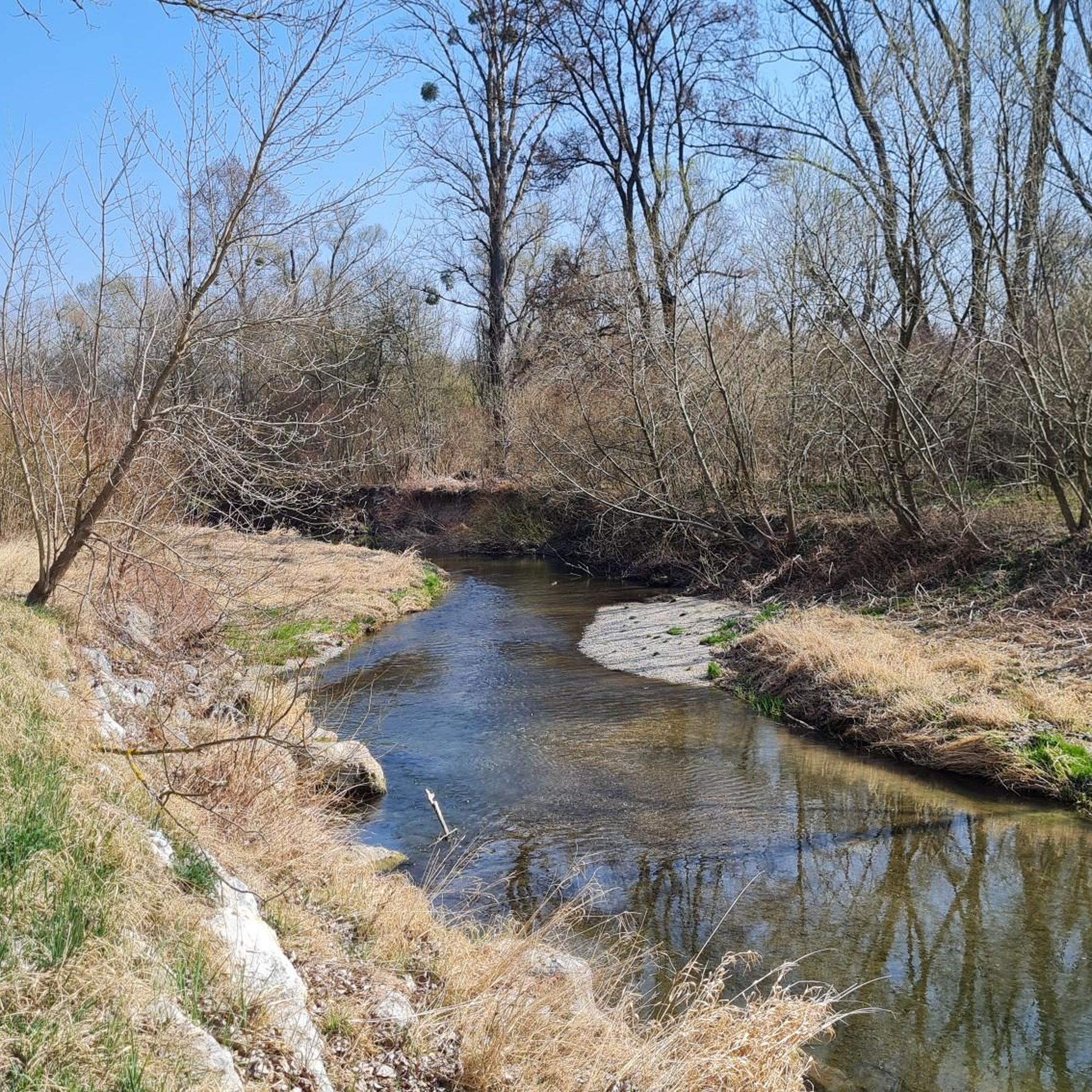
The rest area is located next to the Schwechat River and features an information board about the 26-kilometer-long Brick Barons' Cycle Route, which offers interesting insights into the history of the brick industry. The rest area is part of a 23.97-kilometer-long cycle tour with a 31-meter elevation gain, starting from Vösendorf Castle on the Eurovelo9 thermal spa cycle route and passing through Hennersdorf, Leopoldsdorf, Achau, Biedermannsdorf, and Laxenburg. The rest area is also part of a 20-kilometer-long cycle tour with a 31-meter elevation gain, starting from Vösendorf Castle on the Eurovelo9 thermal spa cycle route and passing through Biedermannsdorf, Laxenburg, Achau, Leopoldsdorf, and Hennersdorf.
1
0
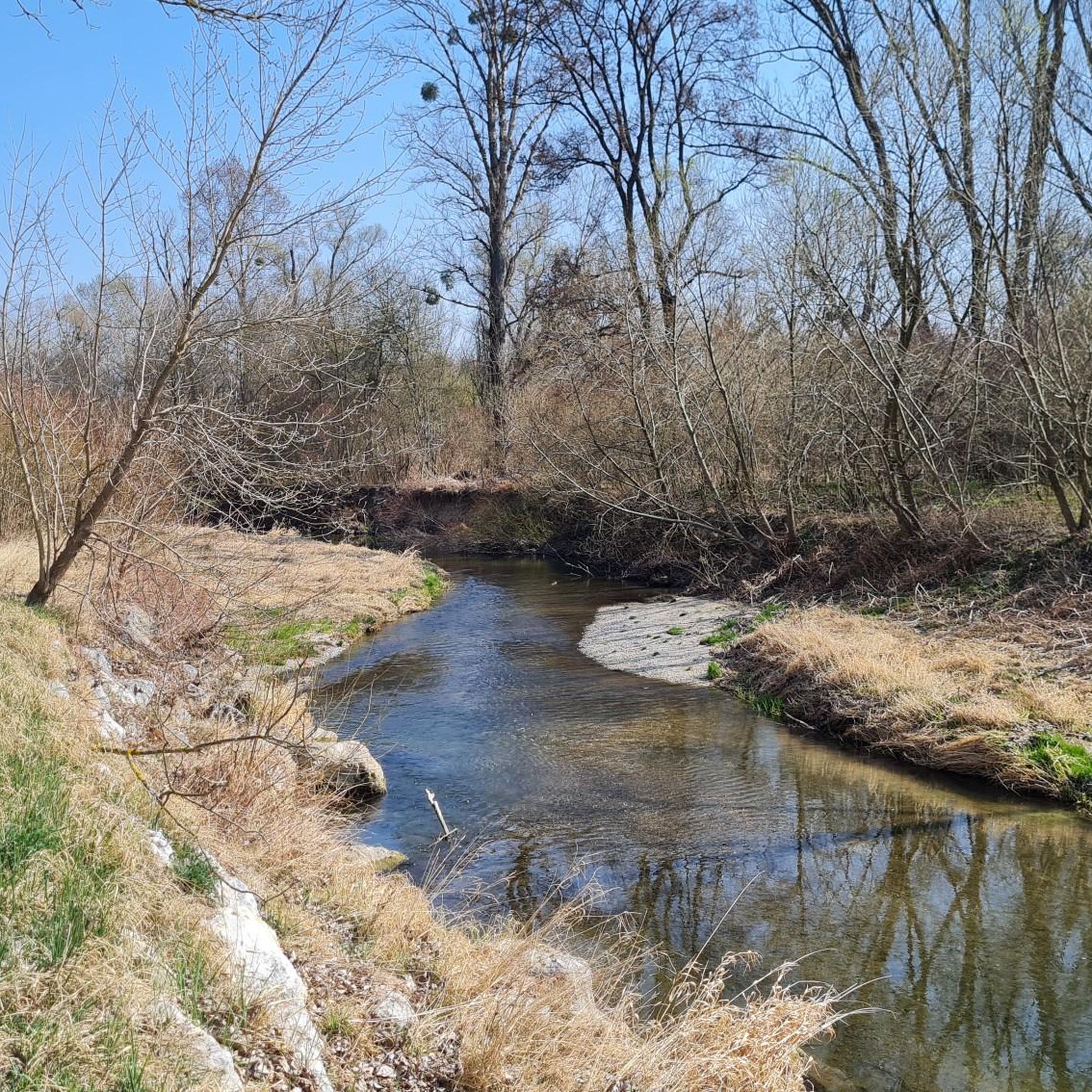
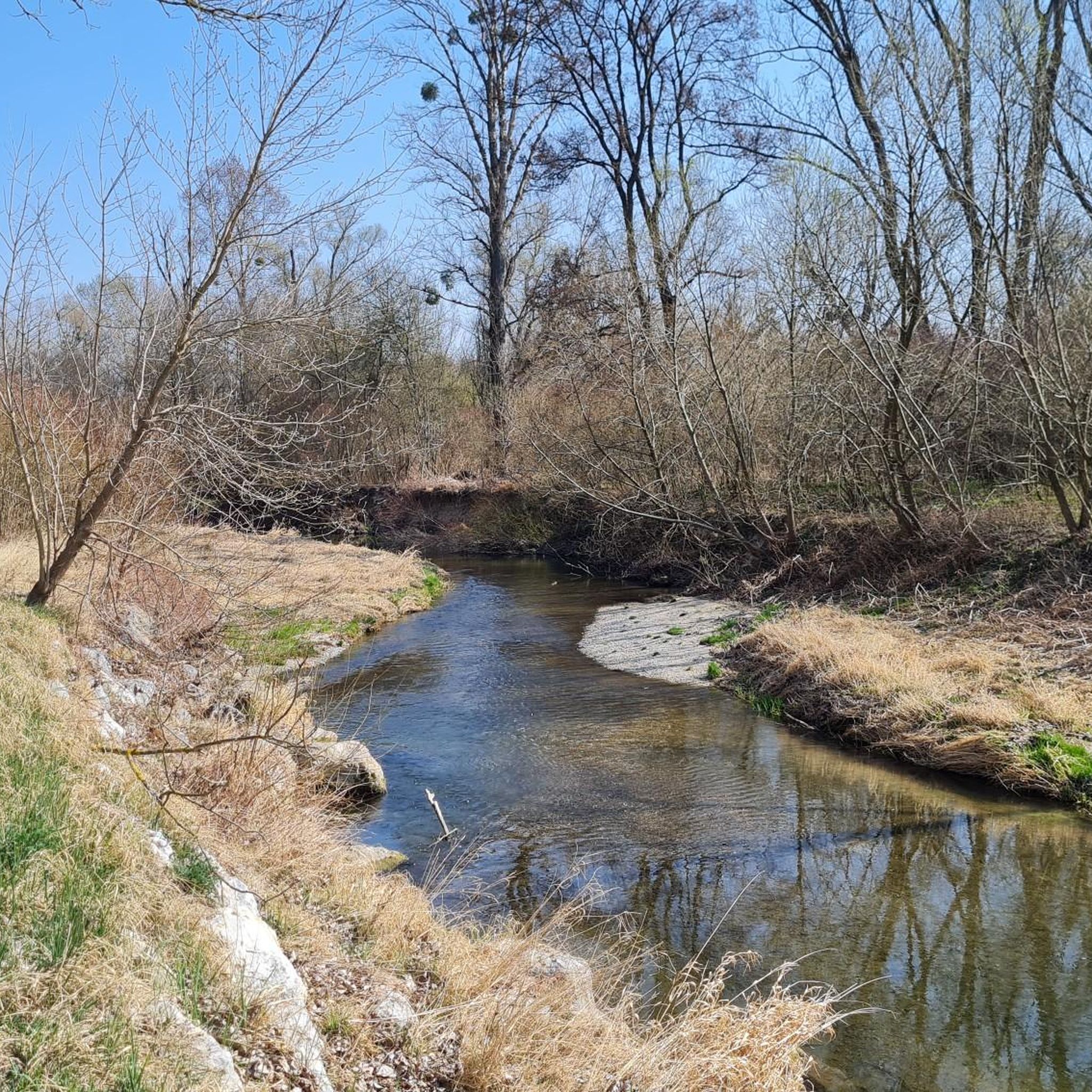
The Triesting - Schwechat estuary is the place where the Triesting flows into the Schwechat. The Triesting is a river in the southeastern Vienna Woods, which rises near Kaumberg and is 60 km long. The Schwechat is a tributary of the Danube that rises near Schottwien and is 62 km long. The estuary is near Achau in the Mödling district and is a popular resting place for cyclists. You can reach the estuary on various cycle paths, for example from Wiener Neudorf or from Wien Meidling. The area is very rich in water and also offers other highlights such as the Laxenburg Palace Park or the Kaiser Franz Joseph Park.
1
1
The rest area on the Brick Barons' Cycle Path is a cycling highlight in the Vienna Woods region, south of Vienna. Located next to the Schwechat River, it features an information panel on the 26-kilometer-long Brick Barons' Cycle Path, which offers interesting insights into the history of the brick industry, which played a significant role in the region. The cycle path leads from Vösendorf via Hennersdorf, Leopoldsdorf, Achau, Biedermannsdorf, and Laxenburg back to Vösendorf. Along the way, you can visit various sights such as Vösendorf Palace, the oldest church in the region, the AG34-HAUS, the Imperial Indulgences, and Laxenburg Palace Park with the Franzensburg Castle. If you enjoy cycling and want to learn more about the culture and nature of the Vienna Woods, the rest area on the Brick Barons' Cycle Path is an ideal place for a break and refreshments. 🚲
1
0
The Triesting is a river in the southeastern Vienna Woods, which flows into the Schwechat near Achau. The Schwechat is a tributary of the Danube that rises in the Vienna Alps. The Triesting is 60 km long and has a catchment area of 388 km². The Schwechat is 62 km long and has a catchment area of 678 km². The mouth of the Triesting in the Schwechat is a bike highlight that you can reach on various bike paths. There is a cycle and footpath along the flood protection wall, which can also be used as a viewing platform. You can take a nice break here and enjoy nature. You can also observe the water that divides here: the Schwechat continues to flow as the Mitterbach and the Schwechat-Werksbach, which only reunite in Schwechat. I hope this information was helpful to you. If you want to learn more about the Triesting or the Schwechat, you can also have a look at the Wikipedia pages. There you will also find information about the history, culture and sights along the rivers. Or you look at some bike tours that lead you to beautiful places like Berndorf, Laxenburg or Lanzendorf Castle.
1
1
Frequently Asked Questions
What natural attractions can I explore near Götzendorf?
You can visit the Confluence of the Triesting and the Schwechat rivers, a significant natural point with historical relevance regarding flood protection and imperial indulgences. The region also features the Leithaauen riverine landscapes and the "Pischelsdorfer Wiesen" Nature Reserve, offering opportunities to experience local ecosystems.
Are there historical sites to visit in the Götzendorf area?
Yes, the area is rich in history. You can explore St. Anna Monastery in the Wüste, a former monastery founded in 1644, known for contemplation and cultural experiences. Additionally, the Leopoldskapelle Ruins, remnants of a chapel on the former monastery grounds, serve as a unique event location in summer.
Where can I find panoramic views around Götzendorf?
For breathtaking panoramic views, head to the Emperor Franz Josef Tower. Located at the highest point of the eastern Leithagebirge, it offers a 360-degree view of the Vienna Basin, including surrounding mountains and the northern end of Lake Neusiedl. The top is enclosed with glass, allowing for enjoyment in any weather.
Are there family-friendly activities or attractions available?
Many attractions in the area are considered family-friendly. The St. Anna Monastery in the Wüste offers animal interaction and a maze, which can be fun for kids. The Confluence of the Triesting and the Schwechat rivers is also a popular destination for bike tours with rest areas and swimming opportunities. Additionally, the Rest Area on the Ziegelbarone Cycle Route is a great spot for families to relax and learn.
What cycling opportunities are there near Götzendorf?
Götzendorf is a great base for cycling. The 26-kilometer-long Ziegelbarone Cycle Route offers insights into the region's historical brick industry. For more extensive rides, you can explore various road cycling routes and touring bicycle routes around Götzendorf, with options ranging from easy to difficult, such as the 'Stixneusiedl Kellergasse – Winzer Globe Sculpture loop' or the 'Pottendorf Castle – Seibersdorf Castle loop'. You can find more details on these routes in the Road Cycling Routes around Götzendorf and Cycling around Götzendorf guides.
Can I find hiking trails suitable for different skill levels?
Yes, the region offers hiking trails for various abilities. While the Emperor Franz Josef Tower is accessible via paths, there are also several easy hikes around Götzendorf. Examples include the 'Leithakanal loop' and the 'Parish Church Pischelsdorf loop', both suitable for beginners or a leisurely stroll. For more options, check the Easy hikes around Götzendorf guide.
What is the significance of the Ziegelbarone Cycle Route?
The Ziegelbarone Cycle Route is a 26-kilometer path that highlights the historical importance of the brick industry in the region. It features information boards and passes by various sights, offering a cultural and historical journey for cyclists, connecting places like Vösendorf Castle, Achau, and Laxenburg.
What is unique about the St. Anna Monastery in the Wüste?
The St. Anna Monastery in the Wüste, founded in 1644, is described as a wonderful place for contemplation, animal interaction, rest, and cultural experiences, including a maze. Despite its history of destruction and abandonment, it remains a significant historical and spiritual site in the area.
What can I expect at the Confluence of the Triesting and Schwechat rivers?
At the Confluence of the Triesting and the Schwechat rivers, you'll find an interesting meeting point of several waterways, including the Mödlingbach and Krottenbach. This area, rebuilt for flood protection, holds historical significance with 'imperial indulgences' dating back to Emperor Karl VI and Empress Maria Theresa. It's a popular spot for bike tours, offering a nice rest area and opportunities for swimming.
When is the best time of year to visit Götzendorf for outdoor activities?
The flat and fertile Vienna Basin, where Götzendorf is located, is generally pleasant for outdoor activities from spring through autumn. These seasons offer ideal conditions for cycling on routes like the Ziegelbarone Cycle Route and exploring hiking trails. Summer allows for swimming opportunities at the river confluence, while spring and autumn provide comfortable temperatures for longer excursions.
What do visitors particularly enjoy about the attractions here?
Visitors frequently praise the panoramic views from the Emperor Franz Josef Tower. The St. Anna Monastery in the Wüste is appreciated for its contemplative atmosphere and cultural offerings. The historical sites and natural beauty, combined with well-maintained cycling paths, contribute to a highly enjoyable experience, as evidenced by over 390 upvotes and 50 photos shared by the komoot community.
Most popular routes around Götzendorf
Most popular attractions around Götzendorf

Get inspired with the komoot mobile app


Explore more
Still not found the Highlight you’re looking for? See guides of the top attractions in other regions:
