The best walks and hikes around Fridingen an der Donau
4.6
(2093)
7,287
hikers
88
hikes
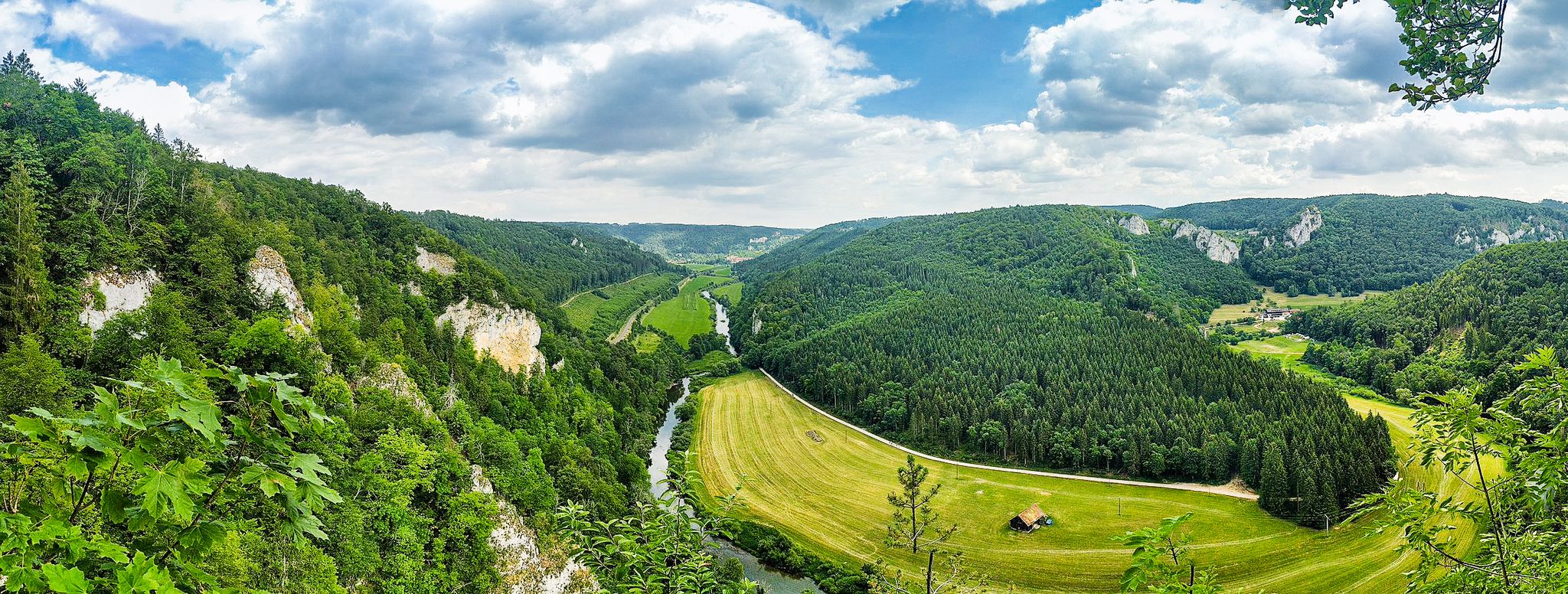
Hiking around Fridingen an der Donau offers diverse terrain, situated between the Swabian Jura Mountains and the Danube River. The region is characterized by the Danube breakthrough, featuring steep rock faces and narrow gorges. Rugged Jurassic limestone cliffs, mixed woodlands, and the expansive Alb plateau define the Upper Danube Valley, part of the Upper Danube Nature Park. A unique natural phenomenon, the Danube seepage, sees the river disappear underground for significant periods.
Best hiking trails around Fridingen an der Donau
…Last updated: November 23, 2026
4.8
(617)
1,938
hikers
15.8km
04:47
510m
510m
Moderate hike. Good fitness required. Easily walkable paths.
4.8
(205)
659
hikers
Moderate hike. Good fitness required. Easily walkable paths.

4.7
(110)
384
hikers
Moderate hike. Good fitness required. Easily walkable paths.
4.8
(92)
273
hikers
Hard hike. Very good fitness required. Mostly walkable paths. Sure-footedness required.
4.8
(93)
326
hikers
Moderate hike. Good fitness required. Easily walkable paths.
Get access to more routes and recommendations from other explorers.
Already have an account?
Our route recommendations are based on thousands of hikes, rides, and runs completed by other people on komoot.
Start today with a free account
Your next adventure awaits.
Popular around Fridingen an der Donau
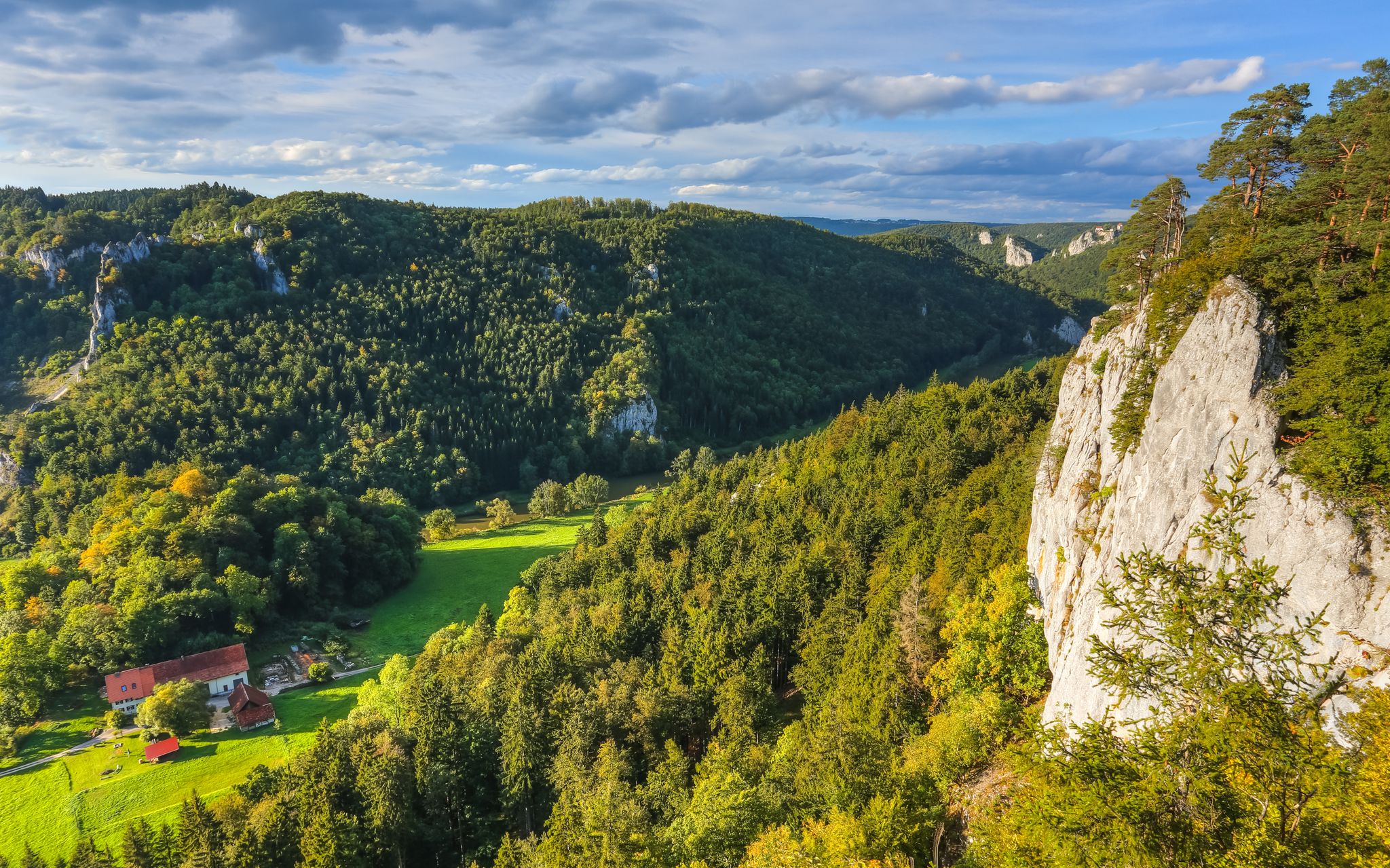
Hike the Danube Upland Trail – Exploring the Swabian Grand Canyon
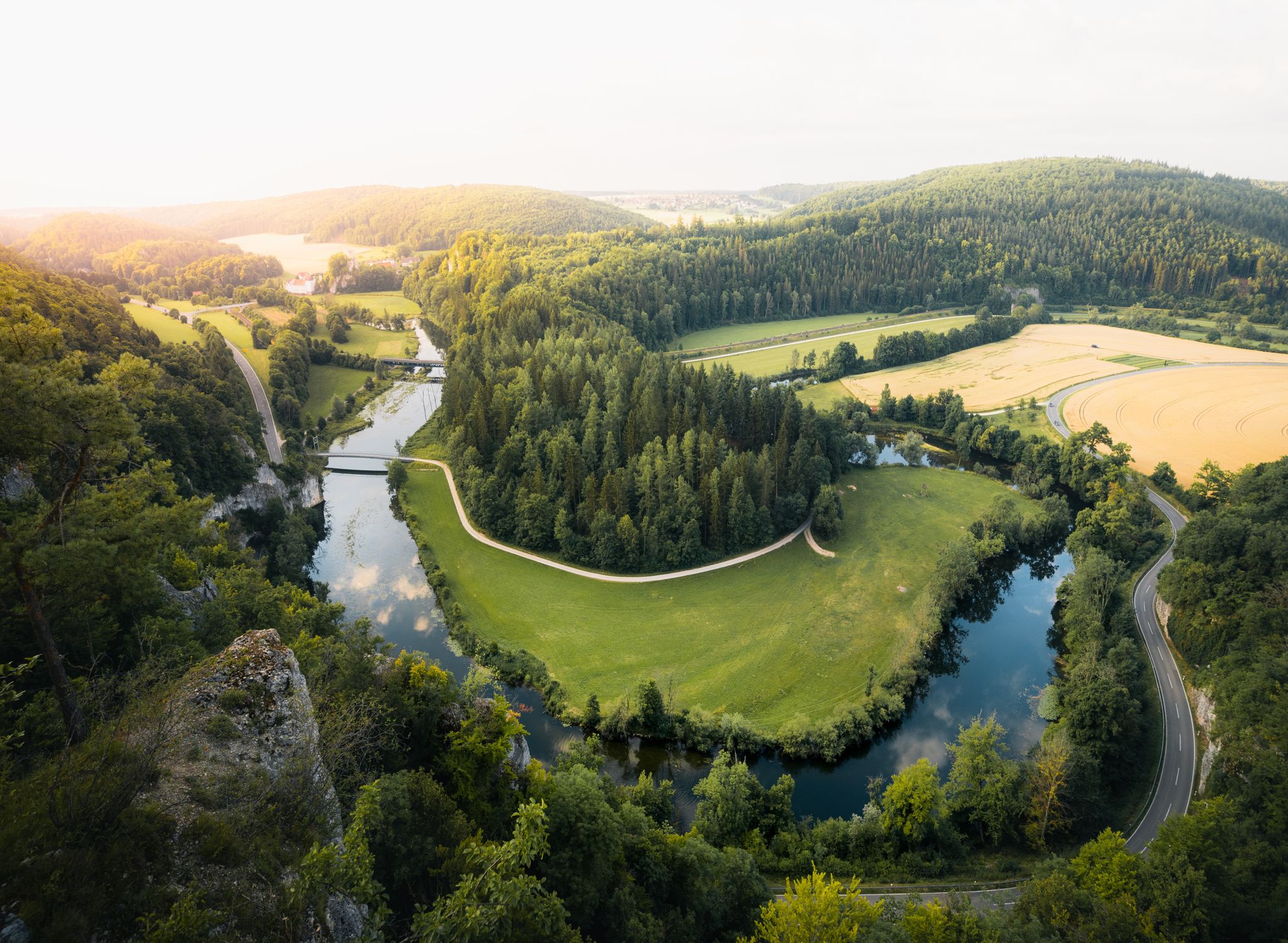
Where valleys tell stories – hiking the rivers of the Swabian Jura
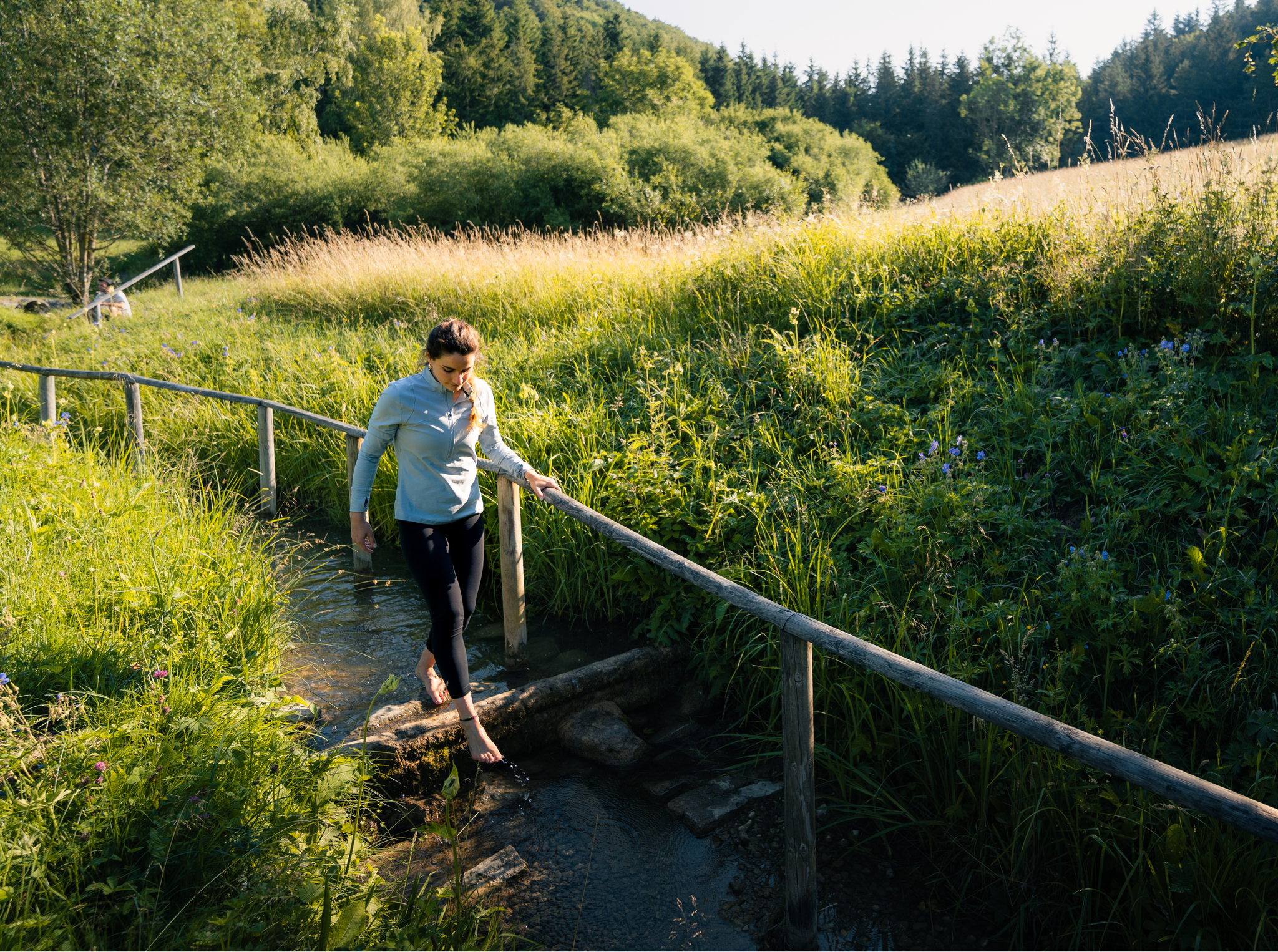
Hiking on the Swabian Alb with all your senses
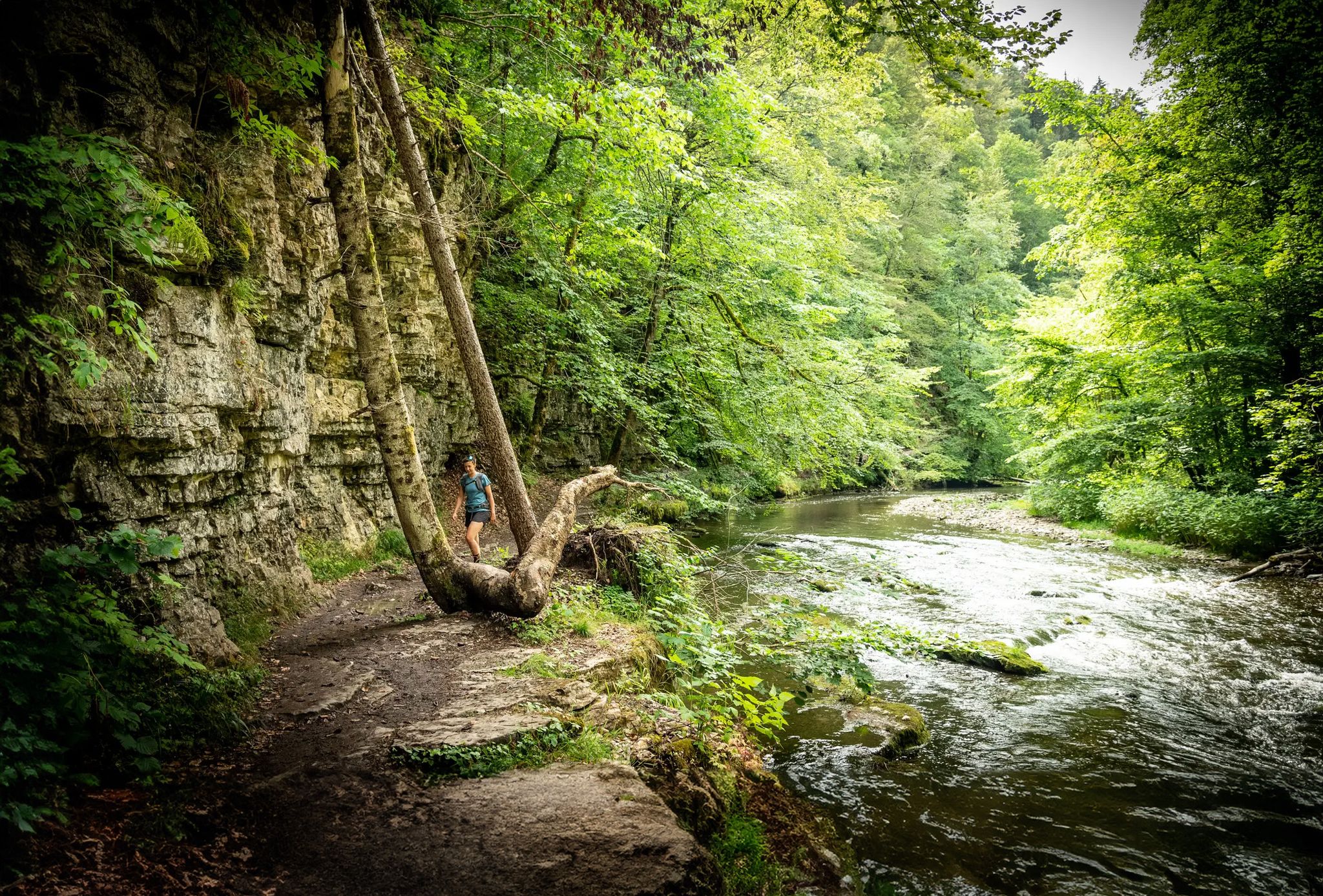
Wide views and wild valleys – the Black Forest and the Swabian Alb
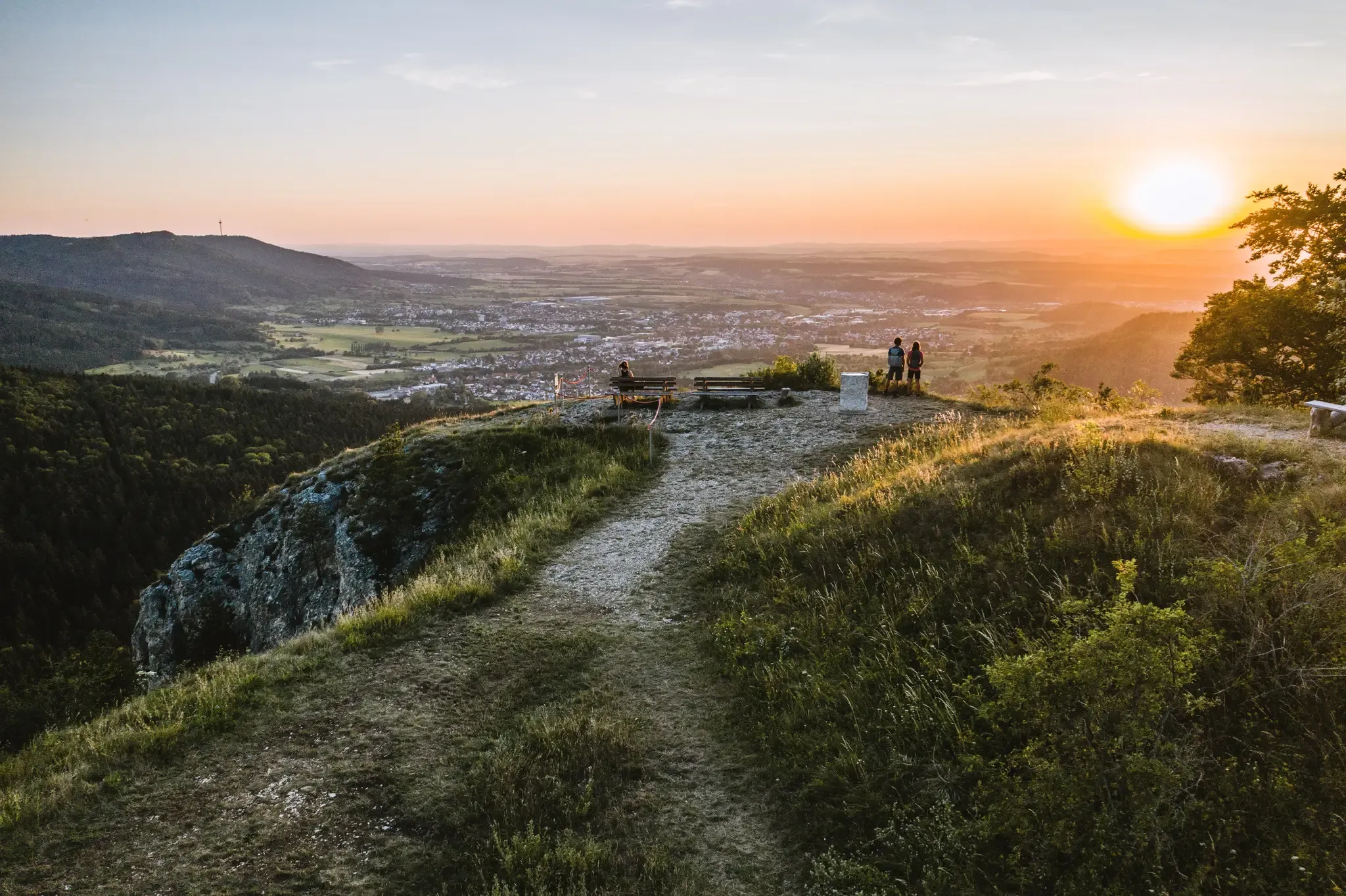
Discover the fascinating rocks and caves of Germany’s Swabian Alb
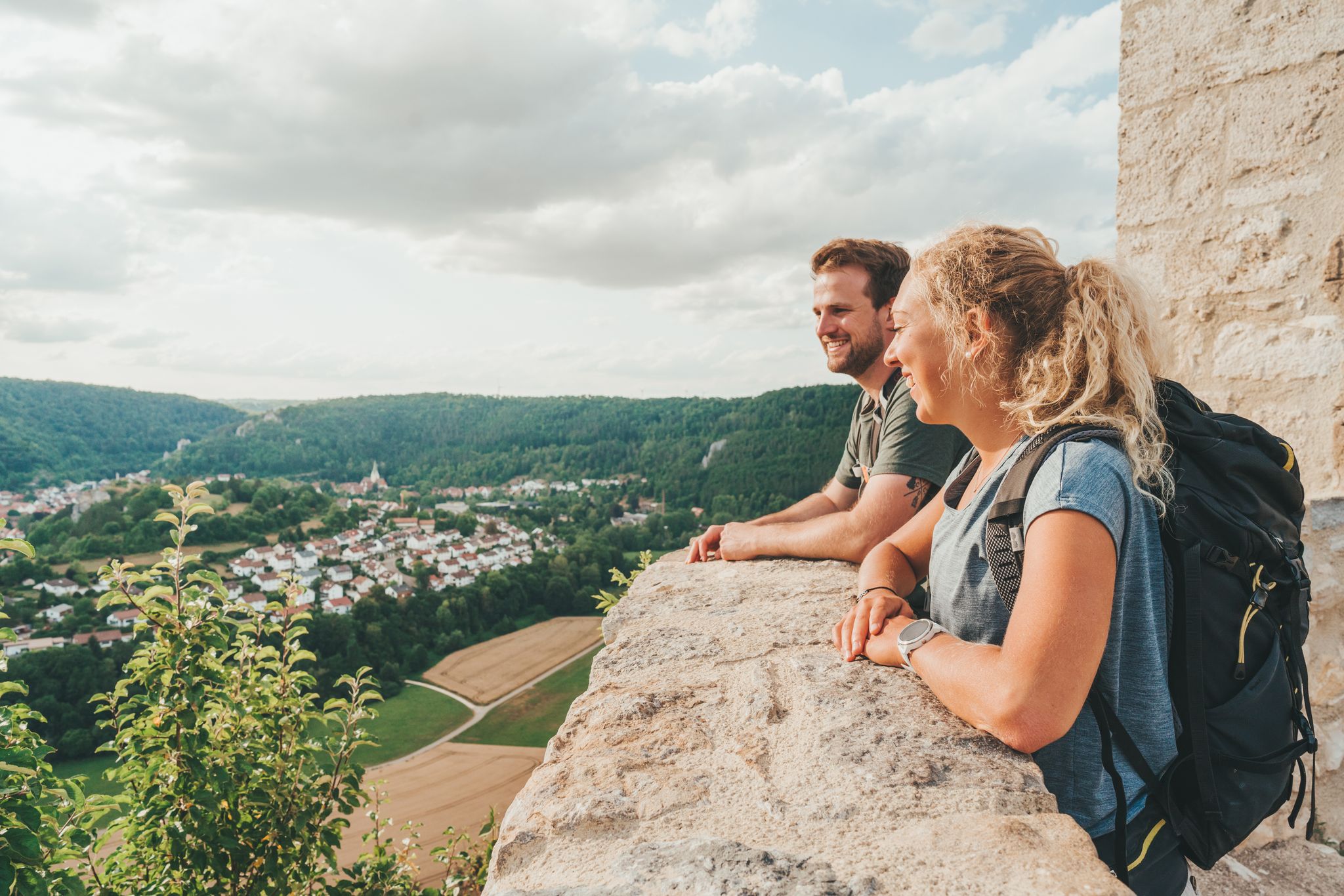
Hike Germany’s Swabian Alb – by bus and train
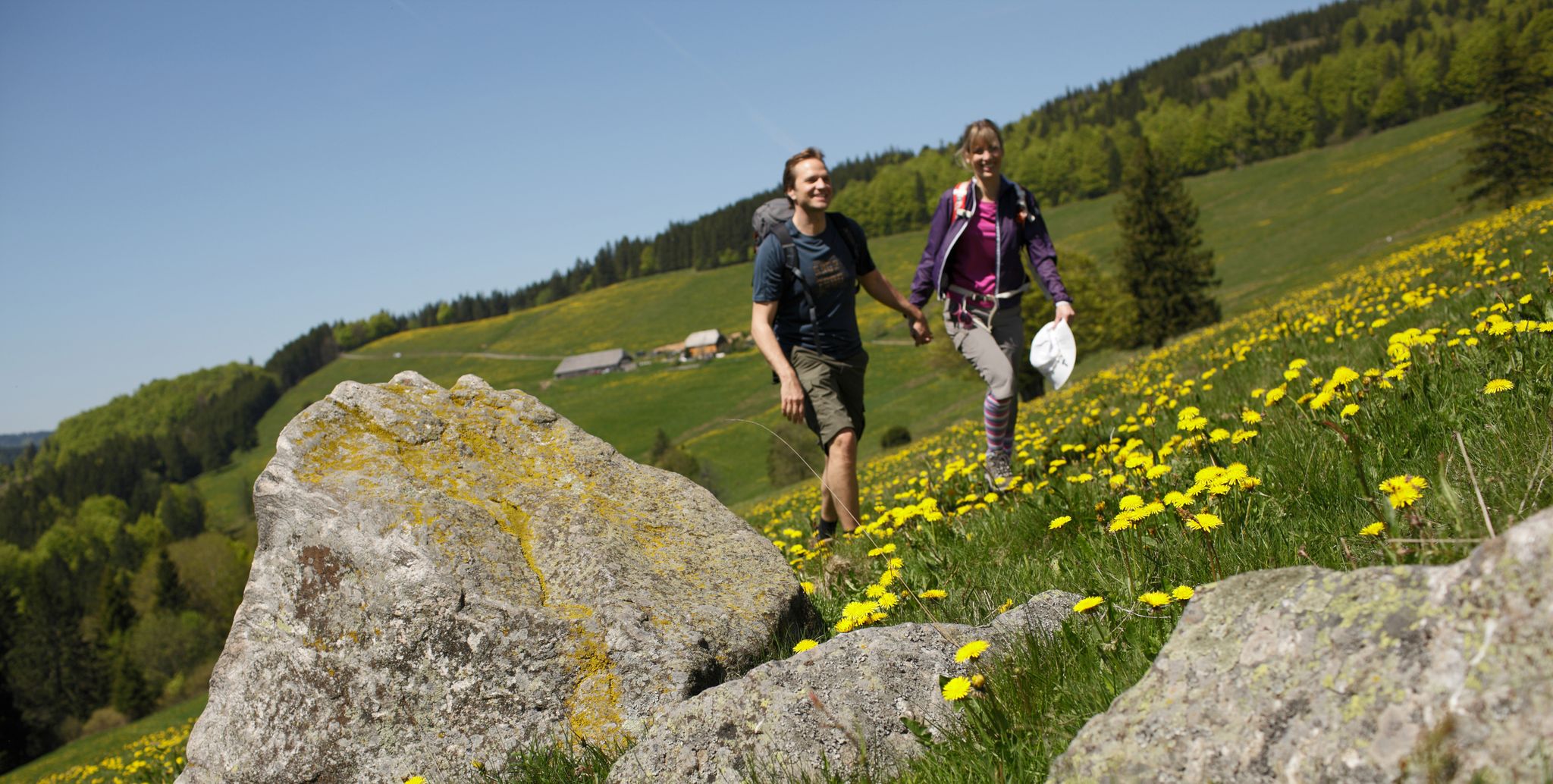
Spring in Germany’s Southwest – where hiking is best!
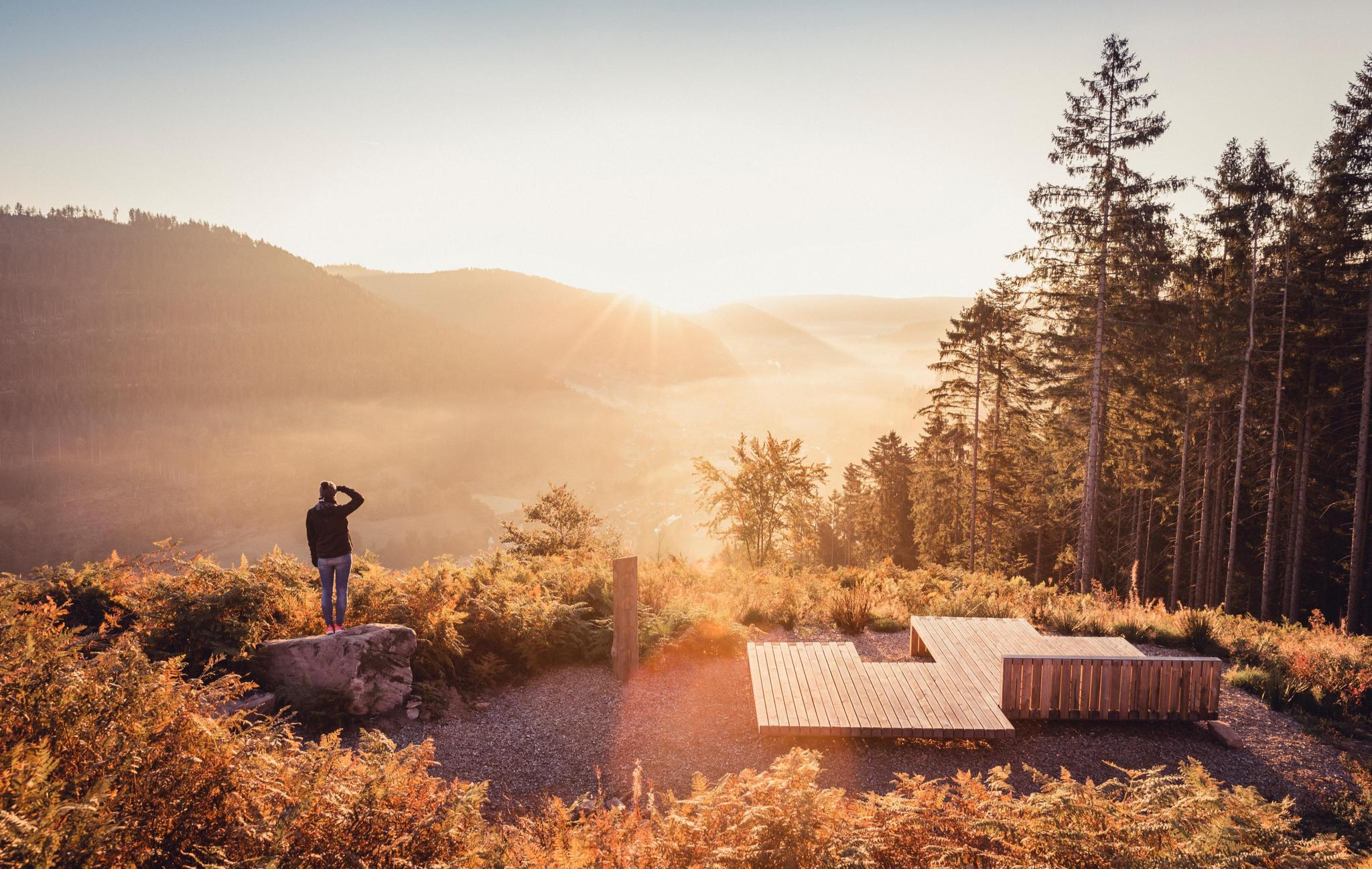
Autumn magic in the southwest – vibrant hiking in Baden-Württemberg
The „Donaubergland” – hikes around the Swabian Grand Canyon
Great rides and delicious food in Donaubergland


Tips from the Community

For it was not Benedictines who founded the original monastery at this location in the Upper Danube Valley in the 11th century. It was clerics who lived according to the rule of Saint Augustine, known as Augustinian Canons. They built their monastery under the protection of local landed gentry. The monastery was first mentioned in documents in 1097. It took almost five hundred years until Pope Innocent XI finally elevated the monastery to the status of an abbey in 1687. A significant step for the canons. Thus, the canons were able to inaugurate the new building of their monastery in 1704. In 1738, the new monastery church was also consecrated. However, secularization brought the monastery's successful course to an abrupt end through expropriation. In 1802, the princely house of Hohenzollern-Sigmaringen took possession of all properties. The canons had to leave Beuron. In 1862, Benedictine monks moved into the monastery buildings. Since then, the monastic community has dedicated itself to a life according to the rule of Saint Benedict – for the glory of God and in service to humanity. From the beginning, the community dedicated itself to the care of the liturgy and Gregorian chant. This was followed by the construction of the Maurus Chapel and the redesign of the monastery church in the 1870s. This created a distinct religious art movement in Beuron that would shape churches and monasteries throughout Western Europe, but also as far as North and South America: the Beuron School. After twelve years of exile during the Kulturkampf, decisive expansions and new buildings took place from 1887 to 1926. Among them were the refectory and the art and guest wing. The Mary Garden with the library building was also created during this era. Furthermore, the monks laid the foundation for the impressive monastery library, which today houses around 445,000 volumes. Source: erzabtei-beuron.de/profil-geschichte
2
0

Beautiful open view of Bronnen Castle. It is privately owned.
1
0
Beautiful view into the Danube valley and onto the Danube. Very nice rock formations too. The exposed rock ledges are all without protection.
0
0

In view of the memorial found here (in the much rarer form of a chapel of remembrance for warriors), I would like to quote a short excerpt from the speech given by the then Federal President Richard von Weizsäcker (1920 to 2015). He gave it on May 8, 1985, at a commemoration ceremony on the occasion of the 40th anniversary of the end of the Second World War, and his words – even 40 years later – are still relevant: + “Beside the overwhelmingly large army of the dead rises a mountain of human suffering, suffering for the dead, suffering from wounds and mutilation, suffering from inhumane forced sterilization, suffering in nights of bombing, suffering from flight and expulsion, from rape and plunder, from forced labor, from injustice and torture, from hunger and hardship, suffering from fear of arrest and death, suffering from loss (...). Today we remember this human suffering and commemorate it in sorrow.”
0
0

Beautiful resting place with a view of Bronnen Castle
0
0

Founded in the 11th century and a Benedictine monastery since the 19th century, the Beuron Archabbey complex is one of the most impressive buildings in the Upper Danube Valley. The late Baroque abbey church, with its organ and paintings, is also well worth a visit inside.
1
0

You should take the time to visit this viewpoint overlooking the Danube valley.
5
0
The Knopfmacherfelsen (often also called "Knopfmacherfels") is a well-known viewpoint in the Upper Danube Valley between Beuron and Fridingen. It lies within the Upper Danube Nature Park and is one of the most spectacular rocky viewpoints in the Swabian Alb. What makes the Knopfmacherfelsen special: A Jurassic limestone outcrop high above the Danube Valley Panoramic views of the Danube, the railway line, and the monastery area. From the top, there is a wide panoramic view over the Danube Gorge and towards Beuron. The landscape is characterized by steep limestone cliffs, forests, and the winding Danube.
4
0
Frequently Asked Questions
How many hiking trails are available around Fridingen an der Donau?
There are over 80 hiking routes in the Fridingen an der Donau region, offering diverse experiences from easy strolls to more challenging treks through the dramatic landscapes of the Upper Danube Valley.
What is the best time of year to go hiking in Fridingen an der Donau?
The best times for hiking in Fridingen an der Donau are spring and autumn. During these seasons, temperatures are mild, and the natural scenery, with its vibrant colors, is particularly beautiful. Summer also offers opportunities for hiking, often combined with activities like cycling or canoeing.
Are there any easy or beginner-friendly hiking trails in Fridingen an der Donau?
Yes, approximately 45 of the routes around Fridingen an der Donau are classified as easy, making them suitable for beginners or those looking for a more relaxed walk. These trails often feature gentle gradients and well-maintained paths.
What kind of natural attractions can I see while hiking in this region?
The region is rich in unique natural features. You can experience the impressive Danube breakthrough with its steep rock faces and narrow gorges, or witness the globally unique Danube seepage where the river disappears underground. Other highlights include the Scheuerlehof Cliffs and the Stiegelesfelsen, both offering breathtaking views of the Danube Valley.
Are there any circular hiking routes around Fridingen an der Donau?
Yes, many of the hiking trails in Fridingen an der Donau are circular routes, allowing you to start and end at the same point. A popular moderate option is the Knopfmacherfelsen Viewpoint – View of Schloss Bronnen loop from Fridingen an der Donau, which offers scenic viewpoints and passes historic sites.
What historical landmarks or castles can be explored on hikes?
Hikers can discover several historical landmarks. Wildenstein Castle, perched above the Danube, is a notable sight. The Knopfmacherfelsen Viewpoint – View of Schloss Bronnen loop from Fridingen an der Donau passes by historic castle sites, and View of Beuron Archabbey – Hunter's House loop from Fridingen an der Donau offers views of the magnificent Beuron Monastery.
Are there any hikes that offer panoramic viewpoints?
Absolutely. The region is known for its stunning vistas. The Danube Wave – Danube Rocks Tour provides impressive views of the Danube breakthrough. The View of the Danube Valley Cliffs and the Stiegelesfels-Upper Danube Valley are also excellent spots for breathtaking panoramas.
What do other hikers enjoy most about the trails in Fridingen an der Donau?
The trails in Fridingen an der Donau are highly rated by the komoot community, with an average score of 4.7 stars from over 1,600 reviews. Hikers frequently praise the dramatic landscapes, the unique natural features like the Danube breakthrough, and the well-integrated network of trails that cater to various skill levels.
Are there any challenging or difficult hiking routes in the area?
Yes, for experienced hikers seeking a challenge, there are 5 difficult routes available. An example is the Mühlheim Rock Cave – Knopfmacherfelsen Viewpoint loop from Fridingen an der Donau, which covers nearly 20 kilometers with significant elevation changes.
Can I cross the Danube on stepping stones during a hike?
Yes, near the Jägerhaus, visitors can experience a unique interaction with the river by crossing the Danube on stepping stones, especially during drier periods. This offers a memorable moment during your hike.
Are there any caves accessible via hiking trails in the region?
Yes, the region features natural caves that can be explored. The Bronner Cave is one such attraction, and the Kolbinger Cave is also accessible via hiking trails, offering an interesting geological experience.
Most popular routes around Fridingen an der Donau
Most popular attractions around Fridingen an der Donau

Get inspired with the komoot mobile app


Explore more
Browse the best Hikes in other regions.
