Top 16 Castles around Maria-Anzbach
Best castles around Maria-Anzbach are situated in Lower Austria, a region characterized by its rolling hills and proximity to the Vienna Woods. This area offers a blend of historical sites and natural landscapes. The region's geography provides varied terrain for exploration, with several historical structures nestled within its environment. Maria-Anzbach serves as a starting point for discovering these landmarks.
Best castles around Maria-Anzbach
- The most popular castles is Totzenbach Castle, a castle with origins dating back to 1147. This Gothic castle was expanded in the Renaissance style in 1588 and later transformed into a moated castle.
- Another must-see spot is Neulengbach Castle, a castle and historical site. Originally founded around 1189, it was converted into a palace in the 16th and 17th centuries, featuring a three-story square building with a double defensive ring and 8 round towers.
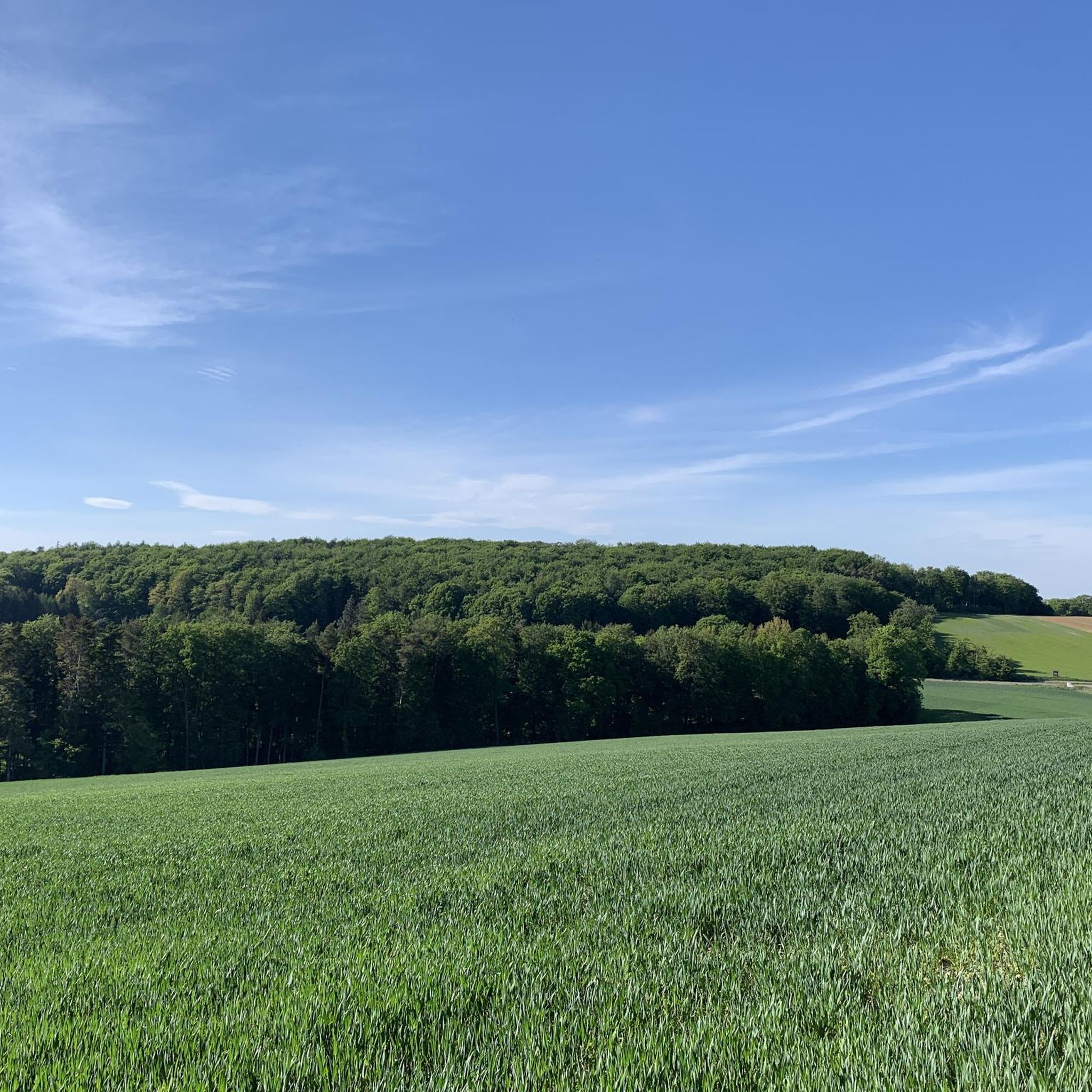
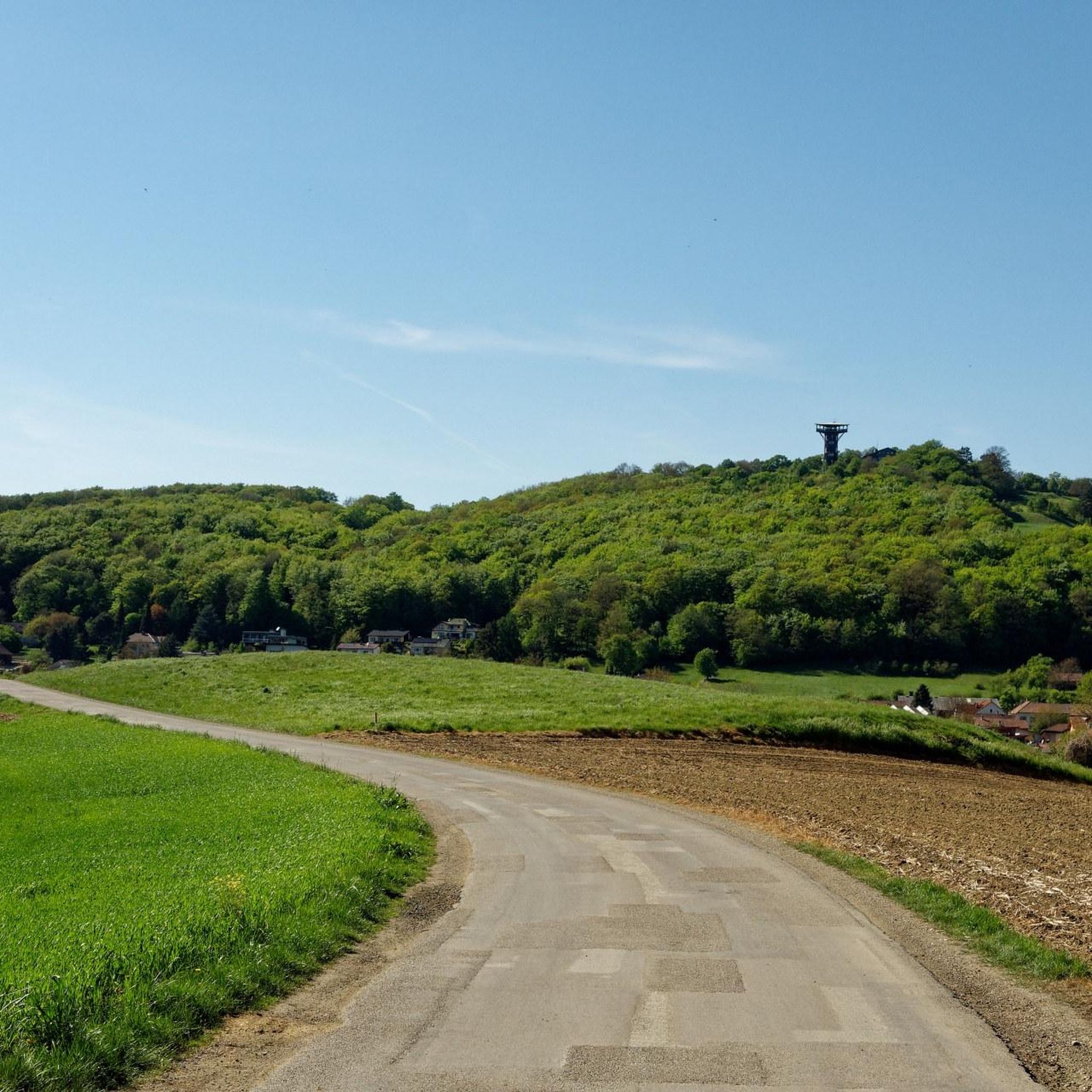
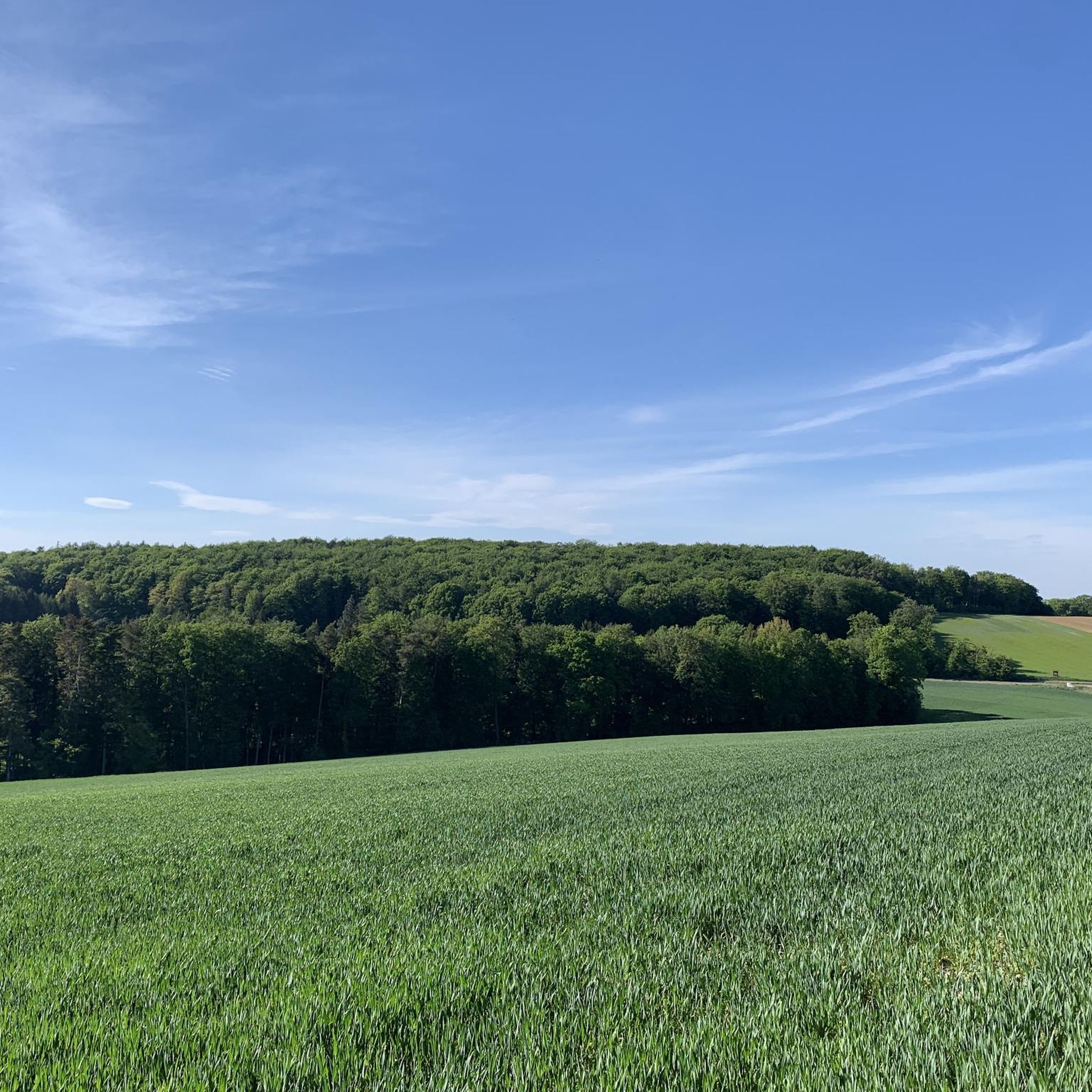
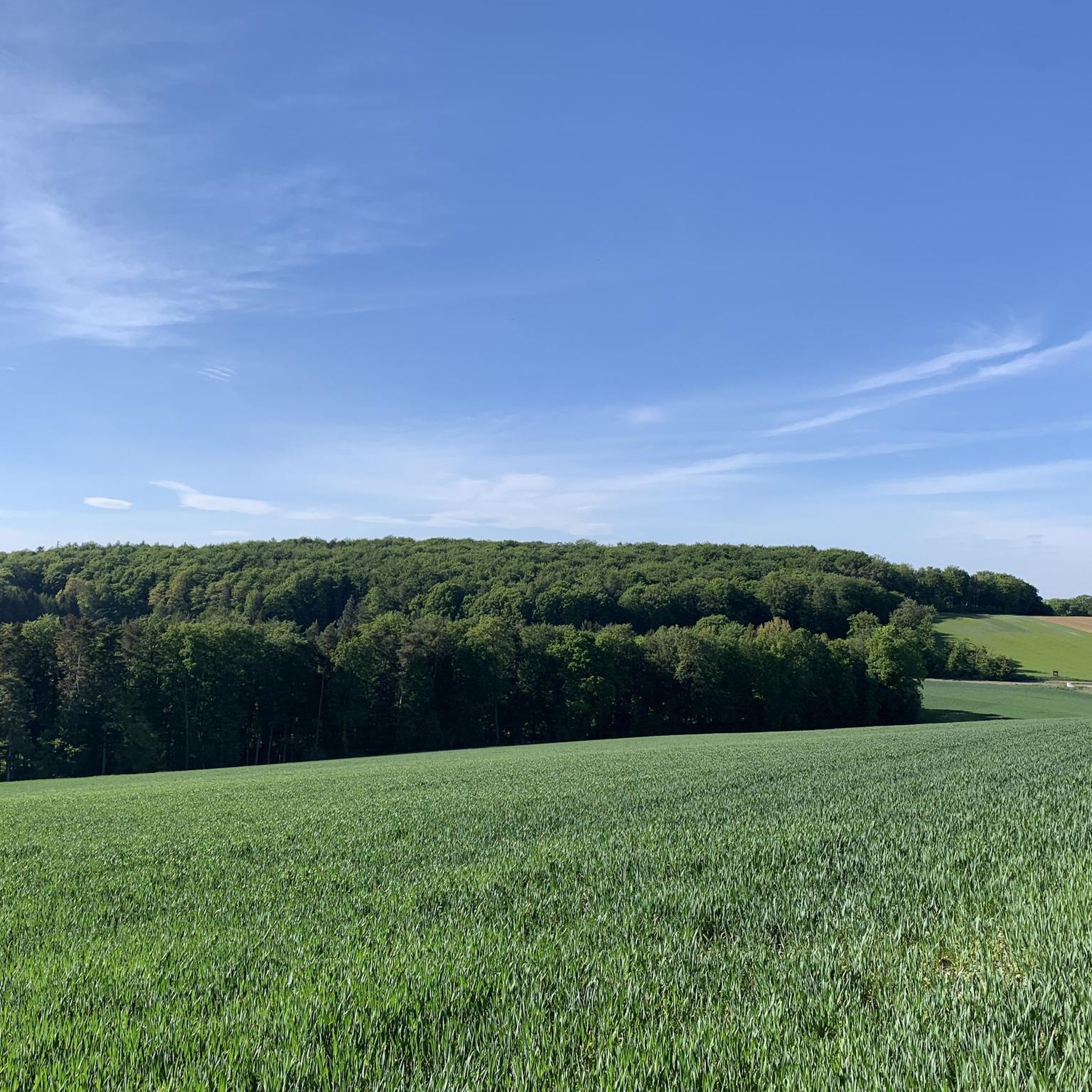
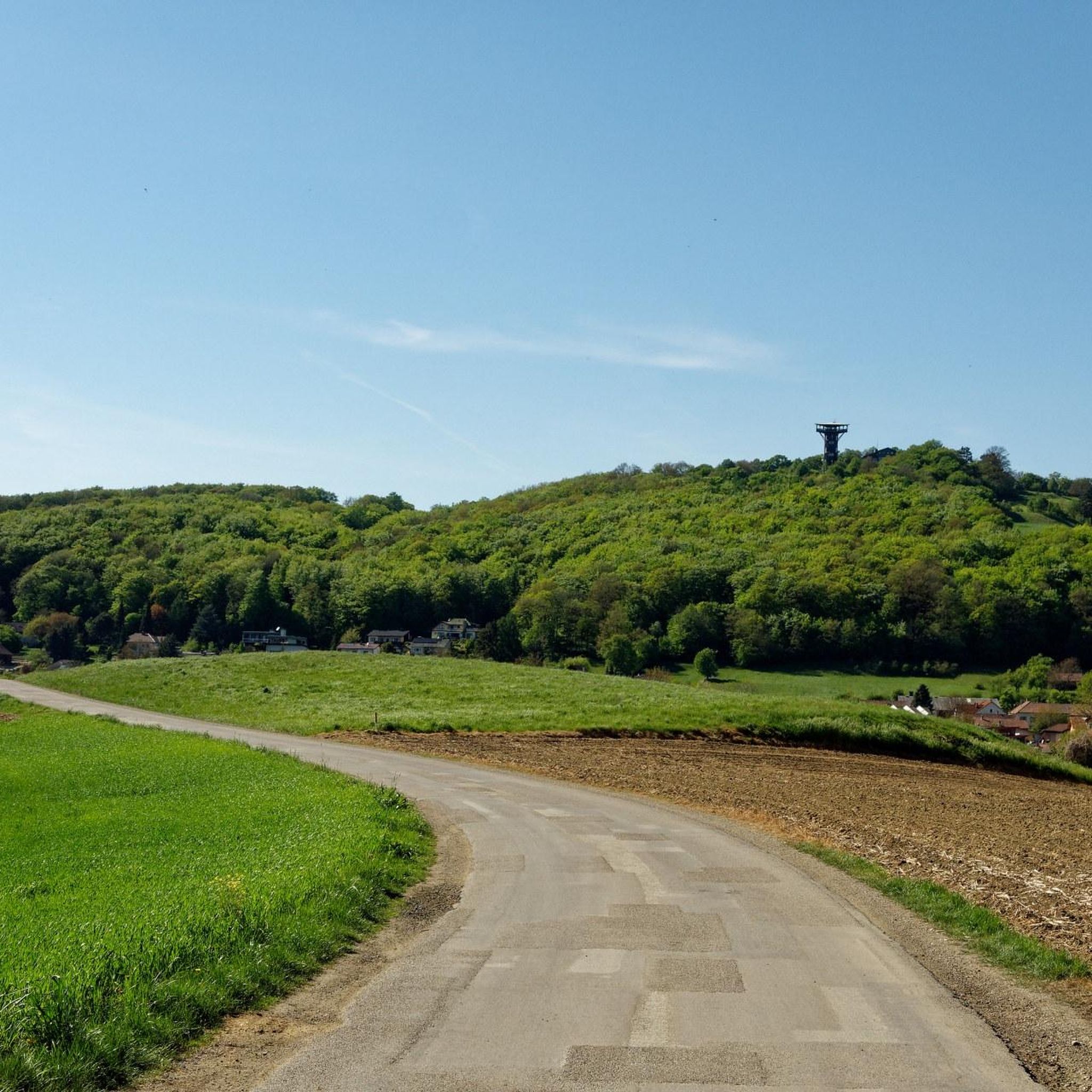
- Visitors also love Ried Castle Ruins, the remnants of a spur castle believed to have been constructed around 1200. Today, sparse remains, including a Romanesque round tower and parts of a kennel wall, are preserved, offering a historical site within the Vienna Woods.
- Maria-Anzbach is known for its variety of castles, including well-preserved castles, moated castles, and historical castle ruins. These sites offer insights into medieval fortification and aristocratic life across different historical periods.
- The castles around Maria-Anzbach are appreciated by the komoot community, with over 130 upvotes and more than 80 photos shared across the various highlights.
Last updated: July 1, 2026
Neulengbach Castle
Highlight • Castle
Founded and seat of the High Freemen of Lengenbach from 1191. The Lords of Lengenbach were among the most powerful noble families in Austria. They owned 20 castles and their coat of arms featured the colors blue and yellow, which are now the colors of Lower Austria. Generously expanded into a residential palace under Count Khuen at the beginning of the 17th century, the castle-palace complex is now a three-story square building with a double defensive ring with 8 round towers, which was never taken by enemies. The castle is now privately owned.
Tex / Source: Neulengbach city map
Translated by Google •
Tip by

Rappoltenkirchen Castle
Highlight • Castle
The original Renaissance chateau was redesigned in a neoclassical style by the architect Theophil Hansen.
Is not accessible as it is privately owned, the owner is Mr. KR Erich Fach. He had the castle renovated.
Translated by Google •
Tip by

Sign up now to discover places like this
Get recommendations on the best single tracks, peaks, & plenty of other exciting outdoor places.
Sign up for free
Ried Castle Ruins
Highlight • Castle
The remains of the castle complex are located on a 320 m high hilltop in front of the Klosterberg to the northwest, with the field name Hausberg around 1 km south of Ried am Riederberg. The approximately 3000 m² large, Hausberg-like core castle is surrounded by a moat and an impressive system of ramparts and ditches.
Source and more information: de.wikipedia.org/wiki/Burgruine_Ried
Translated by Google •
Tip by

Totzenbach Castle
Highlight • Castle
Translated by Google •
Tip by

Judenau Moated Castle
Highlight • Castle
Translated by Google •
Tip by
Sign up for free to discover even more castles around Maria-Anzbach.
Sign up for free
Already have an account?
Start today with a free account
Your next adventure awaits.
Login or Signup
Tips from the Community

As a possible founder, the Babenberg ministerialis Konrad around 1170/80 comes into question. In the first half of the 13th century, the Kuenringer came into possession of the castle under unclear circumstances; Hadmar II. achieved the separation of the chapel in Ried from the parish association of Sieghartskirchen in 1211. His grandson Albero V. no longer shared the original interests in the seat and exchanged the lordship in 1256/59 with King Ottokar II. for the enfeoffment with Rossatz and the pledge for Zwettl. In 1280, his sons Leudolt I. and Heinrich IV. von Kuenring had the exchange confirmed by King Rudolf I. von Habsburg in writing.
2
0

The ruins are surrounded by a moat.
1
0

Addendum: In 1884, Prince Ypsilanti (a descendant of a Greek freedom fighter) inherited the palace. Ypsilanti was married to the daughter of the banker Baron von Sina (see Sina-Warte on the Lindkogl and Sinagasse in Vienna's 22nd district). The Ypsilanti family remained the owners until the end of the 20th century.
1
0

The elaborately restored moated castle, with its moat, bridge, and idyllic courtyard, enchants visitors and transports them to another world. Although the castle is privately owned, a detour here is definitely worth it, as the large gate was open and the courtyard was also freely accessible.
1
0

The castle complex, which dates back to the 13th century, was destroyed by the Turks in 1525. The current castle building (moated castle) was built in its basic design around 1589. Since 1961, the castle has housed the "Save the Children" organization with a boarding school for students and apprentices. Source: www.judenau-baumgarten.at/Schloss_Judenau
1
1

A piece of contemporary history, surrounded by atmospheric nature.
1
0

A very beautiful castle, unfortunately not open to visitors.
2
0
Frequently Asked Questions
What kind of historical sites can I expect to find among the castles near Maria-Anzbach?
The region offers a diverse range of historical sites, from well-preserved castles to moated castles and ancient ruins. You can explore medieval fortifications like the Ried Castle Ruins, which date back to around 1200, or witness the neoclassical grandeur of Rappoltenkirchen Castle, transformed in the 19th century. Many sites provide insights into aristocratic life and architectural evolution across different historical periods.
Are all castles around Maria-Anzbach open to the public?
No, not all castles are publicly accessible. Some, like Totzenbach Castle and Rappoltenkirchen Castle, are privately owned and not open for general visits, though their exteriors can often be admired. However, sites like Neulengbach Castle offer tours that can be booked online, and the Ried Castle Ruins are freely accessible.
Which castles are particularly family-friendly?
For families, the Ried Castle Ruins are a great option. They are accessible via walking trails, offering a moderate hike suitable for various fitness levels, including small children. The Judenau Moated Castle, which houses a children's organization, is also considered family-friendly.
Can I explore castle ruins in the area?
Yes, you can explore the Ried Castle Ruins. These remnants of a spur castle, believed to have been built around 1200, feature a Romanesque round tower and parts of a kennel wall. They are located on the local mountain of Ried am Riederberg and are accessible via hiking trails, offering an immersive experience with nature and history.
Are there hiking opportunities near the castles?
Absolutely. The Ried Castle Ruins are specifically noted as being accessible via walking trails within the scenic Vienna Woods. You can find various hiking routes around Maria-Anzbach, including easy hikes that might pass by or lead to these historical sites. For more details on hiking trails, you can explore the Easy hikes around Maria-Anzbach guide.
What is the best time of year to visit the castles around Maria-Anzbach?
The castles and their surrounding areas are enjoyable throughout the warmer months, from spring to autumn, when the weather is pleasant for exploring and hiking. The Vienna Woods, where many of these sites are located, are particularly beautiful during these seasons. Winter can also offer a unique, serene experience, though some trails might be less accessible depending on snow conditions.
Are there any castles with unique architectural features?
Yes, Rappoltenkirchen Castle stands out with its neoclassical transformation by architect Theophil Hansen in the 19th century, despite its medieval origins. Neulengbach Castle, originally a medieval foundation, was converted into a palace in the 16th and 17th centuries, featuring a three-story square building with a double defensive ring and eight round towers.
Can I book tours for any of the castles?
Yes, tours for Neulengbach Castle can be booked online in advance. This allows visitors to explore the interior and learn more about its rich history as a former seat of powerful noble families and later a residential palace.
Are there any moated castles in the vicinity?
Yes, Judenau Moated Castle is a notable example. First mentioned in 1270, the current moated castle building was constructed around 1589. It is located on the Große Tulln and is known for its picturesque setting.
What other outdoor activities can I combine with a castle visit?
The region around Maria-Anzbach offers various outdoor activities. You can combine castle visits with hiking, as seen with the Ried Castle Ruins. There are also numerous running trails and gravel biking routes available. For more information on these activities, check out the Running Trails around Maria-Anzbach and Gravel biking around Maria-Anzbach guides.
Are there any castles that are particularly good for photography?
The exteriors of Rappoltenkirchen Castle, with its neoclassical architecture and extensive park, and Totzenbach Castle, a beautifully restored moated castle, offer picturesque settings for photography. The Ried Castle Ruins also provide atmospheric shots amidst nature.
What is the history of <a href="https://www.komoot.com/highlight/5091309" target="_blank" rel="noopener">Rappoltenkirchen Castle</a>?
Rappoltenkirchen Castle, first mentioned in 1210, underwent a significant neoclassical transformation between 1869 and 1874 by architect Theophil Hansen. It served as a summer residence for the Sina family and was later inherited by the Ypsilanti princes. Despite damage during WWII, its exterior and expansive 22-hectare park still reflect its grand architectural style and rich history.
Most popular routes around Maria-Anzbach
Most popular attractions around Maria-Anzbach

Get inspired with the komoot mobile app


Explore more
Looking for the best castles somewhere else? Discover other guides around Maria-Anzbach:
