Attractions and Places To See around Wölbling - Top 20
Best attractions and places to see around Wölbling encompass a blend of historical landmarks, cultural sites, and natural beauty. The municipality, located in Lower Austria, offers insights into its past with sites like the Soldier's Cemetery and ancient churches. Beyond its borders, the region provides access to the scenic Wachau Cultural Landscape, known for its vineyards and the Danube River. Visitors can explore a variety of landscapes, from historic towns to mountain peaks offering panoramic views.
Best attractions and places…
Last updated: May 9, 2026
Spitz on the Danube
Highlight • Settlement
Translated by Google •
Tip by

Wachau Vineyards Route
Highlight • Cycleway
Translated by Google •
Tip by
Sign up now to discover places like this
Get recommendations on the best single tracks, peaks, & plenty of other exciting outdoor places.
Sign up for free
Dürnstein Castle Ruins
Highlight • Castle
Translated by Google •
Tip by

Steiner Gate, Krems
Highlight • Monument
Translated by Google •
Tip by

Old Town of Krems on the Danube
Highlight • Historical Site
Translated by Google •
Tip by
Sign up for free to discover even more attractions around Wölbling.
Sign up for free
Already have an account?
Start today with a free account
Your next adventure awaits.
Login or Signup
Tips from the Community

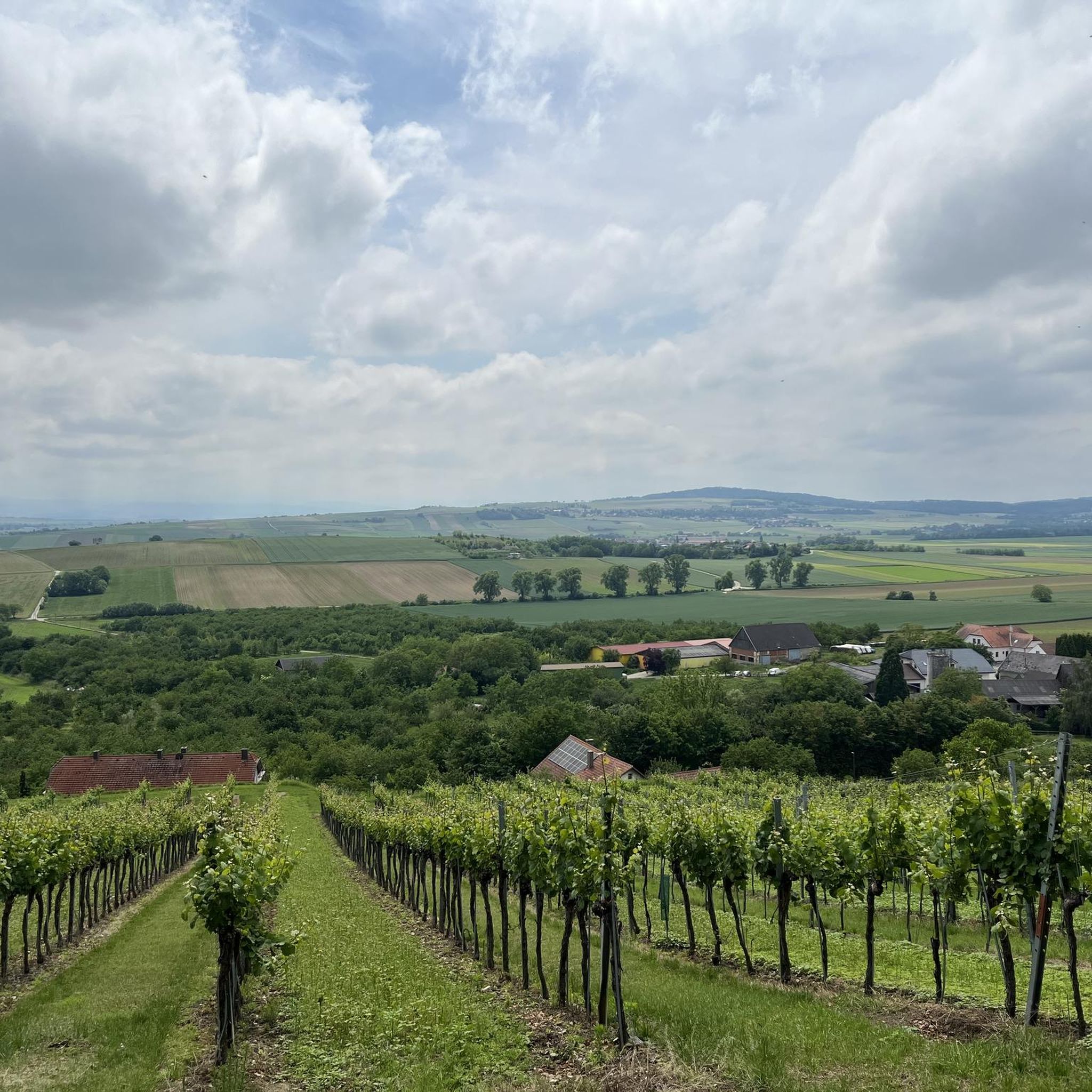
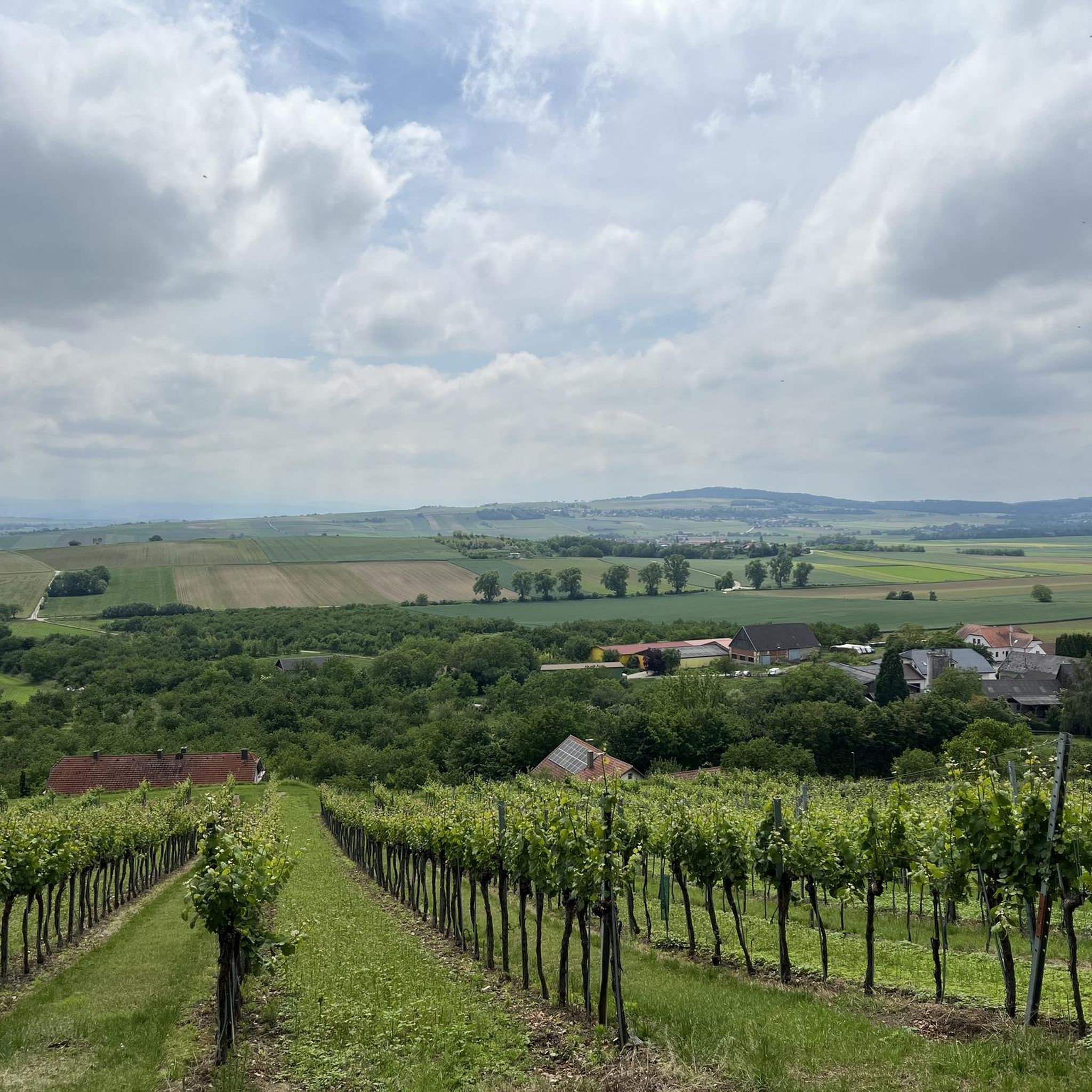
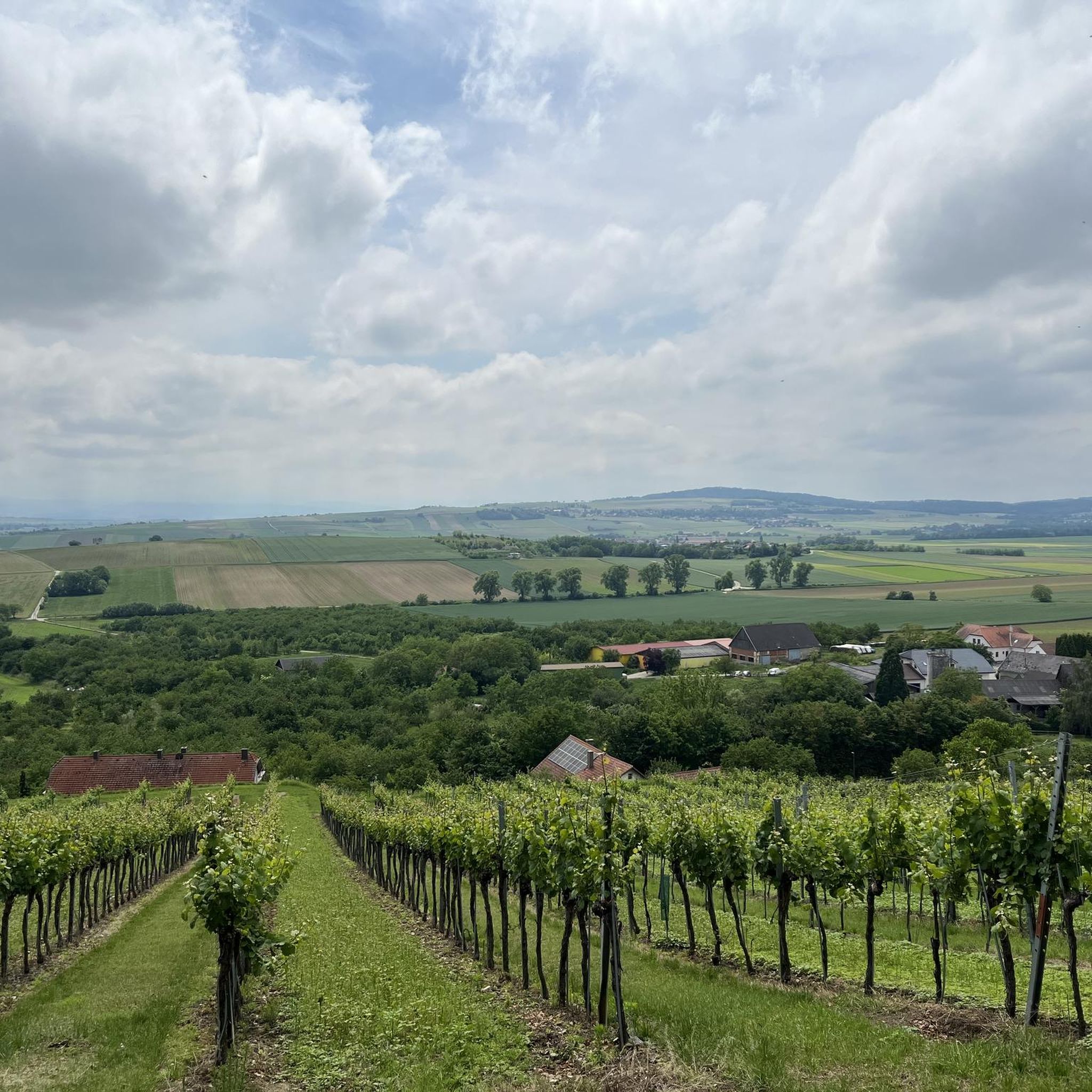
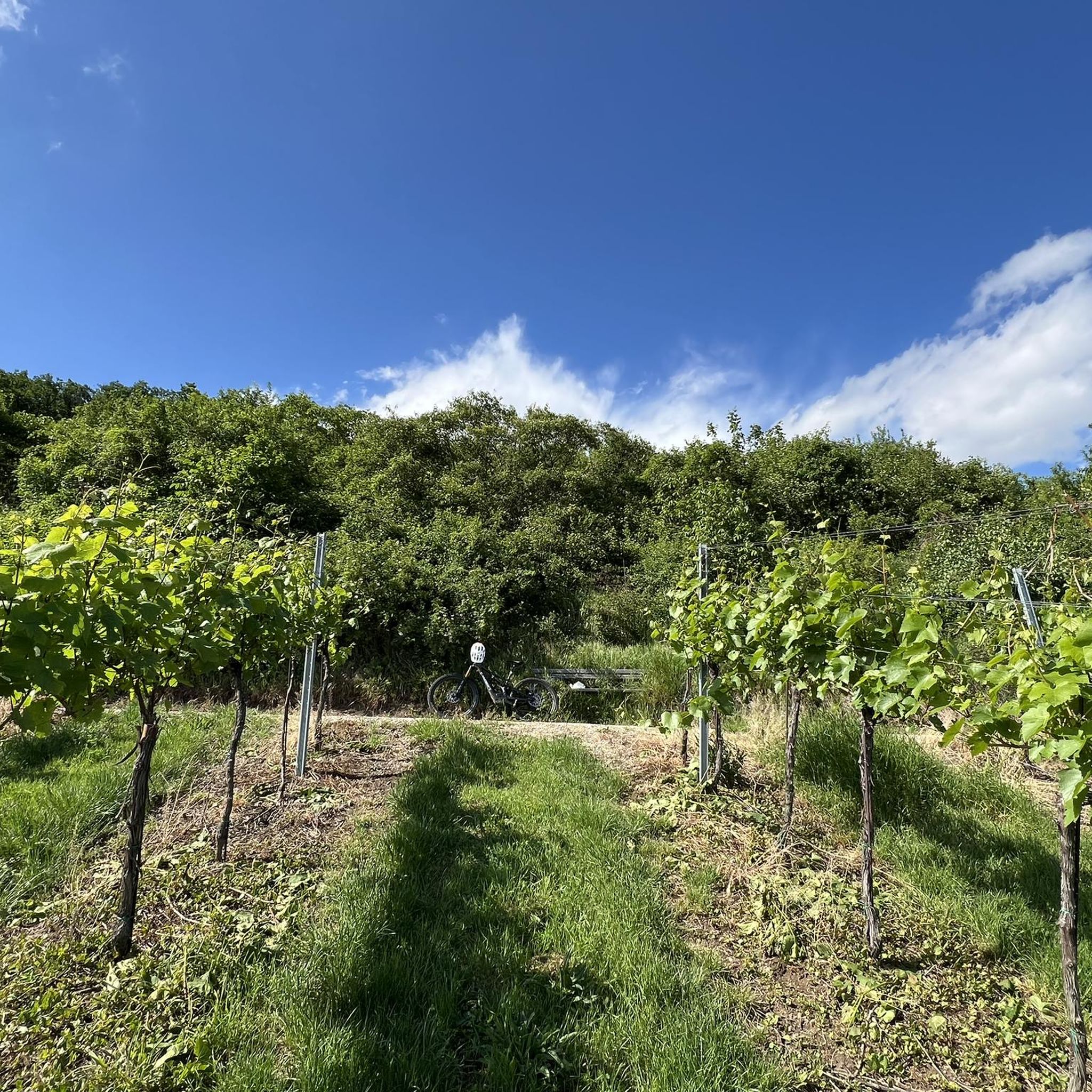
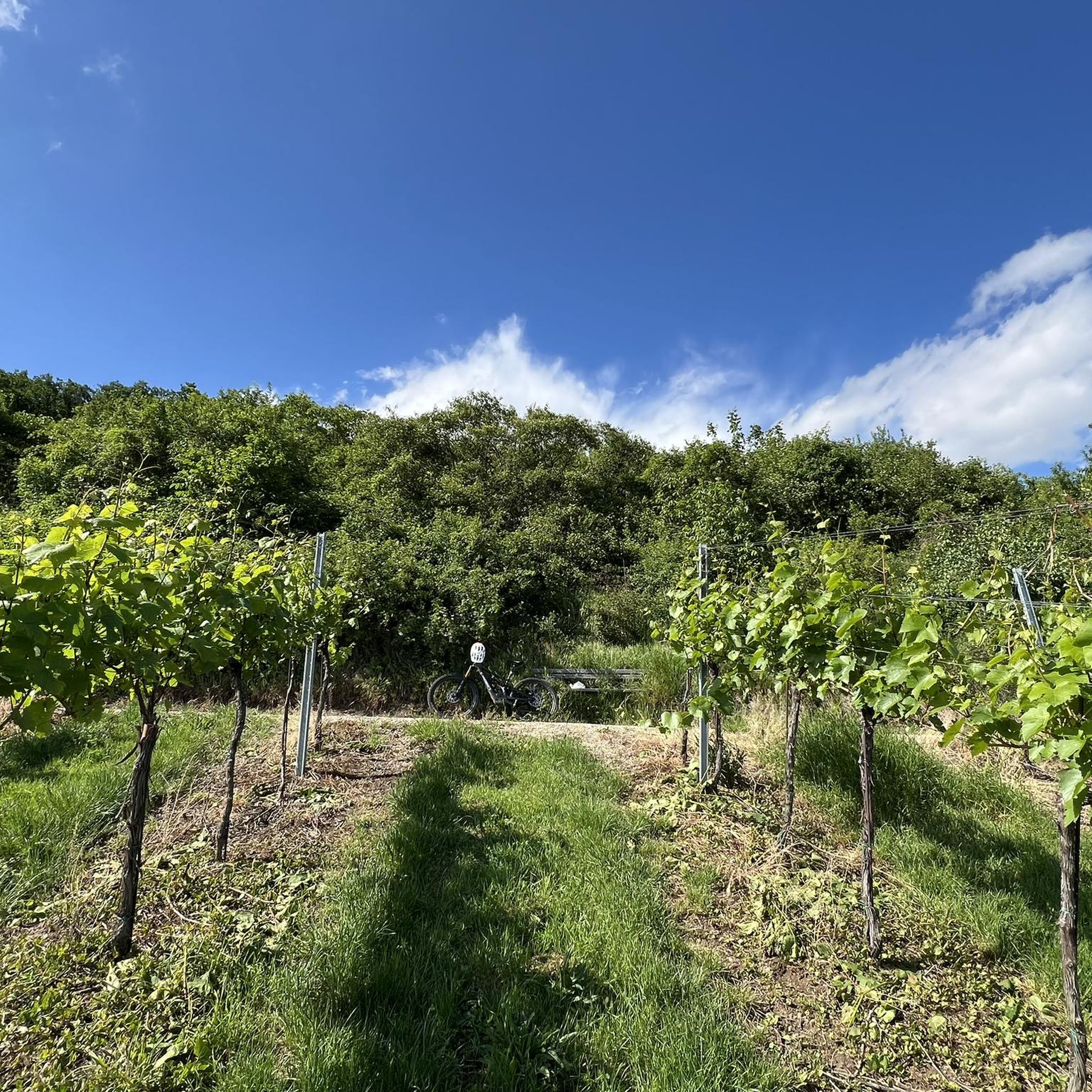
The Wachau vineyards near Weißenkirchen extend above the Danube and characterize the landscape along the Danube Cycle Path. From here, sweeping views of the terraced vineyards and the surrounding hills open up. The route is mostly flat and well-maintained, allowing cyclists to easily explore the wine-growing landscape. Wineries along the way invite you to sample the wines, and the combination of nature, culture, and viticulture makes the tour particularly attractive for cyclists.
3
0
The cycling tour from Weißenkirchen to Dürnstein leads through the picturesque vineyards of the Wachau region, offering magnificent views of the Danube and the terraced vineyards. Along the way, you pass charming wine villages, small cellar lanes, and numerous wineries that invite you to take a short break or enjoy a wine tasting. The route perfectly combines nature, culture, and culinary delights, showcasing the historic landscape with its baroque churches, castle ruins, and verdant hills in all its diversity.
2
0


The view from Dürnstein Castle is breathtakingly beautiful!
8
0


Along the vineyards, a beautiful panorama
3
1

Steiner Gate “Landmark of Krems” The Steiner Gate is the landmark of Krems and the only remaining of the four former city gates. The main tower, dating from the late 15th century, bears a series of inscriptions on its exterior, including the motto AEIOU (All the earth is subject to Austria) in memory of Frederick III. Three coats of arms from 1756 adorn the city entrance: on the left, the one granted by Emperor Frederick III, still valid today, depicting the crowned double-headed eagle on a black background; on the right, the coat of arms of Ladislaus Posthumus; and in the center, the coat of arms of Maria Theresa. The installation in the base area by Leo Zogmeyer includes metal cubes with proclamations commemorating the persecution and extermination of Jewish citizens in Krems after 1938. Outside the Steiner Gate, the area was originally threatened by flooding from the Danube. The demolition of the city walls, which also served as flood protection, was only made possible by the regulation of the river in the 19th century and ultimately by the extensive construction of dams south of Krems' old town as part of the construction of the Wachau Railway at the beginning of the 20th century. A memorial stone affixed to the inner side of the Steinertor (Steiner Gate) commemorates a devastating flood in 1573 when an ice jam inundated the main road. Behind the Steinertor begins the Obere Landstraße (Upper Main Street), Krems' pedestrian zone, which, together with the Untere Landstraße (Lower Main Street), has formed the main axis of Krems' old town since the Middle Ages and leads to the Wiener Brücke (Vienna Bridge) in a length of approximately 700 meters. Text / Source: City of Krems Information https://www.krems.info/steiner-tor-2
12
0
Frequently Asked Questions
What historical landmarks can I explore within Wölbling itself?
Within Wölbling, you can visit the Soldier's Cemetery, a significant burial ground for 4018 soldiers from World War II. Other notable historical sites include the Unterwölbling Church, dedicated to St. Vitus and dating back to 1511, and the Pillory in Oberwölbling, erected in 1584 and considered the best-preserved in the district. The Parish Church of Oberwölbling also has ancient origins, tracing back to the 9th century.
Are there any ancient cultural sites or archaeological points of interest near Wölbling?
Wölbling is associated with the Early Bronze Age "Unterwölbling culture", which flourished between 2300 and 1800 BCE. This culture is known for its metal products and unique jewelry. You can learn more about this fascinating period of history. Further information on the Unterwölbling culture is available.
What natural landscapes and scenic views can I find in the Wölbling area?
The region around Wölbling offers stunning natural beauty, particularly the Wachau Cultural Landscape, renowned for its picturesque scenery along the Danube and terraced vineyards. For panoramic views, consider hiking to mountain peaks like TschieTie (G.T.), which offers vistas over Krems, the Tullnerfeld, and the Danube. The Tausendeimerberg also provides excellent views, especially over its vineyards. For a 360-degree perspective, the Seekopf observation tower at 671m is an option.
What are some family-friendly attractions around Wölbling?
Many attractions in the region are suitable for families. The charming settlement of Spitz on the Danube offers narrow streets and historical houses to explore. The Wachau Vineyards Route is a cycle path with magnificent scenery that families can enjoy together. Additionally, the Steiner Gate in Krems and the Old Town of Krems on the Danube are historical sites that are also considered family-friendly.
Are there any castles or ruins to visit near Wölbling?
Yes, the most popular castle ruin in the area is Dürnstein Castle Ruins, famous for being the prison of English King Richard the Lionheart. You can also find the medieval Hinterhaus Castle ruins overlooking Spitz on the Danube, offering spectacular views of the Wachau. Historically, Landersdorf Castle also has roots in the region dating back to at least 1115.
What kind of outdoor activities, like hiking or cycling, can I do near Wölbling?
The Wölbling area is excellent for outdoor activities. You can find several easy hiking trails, such as the 'Schweindl-Kreuz Shrine – Oberwölbling Soldiers' Cemetery loop' or the 'Salzburger Stein – Roadside Shrine Near Wetzlarn loop'. For more options, explore easy hikes around Wölbling. Cyclists can enjoy the scenic Wachau Vineyards Route, and there are also various gravel biking and MTB trails available. For mountain biking, check out MTB Trails around Wölbling.
What is the best time of year to visit Wölbling for outdoor attractions?
The region is particularly beautiful in autumn, especially for wine-related activities. Spitz an der Donau, for instance, hosts the 'Spitzer Weinherbst' where everything revolves around the grape. Spring and summer also offer pleasant weather for exploring the natural landscapes and historical sites, with cycling and hiking being popular activities.
Are there any picturesque towns or settlements worth visiting in the vicinity of Wölbling?
Absolutely. Spitz on the Danube is a highly recommended picturesque village, known for its narrow streets, Renaissance and Baroque houses, and terraced vineyards. The historic city of Krems an der Donau, a UNESCO World Heritage site, also offers medieval alleys, Baroque buildings, and landmarks like the Steiner Gate.
What do visitors enjoy most about the attractions around Wölbling?
Visitors frequently praise the magnificent scenery and perspectives, especially along the Wachau Vineyards Route. The breathtaking views from places like Dürnstein Castle Ruins are also highly appreciated. Many enjoy the unique blend of nature, history, and the opportunity to savor local wines, particularly in charming towns like Spitz on the Danube.
Are there any specific cultural institutions or museums in the area?
In nearby Krems an der Donau, the 'Krems Art Mile' offers several cultural institutions. These include the Kunsthalle, the Caricature Museum, and the Lower Austria State Gallery, providing a rich cultural experience beyond the historical landmarks.
Can I find routes for gravel biking around Wölbling?
Yes, there are several gravel biking routes available. You can find challenging routes like the 'Spitz on the Danube – Wachau Vineyards Route loop' or longer ones such as the 'Danube Valley in the Wachau – View of Melk Abbey loop'. For a comprehensive list of options, refer to gravel biking around Wölbling.
What historical significance do the churches in Wölbling hold?
The churches in Wölbling are deeply rooted in the region's history. The Unterwölbling Church, dedicated to St. Vitus, is a late Gothic three-aisled filial church consecrated in 1522, part of a fortified complex. The Parish Church of Oberwölbling has even older origins, tracing back to the Archdiocese of Salzburg's landholdings in the 9th century, with transfers to the Salzburg Cathedral Chapter in 1198.
Most popular routes around Wölbling
Most popular attractions around Wölbling

Get inspired with the komoot mobile app


Explore more
Still not found the Highlight you’re looking for? See guides of the top attractions in other regions:
