Top 17 Castles around Natternbach
Best castles around Natternbach are found in the surrounding region, offering insights into local history and architecture. The area features various historical sites, including castle ruins and well-preserved structures. These landmarks provide opportunities to explore medieval fortifications and Renaissance architecture, often situated with panoramic views of the landscape. The region around Natternbach is characterized by its historical significance, with several castles dating back centuries.
Best castles around Natternbach
- The most popular castles is Marsbach Castle, a castle that rises…
Last updated: June 22, 2026
Falkenstein Castle Ruins
Highlight • Castle
Translated by Google •
Tip by

Marsbach Castle
Highlight • Castle
Translated by Google •
Tip by

Sign up now to discover places like this
Get recommendations on the best single tracks, peaks, & plenty of other exciting outdoor places.
Sign up for free
Ruins of Neujochenstein Castle
Highlight • Castle
Translated by Google •
Tip by

Altjochenstein Castle Ruins
Highlight • Castle
Translated by Google •
Tip by

Freizeller Schlössl
Highlight • Castle
Translated by Google •
Tip by

Sign up for free to discover even more castles around Natternbach.
Sign up for free
Already have an account?
Start today with a free account
Your next adventure awaits.
Login or Signup

Tips from the Community

old castle ruins of Jochenstein
0
0

800 years old. Unfortunately, only this defensive tower remains.
0
0


The Neujochenstein castle ruins are the ruins of a hilltop castle on a hill above the Danube near the Jochenstein at 583 m above sea level. It is located on the outskirts of Riedl, a village in the municipality of Untergriesbach in the Lower Bavarian district of Passau. The Neujochenstein castle was probably founded due to a lack of space on the Altjochenstein castle, which is only a few hundred meters away, and was first mentioned in a document in 1299, when its owner, Eberwein von Jochenstein, granted Bishop Wernhard of Passau (Diocese of Passau) extensive access rights. In 1310 the castle was sold and occupied by caretakers (burgraves or bailiffs who were responsible for the administration and defense of a castle or monastery) until the 16th century. After that the castle quickly fell into disrepair. From 2006 to 2007 the municipality of Untergriesbach carried out renovation work on the remains of the castle. Source: https://de.wikipedia.org/wiki/Burgruine_Neujochenstein
2
0
The Jochensteiners and Johannsteiners were probably servants of the Lords of Griesbach, who in turn had their ancestral seat in nearby Untergriesbach. The Griesbachers were wealthy in the area during the 12th and 13th centuries. The castle was probably built during the first half of the 12th century, the name of the castle first appears in 1222, the castle nobility was only mentioned in 1264 as Alkherus de Jokenstein. In 1269 an Eswain von Jochenstein was mentioned. At the turn of the century, the Bishopric of Passau was granted the right to use the castle, later it was sold to the bishopric in its entirety. It is not certain which of the two castles was meant, but it was probably Neujochenstein Castle. Altjochenstein Castle was probably abandoned during the 13th century, and the Jochensteiners probably died out in the 14th century. Source: https://de.wikipedia.org/wiki/Burgruine_Altjochenstein
1
0
The path to the castle ruins is not that easy. First it goes steeply downhill, then a little up and down until you are standing in front of it. At the ruins there are signs warning of falling rocks. The ruins look as if they could collapse at any moment. But it's worth it!
1
0

From Falkenstein, Schlägl Abbey and the district capital Rohrbach were founded.
7
0

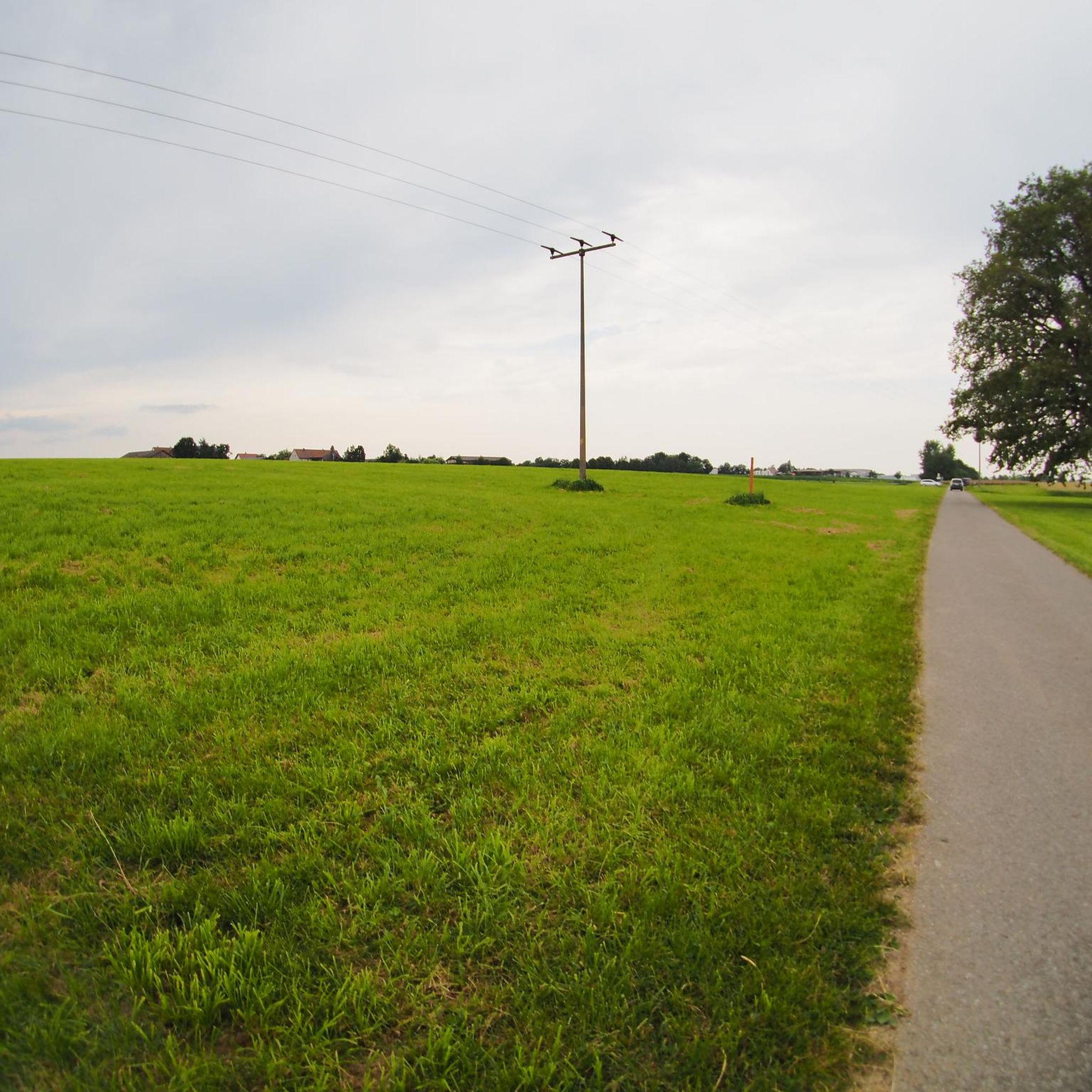
Here you can cycle in a relaxed manner
2
0
Frequently Asked Questions
What are some historically significant castles around Natternbach?
The region around Natternbach is home to several castles with rich histories. Marsbach Castle, first mentioned in 1075, was transformed into a Renaissance castle in the 16th century and stands high above the Danube. The Falkenstein Castle Ruins, dating back to 1140, are historically linked to the founding of Stift Schlägl. You can also explore the Ruins of Neujochenstein Castle, where only the 5-storey keep, built around 1350, remains.
Are there any castle ruins near Natternbach that are particularly interesting?
Yes, the area features several intriguing castle ruins. The Falkenstein Castle Ruins offer an accessible fortified tower built in 1489, providing a tangible connection to medieval history. The Ruins of Neujochenstein Castle are notable for their well-preserved 5-storey keep, with original oak roof beams from around 1350. Additionally, the Altjochenstein Castle Ruins, though less remains, offer a glimpse into a site abandoned around 1300 in favor of Neujochenstein.
Which castles offer the best panoramic views?
For stunning views, consider visiting Marsbach Castle, which provides expansive views of the Danube from Niederranna to the Schlögener Schlinge. The Falkenstein Castle Ruins are situated high above the Ranna, offering scenic vistas of the surrounding landscape. You can also find a great perspective at the Castle panorama 🏰 Wesenufer Danube, which provides a view of Marsbach Castle and the Danube valley.
Are there family-friendly castles to visit around Natternbach?
Many of the castle sites, particularly the ruins, are suitable for families who enjoy exploring historical places and nature. Falkenstein Castle Ruins are categorized as family-friendly, offering an accessible tower for exploration. These sites often provide open spaces for children to discover and imagine medieval life, though some terrain might be challenging.
What kind of outdoor activities can I do near these castles?
The region around Natternbach offers various outdoor activities. You can find numerous running trails, such as the 'Running loop from Untermaggau' or the 'Schopf Chapel loop from Natternbach'. For cycling enthusiasts, there are gravel biking routes like the 'View of Passau's Old Town – Obernzell town center loop'. Mountain biking is also popular, with trails like the 'Bench With a View – Hengstberg Lookout Point loop'. You can explore more options on the dedicated guides for Running Trails, Gravel Biking, and MTB Trails around Natternbach.
Are there hiking trails that incorporate castle visits?
Yes, many castles and ruins are integrated into hiking routes. For instance, the Falkenstein Castle Ruins are often part of longer hikes, offering a historical stop along the way. Similarly, the Altjochenstein Castle Ruins are located within a forest, making them a great destination for a historical walk. Check the nearby running and MTB guides for routes that pass by these historical sites.
What should I know before visiting the Falkenstein Castle Ruins?
The Falkenstein Castle Ruins are historically significant and feature a fortified tower built in 1489 that is still accessible. It's recommended to bring a torch or light if you plan to explore inside the tower or dungeon. The ruins are located high above the Ranna, so expect some elevation and potentially challenging terrain.
What makes Marsbach Castle unique?
Marsbach Castle is unique due to its striking location high above the Danube, near the scenic Schlögener Schlinge. Its history dates back to 1075, and it was transformed into a Renaissance castle in the 16th century, showcasing a blend of architectural styles. The castle, though privately owned, offers impressive views and a glimpse into centuries of regional history.
Can I visit the interior of the castles?
Access varies by castle. For ruins like Falkenstein Castle Ruins, the fortified tower is accessible, but other parts may be restricted due to ongoing renovations or safety. Marsbach Castle is privately owned, so public access to the interior might be limited or require special arrangements. For the Ruins of Neujochenstein Castle, you can explore the remaining keep.
Are there any hidden gems among the castles near Natternbach?
While not widely publicized, the Ruins of Neujochenstein Castle could be considered a hidden gem. Only the keep remains, but its 5-storey structure with preserved oak roof beams from around 1350 offers a fascinating look into medieval construction. It's a less crowded site that provides a unique historical experience.
What do visitors enjoy most about the castles around Natternbach?
Visitors frequently appreciate the historical depth and the scenic beauty surrounding the castles. The panoramic views from sites like Marsbach Castle and Falkenstein Castle Ruins are highly rated. The opportunity to explore medieval architecture and imagine life in a bygone era, often combined with outdoor activities, is a major draw for the komoot community.
Is there parking available near the castles?
While specific parking details for each castle are not always provided, most historical sites in rural areas typically have designated parking areas nearby or within reasonable walking distance. It's advisable to check local signage upon arrival or consult a map for the closest parking options to your chosen castle.
What is the best time of year to visit the castles around Natternbach?
The best time to visit is generally during the spring, summer, and early autumn months (April to October) when the weather is mild and the surrounding nature is in full bloom. This allows for comfortable exploration of the outdoor ruins and better visibility for panoramic views. Winter visits can be picturesque, especially after snowfall, but some paths might be slippery or less accessible.
Most popular routes around Natternbach
Most popular attractions around Natternbach

Get inspired with the komoot mobile app


Explore more
Looking for the best castles somewhere else? Discover other guides around Natternbach:
