Top 17 Lakes in Mount Jefferson Wilderness
Best lakes in Mount Jefferson Wilderness offers access to over 150 lakes, providing diverse hiking opportunities and alpine scenery. This wilderness area is characterized by its glaciated basins and dense coniferous forests. A Central Cascades Wilderness Permit is required for all overnight use and some day-use between June 15 and October 15.
Best lakes in Mount Jefferson Wilderness
- The most popular lakes is Shale Lake, a lake where Mount Jefferson can be seen mirroring in its clear water. The…
Last updated: August 22, 2026
Lake Ann
Highlight • Lake
Tip by

Shale Lake
Highlight • Lake
Tip by

Sign up now to discover places like this
Get recommendations on the best single tracks, peaks, & plenty of other exciting outdoor places.
Sign up for free
Rockpile Lake
Highlight • Lake
Tip by
Cabot Lake
Highlight • Lake
Tip by

Carl Lake
Highlight • Lake
Tip by
Sign up for free to discover even more lakes in Mount Jefferson Wilderness.
Sign up for free
Already have an account?
Start today with a free account
Your next adventure awaits.
Login or Signup
Popular around Mount Jefferson Wilderness
Tips from the Community

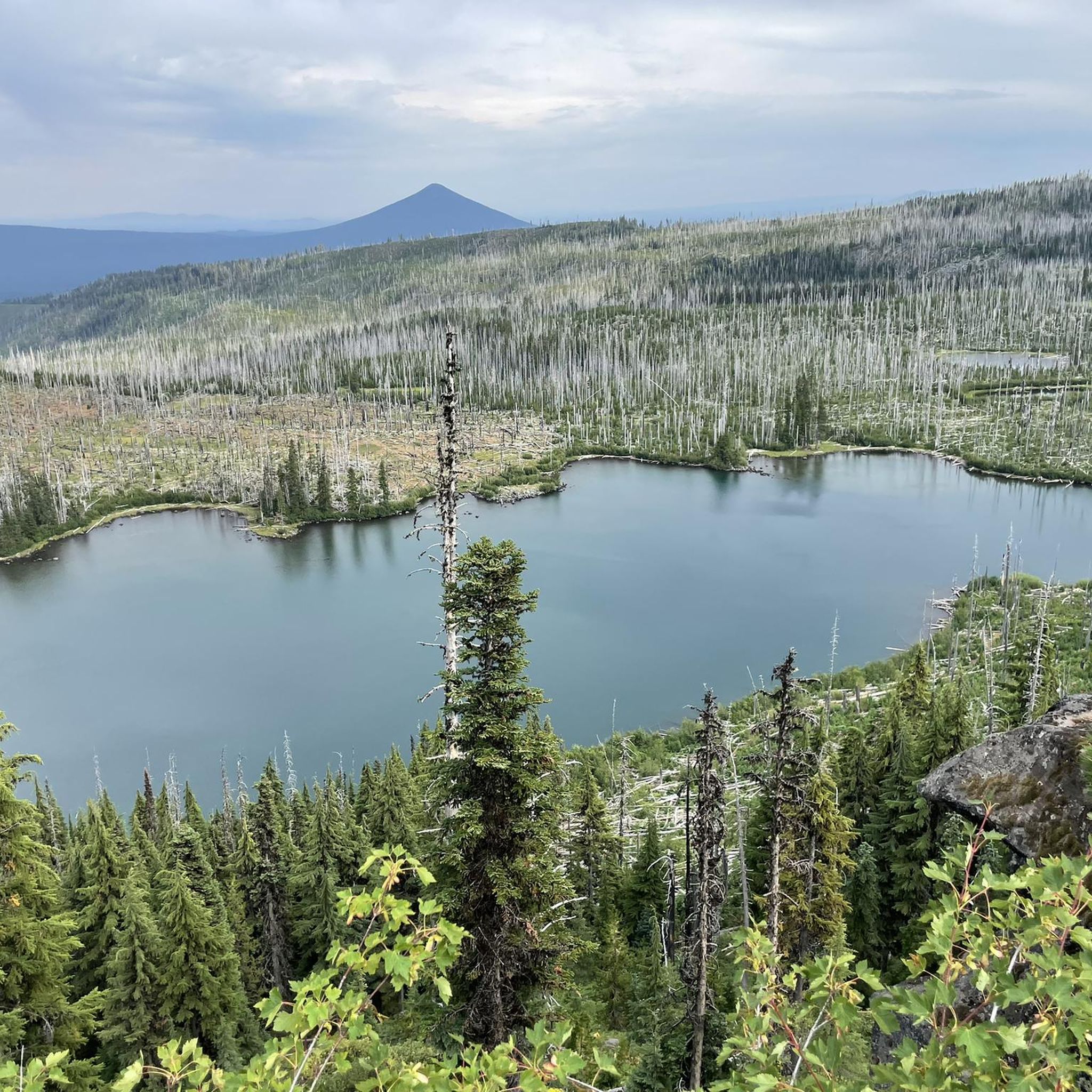
Nestled within the scenic expanse of Mount Jefferson Wilderness, Lake Ann is a serene gem among over 150 picturesque lakes. Its proximity to the Marion Lake Trail enhances the hiking experience, offering a tranquil ambiance amidst nature's bounty. While not stocked by ODFW, Lake Ann hosts a self-sustaining population of brook trout, adding to its allure for fishing enthusiasts.
0
0

Cabot Lake is a lovely picturesque spot just a short distance from the trail. It's a great place to stop after a run, take a break, and even jump in for a swim to cool off. Here, you can see orange-bellied aquatic salamanders, commonly called water dogs, in the water and along the shoreline.
0
0
Lovely spot to stop for lunch before heading back on the trail. Here you can see orange-bellied aquatic salamanders, commonly called water dogs, in and around this lake.
0
0

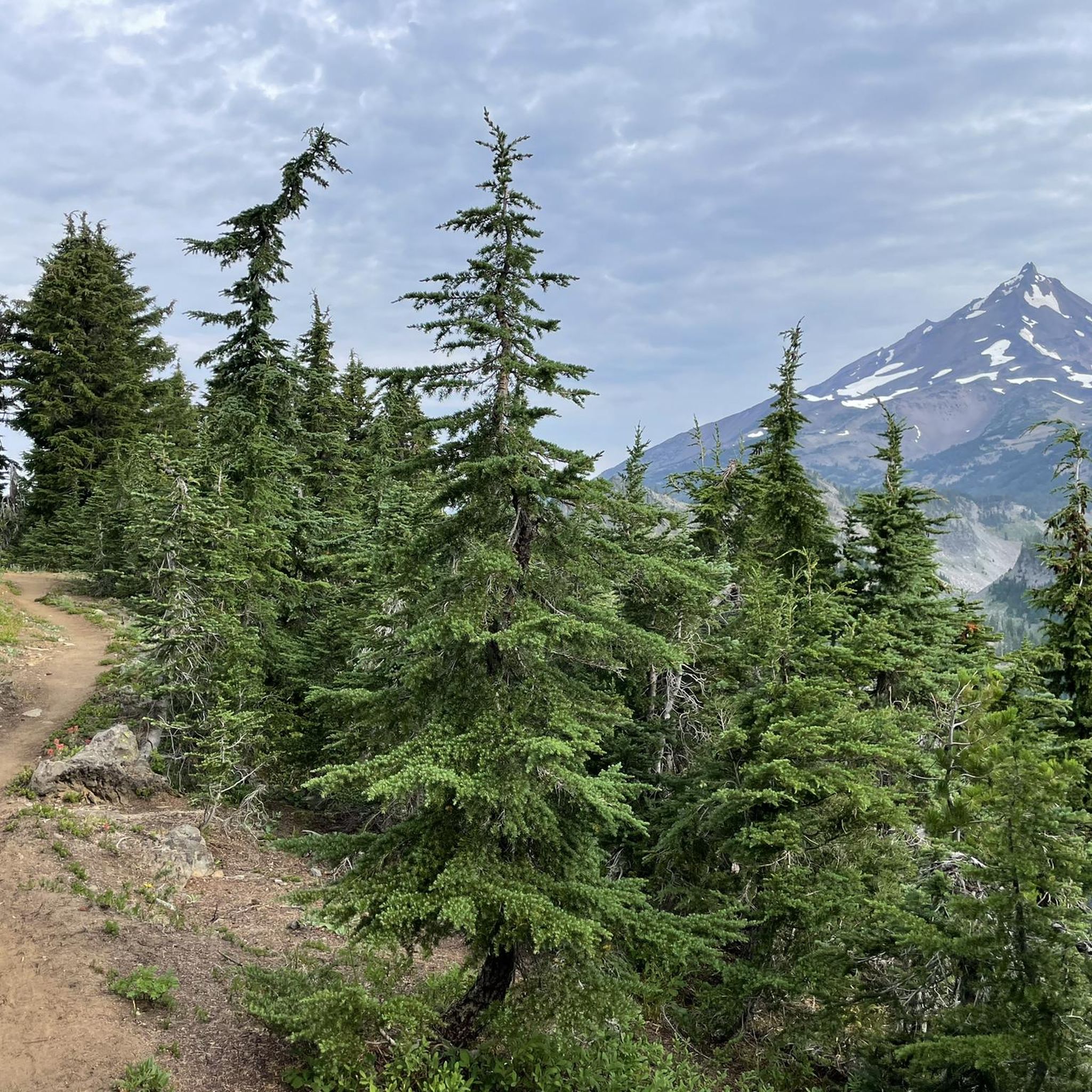
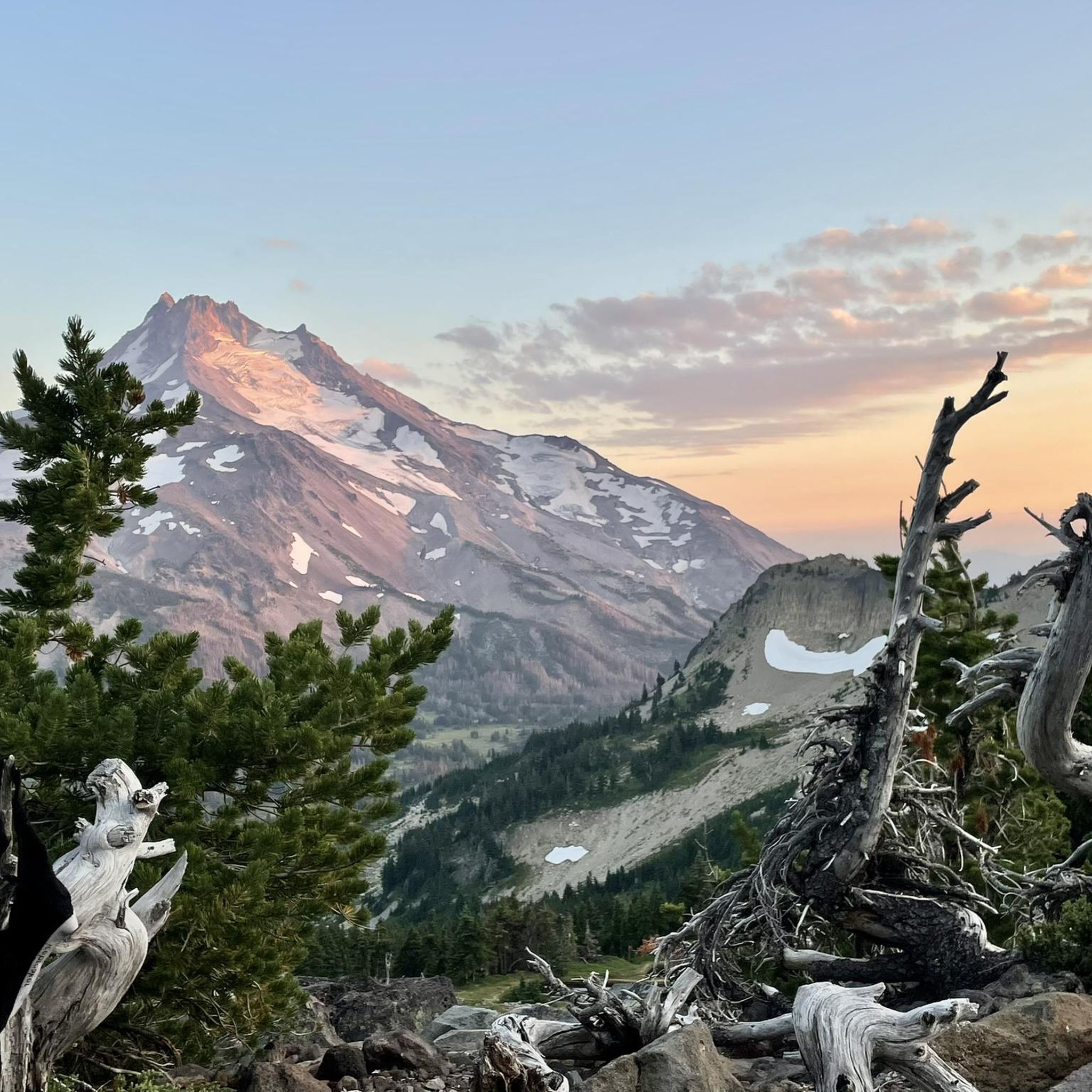
Shale Lake is just a tiny alpine lake, but from the right angle and with sunshine you will see Mount Jefferson mirroring in the clear water. There are also plenty of blueberry bushes in the area with delicious berries to forage in late summer.
7
0
Rockpile Lake lies at the foot of Rockpile Mountain and just next to the PCT. You can find great spots to pitch your tent at the south and north shore of Rockpile Lake which is also a good water source.
5
0
Frequently Asked Questions
Do I need a permit to visit lakes in Mount Jefferson Wilderness?
Yes, a Central Cascades Wilderness Permit is required for all overnight use and some day-use between June 15 and October 15. It's essential to check current regulations before your visit.
When is the best time to visit the lakes in Mount Jefferson Wilderness?
The best time to visit is generally between June 15 and October 15, when the Central Cascades Wilderness Permit system is in effect. This period offers the most favorable weather for hiking and enjoying the alpine scenery, though snow conditions can persist into early summer at higher elevations.
Which lakes offer the best views of Mount Jefferson?
For iconic views of Mount Jefferson, visit the Jefferson Park Lakes area, including Bays, Scout, Rock, and Park Lakes. You can also see Mount Jefferson mirroring in the clear waters of Shale Lake from the right angle, and Pamelia Lake offers excellent views, especially from higher elevations like Grizzly Peak.
Are there family-friendly lakes or hikes in Mount Jefferson Wilderness?
Yes, Pamelia Lake provides a relatively gentle hike through a diverse forest, making it suitable for families or those seeking a less strenuous outing. It also features a 'fairytale-like' stream along the way.
Can I camp overnight near the lakes in Mount Jefferson Wilderness?
Overnight camping is permitted in designated areas, but regulations vary. For instance, in Jefferson Park, camping within 250 feet of any lake requires using a designated site to protect the fragile ecosystem. Campfires are often prohibited in sensitive lake basins like Marion Lake, Ann Lake, and Table Lake. A Central Cascades Wilderness Permit is required for all overnight use between June 15 and October 15.
What unique natural features can I find around the lakes?
The lakes are surrounded by diverse natural features. You can find abundant blueberry bushes for foraging in late summer near Shale Lake. The Jefferson Park Lakes area is known for its abundant wildflowers. Near Cabot Lake, you might spot orange-bellied aquatic salamanders. Table Lake offers a diverse landscape including lava flows, forests, and wildflowers.
Are there fishing opportunities in the lakes?
Many lakes in Mount Jefferson Wilderness are stocked with trout, offering good fishing opportunities. Lake Ann supports a self-sustaining population of brook trout, making it appealing for fishing enthusiasts. Mowich Lake is also known for its maintained trout fishery.
What are some popular trailheads for accessing lakes in Mount Jefferson Wilderness?
Popular access points include the Duffy Lake Trail, which can lead to Mowich Lake, and the Marion Lake Trail, which provides access to Lake Ann and other areas. The trail to Pamelia Lake is another well-known entry point.
What outdoor activities can I do near these lakes?
Beyond enjoying the lakes themselves, the Mount Jefferson Wilderness offers extensive opportunities for hiking, backpacking, and running. You can find various routes, from moderate to difficult, such as the Canyon Creek Meadows loop or the Pamelia Lake Trail. For more details on routes, explore the Hiking in Mount Jefferson Wilderness guide.
Are there less crowded lakes for a more secluded experience?
While popular areas like Jefferson Park can get busy, lakes such as Crown Lake and Firecamp Lakes offer a quieter, more untouched wilderness experience, passing through older forests. Table Lake is also described as remote and magical, providing numerous campsites away from the crowds.
Which lakes are good for a refreshing swim?
Carl Lake is described as a beautiful, crystal-clear alpine lake where the water can be refreshing to cool off on a hot day. Cabot Lake is also a great spot to jump in for a swim.
What is the hiking difficulty to lakes in Mount Jefferson Wilderness?
The hiking difficulty varies significantly. Some trails, like the one to Pamelia Lake, are relatively gentle, while others involve rocky paths and significant elevation gains, connecting to the Pacific Crest Trail. For example, the Porcupine View and Three Fingered Jack route is considered difficult. Always check specific trail details before heading out.
Most popular attractions in Mount Jefferson Wilderness

Get inspired with the komoot mobile app


