Attractions and Places To See in Granite Mountain Wilderness - Top 6
Best attractions and places to see in Granite Mountain Wilderness feature rugged granite boulders and diverse landscapes near Prescott, Arizona. The area is centered around Granite Mountain, which rises to over 7,600 feet, offering panoramic views of the surrounding valleys and mountains. It is characterized by massive granite formations, towering ponderosa pines, and a variety of desert flora. The wilderness also provides a sanctuary for diverse wildlife, including deer, javelinas, and various raptors.
Best attractions and places to see in…
Last updated: June 29, 2026
Granite Mountain
Highlight • Summit
Tip by

Managing Ponderosa Pine Forests
Highlight • Forest
By Prescott National Forest
Due to fire suppression and extended periods of drought, today's forests and woodlands exist in an unnatural state.
Tip by
Sign up now to discover places like this
Get recommendations on the best single tracks, peaks, & plenty of other exciting outdoor places.
Sign up for free
Upper portion of Granite Mountain Trail
Highlight (Segment) • Trail
Tip by

Trail along Mint Wash
Highlight (Segment) • Trail
Tip by
Little Granite Mountain Trail
Highlight (Segment) • Trail
Tip by
Sign up for free to discover even more attractions in Granite Mountain Wilderness.
Sign up for free
Already have an account?
Start today with a free account
Your next adventure awaits.
Login or Signup
Popular around Granite Mountain Wilderness
Tips from the Community

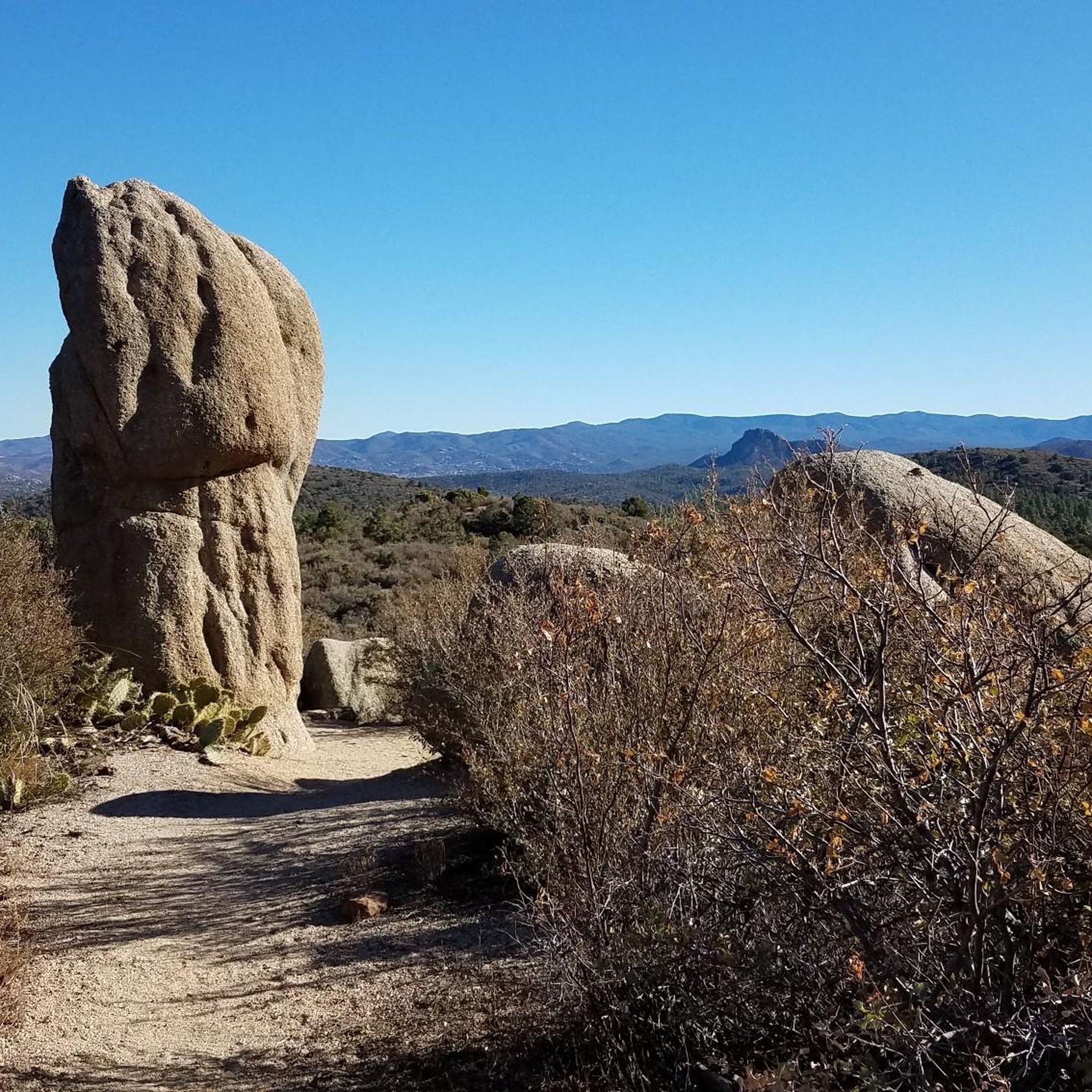
With mountain views, shade, and rock formations just off the side of the path, it's no wonder why this trail is so popular. The trail circumnavigates Little Granite Mountain and offers awesome views of the valley, Little Granite Mountain, Granite Mountain (off in the distance), and a number of different natural rock features. This is a popular trail that ends at the wilderness boundary.
0
0
The trail circumnavigating Little Granite Mountain offers awesome views of the valley, Little Granite Mountain, Granite Mountain (off in the distance), and a number of different natural rock features. This is a popular trail that can easily be turned into a loop.
0
0
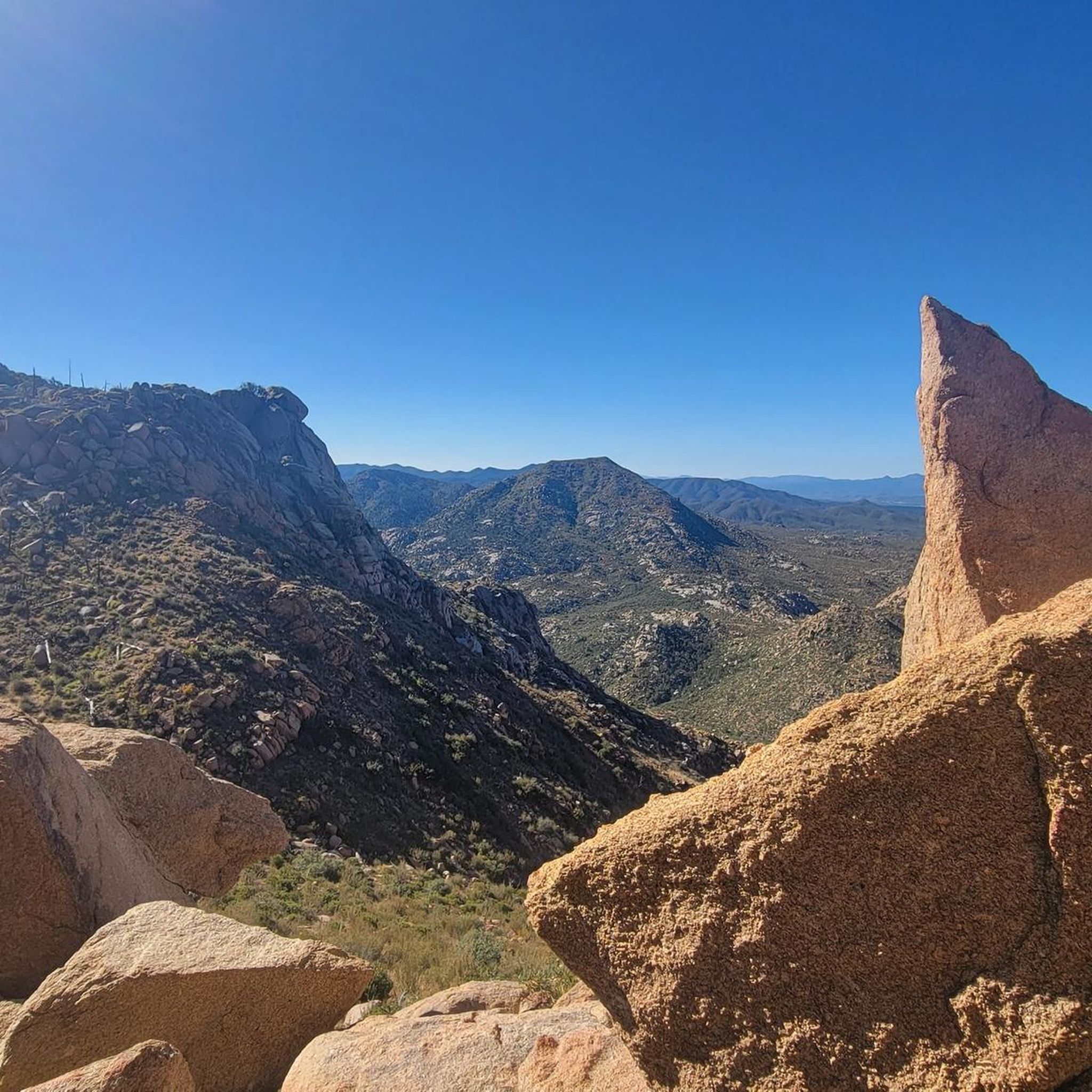
At 7,628 feet, Granite Mountain is the high point within the Granite Mountain Wilderness. Covered in cliffs, bluffs, and ravines, the mountain is a towering structure that can be seen from a bunch of different areas around Yavapai County. From the top, you get endless views of the lower peaks and valleys towards Prescott.
0
0
The Granite Mountain Trail is a rough and tough wilderness trail that climbs from Granite Basin Lake up to the top of the Granite Mountain Wilderness. There is some shade and water along the trail, but once you really start climbing and getting close to the summit, the trail is completely exposed with no water sources in sight, so plan accordingly.
0
0
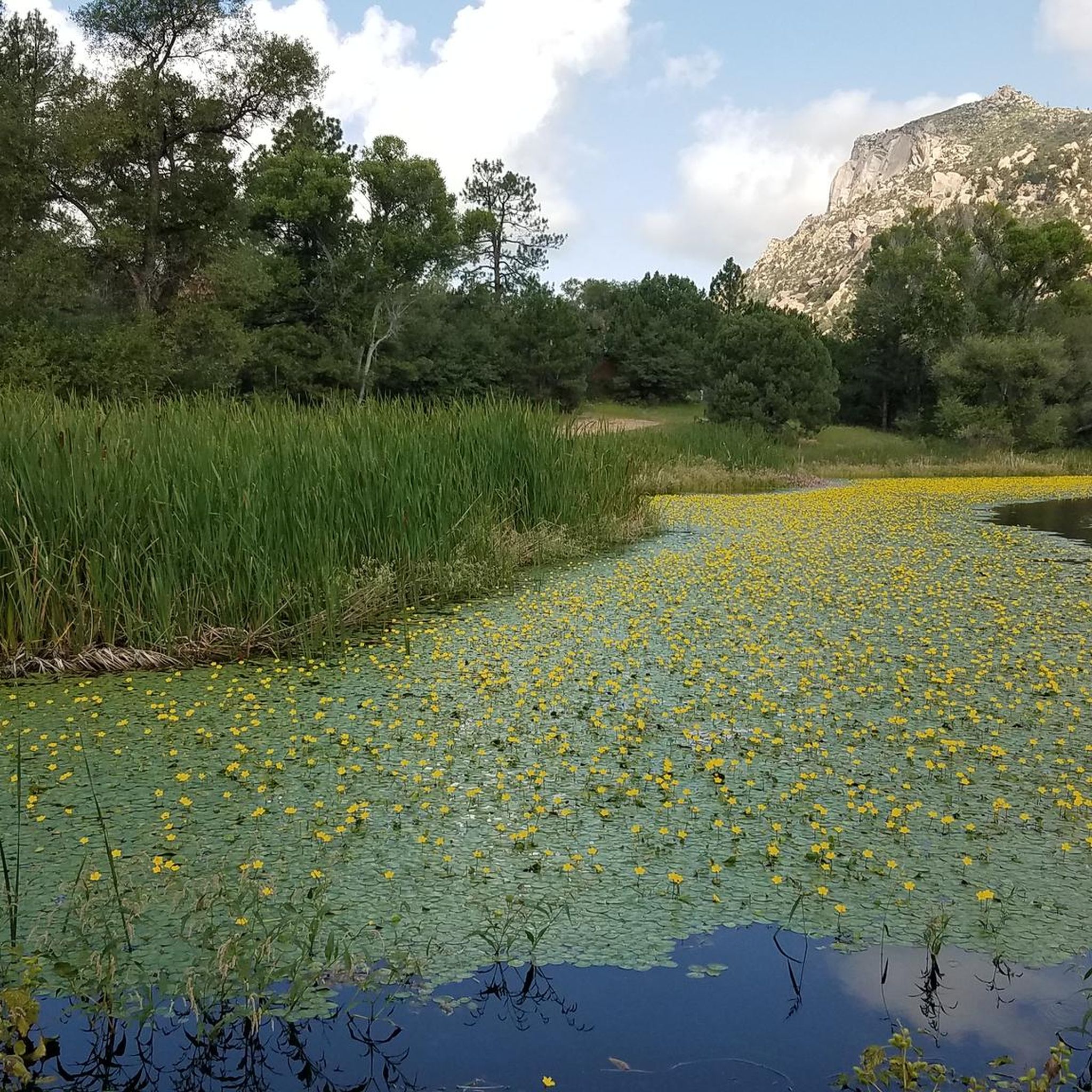
The North Skyline Drive Trail turns into an easy to follow singletrack trail that follows Mint Wash all the way to Granite Basin Lake. There are a number of trails below the towering Granite Mountain, and this path offers a bit more seclusion than the other trails in the area.
0
0

...the larger trees are given more room to grow. In 2004, live trees and beetle-killed trees were removed from this area. Prior to the logging operation, high tree densities shaded the forest floor, hindering the growth of ground vegetation such as grasses and forbs. After the thinning, sunlight, water, and nutrients become available for a variety of plant species. The grasses and forbs provide food and various habitats for many wildlife species, and improve overall ecosystem health by holding soil in place. Through thinning of trees, managers can reduce the likelihood of future bark beetle outbreaks and severe wildfire and create a more naturally balanced landscape with healthy trees."
3
0
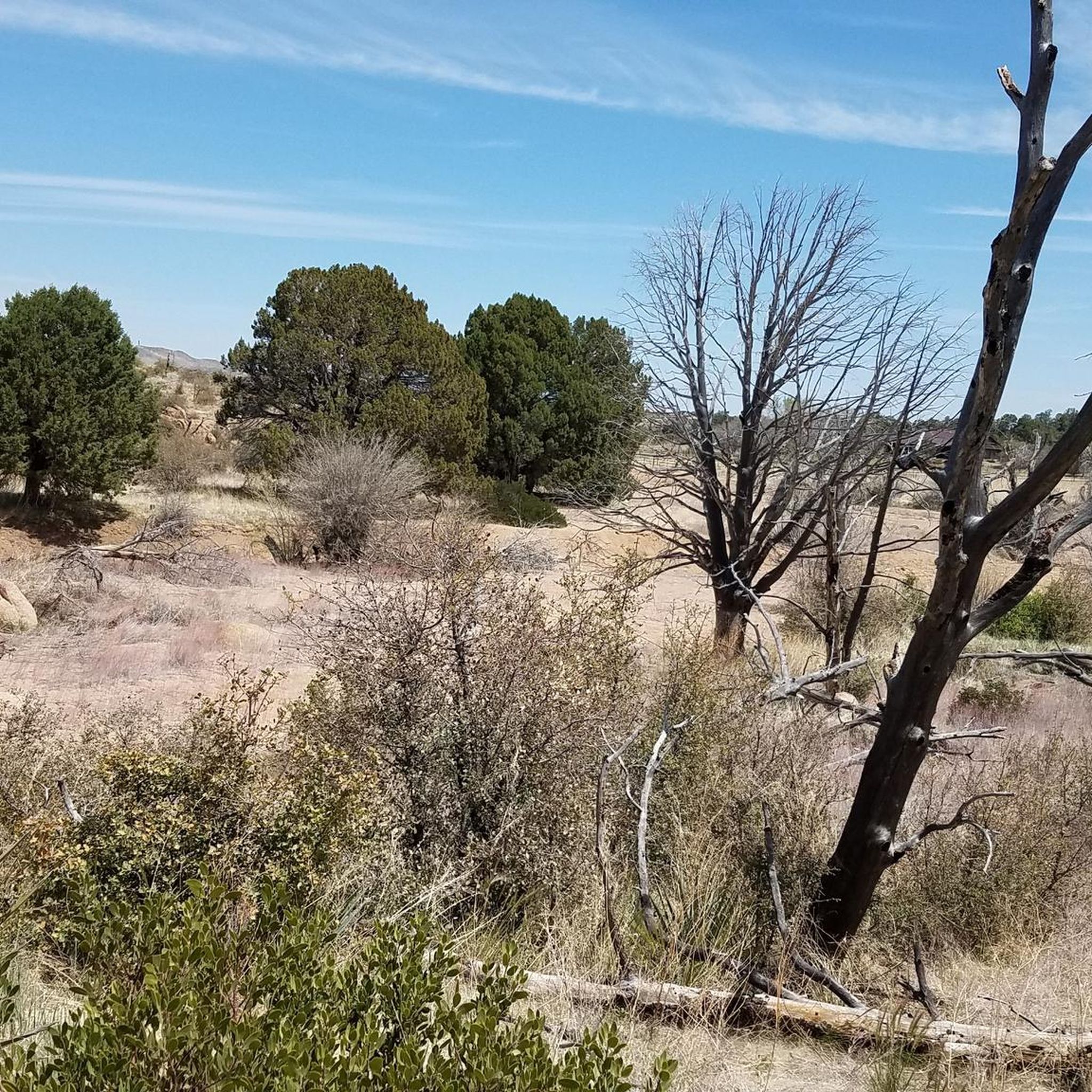
"Managing for Forest Health By Prescott National Forest Due to fire suppression and extended periods of drought, today's forests and woodlands exist in an unnatural state. When trees are stressed due to overcrowding and drought, a tree's natural defense mechanism (sap production) becomes weakened making the trees susceptible to attacks from bark beetles. During 2002 and 2003, the combination of drought and high tree densities resulted in a bark beetle epidemic that killed approximately 18 million Ponderosa Pines across 662,000 acres in Arizona. Low intensity fire, insects, and disease arenature's way of maintaining a healthy forest. However, today's forests with high tree densities are prone to severe wildfires that threaten communities as well as damage wildlife habitat, soils, and vegetation. Forest managers mimic nature by thinning trees to restore a more natural condition including reduced hazardous fuels. Also, by removing some of the smaller trees in the landscape,...
3
0
The North Skyline Drive Trail turns into an easy to follow singletrack trail that follows Mint Wash all the way to Granite Basin Lake. There are a number of trails below the towering Granite Mountain, and this path offers a bit more seclusion than the other trails in the area.
0
0
Frequently Asked Questions
What unique natural features can I explore in Granite Mountain Wilderness?
The wilderness is renowned for its rugged granite boulders and diverse landscapes. You'll find massive granite formations, some as large as houses, and the centerpiece, Granite Mountain, which offers panoramic views. A notable geological formation is Polar Bear Boulder, which provides a rugged and spectacular experience.
Are there any trails that offer a sense of seclusion or unique natural beauty?
Yes, the Trail along Mint Wash is an easy-to-follow singletrack that follows a seasonal stream all the way to Granite Basin Lake, offering a secluded experience below Granite Mountain. Another option is the White Rock Spring Trail, known for its rock formations in the first half and increasing solitude further along.
What kind of wildlife can I expect to see in Granite Mountain Wilderness?
Granite Mountain Wilderness is a sanctuary for diverse wildlife. Visitors might spot deer, javelinas, bobcats, mountain lions, coyotes, foxes, badgers, skunks, cottontails, sage grouse, and various raptors, including peregrine falcons.
What hiking opportunities are available in Granite Mountain Wilderness?
The wilderness offers numerous trails for hiking, ranging in difficulty. Popular options include the Granite Mountain Trail #261, which leads to the summit, and trails like the Trail along Mint Wash. For more detailed hiking routes, you can explore guides like Easy hikes in Granite Mountain Wilderness, which features routes like the Mint Wash and Granite Basin Lake Loop.
Can I go mountain biking or cycling near the attractions?
Absolutely. The area around Granite Mountain Wilderness provides excellent opportunities for mountain biking and cycling. You can find various routes in guides such as MTB Trails in Granite Mountain Wilderness, which includes routes like the Little Granite Mountain Loop, and Cycling in Granite Mountain Wilderness for road cycling options.
What is the significance of the Ponderosa Pine forests in the area?
The Ponderosa Pine forests are a vital part of the ecosystem. You can learn about their management and health at the Managing Ponderosa Pine Forests highlight. This area demonstrates how forest managers work to maintain a healthy forest by thinning trees to reduce the risk of severe wildfires and bark beetle outbreaks, promoting a more naturally balanced landscape.
Are there any historical or cultural sites to visit?
The region has a rich history, with evidence of both indigenous peoples and early pioneers. Historic Indian artifacts and pioneer remnants can be found, and numerous archaeological sites are scattered throughout the pinyon-juniper woodland, hinting at the Mono Lake Paiutes who historically wintered here.
What are the best viewpoints in Granite Mountain Wilderness?
Granite Mountain itself, rising to over 7,600 feet, provides outstanding panoramic views of the surrounding area, including Chino Valley, Skull Valley, Prescott Valley, Thumb Butte, and the Bradshaw Mountains. Many trails, including the Granite Mountain Trail #261, lead to these scenic vistas.
What is the best time of year to visit Granite Mountain Wilderness?
The Granite Mountain Wilderness offers diverse experiences throughout the year. Spring and fall generally provide the most pleasant weather for hiking and outdoor activities, with vibrant seasonal wildflowers in spring. Summer can be hot, especially at lower elevations, while winter may bring cooler temperatures and occasional snow at higher altitudes.
Is there designated parking or entry points for the wilderness area?
Yes, the Metate Trailhead in Granite Basin serves as a primary entry point to the wilderness. It typically offers amenities such as parking, restrooms, and trail maps, making it a convenient starting point for exploring the area.
Are there any unique rock formations besides Polar Bear Boulder?
Beyond the Polar Bear Boulder, the wilderness is characterized by rugged granite boulders and unique rock formations throughout. One notable mention from regional research is Balance Rock, a large boulder precariously balanced on another. The White Rock Spring Trail is also known for its distinctive rock formations.
What kind of plant life can I expect to see?
The wilderness showcases a diverse array of flora. You'll find towering ponderosa pines, vibrant seasonal wildflowers, and desert plants like agave and yucca. The northern slopes feature juniper and pinion, while the southern slopes are dominated by manzanita, lemonade berry bush, shrub live oak, and mountain mahogany.
Most popular routes in Granite Mountain Wilderness
Most popular attractions in Granite Mountain Wilderness

Get inspired with the komoot mobile app


Explore more
Still not found the Highlight you’re looking for? See guides of the top attractions in other regions:
