Attractions and Places To See in Organ Mountains Wilderness - Top 8
Best attractions and places to see in Organ Mountains Wilderness, a rugged area east of Las Cruces, New Mexico, is characterized by its dramatic, needle-like spires. This region offers diverse natural features, including canyons, trails, and unique geological formations. It also holds significant cultural importance with numerous archaeological sites and historical connections. The wilderness provides a landscape rich in diverse plant life and supports various wildlife species.
Best attractions and places to see in Organ Mountains Wilderness
- The most popular…
Last updated: July 2, 2026
Fillmore Waterfall
Highlight • Waterfall
Tip by

Pine Tree Trail upper
Highlight (Segment) • Trail
Tip by

Sign up now to discover places like this
Get recommendations on the best single tracks, peaks, & plenty of other exciting outdoor places.
Sign up for free
Pine Tree Trail lower
Highlight (Segment) • Trail
Tip by
Baylor Canyon
Highlight • Canyon
Tip by
Juniper Saddle
Highlight • Mountain Pass
Tip by
Sign up for free to discover even more attractions in Organ Mountains Wilderness.
Sign up for free
Already have an account?
Start today with a free account
Your next adventure awaits.
Login or Signup
Popular around Organ Mountains Wilderness

Tips from the Community

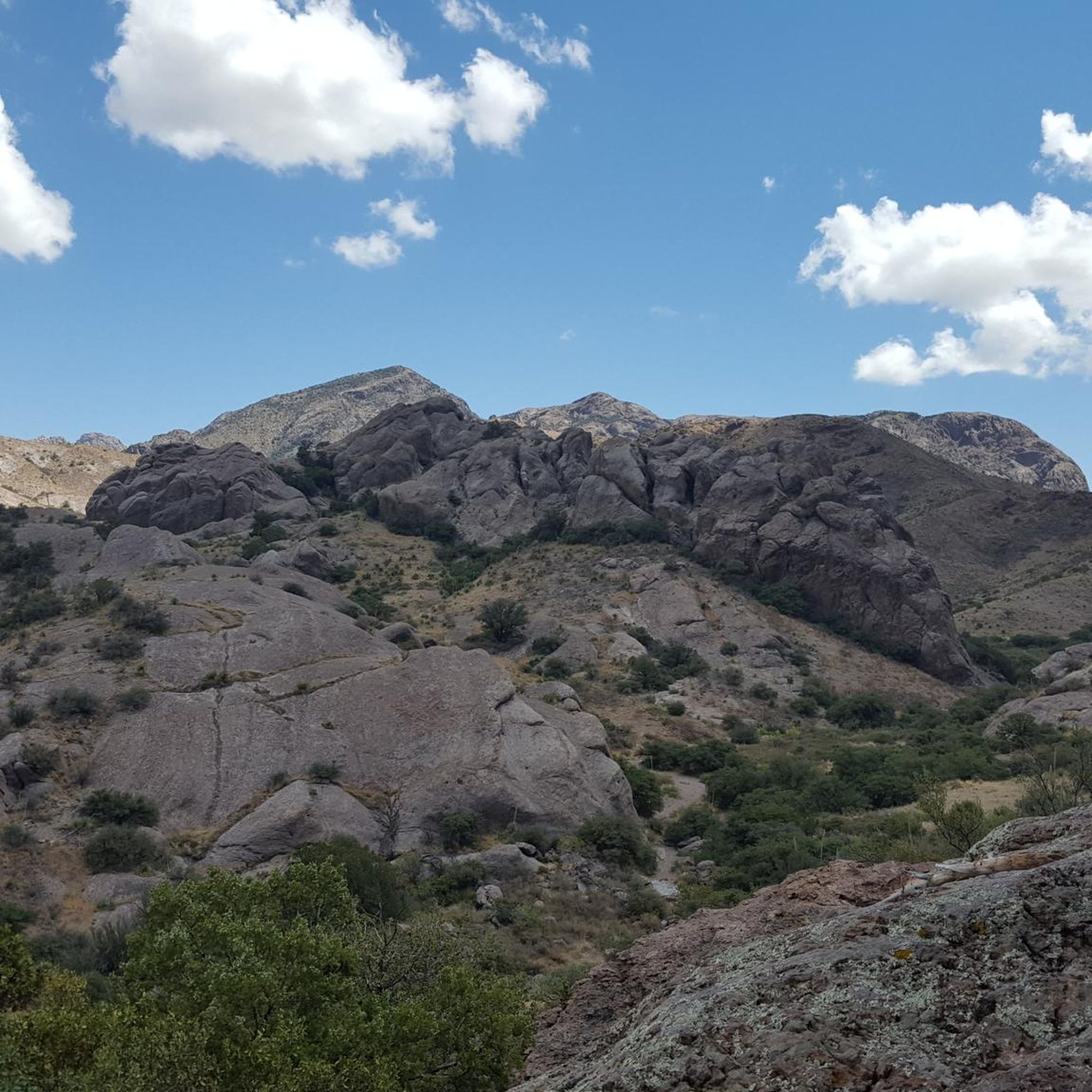
As you ascend the high desert the views start to open up around you. From here you are around halfway to the pass!
0
0
The trail up to the saddle has some easy scrambling. From here on to Organ Needle you will pass the crux, a small steep scramble with a rope to help hikers up and down. If you are reasonably fit and comfortable with easy scrambling then don't let the crux deter you! It is quite manageable and the rewards from the summit are well worth it.
0
0
You get great views of both the towering Pinnacles and the rolling desert along the lower part of the trail. If you climb south from here you will find a trail fork where you can connect to the Indian Hollow Trail if you so wish.
1
0
As you climb, the views out across the desert become increasingly expansive. There is a creek crossing at Sotol Creek near the high point of the climb.
0
0


Doable as a single day up and down, but start early and pack a headlight.
2
0
Frequently Asked Questions
What are some popular hiking trails in Organ Mountains Wilderness?
The Organ Mountains Wilderness offers a variety of trails for different skill levels. Popular options include the Pine Tree Trail upper, which provides expansive desert views and a creek crossing, and the trail through Baylor Canyon, offering scenic vistas as you ascend. For a more challenging experience, consider the trail leading to Fillmore Waterfall, an iconic walk that requires ample water. You can find more hiking options, including routes like the Baylor Pass National Recreation Trail, in our guide to Hiking in Organ Mountains Wilderness.
Are there any challenging climbs or technical trails for experienced hikers?
Yes, for experienced hikers, the Organ Mountains offer challenging terrain. The trail up to Juniper Saddle involves some easy scrambling, and from there, the path towards Organ Needle includes a small steep scramble with a rope to assist. The Organ Needles themselves are a popular destination for mountain climbers, with routes ranging from moderate to extremely difficult.
Where can I see unique natural features or geological formations?
The wilderness is renowned for its dramatic natural features. The iconic Organ Needles are steep, granite spires that resemble organ pipes. You can also explore the Dripping Springs Natural Area, which features a natural spring. Further afield, Kilbourne Hole National Historic Landmark is a mile-wide maar volcano where Apollo astronauts trained, and the Potrillo Mountains and Aden Lava Flow Wilderness showcase volcanic landscapes with cinder cones and lava flows.
Are there any waterfalls to visit in the Organ Mountains Wilderness?
Yes, the Fillmore Waterfall is a notable natural feature and a popular destination. It's doable as a single day up and down, but visitors are advised to start early and bring plenty of water. For more routes that include waterfalls, you can explore our guide to Waterfall hikes in Organ Mountains Wilderness.
What historical or archaeological sites can I explore?
The Organ Mountains Wilderness is rich in history. You can visit the ruins of the Ruby Mine, which offers a glimpse into the area's mining past. The Dripping Springs Natural Area also contains historic ruins. The monument protects over 5,000 archaeological sites, including some of the earliest Native American settlements and petroglyphs. Other historical points of interest include preserved sections of the Butterfield Stagecoach Trail, Outlaw Rock (associated with Billy the Kid), Geronimo's Cave, and ruins of Fort Mason.
Are there family-friendly activities or trails in the Organ Mountains Wilderness?
Yes, the Dripping Springs Natural Area offers a family-friendly, three-mile roundtrip hike to historic ruins and a natural spring, complete with a visitor center. Shorter sections of trails like the Pine Tree Trail upper or the lower parts of Baylor Canyon can also be suitable for families looking for less strenuous options.
What kind of wildlife can I expect to see?
The diverse ecosystems of the Organ Mountains Wilderness support a variety of wildlife. Visitors might spot desert mule deer, mountain lions, and various songbirds. A unique race of the Colorado chipmunk also inhabits the area. Keep an eye out for diverse plant life, including alligator juniper, gray oak, and unique species like the Organ Mountain evening primrose.
What is the best time of year to visit Organ Mountains Wilderness?
The Organ Mountains Wilderness is generally best visited during the cooler months, typically from fall through spring (October to April), to avoid the intense summer heat. During spring, the lower slopes can be blanketed with Mexican poppies, offering a beautiful display. Always check the weather forecast before your visit, especially if planning longer hikes.
Are there opportunities for camping or stargazing?
Yes, primitive camping is permitted in many areas of the wilderness. For established sites, Aguirre Springs Campground on the east side of the mountains offers excellent views and facilities. With minimal light pollution, Aguirre Springs Campground is also a particularly good spot for exceptional stargazing.
Can I go mountain biking or horseback riding in the area?
Yes, the Organ Mountains Wilderness offers opportunities for both mountain biking and horseback riding. Mountain biking is particularly popular in the Doña Ana Mountains section and on trails like the Sierra Vista Trail. Several trails, including the Baylor Pass Trail and Sierra Vista Trail, are open to equestrians, and local outfitters may offer guided rides.
What are the most visually striking natural landmarks?
The most visually striking features are undoubtedly the Organ Needles, the dramatic, steep, granite spires that give the range its name. These iconic formations rise to over 9,000 feet and are visible from many points in the region, especially from the east side near Aguirre Springs.
What do visitors enjoy most about the Organ Mountains Wilderness?
Visitors frequently appreciate the dramatic scenery, the expansive views across the desert, and the sense of adventure offered by the trails. The unique geological formations, the opportunity to explore historical sites like the Ruby Mine, and the chance to discover hidden natural wonders like Fillmore Waterfall are also highly valued. The tranquility and natural beauty make it a popular destination for outdoor enthusiasts.

Get inspired with the komoot mobile app


Explore more
Still not found the Highlight you’re looking for? See guides of the top attractions in other regions:
