Top 17 Castles around Wieselburg-Land
Best castles around Wieselburg-Land are found in Lower Austria, a region characterized by its historical significance and diverse architectural heritage. The area features a mix of medieval ruins and well-preserved Baroque structures, reflecting centuries of history. These historical sites are often set amidst tranquil parks and river landscapes, providing a blend of cultural exploration and natural beauty. The region offers insights into different eras and architectural styles through its various castle complexes.
Best castles around Wieselburg-Land
- The most popular castles…
Last updated: July 1, 2026
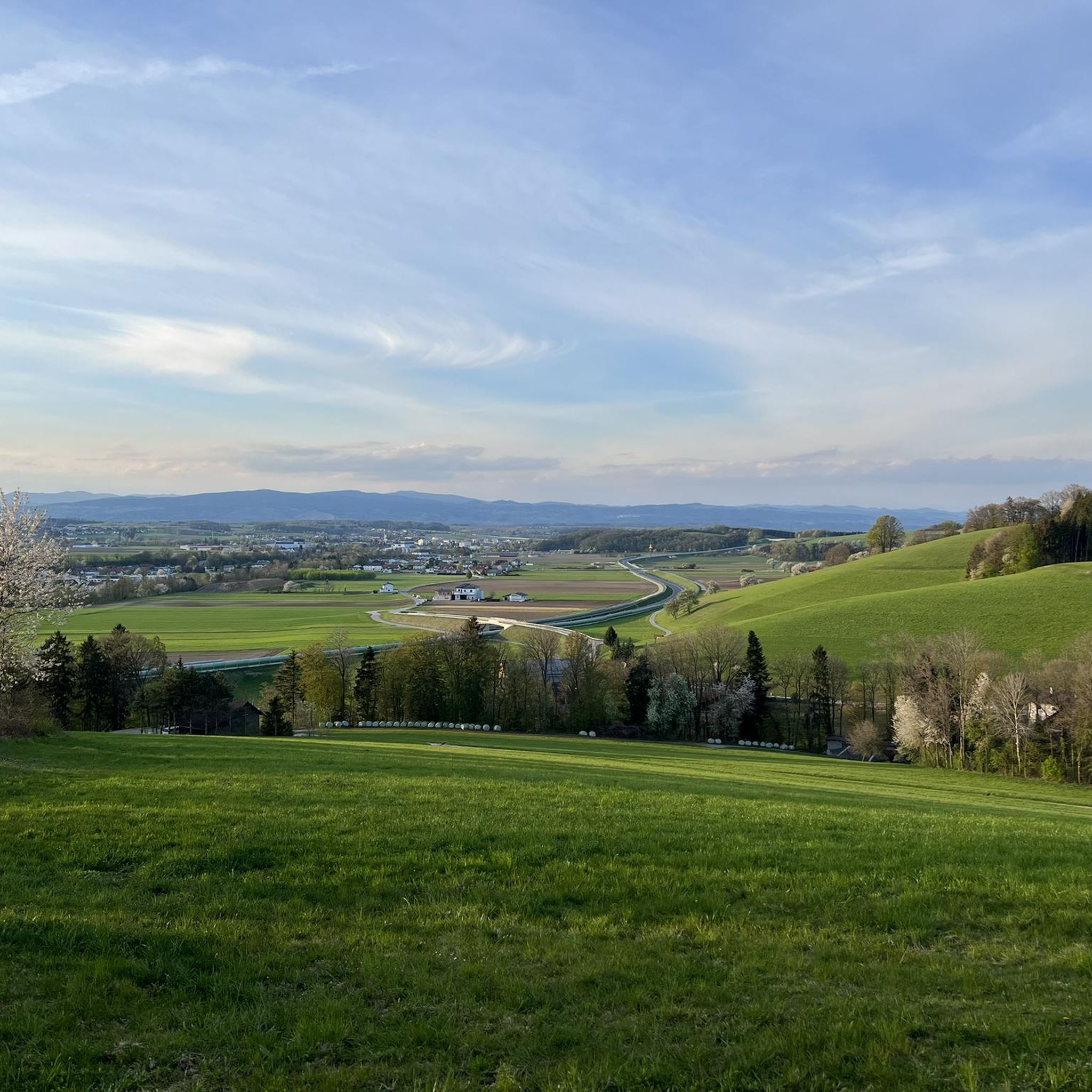
View of Persenbeug Castle
Highlight • Viewpoint
Translated by Google •
Tip by

Persenbeug Castle and Ybbs-Persenbeug Hydroelectric Power Plant
Highlight • Monument
Translated by Google •
Tip by
Sign up now to discover places like this
Get recommendations on the best single tracks, peaks, & plenty of other exciting outdoor places.
Sign up for free
Wolfpassing Castle
Highlight • Castle
The predecessor building of Wolfpassing Castle came to Sigmund Graf von Abensperg …
Translated by Google •
Tip by

Senftenegg Castle
Highlight • Castle
Translated by Google •
Tip by

Zelking Ruins
Highlight • Castle
A few walls are still reasonably intact and suggest the size of the time.
Translated by Google •
Tip by

Sign up for free to discover even more castles around Wieselburg-Land.
Sign up for free
Already have an account?
Start today with a free account
Your next adventure awaits.
Login or Signup
Tips from the Community

The castle is prominently situated on a rock on the right bank of the Danube, above the municipality of Persenbeug-Gottsdorf, at the transition from the Strudengau to the Nibelungengau.
1
0

Persenbeug Castle is beautifully situated on the Danube bridge and lock of the power plant
0
0

The Wolfpassing municipal office is located in the main building of the castle
0
0
Giant chestnut trees can be admired in front of the castle. If you're looking for an alternative to the fast road, a beautiful gravel path leads uphill parallel to the entrance on the right.
0
0
In front of the castle you can admire huge chestnut trees, at the entrance on the right there is a nice gravel alternative to the fast road below
0
0

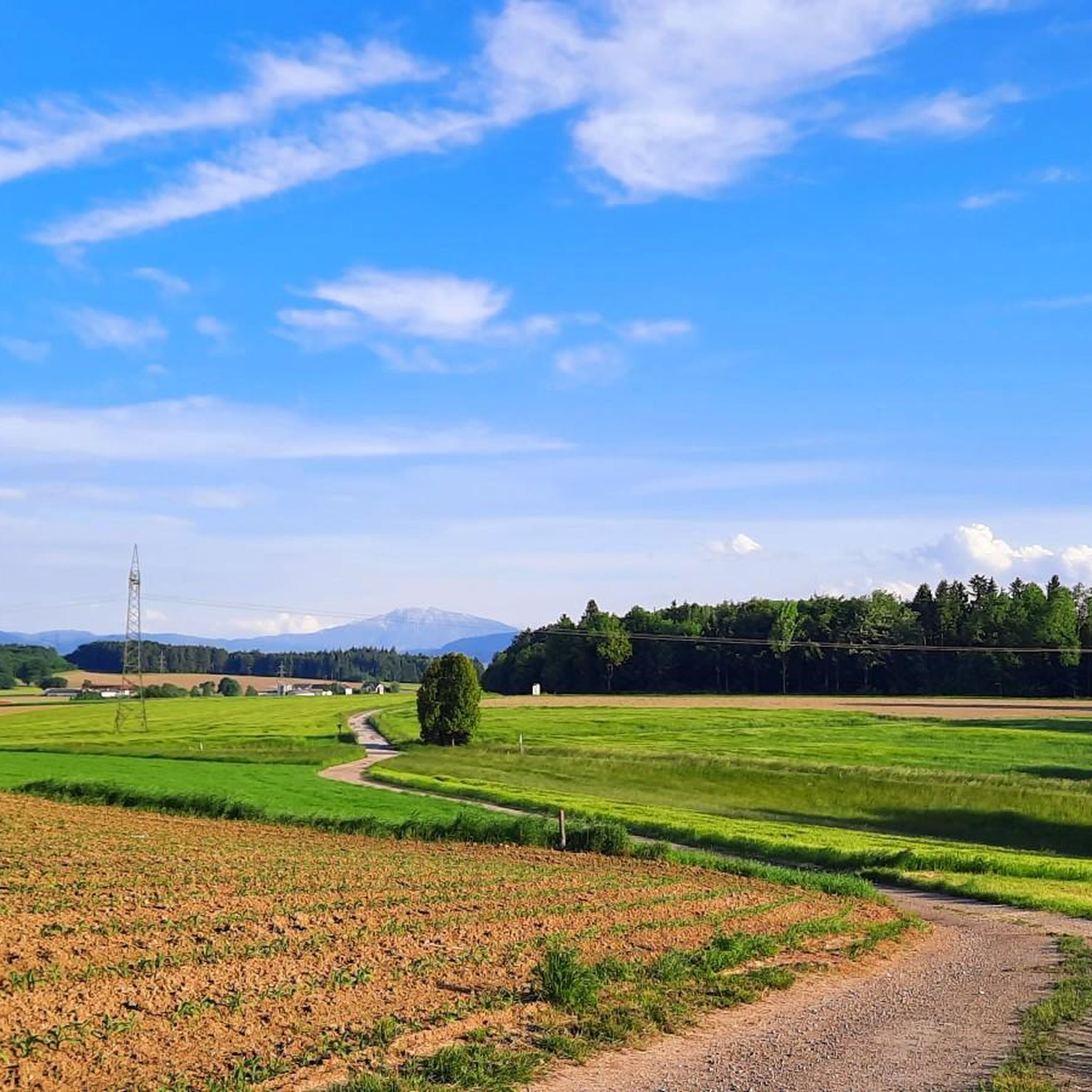
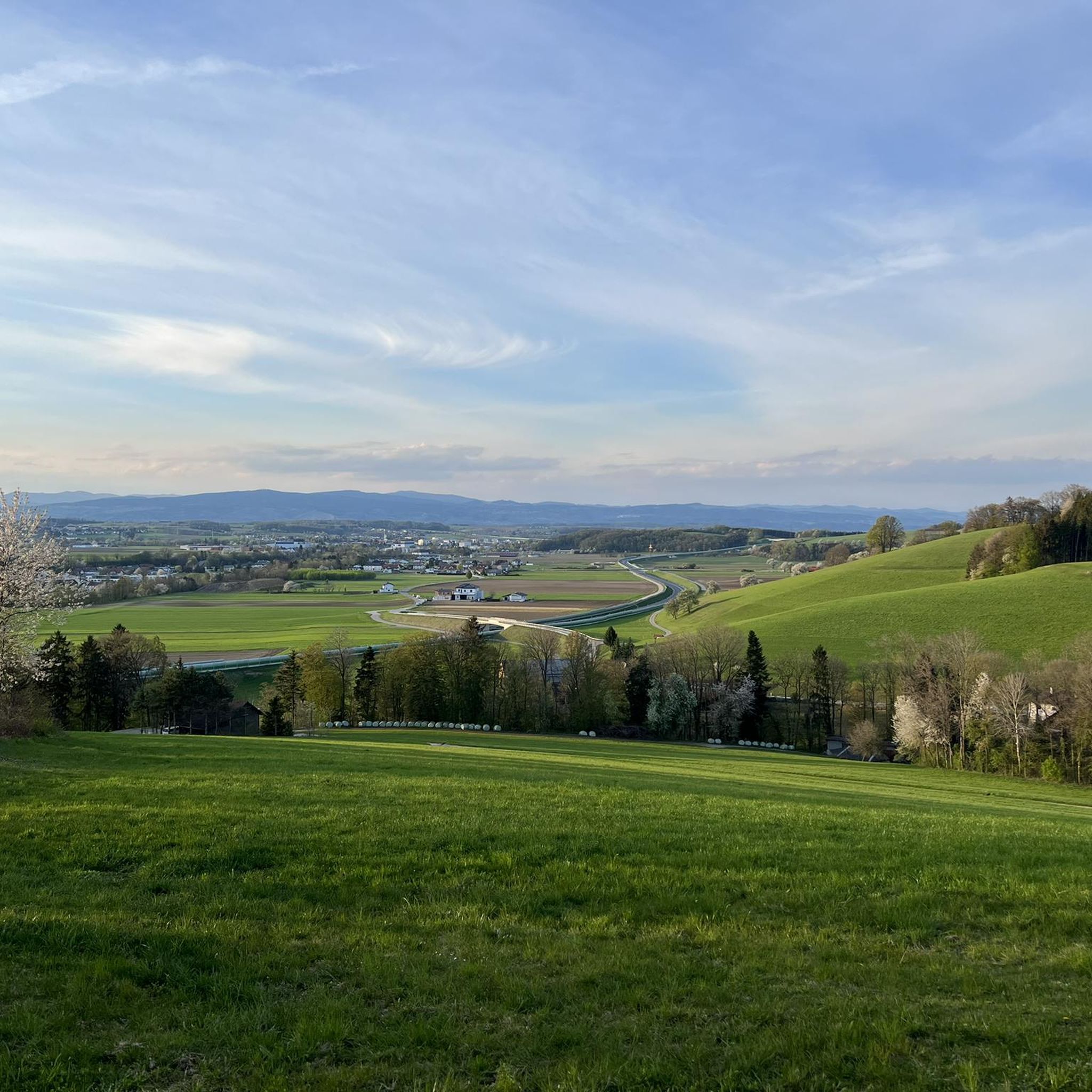
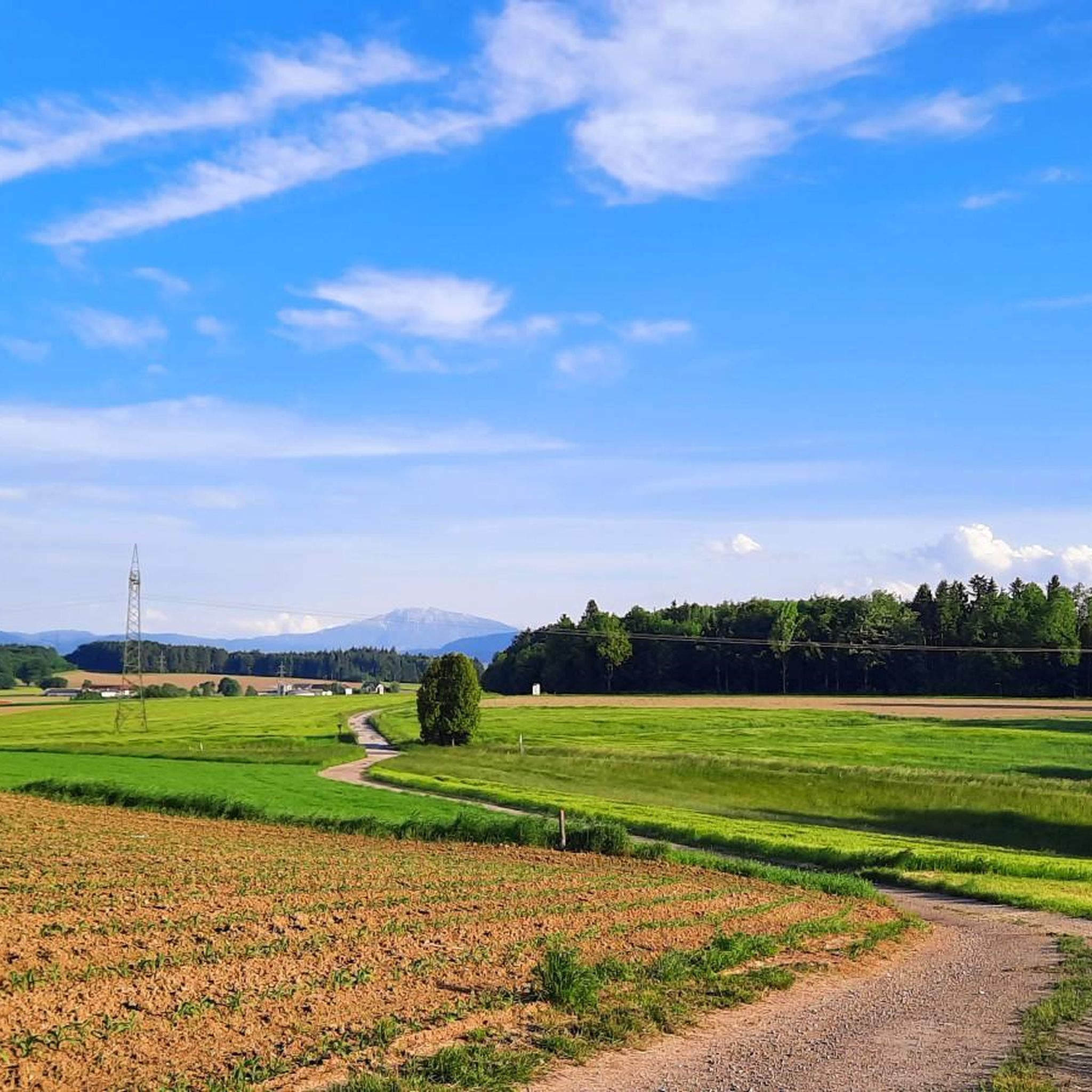
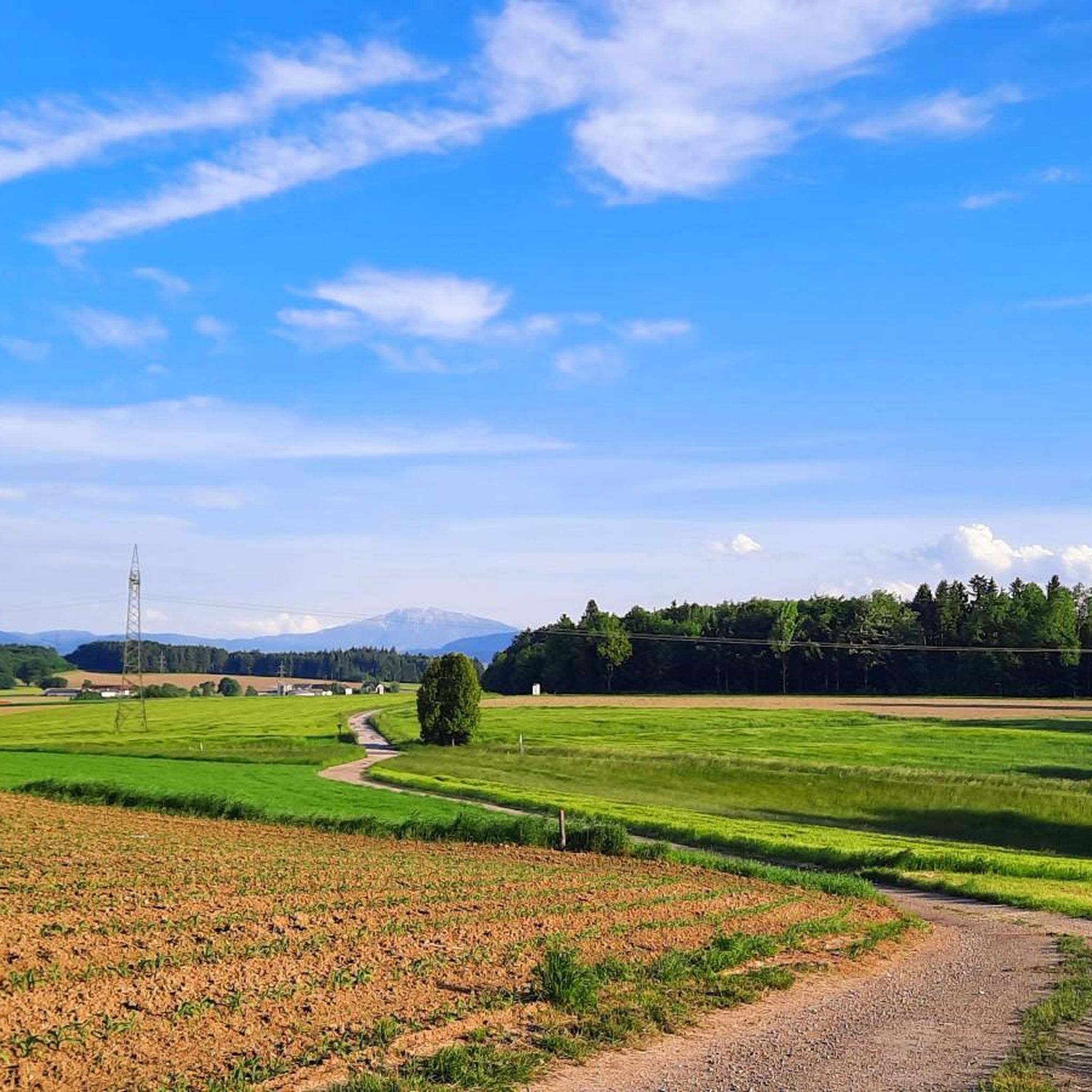
Here you have a beautiful view
2
0

The castle on the slope of the Hiesberg was first mentioned in 1100 in connection with a Wernher von Zelking. Wernher von Zelking's origins are unclear. A relationship with the noble family of the Lords of Haguenau is not proven, nor is it that he was the son of Reginbert (III.) of Haguenau, as is usually assumed in research. He was married and the father of Ulrich (I.) von Zelking.[1] The Lords of Zelking died out in 1634. The festival passed through marriage to the Polheim family in Wartenburg and around 1662 to Andrä Joachim Graf Sinzendorf.[2] When the Turks besieged Vienna in 1683 and their patrols advanced far into western Lower Austria, the still well-fortified castle served as a place of refuge for the surrounding civilian population.[2] After the manorial administration was relocated to nearby Matzleinsdorf, the fortress was abandoned. In 1802 Franziska Countess Kinsky, a widowed Countess Sinzendorf, married Count Harrach for the second time. Later owners included the Counts of Rohrau and the Galgozy-Galantha family. Today the ruins only consist of stonework from the 12th to 16th centuries. However, you can still see the massive arched gate and some notched windows. More about the story: http://noeburgen.imareal.sbg.ac.at/result/burgid/1394
0
0

It is very interesting to watch the ships in the lock from the bridge. It takes a while, but the opportunity is good. The lock operation is fascinating to watch. Here you can watch how large cargo ships and river cruise ships pass through the lock and overcome the difference in height of the Danube. The Ybbs-Persenbeug power station is not only the oldest Danube power station in Austria, but also one of the most impressive technical structures along the Danube. Together with the lock system, it is an important landmark for the region and a popular destination for bicycle tours and technology enthusiasts. The power station was built between 1954 and 1959 and was the first Danube power station in Austria. There is a visitor center that offers insights into how the power station works and its history. The power station is located directly on the Danube cycle path, which runs along both banks. The stretch between Ybbs and Persenbeug is particularly attractive, offering a mixture of nature and technology along the Danube.
7
0
Frequently Asked Questions
Which castles in Wieselburg-Land are known for their historical significance?
Wieselburg-Land boasts several castles with rich histories. Persenbeug Castle, first mentioned in 907, has a long and storied past, including being owned by Emperor Franz I. Schloss Weinzierl is significant as the place where Joseph Haydn composed his first string quartets. Schloss Ernegg, dating back to the 12th century, has been owned by the Auersperg family since 1656. Schloss Perzelhof also has medieval origins and served as an imperial administrative center.
Are there any castles in the region that offer a unique cultural experience?
Yes, Schloss Wieselburg (Marktschloss) is a cultural hub, housing the Museum for Pre- and Early History and a chapel used by the Evangelical community. Its freely accessible park features modern sculptures. Schloss Weinzierl continues its musical tradition with an annual music festival, honoring its connection to Joseph Haydn.
Can I stay overnight in any of the castles around Wieselburg-Land?
Yes, Schloss Ernegg offers individual room bookings for a quiet holiday experience. Its rooms are individually designed with family antiques and memorabilia, providing an authentic historic charm.
What kind of outdoor activities can I do near the castles in Wieselburg-Land?
The region around Wieselburg-Land offers various outdoor activities. You can find numerous hiking trails, such as the 'Erlauf Gorge – Erlauf Gorge loop' or the 'Fischersteig – Romantic Bridge loop'. For cycling enthusiasts, there are routes like the 'View of Ybbs an der Donau – View of Persenbeug Castle loop'. You can explore more options in the hiking guide or the cycling guide for Wieselburg-Land.
Are there family-friendly castles or activities near them in Wieselburg-Land?
Yes, the View of Persenbeug Castle is listed as family-friendly, offering an imposing perspective of the historic castle. The park at Schloss Wieselburg with its modern sculptures is also freely accessible and can be enjoyable for families. Additionally, the Persenbeug Castle and Ybbs-Persenbeug Hydroelectric Power Plant highlight is family-friendly, allowing visitors to watch ships in the lock.
Which castles offer notable viewpoints or scenic surroundings?
The View of Persenbeug Castle is specifically a viewpoint offering a beautiful perspective of the castle and the Danube. Schloss Weinzierl is nestled in a tranquil park, and Schloss Ernegg is located in the stunning Mostviertel region, surrounded by a rich cultural landscape.
Are there any castle ruins to explore in Wieselburg-Land?
Yes, the Zelking Ruins are a notable historical castle ruin. While it has fallen into disrepair, a few walls remain reasonably intact, giving an impression of its original size. It can be ideally visited on a hike on the stone circuit.
What is Schloss Wieselburg known for today?
Schloss Wieselburg, also known as Marktschloss, is a prominent four-winged complex. Today, it houses the Museum for Pre- and Early History, a chapel, and various businesses and apartments. Its freely accessible park features modern sculptures, including replicas of figures from Vienna's Albrechtsbrunnen.
What is the significance of Schloss Weinzierl?
Schloss Weinzierl is a picturesque late-Baroque castle known for its deep connection to classical music history. Joseph Haydn received his first engagement and composed his first string quartets here around 1755. It continues this tradition with an annual music festival and serves as the administrative center for the Francisco Josephinum Higher Federal Education and Research Institute.
Can I play golf near any of the castles?
Yes, Schloss Ernegg boasts its own 18-hole championship golf course, located in the Erlauf Valley below the castle, making it ideal for golf enthusiasts.
Are there any castles that are privately owned and can only be viewed from the outside?
Yes, Senftenegg Castle is privately owned and can only be viewed from the outside. Despite this, it is a very nicely maintained castle complex with a history dating back to 1367.
What is the history of Schloss Perzelhof?
Schloss Perzelhof has a long and varied history, potentially linked to a Hungarian noble family in the 13th century. It underwent a major renovation around 1561 and was later acquired by Kaiser Franz I in the early 19th century to serve as an administrative center for his estates. Today, it is primarily used for residential purposes.
Most popular routes around Wieselburg-Land
Most popular attractions around Wieselburg-Land

Get inspired with the komoot mobile app


Explore more
Looking for the best castles somewhere else? Discover other guides around Wieselburg-Land:
